
Last updated: November 19, 2026
Quick Answer: For carry-on packing for long layovers, a practical setup is 6 to 12 hours of airport time covered by a charger, a power bank, a change of clothes, snacks, and one comfort item you know you will use.
A long layover gets easier when your carry-on packing for long layovers covers comfort, charging, and a clean change of clothes.
The right setup keeps airport day use from turning into a miserable wait.
The steps below settle what to pack, what to skip, and what belongs in easy reach.
Key Takeaways
- Pack for the airport, not just the flight.
- Keep one small kit ready for sleep, food, and charging.
- A spare shirt and socks solve more problems than another bulky item.
- Snacks beat waiting in a terminal line when food is closed.
- If the layover includes a lounge, your bag still needs to work outside it.
Build a layover bag, not a flight bag
A layover bag is packed for 6 to 12 hours of airport time, not just the seat on the plane. That means you need clothes, power, food, and a way to clean up after a cramped travel day. A flight-only bag often misses the items that matter once you land and have to wait.
If you picture a 3-hour delay after security, the bag should already hold the things that make that stretch tolerable—without forcing you to dig through a mess. A simple setup keeps airport comfort items together and quick to grab.
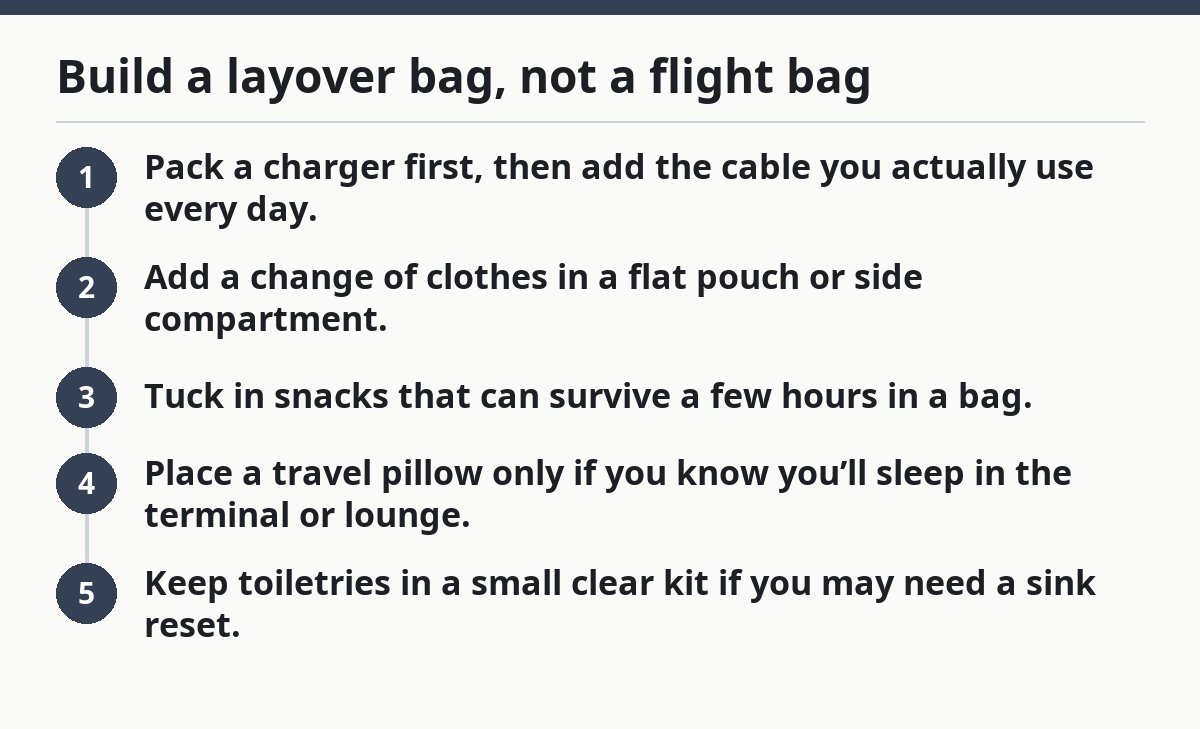
- Pack a charger first, then add the cable you actually use every day.
- Add a change of clothes in a flat pouch or side compartment.
- Tuck in snacks that can survive a few hours in a bag.
- Place a travel pillow only if you know you’ll sleep in the terminal or lounge.
- Keep toiletries in a small clear kit if you may need a sink reset.
A good layover bag should work in three places: the gate, the bathroom, and the lounge. That is the standard. If it only works in one of those spots, it is underpacked.
What should go in a carry-on for a long layover?
Your long-layover carry-on should hold a charger, a change of clothes, snacks, a travel pillow, wipes, medicine if you use it, and a small toiletry kit. That mix covers hunger, dead batteries, bad seats, and the two-hour stretch where you want to feel human again.
If you’ve got a 7-hour connection and no idea whether the airport lounge will have a shower or even an empty chair, the bag that helps most is the one that fixes the basics without needing a second trip to baggage claim.
Use this packing order so the useful items stay easy to reach:
- Top layer: charger, cable, headphones, wipes, passport, boarding pass.
- Middle layer: snack pack, shirt, underwear, socks.
- Bottom layer: pillow, jacket, spare shoes if you truly need them.
- Side pocket or pouch: lip balm, tissue, medication, pen.
A lounge helps, but it does not replace your own setup. Lounge food can be late, outlets can be taken, and sleeping spots can be awkward. If you expect to spend real time in the terminal, pack for the terminal first.
Two authorities are worth keeping in mind for battery and bag safety. The FAA’s battery guidance explains why spare lithium batteries and power banks need careful packing, and the IATA guidance on dangerous goods gives the broader airline framework. You do not need to memorize the rules to pack well; you do need to keep loose battery gear from rattling around.
Use your charger setup to avoid dead time
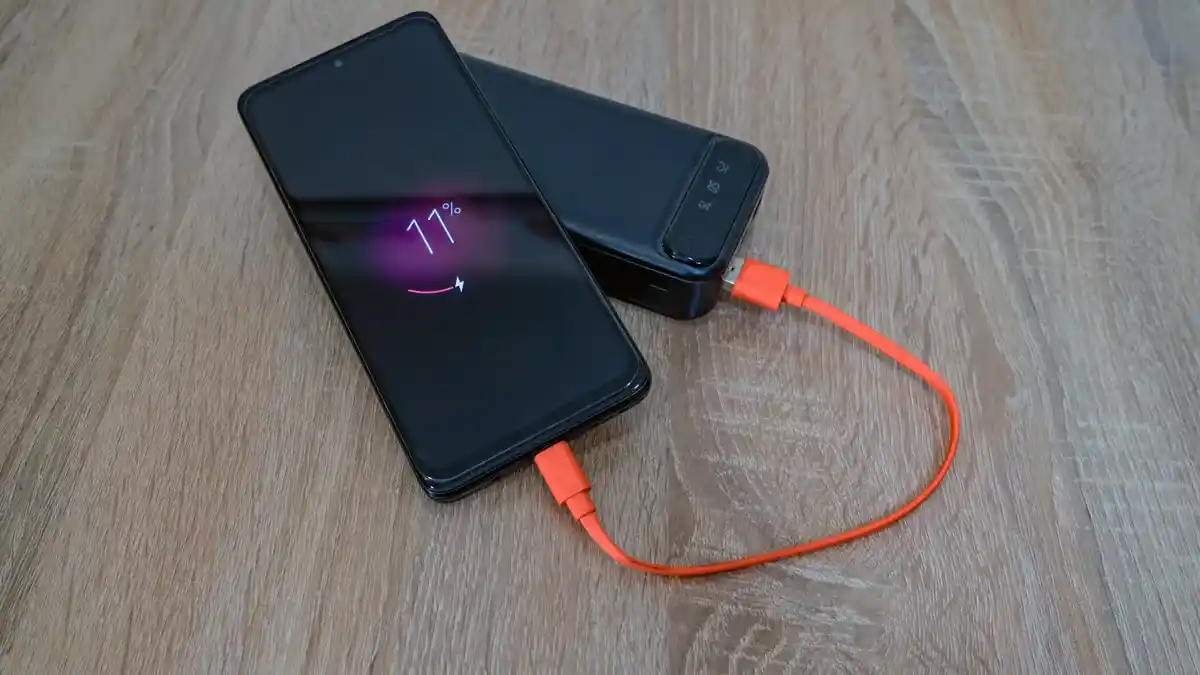
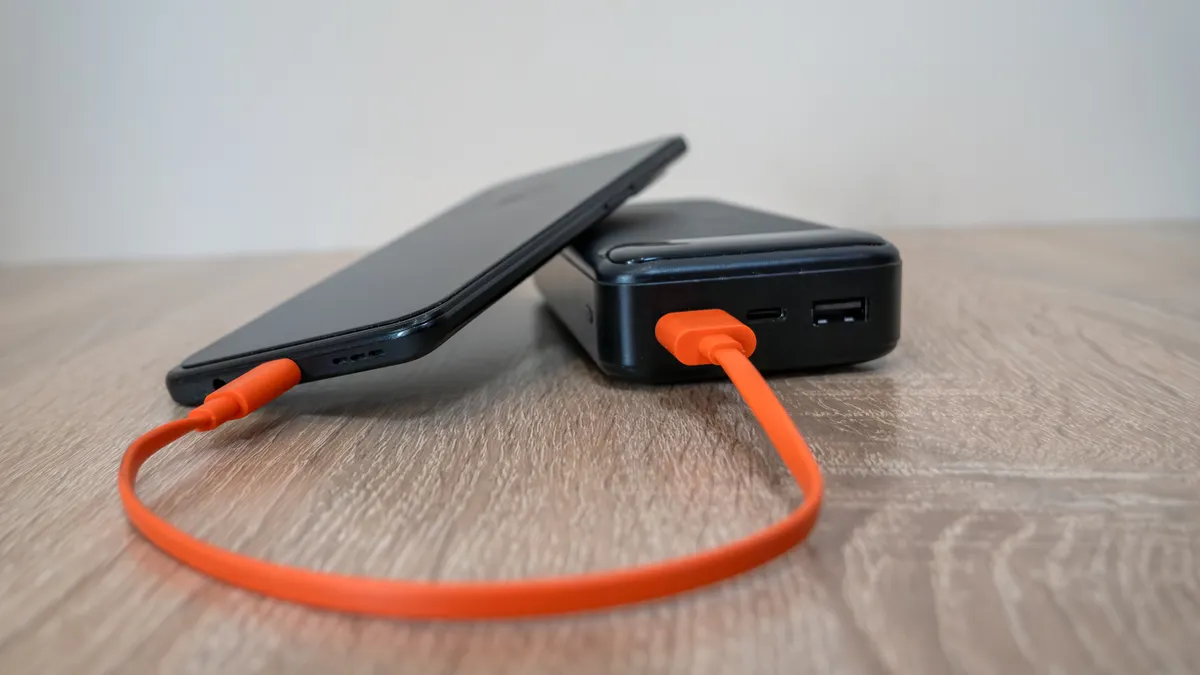
Your charger setup should include one wall charger, one cable, and one power bank that can sit in your bag all day. Dead devices waste more layover time than any other small packing mistake. The fix is simple: keep power in one place and make it reachable in seconds.
If your phone is at 12%, the gate has one outlet, and someone is already camped beside it, a charger buried under clothes is nearly useless. A charger in the top section is the difference between boarding with a full battery and boarding with a dead screen.
Do this every time:
- Pack the wall charger in the outer section of the bag.
- Add one cable long enough to reach an awkward outlet.
- Charge the power bank before leaving home.
- Keep the power bank visible so you can move it fast at security.
- Separate charging gear from snacks and liquids.
A layover is not the place for a dead cable, a missing brick, or a power bank with no charge left. If you travel often, keep a dedicated charger pouch with only the items you use at airports. That way you are not stripping cords out of a home setup at 5 a.m.
The FAA page on lithium batteries is a good reference for device power rules, and TSA’s packing guidance is useful for what stays in a bag and what needs extra care. FAA lithium battery guidance and TSA What Can I Bring? are both worth a look before you fly with a lot of electronics.
Pack a change of clothes, not a full outfit plan
A change of clothes should mean the pieces that reset your day: shirt, underwear, socks, and maybe a lightweight layer. It does not mean a full second wardrobe. For airport day use, the goal is to stay clean, dry, and presentable without overstuffing the bag.
If you spill coffee, get caught in rain, or decide that your original shirt feels wrong after 9 hours of travel, a small clothing reset can save the layover. A second pair of jeans usually just eats space.
Keep the swap simple:
- 1 shirt that folds flat.
- 1 underwear set in a sealed pouch.
- 1 pair of socks for fresh feet.
- 1 thin layer if you run cold.
- Optional sleepwear only for true overnight layovers.
If your connection crosses midnight, a clean shirt matters more than another snack bar. It helps you feel more awake, and it makes it easier to sit in a lounge, nap in a quiet corner, or walk back through the terminal without feeling grimy.
This is also where a generic packing list goes wrong. It tells you to bring “extra clothes” and leaves it there. That is too vague. Pack the items that touch skin first. Those make the biggest difference with the least bulk.
What airport comfort items are worth the space?
The airport comfort items are most useful when they reduce noise, fatigue, and bad seating in under 1 minute. A travel pillow, headphones, eye mask, and small toiletry kit are the usual winners, but only if you know you’ll actually use them. A bulky comfort item that never leaves the bag is dead weight.
If you are stuck in a terminal with hard seats, bright lights, and a gate change that keeps moving, comfort is no longer about luxury. It is about getting your body through the wait without feeling wrecked before boarding starts.
Use this filter before adding any comfort item:
- Does it save time? Wipes and a toothbrush do.
- Does it save sleep? An eye mask might.
- Does it reduce pain? A neck pillow can.
- Does it fit in one hand? If not, reconsider.
A travel pillow is useful for some people and useless for others. If you never sleep upright, skip it and save the room for socks or a battery pack. If you do sleep in terminals, choose one that compresses well and does not hog the top of the bag.
On the flip side, don’t pack ten “maybe” comforts. That turns a smart carry-on into clutter. One or two proven items beat a pile of hopeful ones.
Food, water, and a layover that runs late
Food and water belong in your bag because airport hours are not always kind to your schedule. A small snack stash gets you through delays, late arrivals, and the stretch when the nearest café is closed. It also keeps you from buying overpriced airport food just because you are tired.
If your layover turns from 4 hours into 8, and the food court closes early, a few sturdy snacks can keep the rest of the day from turning cranky fast. That is where airport day use feels different from normal travel.
Pack foods that are easy to carry and not messy:
- crackers or pretzels
- nuts, if allowed in your situation and safe for nearby travelers
- bars that do not melt quickly
- dried fruit
- an empty bottle you can refill after security
A water bottle matters more than most people think. Dry air, coffee, and long walks through terminals add up. If you refill after security, you keep the bag lighter and avoid buying bottle after bottle.
Here’s the catch: food rules vary by checkpoint and by country, so keep anything questionable simple. If an item is soft, messy, or smells strong, leave it out. The bag should survive a gate change without making a mess.
Overnight layovers need one extra layer of planning
An overnight layover needs a true sleep plan, not just a pillow. That means a clean shirt, socks, a charger, a basic wash kit, and a way to cover your eyes and ears if the terminal is loud. If you plan to stay in the airport, you need enough gear to feel decent at 2 a.m.
If your connection lands late, the next flight leaves at dawn, and the terminal gets colder after midnight, overnight is where the small stuff matters. One fresh layer of clothing can make a hard plastic bench feel less awful.
A solid overnight setup often includes:
- sleep mask
- earplugs or headphones
- socks
- toothbrush and toothpaste
- fresh shirt
- charger and power bank
If you have access to an airport lounge, use it for what it is good at: a quieter seat, a cleaner bathroom, maybe a shower. But do not rely on the lounge to solve everything. Lounge access can be limited, crowded, or closed at the hour you need it most.
Accessibility matters here too. If you need medication, mobility support, a medical device, or more frequent breaks, keep those items in the top of the bag and easy to reach. Long waits can be hard on anyone, and they are worse when necessary items are buried under snacks and clothes.
This page belongs with the broader hub on carry-on luggage for air travel situations, but the layover setup is its own job. It is not about the perfect suitcase. It is about the things that keep a long stop from becoming a bad day.
What should I keep in my carry-on for a long layover?
Keep a charger, a power bank, a change of clothes, snacks, a water bottle, and one comfort item you know you’ll use. Add wipes, headphones, and any medicine you need during the day. If the layover is long enough for sleep, include a sleep mask and socks.
The setup works best when it stays simple. If an item solves hunger, dead batteries, or discomfort in under a minute, it earns space.
Do I need a change of clothes for an overnight layover?
Yes, a change of clothes is smart for an overnight layover. At minimum, pack a clean shirt, underwear, and socks so you can reset after a long travel day. If you expect to sleep in the airport, a light layer helps too.
A full second outfit is usually too much. The goal is freshness, not a second wardrobe.
How do I stay comfortable in the airport?
Stay comfortable by packing for the seat, the bathroom, and the charging area, not just the plane. A travel pillow, headphones, snacks, and a charger do more for comfort than most bulky extras. A sleep mask and clean socks help if the layover runs late.
The useful items go on top. That saves time and keeps the wait from feeling longer than it is.
Drafted with AI; not yet reviewed by a person.




Leave a Reply