
Last updated: November 19, 2026
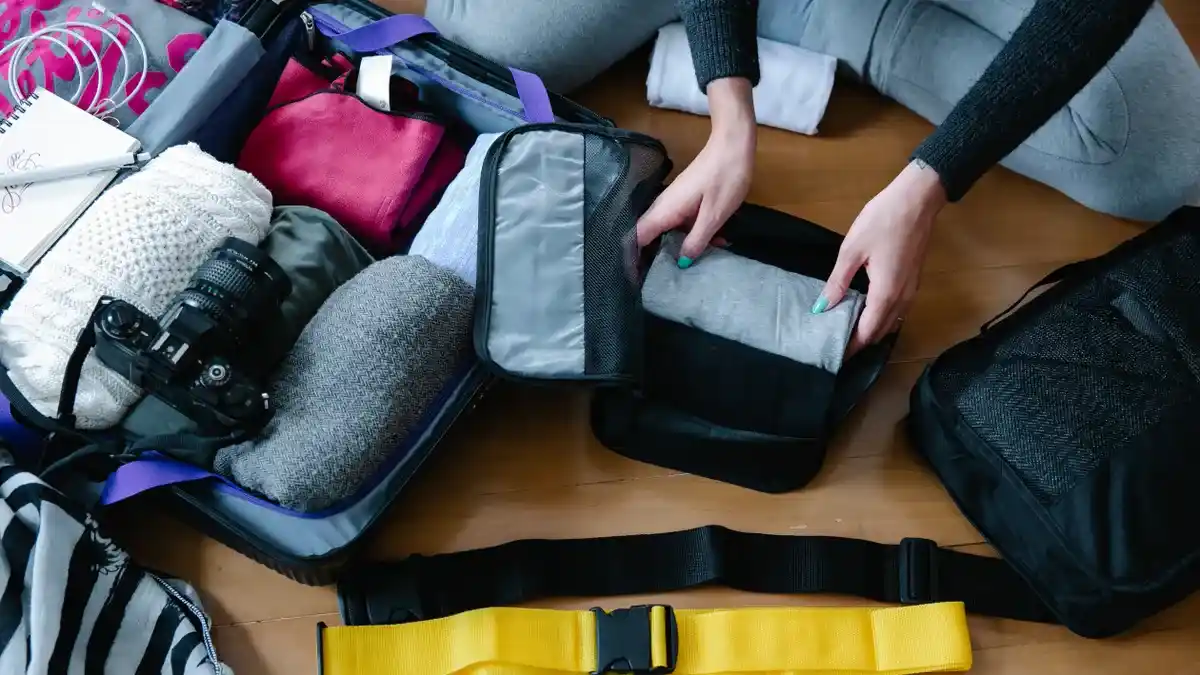
Quick answer: pack three zones, keep the load under 15 pounds, and put the most wrinkle-prone items on top. Wrinkled shirts and crushed pants can ruin a carry-on trip fast. How to Pack a Carry-On Without Wrinkling Clothes starts with structure, not luck: use wrinkle-resistant clothing, a garment folder for flat pieces, and packing cubes to stop shifting. The steps below settle what to fold, what to roll, and what to leave out.
Key Takeaways
- Smooth travel starts before you zip the bag.
- Flat items need support; soft items can fill gaps.
- Packing cubes organize clothing, but they do not press out wrinkles.
- A garment folder helps more than a loose fold for dress shirts and trousers.
- A travel steamer is a backup, not a packing plan.
- The wrong fabrics crease even in a well-packed carry-on.
Start with wrinkle-resistant clothes and a carry-on that fits them
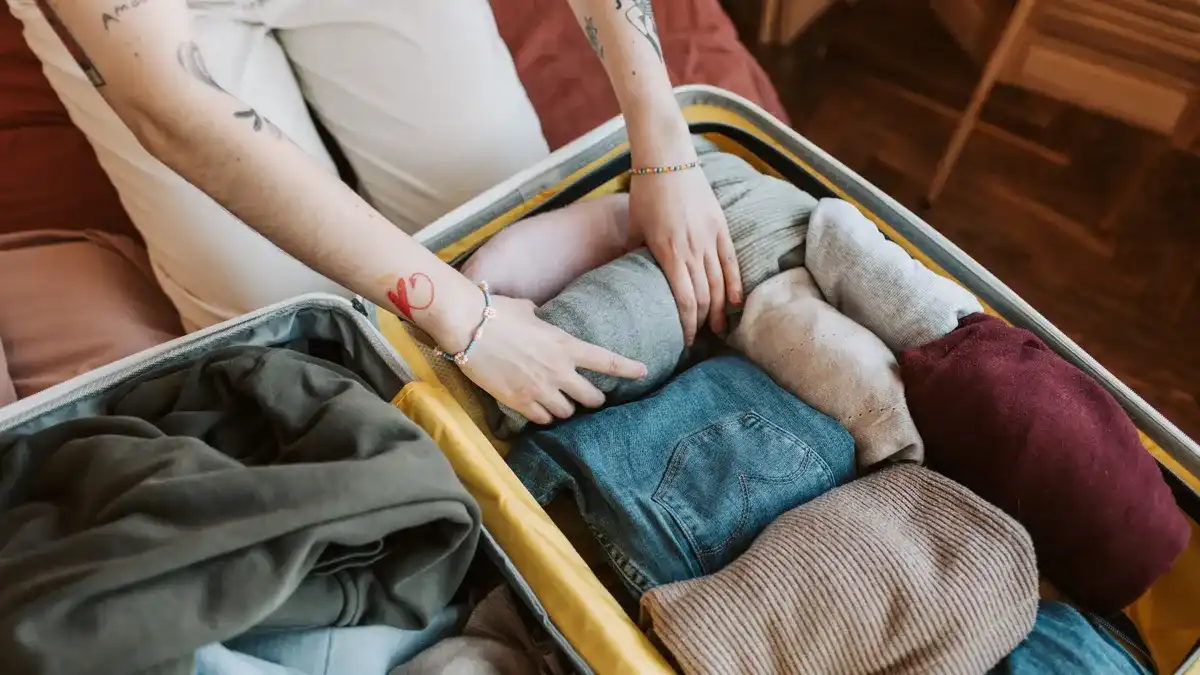
Wrinkle-free carry-on packing starts with the right fabric mix and a carry-on suitcase that does not crush the load. If you put linen, thin cotton, and overstuffed sleeves in one tight shell, the bag wins every time.
The best fabrics for this job are often wool blends, knit tops, performance shirts, and synthetics that resist creasing. Pure linen and crisp cotton poplin fold sharply and hold the line. That does not make them bad travel clothes. It makes them weaker choices for the bottom layer of a carry-on.
Use a carry-on suitcase with a little structure, not a soft bag that caves in when a seat footwell squeezes it. Hard sides help protect sharper folds. A soft bag can still work, but only if the load is tight and balanced.
A quick rule helps:
- Pack wrinkle-resistant clothing first.
- Put the most delicate fabric on top.
- Leave thick denim and bulky shoes for the outside edges.
- Keep the bag from ballooning at the zipper.
If the trip includes dress clothes, treat them like fragile flat objects; travel-fabric guides from garment-care sources generally recommend flat, protected placement for structured items, and a dry cleaner can advise on especially delicate pieces. If it’s mostly tees and knits, the system gets easier. The hub on Packing Systems and Organization fits here because the packing method matters as much as the garment choice.
How do you pack a carry-on without wrinkling clothes?
You pack a carry-on without wrinkling clothes by building flat layers, using a garment folder for dress items, and filling empty space with rolled soft clothes. That keeps pressure even and stops the pile from shifting in transit.
Here’s the catch: most wrinkles come from movement, not just folding. A shirt folded neatly at home can still crease if it slides inside the suitcase for 3 hours or gets crushed by a toiletry kit.
Use this order:
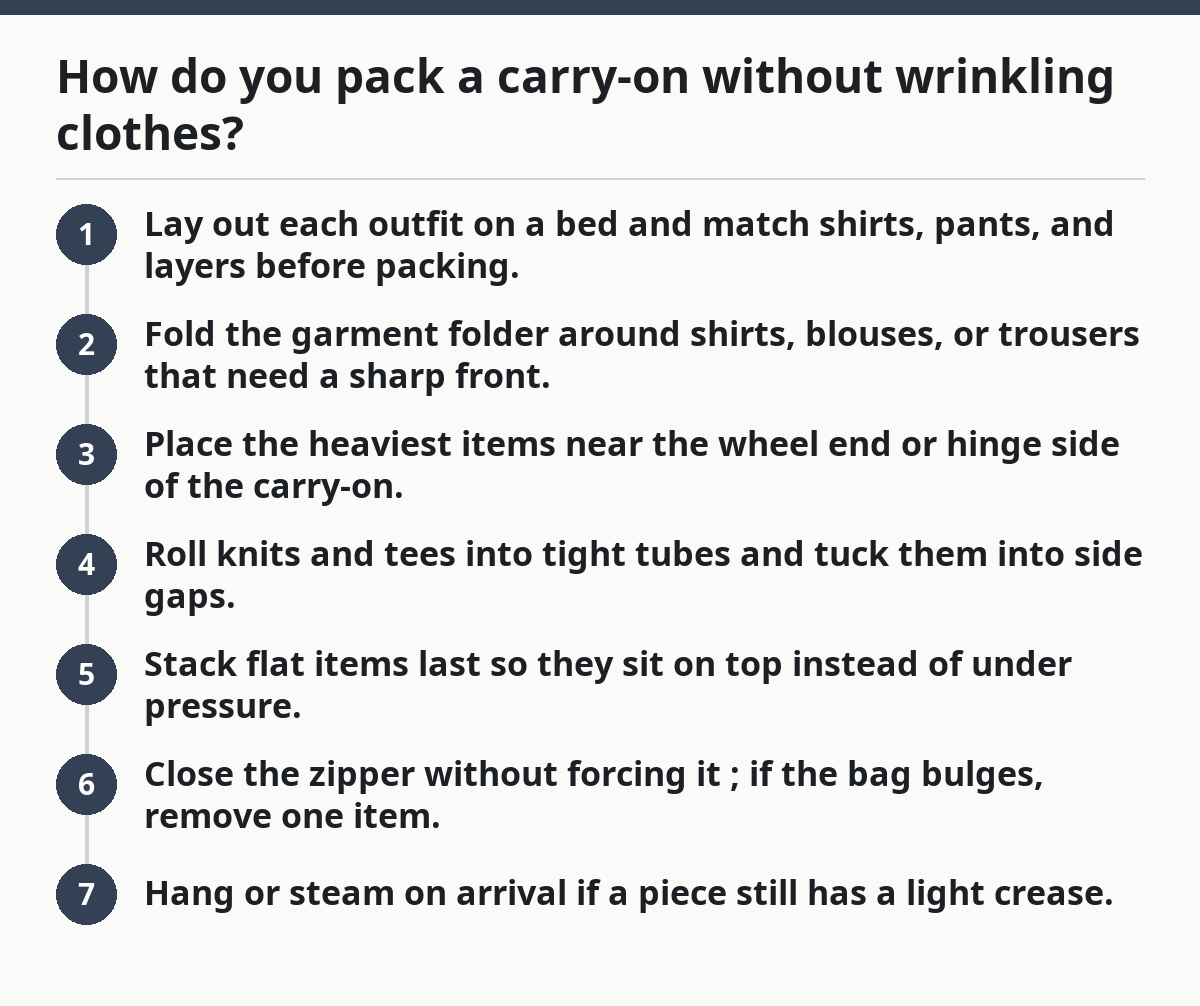
- Lay out each outfit on a bed and match shirts, pants, and layers before packing.
- Fold the garment folder around shirts, blouses, or trousers that need a sharp front.
- Place the heaviest items near the wheel end or hinge side of the carry-on.
- Roll knits and tees into tight tubes and tuck them into side gaps.
- Stack flat items last so they sit on top instead of under pressure.
- Close the zipper without forcing it; if the bag bulges, remove one item.
- Hang or steam on arrival if a piece still has a light crease.
A garment folder is the right tool for button-downs, collar shirts, and business pants. It is not magic. It works best when it keeps a broad surface flat and avoids sharp bends; textile-care advice from garment professionals can help if you are packing a suit or a high-value shirt. Packing cubes help with the rest of the clothes, but they are about containment, not pressing.
Should I roll or fold clothes in a carry-on?
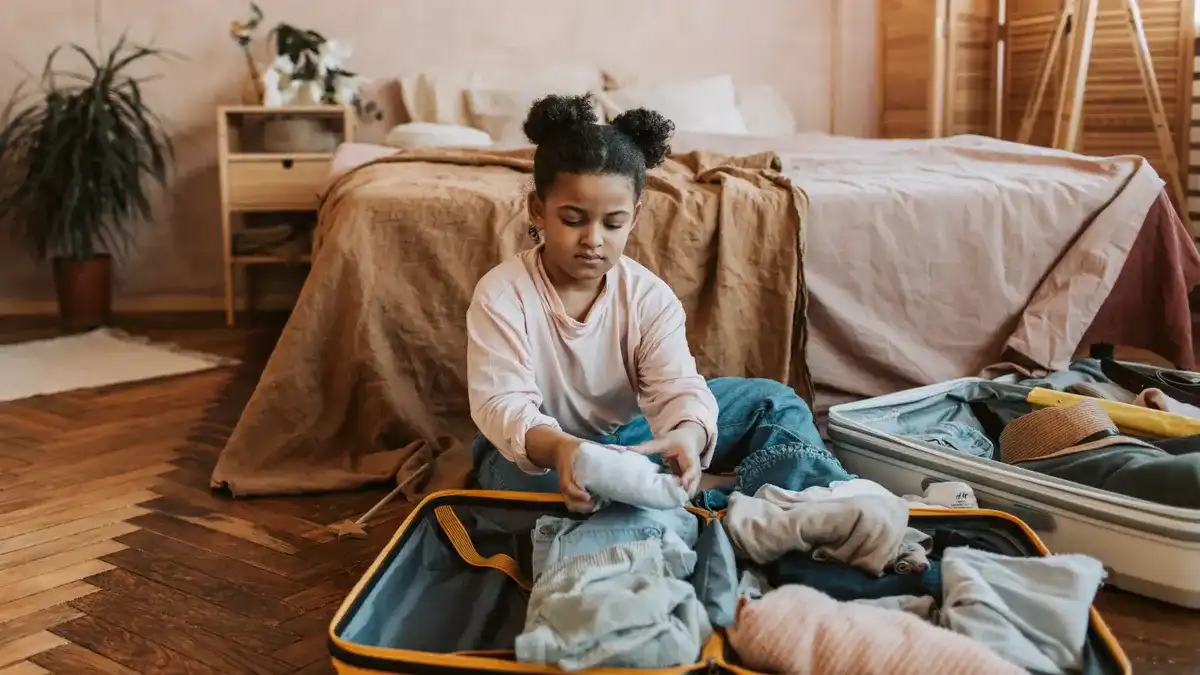
The answer is both. Rolling works best for soft knits, casual tops, and sleepwear, while folding works best for shirts, trousers, and anything with a collar or crease line.
Rolling saves space and reduces hard fold lines on jersey, leggings, and T-shirts. It also fills small spaces between larger pieces. Folding gives better shape control for garments that already have a front line, like button-downs and slacks. If you roll those, you often get curved creases across the chest or thigh.
Use the method that matches the fabric:
- Roll jersey, merino, activewear, and pajamas.
- Fold poplin shirts, dress pants, blazers, and crisp skirts.
- Do not over-roll thick denim or chunky sweaters; they turn into hard cylinders that press other clothes.
- Avoid mixed piles where rolled items get trapped under folded items and flatten unevenly.
Packing cubes make this choice easier because they separate categories. A 12-inch cube of rolled tees stays put better than a loose stack in the main compartment. Still, cubes can create pressure lines if they are stuffed too full. Leave a little give.
The truth is, the most wrinkle-free bag uses both methods in different zones. One method alone usually fails.
Use packing cubes to stop clothes from shifting
Packing cubes keep clothing from sliding around, and that matters more than squeezing in one extra outfit. A cube creates a small, stable block inside the suitcase, so folded shirts do not drift into a heap by the time you land.
Put like with like. One cube for tops, one for bottoms, one for sleepwear or underlayers. That makes it easier to unpack without reopening everything and stirring up the whole bag.
A few rules keep cubes useful instead of messy:
- Choose cubes that fit the carry-on width without bowing the zipper.
- Fill cubes to the point where clothes sit snug, not stuffed.
- Put flatter cubes on top of bulkier ones.
- Keep shoes in a separate bag so soles do not press against fabric.
- Use one slim cube for small items, not five tiny pouches that waste space.
Packing cubes do not press wrinkles out. They prevent new ones. That distinction matters. A cube packed with loose, wadded clothes still gives you a wrinkled mess, just inside a tidy rectangle.
If you travel with one blazer or one dress shirt, keep that item outside the cube and as flat as possible, or put it in a garment folder. The cube is for organization. The folder is for shape.
How do you layer clothes inside a suitcase?
The best layering method is to make a flat base, keep weight low, and leave delicate pieces on top of the stack. That reduces compression on the garments that wrinkle fastest.
Start with the heaviest items near the wheel end or the back panel of the carry-on. Shoes, toiletry kits, and thicker trousers belong there. Then add midweight items like sweaters or jeans. Put shirts, blouses, and light dresses on top.
Think in layers:
- Bottom: shoes in bags, dense items, bulkier fabrics
- Middle: cubes with rolled knits, activewear, or casual clothes
- Top: folded shirts, wrinkle-sensitive pieces, and accessories
- Outer pockets: flat documents or small items, not clothing
This stack works because pressure moves downward. If a dress shirt sits under a shoe bag, the crease is likely. If the shirt sits on top of the load, it keeps its shape longer.
A common mistake is leaving dead space. Empty corners let clothes slide. Use socks, belts, or rolled tees to fill those gaps. Small fillers keep the whole load from shifting during a 45-minute cab ride or a 5-hour flight.
What should you leave out if you hate wrinkles?
You should leave out fabrics that crease easily and anything that needs a perfect press to look right. If a garment looks bad after sitting folded for an hour at home, it will not improve inside a carry-on.
Skip or limit these items:
- Pure linen
- Stiff cotton poplin without stretch
- Heavy jackets that crush soft clothes
- Oversized sweaters that take up the whole top layer
- Garments with delicate pleats or sharp tailoring
Choose clothes that recover well after folding. Merino knits, ponte pants, jersey dresses, and stretch cotton usually travel better than crisp woven fabrics. That does not mean they look casual. It means they tolerate packing.
A travel steamer can rescue some wrinkles, but it is a cleanup tool, not a packing substitute. If you know you will need to steam every shirt on arrival, the packing system is not doing its job. A small steamer helps most when one garment gets a bend line or when hotel hangers are thin and useless.
For clothes that really matter, hang them up as soon as you arrive. If the fabric still carries a crease, a few minutes of steam is easier than trying to iron a badly packed shirt on a strange board with a weak iron.
Common mistakes that cause wrinkles in a carry-on
The biggest wrinkle mistakes are overpacking, mixing soft and stiff items, and stuffing the bag so hard that the zipper bows. Once the suitcase stops closing cleanly, the clothes inside start paying for it.
Here are the main errors and what they cost:
- Overstuffing the bag crushes seams and creates diagonal folds.
- Packing dirty laundry in the same cube adds bulk and makes the load shift.
- Throwing shoes on top of shirts leaves pressure marks.
- Using only one folding style creates the same crease pattern on every item.
- Leaving no buffer space lets garments slide and bunch up.
The fix is simple, though not always easy: remove one item, flatten the load, and protect the pieces that show the most. If the bag needs a knee to zip, it is packed wrong.
One more habit helps a lot. Pack your outfit for the first day on top. That way you are not digging through the whole suitcase after a long flight and wrinkling everything you planned to wear next.
How to keep shirts from wrinkling in a suitcase?
You keep shirts from wrinkling in a suitcase by folding them around a flat surface, packing them on top of the load, and preventing pressure from shoes or bulky layers. A shirt that stays flat stays cleaner-looking.
Use a garment folder if the shirt is buttoned and structured. If you do not have one, fold the shirt with the sleeves tucked in neatly and keep the collar from being bent hard. Put tissue paper or a thin dry-cleaning bag between layers if a shirt is especially important. That slippery layer reduces friction.
A few practical habits matter:
- Button the top and middle buttons before folding.
- Keep collars open rather than crushed under weight.
- Place shirts in a single stack, not crossed with other clothes.
- Do not pack deodorant caps or chargers against the chest area.
- Hang the shirt immediately after arrival.
For business shirts, a little prevention goes farther than steaming later. The goal is not a museum-flat shirt. The goal is a shirt that looks ready after a short hang and a quick pass with steam if needed.
Should I roll or fold clothes in a carry-on?
Use both, not one or the other. Rolling is better for soft, stretch fabrics, while folding is better for structured pieces like shirts and trousers. If you roll everything, crisp clothes get curved creases. If you fold everything, soft clothes waste space and can bunch up.
How do I keep shirts from wrinkling in a suitcase?
Keep shirts flat, top-loaded, and protected from pressure. A garment folder helps most, but a careful fold and a stable placement in the suitcase also work. Button the shirt before packing, and hang it up right away when you arrive.
What clothes pack best for wrinkle-free travel?
Wrinkle-resistant clothing packs best: merino knits, jersey, performance fabrics, stretch blends, and ponte pants hold shape well. Shirts and pants made from stiff cotton or linen crease more easily. If a garment needs a perfect iron to look right, it is a weak travel choice.
Drafted with AI; not yet reviewed by a person.




Leave a Reply