
Last updated: November 18, 2026
In short: for most regional airplanes, a compact carry-on with a short, slim profile is often the safer choice, especially on CRJ jets and ERJ jets. If you want a quick starting point, aim for a bag under 20 inches in height and check the airline’s published limits before you fly. The notes below show what fits, what causes trouble, and how to pick a bag that does not fight smaller overhead bin dimensions.
What “fits most regional airplanes” really means
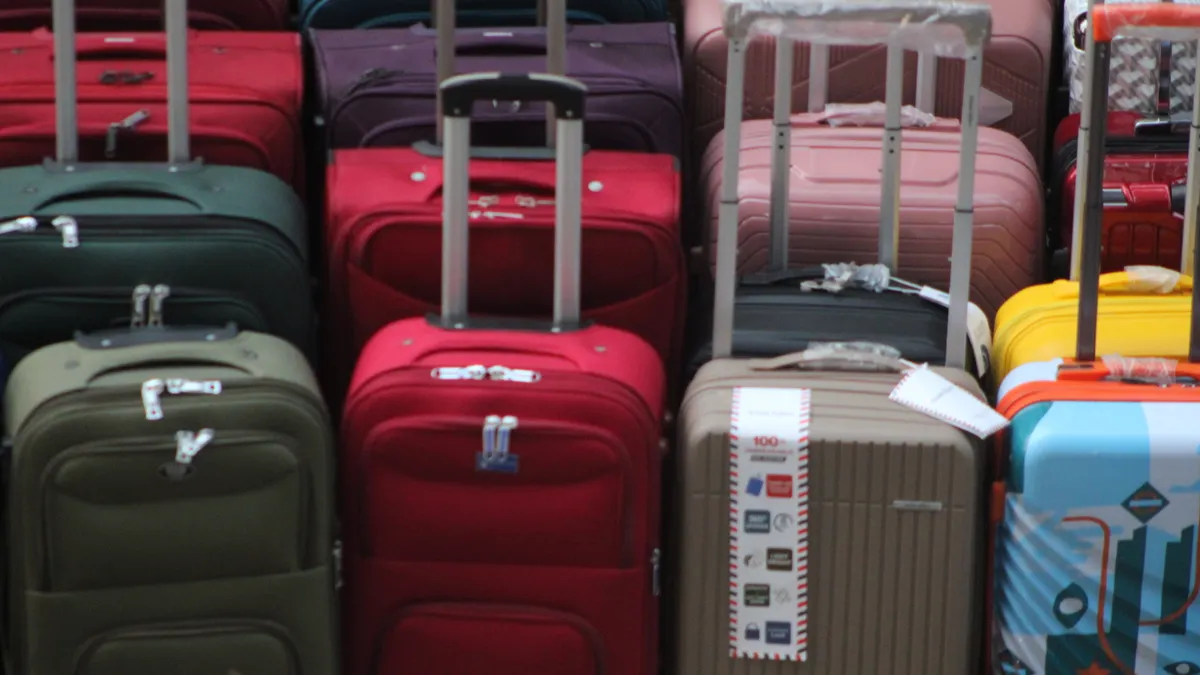
A bag that fits most regional airplanes is usually smaller than the standard 22 x 14 x 9 inch carry-on many travelers use on larger jets. On CRJ aircraft and ERJ aircraft, the bin opening can be tighter, the bin curve can be lower, and the gate agent may ask for a bag check sooner than you expect.
That is why compact carry-on bags matter here. Not every overhead bin is built the same, and the bag that slides into a mainline Airbus A320 bin may snag on a regional jet’s lower ceiling or narrower shelf. A shorter length and a flatter body help more than fancy wheels or a rigid shell.
Here’s the catch: a bag can still “fit” and be annoying if it leaves no room for a coat, laptop, or small personal item. The goal is not just to pass a size check. The goal is to keep the bag easy to lift, rotate, and stash in a tight cabin.
- Think in compact suitcase dimensions, not marketing language.
- Favor a low, squared-off profile over a tall, boxy one.
- Treat regional-plane travel as a separate use case from mainline travel; if your route changes often, check the airline’s rules or a travel professional’s guidance before you buy.
For background on the broader rule set, the hub on carry-on size rules and fit can do the heavy lifting on airline measurements and policy terms. For airline-specific guidance, see carry-on size rules and fit and airline baggage policies.
Which bag shape works best on CRJ jets and ERJ jets?
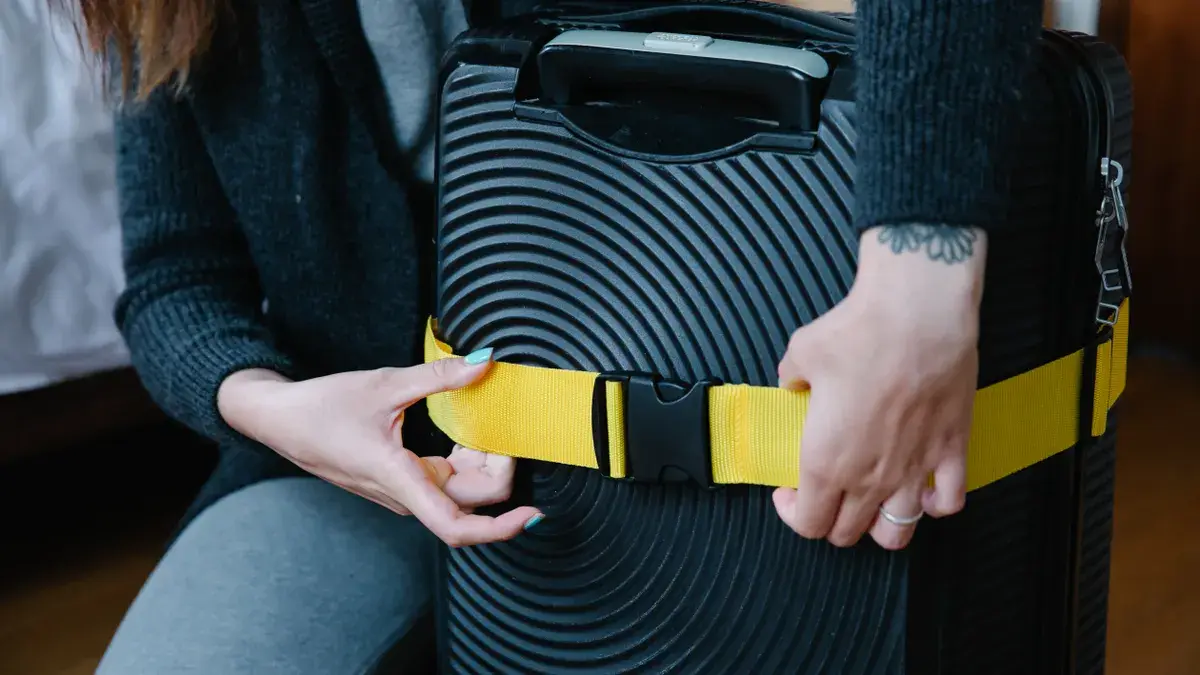
The best shape is usually a short, soft-sided or lightly structured bag that keeps its corners from biting into the bin opening. On CRJ jets, the bin mouth can feel unforgiving, and on ERJ jets the usable space can shrink fast once other bags are already aboard.
A bag that is technically small but stiff and square can still be a bad fit. Hard shells do not compress around a bin lip. Soft-sided bags bend a little, which helps when the cabin crew is trying to load several items into a tight space.
Picture this: you are boarding a 50-seat regional jet, the aisle is narrow, and the overhead bin is already half used. A bag with rounded edges, a short height, and a flat base goes in with less fuss than a tall spinner that needs to be wedged sideways.
The truth is, wheel count is less important than footprint here.
- 2-wheel bags often sit lower and have less wasted height.
- 4-wheel spinners can work, but the wheels and frame usually add bulk.
- Bags with outside pockets can be handy, but bulky pockets steal clearance.
Choose the bag that leaves a little air around it. That buffer matters more than a hard promise on a product tag.
What size is safest for smaller planes?
The safest size is usually the one that stays well below a standard cabin limit and leaves room for the bin’s shape, not just its opening. For most regional airplanes, a bag around the compact end of the spectrum is far less stressful than a full-size carry-on.
A lot of travelers still use 22-inch luggage as a default. That can be fine on many mainline flights, but on smaller planes it is often the first bag to cause trouble. A bag that is closer to regional-friendly dimensions gives you more margin when the airline is strict or the flight is full.
I’d treat under 20 inches in height as a helpful target for many regional trips, but the real answer depends on the specific bag’s depth and width too. If you are unsure, consult the airline’s published dimensions or a travel professional before you buy. A 19-inch bag that is too deep can still be awkward. A 21-inch bag that is slim and soft may fit better than a stiff 20-inch shell.
A simple way to judge a bag before you buy it
- Measure the bag’s height, width, and depth from the outermost points, including wheels and handles.
- Compare those numbers against the airline’s published carry-on limit and the smallest aircraft you expect on the route.
- Favor bags with a shorter profile if you often fly CRJ aircraft or ERJ aircraft.
- Look for a bag that can tolerate a slightly tight squeeze without losing its shape.
- Skip anything that depends on expansion if your trip includes regional flights.
If a bag only fits when it is fully compressed or half empty, it is not a good regional-plane bag. That is a trap.
The practical trade-off: smaller bag, less packing space
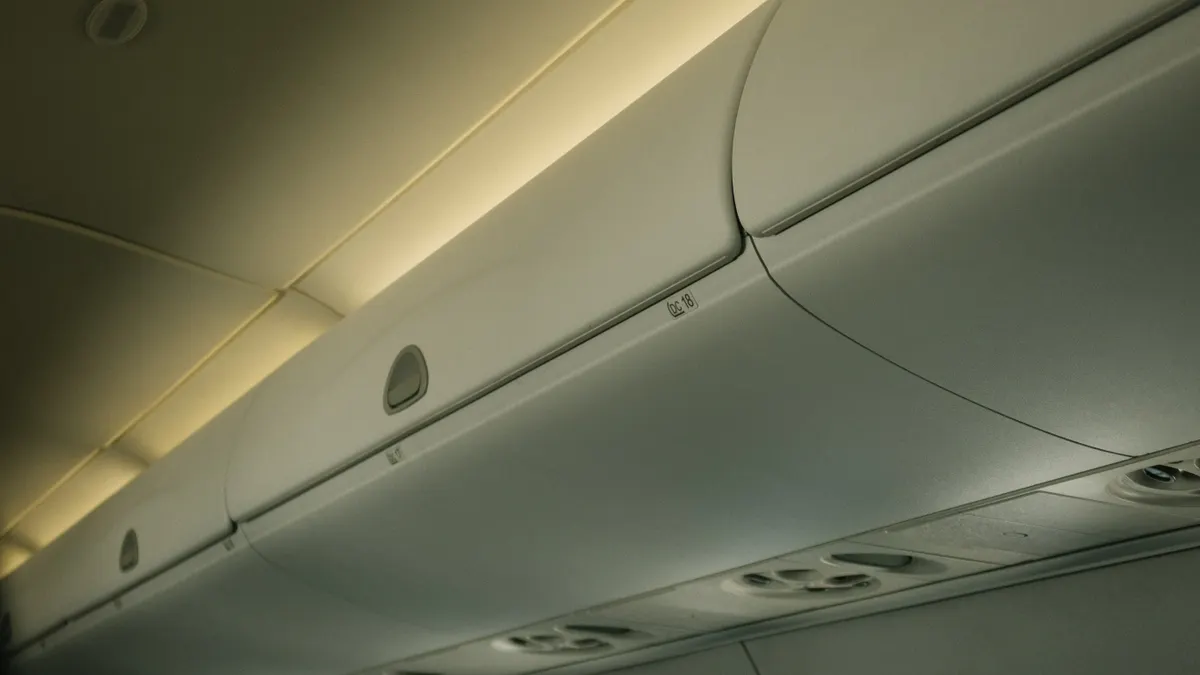
A regional-friendly bag gives you fewer packing options. That is the trade-off, and pretending otherwise helps nobody. You give up some room for the chance to board without gate-check stress.
That said, the loss is often smaller than people fear. A well-packed compact carry-on can handle a change of clothes, toiletries, chargers, and one pair of shoes if you pack with discipline. What it will not do is swallow bulky winter layers, souvenirs, or a week’s worth of outfits without fuss.
Picture this: you are trying to board a short flight with a coat, work gear, and a bag that expands 1.5 inches. The bag may still be legal, but the moment the bin narrows, the expansion works against you. That extra inch is exactly where problems start.
Use these packing rules:
- Put heavy items low and flat so the bag keeps its shape.
- Use soft clothing around hard items to reduce bulges.
- Leave expansion zippers closed for regional flights.
- Keep one flat pocket free for travel documents and small electronics.
A smaller bag is easier to lift above shoulder height, which matters when the aisle is tight and the bin sits higher than your reach.
Common mistakes that cause gate-check trouble
The biggest mistake is bringing a bag sized for mainline aircraft and assuming it will behave the same on a regional jet. It often won’t. That mistake can cost you time at the gate, a forced check, and the hassle of waiting at baggage claim.
A second mistake is trusting the label on the bag more than the real shape of the bag. A “carry-on” label tells you very little if the wheels, handles, and pockets add bulk. The actual outer dimensions are what matter.
A third mistake is choosing a tall spinner because it looks neat in the store. On a smaller plane, height is often the enemy. A bag that stands upright nicely in a showroom can be a poor fit in a low bin.
Common errors and what they cost:
- Oversized shell: more gate-check risk.
- Expansion left open: less clearance in the bin.
- Bulky pockets: snagging and wasted space.
- Relying on brand labels: false confidence.
The fix is simple: measure the outer shell, check the full shape, and favor compact suitcase dimensions over maximum packing space.
What to look for on the tag and product page
A useful product page tells you the bag’s full exterior size, not just the interior volume. That number is the one to trust. If a listing buries the dimensions or only shows a fashionable photo, move on.
Look for these details:
- Exact external measurements in inches or centimeters.
- A low-profile body instead of a tall, boxy shell.
- Minimal protruding parts around the wheels and handle.
- A structure that does not balloon when half full.
- A size description that mentions regional or small-aircraft use, not just general travel.
Some bags also note that they are built to fit under tighter airline rules. That is not the same thing as fitting most regional airplanes, but it can be a useful clue. Still, the final check is always the outer dimensions.
A good product page should answer one question fast: can this bag stay compact on a plane with smaller overhead bin dimensions? If the answer is hard to find, the bag is probably designed for a different kind of trip.
Regional-airplane carry-on luggage: what to choose first
Regional-airplane carry-on luggage should be the bag you reach for when the route is likely to use a smaller jet. The safest first choice is a compact, soft-sided bag with modest depth and no risky expansion.
Picture this: you fly a mix of mainline and regional routes in the same month. One bag has to do both jobs. That bag should sit closer to the regional end of the size range, even if that means giving up a little packing room.
Use this order of priorities:
- Fit first. The bag must be small enough for tight bins.
- Shape second. Low, flat, and rounded edges are easier to stow.
- Weight third. A lighter bag is easier to lift overhead.
- Extras last. Pockets, expanders, and hard shells only help if the bag still fits.
The right bag for a regional airplane is not the biggest legal bag. It is the bag that can disappear into a smaller bin without a fight.
For readers comparing bag types across airline rules, the broader carry-on size rules and fit guide is the right place to cross-check measurements and policy language. You can also compare regional airplane carry-on luggage with carry-on size rules and fit before you decide.
Key Takeaways
- Regional jets leave less room than larger narrow-body planes, so bag shape matters as much as size.
- A shorter, slimmer bag is safer than a full-size carry-on with a hard shell.
- CRJ jets and ERJ jets are the routes where oversize luggage causes the most friction.
- Expansion zippers, bulky pockets, and tall spinners are common trouble spots.
- The best regional-plane bag is the one that fits with margin, not the one that fills every inch.
Will a standard carry-on fit on a regional jet?
Sometimes, but not reliably. A standard carry-on may fit on some regional airplanes and fail on others, especially when the aircraft is a CRJ or ERJ with tighter overhead bin dimensions. The safest move is to assume less room than you get on a mainline jet and choose a more compact bag.
What size bag is safest for smaller planes?
A smaller, compact suitcase is safest. A bag that stays well below the usual full-size carry-on profile gives you more room for the bin opening, the wheel housing, and any awkward loading angle. Soft sides and a shorter height help more than a rigid, tall case.
How do I choose a carry-on for short aircraft?
Choose a bag by outer dimensions, not by brand label or interior volume. Start with the smallest route you expect to fly, then pick a bag that stays compact, has minimal bulk around the wheels, and can handle tighter overhead bin dimensions without expansion. If the bag only works when packed lightly, it is a risky choice for regional travel.
Drafted with AI; not yet reviewed by a person.




Leave a Reply