
Last updated: November 18, 2026
Quick answer: measure the suitcase from the floor to the highest point, side to side, and front to back — including wheels and handle if they stick out — then compare those three numbers with the airline size limits. This guide on How to Measure a Carry-On Suitcase Correctly settles the part people miss most: what counts in the measurement, where to place the tape, and how to check the bag before you fly.
Key Takeaways
- Measure the bag’s outside shell, not the space inside.
- Count wheels, handles, and any hard bump that changes the outline.
- Measure upright on a flat floor, touching the outermost points.
- The tag is only a guide unless it matches the airline’s limit.
Measure the bag the way airlines measure it
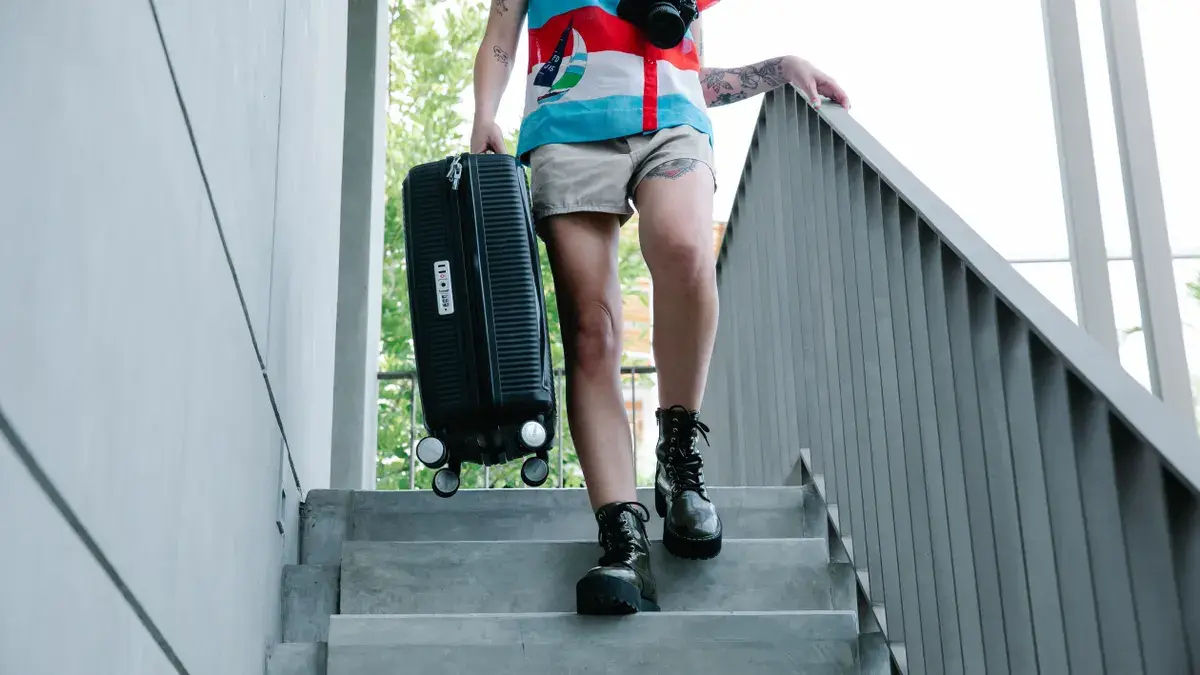
The correct method is to measure the full outer shell, not the packing space inside. If a wheel or handle sticks out, it counts in the outside size you show at the gate.
Picture this: you’re standing in a bedroom with a measuring tape, your suitcase upright, and a flight in 24 hours. You don’t need a fancy tool; you need the right reference points and a steady hand.
Use a measuring tape, a flat floor, and the bag in its normal shape.
- Put the suitcase upright on the floor.
- Measure height from the floor to the highest point.
- Measure width across the widest side.
- Measure depth from front to back, including bulges.
That seems simple. It is, until the wheels and telescoping handle get ignored.
Airlines usually care about the outside profile, not the packing volume. A bag that looks small inside can still fail size checks if the shell is thick, the base is tall, or the handle housing adds extra inches. For a broader rule set on fit, the hub page on Carry-On Size Rules and Fit covers airline limits and comparison points without repeating the measurement method here.
The truth is, most sizing mistakes come from measuring the soft part of the bag and skipping the hardware. That gives you a number that sounds right and fails at the gate.
What counts in carry-on suitcase measurements?
Wheels, handles, and any hard bump that changes the outside shape count in the measurement. The inner lining does not.
Picture this: you’re looking at two bags that seem the same size on a store shelf. One has low-profile wheels and a flat top handle; the other has chunky spinner wheels and a tall pull handle. They will not measure the same, even if the storage space inside feels close.
Use the bag as it will travel.
- Count wheels if they extend below the shell.
- Count the top handle if it rises above the body.
- Count the side handle if it adds width or depth.
- Count exterior pockets only if they change the overall shape.
A soft-sided case can be trickier than a hard shell. The fabric may compress, but the tape measure should still follow the bag at its fullest usable shape. If the front pocket swells when packed, measure that bulge too.
Some shoppers also confuse packing capacity with airline compliance. A 40-liter bag can still be too tall for one carrier, while a slimmer 38-liter bag can pass easily. The liter number tells you about volume, not fit under a 22 x 14 x 9 rule.
Volume and dimensions are not the same thing.
If the listing gives only liters and no outer measurements, treat it as incomplete for flight use and check the airline rule or ask the retailer for the outside dimensions before you trust it for a trip. For route-specific limits, the airline’s baggage page and the IATA guidance are the safest places to verify current rules.
How do I measure a carry-on suitcase correctly?
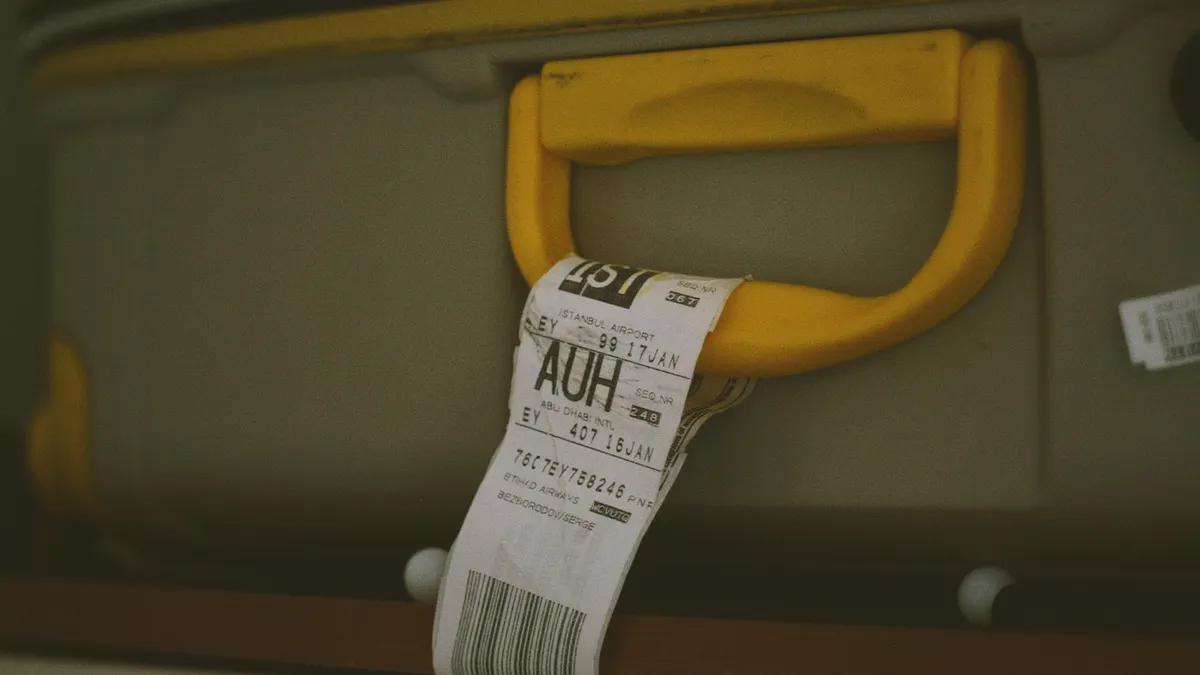
You measure it upright, on a flat surface, with the tape touching the outermost points of the bag. That is the version that matches airline checks best.
Picture this: you’re in the hallway with a tape measure in one hand and the suitcase in the other, trying to avoid guesswork before a morning flight. The job is simple if you do it in the same order every time.
-
Place the suitcase on a level floor with the wheels down.
A carpet can sink under a soft bag and hide a small mismatch. -
Extend the handle only if the airline counts the bag with the handle closed.
For standard carry-on sizing, measure the bag in travel mode, then include the handle housing if it stays part of the outer shape. -
Measure the height from floor to the highest point.
This is usually the top handle or extended shell edge, and it gives you the tallest number. -
Measure the width across the widest side.
Keep the tape straight, not angled around the curve. -
Measure the depth from front to back.
Include wheel housings and any front pocket that sticks out. -
Write down all three numbers in the same unit.
Inches are common for airline rules in the U.S.; centimeters are common on many international routes. -
Compare the full set with the airline rule before you pack.
If the bag is close, assume the airline may check the external shape, not your estimate.
A single clean measurement session is usually enough to avoid most surprises.
A second pass helps if the bag is soft-sided or overpacked. A zipper strain can add depth, and a full front pocket can make the bag wider than it looked empty. If the numbers are near the limit, measure again with the bag packed as you will actually fly.
For a related packing check, see the carry-on packing checklist before you zip the case shut.
Airline size limits: why the numbers on the tag can mislead you
The tag on the bag is only a guide unless it matches the airline’s published limit. A label that says “carry-on approved” does not guarantee every carrier will accept it.
Picture this: you’re comparing a suitcase label to an airline website and the numbers do not line up. That gap matters, because airline limits vary by carrier and sometimes by cabin class.
Check the airline’s published dimensions, then compare your outside measurements to that rule. A bag that fits one airline can fail another by a small margin. That is especially common on budget routes, where limits can be tighter and the gate check line moves faster. On some airlines, carry-on limits are listed in inches; on others, they are listed in centimeters.
Here’s the catch: airlines can measure the bag with wheels and handle included, even if product pages don’t. If your bag is right on the edge, leave room for the parts that stick out. A few millimeters can decide whether it goes in the overhead bin or in the hold.
Use the airline’s own guidance as the final check. Two reliable sources worth consulting are the airline’s baggage page and the International Air Transport Association, which publishes baggage and travel guidance for airlines and travelers. Those pages are the place to verify a specific route’s current limits.
A bag that passes the dimension rule still may not be a good fit if it is heavy when packed. Size and weight are separate checks, and some carriers enforce both. For planning, compare your bag against the airline’s cabin baggage page before you leave home.
Dimensions vs packing capacity: why liters can fool you
A suitcase’s liters tell you how much it holds, not whether it will pass a size check. The outer dimensions decide that.
Picture this: you’re choosing between two bags that both claim roomy storage. One is boxy and tall; the other is slimmer with better space use. The one with fewer liters can still be easier to fly with if it meets the airline’s outer limit.
The difference shows up in how the bag is built. Thick foam, tall wheels, and a large handle frame can eat into size compliance without giving you much extra packing space. On the flip side, a well-shaped interior can hold more than it looks like it should.
Use liters as a comfort clue, not a flight rule.
- More liters can help on longer trips.
- Fewer outside inches can help at the gate.
- A bag that packs well can still be too big.
- A slim bag can still feel roomy if the shape is efficient.
This matters most for hard-shell bags with deep corners and for soft bags with expanding pockets. A packed exterior can push the depth over the limit even when the interior still has room left.
Not all travelers need the biggest legal bag. If your flights are strict, the better move is a slightly smaller outside size with a shape that stays predictable when packed. That choice is often better than chasing the largest number of liters.
For a tighter match, compare liters with the airline’s listed carry-on dimensions on the same page, not on the product box.
Common mistakes that cause a bad measurement
The usual error is measuring the empty bag, not the bag as it will fly. The second usual error is forgetting the tallest part.
Picture this: you’re finished packing and the suitcase looks neat, but the numbers were taken before the bag was full. That is where a lot of airport problems begin.
Avoid these mistakes:
- Measuring the inside cavity instead of the outside shell.
- Ignoring spinner wheels that add height or depth.
- Measuring with the handle retracted when the handle frame still counts.
- Squeezing the bag flat while measuring, then packing it fuller later.
- Using a soft wall or carpet that hides the real base height.
Each one costs you confidence. The worst case can be a bag that looked compliant at home and gets flagged at the gate. The fix is simple: measure the bag in the state you will actually carry, with the same pockets zipped and the same wheels attached.
A rigid suitcase is easier to size because it holds its shape. A soft-sided bag needs more care because fabric can give a little in one spot and bulge in another. Measure the widest and deepest points, not the neatest points.
If the airline rule is written as a three-number limit, write your bag numbers the same way: height, width, depth. That makes comparison faster and keeps you from mixing up the order.
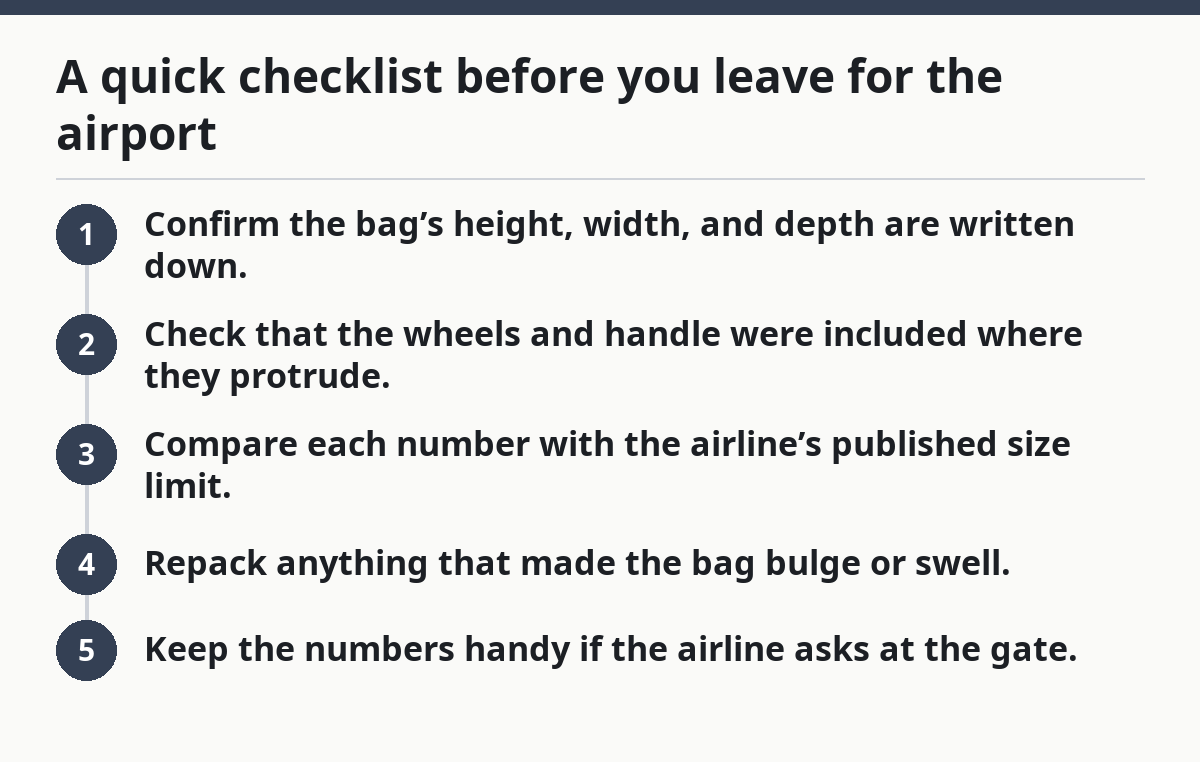
A quick checklist before you leave for the airport
The final check is a three-number match between your bag and the airline rule. If one number is over, the bag is a risk.
Picture this: you’re at the door with your boarding pass, and you want one last look before you roll out. This is the moment to confirm the measurement you wrote down earlier.
Use this last-pass checklist:
- Confirm the bag’s height, width, and depth are written down.
- Check that the wheels and handle were included where they protrude.
- Compare each number with the airline’s published size limit.
- Repack anything that made the bag bulge or swell.
- Keep the numbers handy if the airline asks at the gate.
If the bag is barely over, repacking can sometimes fix the issue. Remove hard items from the outer pockets, flatten bulky clothing, or move weight into a personal item if the airline allows one. If the bag still exceeds the rule, it is better to know before the airport than during boarding.
That is the point of measuring correctly: fewer surprises, fewer gate-side arguments, and a bag that fits the trip you booked.
What is the safest way to measure a carry-on suitcase?
The most reliable way is to measure the bag upright on a hard floor and include any part that sticks out, such as wheels and a top handle. Use the airline’s own size rule as the final comparison. If the bag is soft-sided, measure it in the shape it will have when packed.
Do wheels count in carry-on measurements?
Yes, wheels count when they change the bag’s outside size. If the wheel base extends below the shell or adds depth, include it in the measurement. A lot of bags fail because the wheels were left out of the number at home.
Do handles count in carry-on measurements?
Yes, handles count if they add to the suitcase’s outside dimensions. A top pull handle, a side grip, or the handle housing can all affect the final size. Measure the bag in travel form and use the highest point as part of the height.
How do I measure luggage for airline rules?
Measure the full outside of the suitcase in height, width, and depth, then compare those numbers to the airline’s published limit. Keep the bag upright on a flat floor, and include any bulge, wheel, or handle that changes the shape. If the bag is close to the limit, measure it again after packing.
Drafted with AI; not yet reviewed by a person.




Leave a Reply