
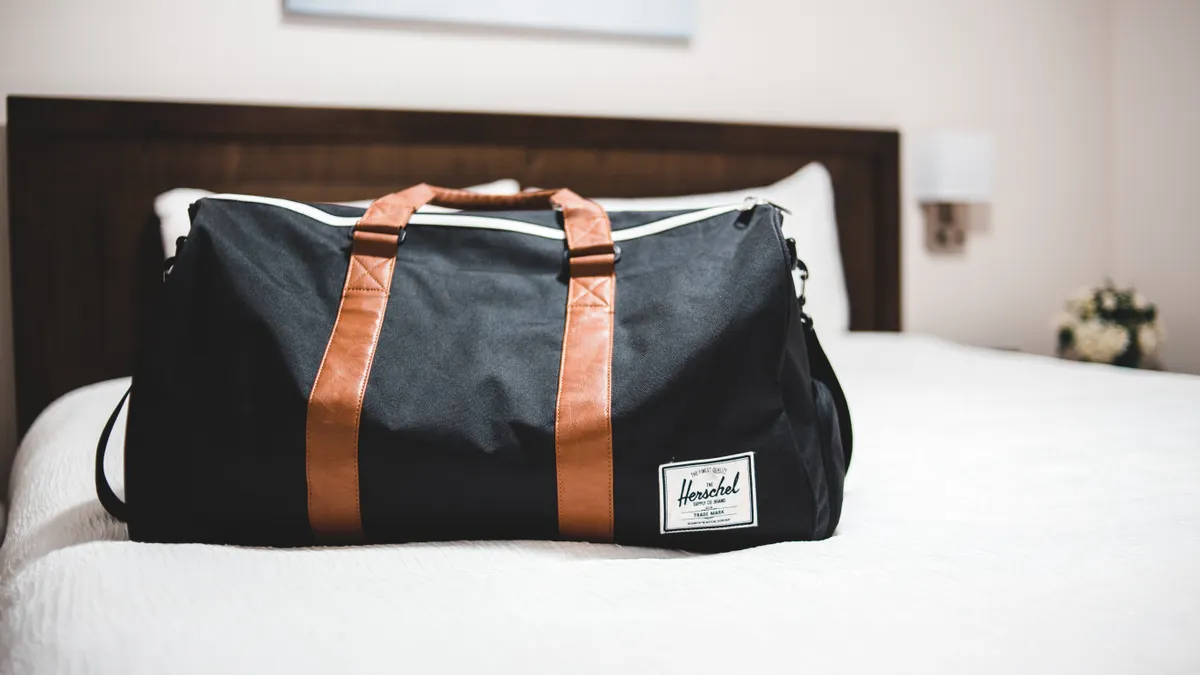
Last updated: November 18, 2026
Key Takeaways
- Personal-item-sized luggage works best when it matches airline under-seat space before the packing plan.
- For a personal-item-only trip, pack around three zones: clothes, tech, and small essentials.
- A good underseat bag stays low-profile, opens easily, and keeps its shape through a full travel day.
- The right bag style depends on how much gear you carry and how often you need it in flight.
Best Carry-On Luggage for Personal Item-Only Packing comes down to fit, access, and structure. Personal item-only packing is hard because the bag has to fit under the seat and still hold real travel gear. The best choice is usually a personal-item-sized bag with a wide opening, a laptop sleeve, and soft sides that waste no space. In short: the right under-seat bag depends on how much structure, access, and organization you need.
Our Top 3 Picks at a Glance
- #1 Best Overall: A personal item bag with clamshell access and enough internal organization for one-bag packing
- #2 Best Budget Pick: A simple underseat bag with a big main compartment and fewer pockets
- #3 Best Heavy-Duty / Upgrade Pick: A more structured personal-item-sized luggage piece with a laptop sleeve and tougher materials
| Product / Option | Best For | Core Spec | Standout Feature | Action |
|---|---|---|---|---|
| Best Overall: Personal-item-sized clamshell bag | Travelers who pack clothes, tech, and toiletries in one bag | Under-seat size; clamshell opening | Easy packing cubes access without digging | Choose if you want the most balanced all-around option |
| Best Budget Pick: Simple underseat duffel | Light packers who want a basic personal item bag | Soft-sided construction | Less weight, fewer parts, easier stowage | Choose if you can live with less organization |
| Best Heavy-Duty / Upgrade Pick: Structured underseat roller | Business travelers with a laptop and fragile gear | Built-in frame or shell style | Better protection for electronics | Choose if you value structure over squeeze-anywhere flexibility |
Personal-item-sized luggage: what actually works
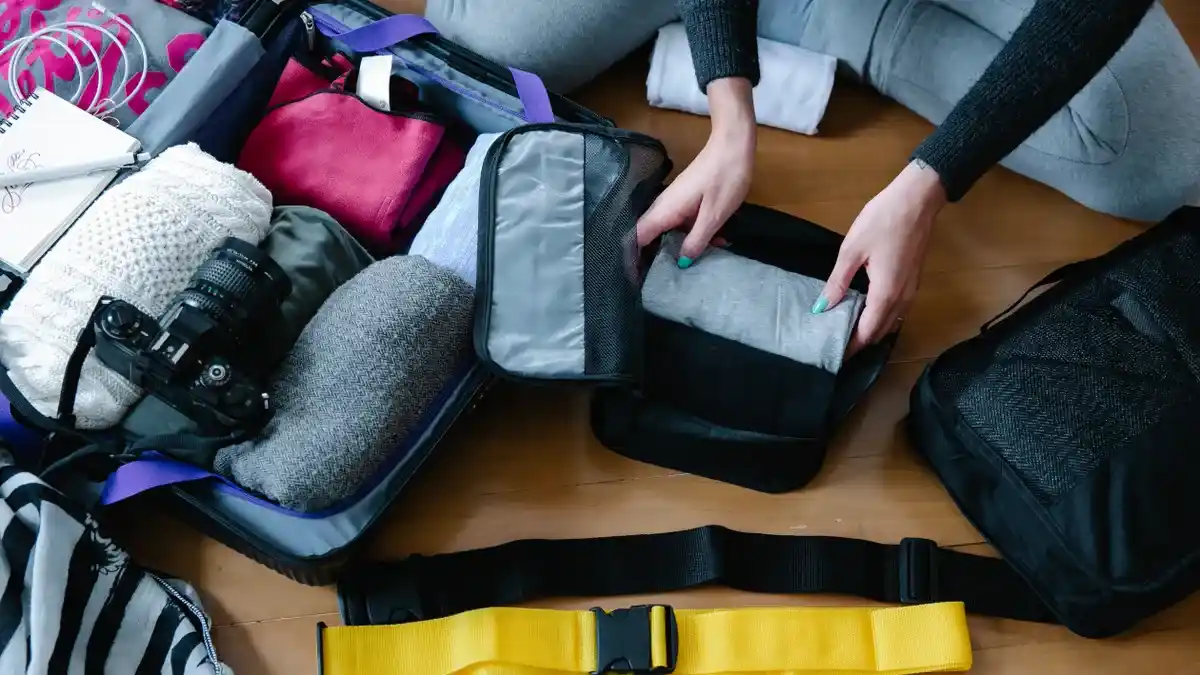
Personal-item-sized luggage works best when it is sized for the airline under-seat space first and the packing plan second. If the bag is too rigid, too tall, or too deep, it turns a simple trip into a gate-check gamble.
The goal is under-seat fit, not max volume. That means a bag with a slim profile, a wide opening, and enough structure to hold shape without becoming a hard shell that fights the seat in front of you. Soft-sided bags usually win here because they compress better than a fixed case.
Use these features as your filter:
- A body that stays close to under-seat size rules
- A main compartment that opens flat or near-flat
- At least one quick-access pocket for passport, phone, and earbuds
- A sleeve for a laptop or tablet if you travel with tech
- Room for packing cubes or compression pouches without forcing the zipper
The mistake is buying a normal carry-on and hoping it will behave like a personal item. It won’t. A bag built for overhead bins is usually too tall or too bulky for the space under the seat.
For reference, the U.S. Department of Transportation and airline policies both make clear that cabin-bag rules vary by carrier, so exact dimensions matter more than generic “small bag” claims. That is why personal-item-sized luggage should be checked against the airline before you pack. U.S. (Source: Department of Transportation)
Best for this type of traveler
- One-bag packers going for a weekend or a short business trip
- Travelers who want to avoid checking anything
- People who need fast access to chargers, documents, and meds
- Anyone using the bag as a personal item bag rather than a main suitcase
What to skip
Skip a hard-sided spinner if you need flexibility. Skip a deep duffel with no structure if you carry a laptop or camera.
Who Should Skip This: Travelers who need to pack shoes, a jacket, and formal clothes in one bag should look at a larger carry-on guide instead.
Buy this if: you want one bag that can live under the seat and still organize tech, clothes, and toiletries.
Skip this if: you pack bulky shoes or multiple outfits and expect a rigid shell to handle it.
How do I pack for a trip with only a personal item?
You pack for a trip with only a personal item by building around three zones: clothes, tech, and small essentials. The bag works when each item has a fixed place and nothing is loose in the main compartment.
Here’s the catch: the order matters. If you throw in the big items first, the small ones vanish into the corners. Start with the flatter pieces, then fill the voids with softer items.
Use this simple method:
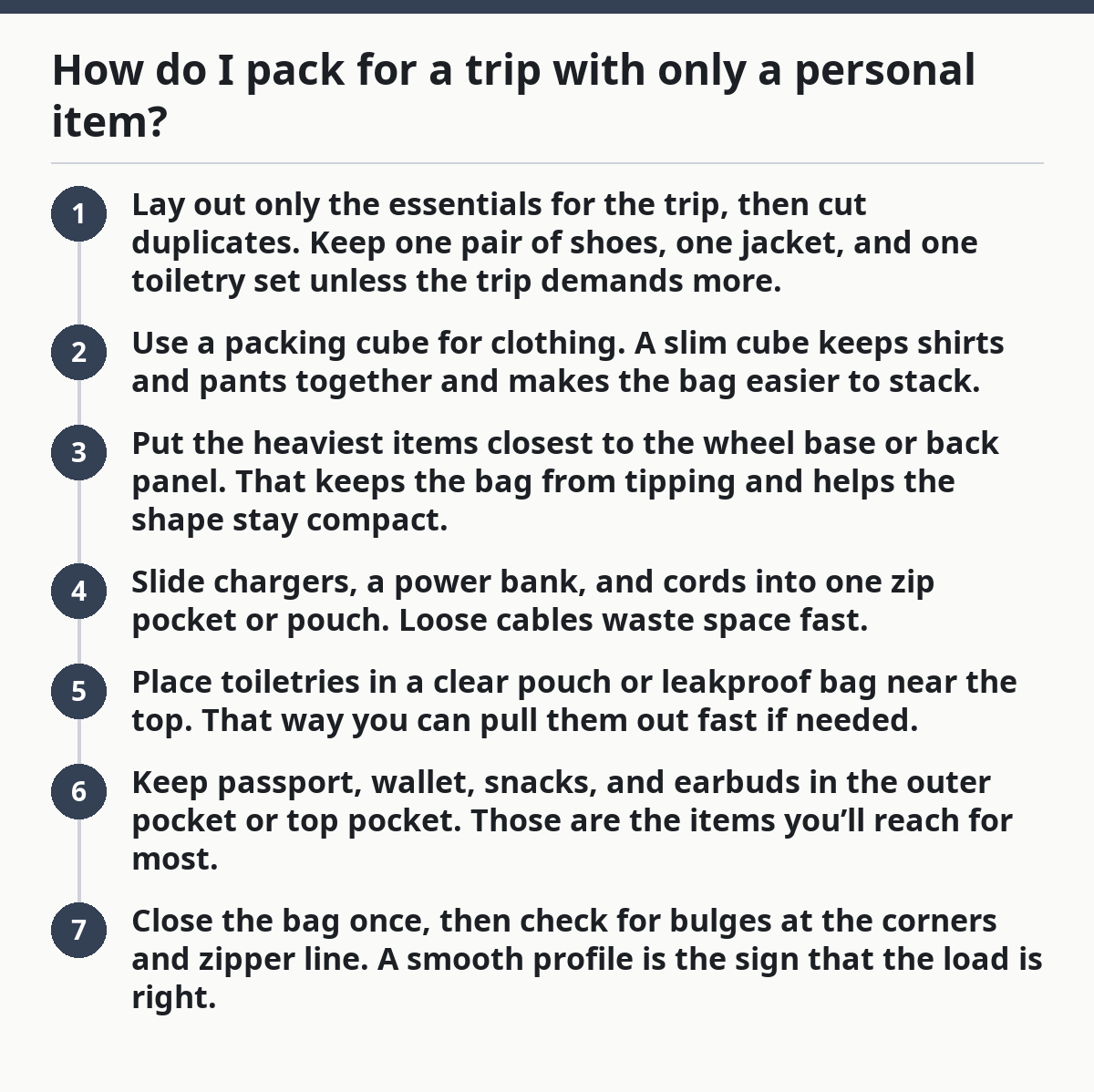
- Lay out only the essentials for the trip, then cut duplicates. Keep one pair of shoes, one jacket, and one toiletry set unless the trip demands more.
- Use a packing cube for clothing. A slim cube keeps shirts and pants together and makes the bag easier to stack.
- Put the heaviest items closest to the wheel base or back panel. That keeps the bag from tipping and helps the shape stay compact.
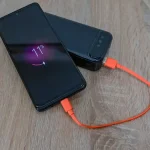
- Slide chargers, a power bank, and cords into one zip pocket or pouch. Loose cables waste space fast.
- Place toiletries in a clear pouch or leakproof bag near the top. That way you can pull them out fast if needed.
- Keep passport, wallet, snacks, and earbuds in the outer pocket or top pocket. Those are the items you’ll reach for most.
- Close the bag once, then check for bulges at the corners and zipper line. A smooth profile is the sign that the load is right.
A personal-item bag usually works best when clothes are packed tight and soft. Compression pouches help more than bulky organizers because they reduce dead air without adding much weight.
The biggest packing loss is overfilling the front pocket. That steals room from the main compartment and creates a lopsided bag. Keep the pocket for flat items, not bulky extras.
Good add-ons for this method:
- 1 packing cube for tops
- 1 compression pouch for socks and underwear
- 1 slim toiletry kit
- 1 cable pouch
- 1 lightweight tote for spillover use at the destination
If the bag still feels crowded, remove one category rather than cramming harder. A tight zipper is a warning, not a challenge.
What are the best features in an underseat bag?
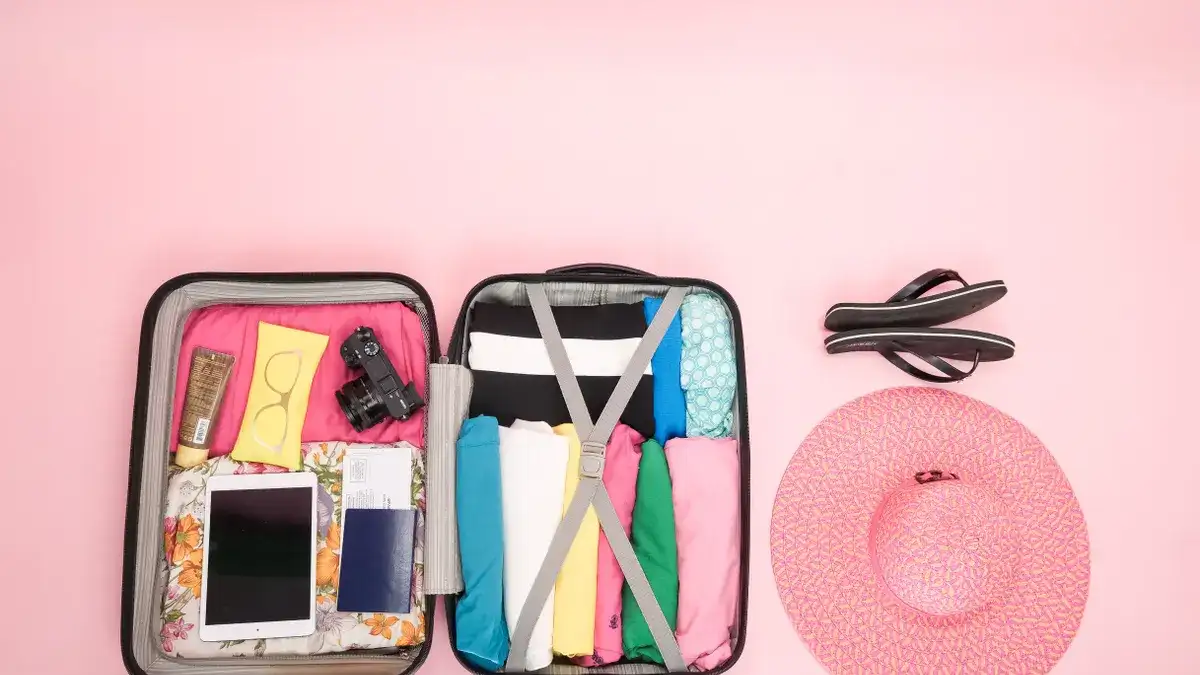
The best underseat bag has a low profile, easy access, and enough structure to survive a full travel day. If a bag looks smart but slows you down at security, boarding, or on the plane, it fails the real test.
You want a bag that opens fast and closes cleanly. Clamshell designs help because they let you see the full load at once. On the flip side, they need careful packing or the contents spill when opened on a small tray table.
Key features worth paying for:
- Wide opening: easier to pack cubes and find items
- Laptop sleeve: protects electronics and speeds up security
- Outer pocket: good for boarding pass, passport, and snack items
- Soft sides: easier to fit under different airline seats
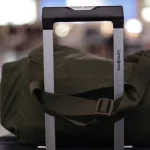
- Trolley sleeve: useful if you also travel with a larger suitcase later
- Water-resistant fabric: helps with rain and spills, even if it is not fully waterproof
The trade-off is simple. More structure gives better protection, but less squeeze. Less structure gives more flexibility, but weaker support for a laptop or fragile gear.
According to TSA guidance, travelers should keep electronics accessible for screening, and that makes a dedicated sleeve or quick-access section more useful than a bag filled with loose items. TSA
What a generic article gets wrong
It acts like any “small bag” will do. It won’t. A tote can be fine for a light flyer, but it can become a mess if you carry a laptop, charger brick, earbuds, and a change of clothes.
Another mistake is treating pockets as a bonus. For personal-item-only packing, pocket layout is part of the capacity, and a poor setup can make the bag harder to use. If you have back, shoulder, or mobility concerns, it is worth checking with a clinician about what style is safest for your body, since load and carry method can affect comfort. Two bags with the same volume can feel totally different if one has better access and smarter zones.
Best fit by need
- Max organization: clamshell underseat bag
- Best squeeze fit: soft-sided duffel
- Best laptop protection: structured underseat roller
- Best lightest load: minimal personal item bag
Which bag style should you choose for one-bag travel?
The right bag style depends on how much gear you carry and how often you need it during the flight. A one-bag trip is easier when the bag matches the trip, not your wishlist.
Picture this: you’re boarding with a laptop, headphones, a charger, two outfits, and toiletries. A bag that opens flat will save time. Now picture a light weekend trip with one sweatshirt and a book. A simple underseat bag is enough.
Here’s how the main styles compare:
Clamshell personal item bag
Best for travelers who pack clothes in cubes and want easy access to everything.
- Pros: opens wide, great for packing cubes, easy to sort
- Cons: can spill open in tight spaces, usually needs more careful packing
- Who should skip it: travelers who want a bag they can yank open one-handed
Soft-sided underseat duffel
Best for minimalist travelers and short trips.
- Pros: flexible, lightweight, easier to squeeze under seats
- Cons: less protection for tech, can become a black hole without inner pockets
- Who should skip it: anyone carrying a laptop without a sleeve
Structured underseat roller
Best for business travel and fragile electronics.
- Pros: better shape, better protection, easier to roll through terminals
- Cons: less flexible under tight seats, heavier than a soft bag
- Who should skip it: travelers who need to stuff the bag into a tight space fast
Backpack-style personal item bag
Best for travelers who want hands-free movement and quick access.
- Pros: easy to carry, good for stairs and transit, usually comfortable
- Cons: can be awkward to pack flat, may waste internal space if overbuilt
- Who should skip it: travelers who want the cleanest possible access to packed clothing
The best part? You do not need the biggest model. You need the right shape for your packing style and the airline’s under-seat size rules. For travelers choosing between styles, airline baggage pages are the best place to confirm limits before buying; Alaska, Delta, and Southwest all publish specific personal-item guidance. (Source: Alaska Airlines, Delta Air Lines, Southwest Airlines)
Packing cubes and compression pouches for personal item bags
Packing cubes and compression pouches help most when the bag is soft-sided and the load changes from trip to trip. They make personal-item-only packing cleaner, faster, and easier to repack at the hotel.
Use a packing cube for items you want grouped by type. Use a compression pouch when you need to shrink soft items like shirts, underwear, or activewear. The difference matters because compression pouches reduce bulk more aggressively, while cubes focus on organization.
A smart setup usually looks like this:
- One cube for shirts
- One small cube or pouch for underwear and socks
- One pouch for toiletries
- One cable pouch for tech
- One flat sleeve for documents or a book
Do not overpack every pouch. That ruins the point. A stuffed cube can be harder to fit than loose folded clothing, especially in a small personal item bag.
The best travel setup keeps the bag modular. That means you can remove one cube and still have a workable layout. It also makes hotel unpacking faster because each category has its own container.
What to watch out for
Compression pouches can wrinkle clothes more than cubes. They also push the bag into odd shapes if you pack them unevenly. If your bag has a thin laptop sleeve, don’t force a thick cube against it.
If you care about quick access, put the tools you use most near the opening:
- passport and wallet on top
- charger in the outer pocket
- tablet or laptop in the sleeve
- medication and snacks where you can reach them without unpacking the whole bag
That small habit saves time at security and on the plane. It also keeps a personal item bag from feeling like a tiny junk drawer.
What should you avoid when buying a personal item-only bag?
You should avoid bags that solve one problem by creating two more. A big-looking personal item bag that fails size checks is useless, and a tiny bag with no layout will slow you down every day of the trip.
The worst mistakes are easy to spot once you know them:
- Too much depth: the bag may fit your stuff but fail under-seat fit
- Too many compartments: every pocket steals space from the main body
- Hard shell with no give: great for protection, bad for under-seat flexibility
- No laptop sleeve: risky if you travel with electronics
- Weak zipper path: a full bag needs a zipper that closes cleanly, not one that catches
A lot of buyers focus on volume alone. That misses the point. The real question is whether the bag’s shape matches the seat space and your packing method.
Another common miss is buying a fashionable tote that has no structure. It may look clean, but it can slump, spread, and make boarding a chore. A small bag with poor organization often feels smaller than it is.
According to the FAA, carry-on and personal-item limits are set by the airline and aircraft configuration, so the safest buy is the one that still fits the strictest version of your route. FAA
Better choice for most people: a soft-sided personal item bag with a wide opening and one or two smart pockets. It’s the safest middle ground for under-seat packing.
Skip it if: you need a hard case, a suitcase handle stack, or room for bulky items like boots and thick layers.
The Verdict: the best carry-on luggage for personal item-only packing
The best carry-on luggage for personal item-only packing is really the best personal-item-sized luggage for your trip style, and that usually means soft sides, a smart opening, and enough organization to replace a bigger bag.
If you want the safest all-around pick, choose a clamshell personal item bag. It gives you the best balance of structure, access, and packing cube support. If you travel light and want less weight, a simple underseat duffel is enough. If you carry a laptop or fragile gear, a structured underseat roller makes more sense, even with its space trade-off.
Use this rule of thumb:
- Choose soft and flexible if your main goal is fit
- Choose structured and protected if your main goal is gear safety
- Choose organized and flat-opening if your main goal is one-bag travel
Drafted with AI; not yet reviewed by a person.

Leave a Reply