
Last updated: November 18, 2026
Quick answer: a carry-on is scratch-resistant when its shell finish, texture, and coating hide scuffs better than a smooth gloss. Your scratch-resistant carry-on luggage stays looking cleaner because of those surface choices—not because scratches stop happening.
In short: scratch resistance is mostly about hiding scuffs, slowing surface wear, and using a shell that does not show every mark.
The sections below explain what matters, what does not, and why one bag can look new after a trip while another looks beat up.
What makes a carry-on scratch-resistant?
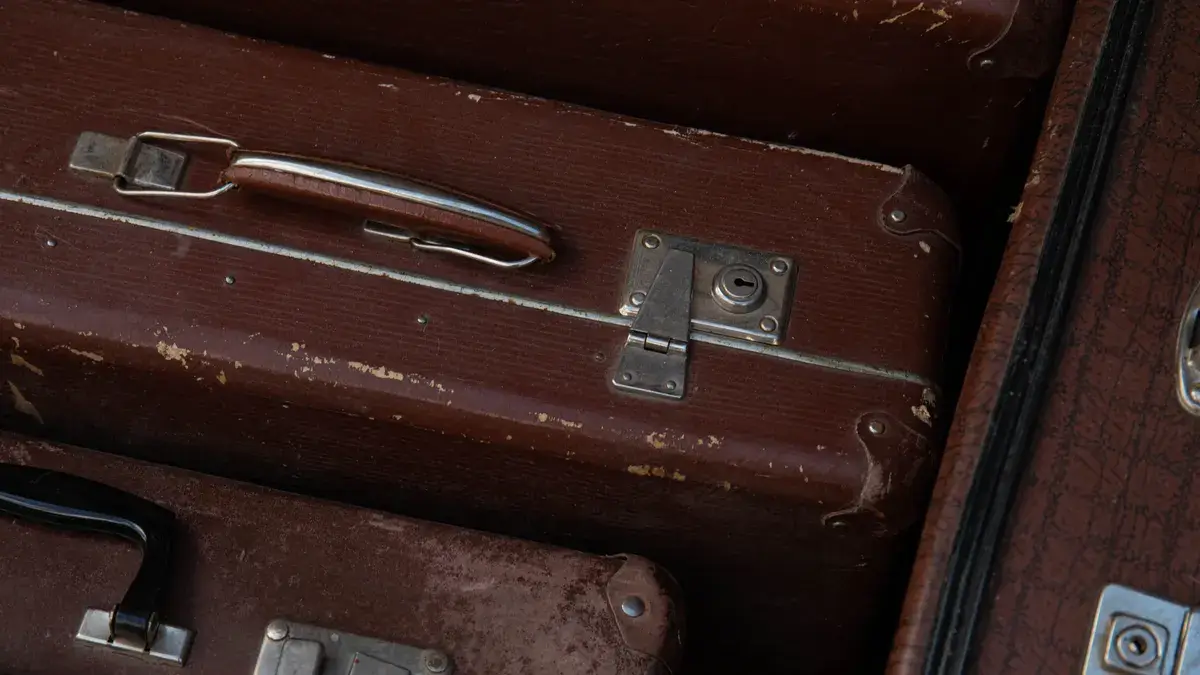
A carry-on scratch-resistant shell is made to hide scuffs, not erase them, and that difference matters the first time it goes through a baggage bin or overhead scrape. The shell’s finish, texture, and coating decide how much damage you notice, especially on a glossy surface.
Picture this: you lift your bag into a bin, it brushes a hard edge, and the shell comes out with a pale line. On a smooth finish, that line stands out fast; on a textured shell, it blends in. That is the whole game.
- Textured shells break up light, so small marks are harder to spot.
- Matte finishes usually hide hairline scuffs better than high gloss.
- Hard coatings can slow visible wear, but they do not make a shell invincible.
A better way to think about scratch resistance is as a visibility problem more than a strength contest. A shell can be tough and still show marks. A softer-looking finish can seem cleaner after the same trip because it hides those marks better.
The same logic applies to carry-on shell finish across different materials. A bag with a deep texture often looks newer longer than a shiny one, even if both get the same abuse. That is why product pages often overpromise. They talk about durability, but what you usually notice is appearance after contact.
- A shell can resist deep gouges and still show light scuffs.
- A bag can pick up marks that wipe off, while another keeps permanent gray streaks.
- A scratch-resistant look often comes from how the surface reflects light.
If you want the broader material picture, the hub on Luggage Materials and Durability covers the bigger trade-offs between shell types. This page stays focused on the surface itself.
Which shell materials hide scratches best?
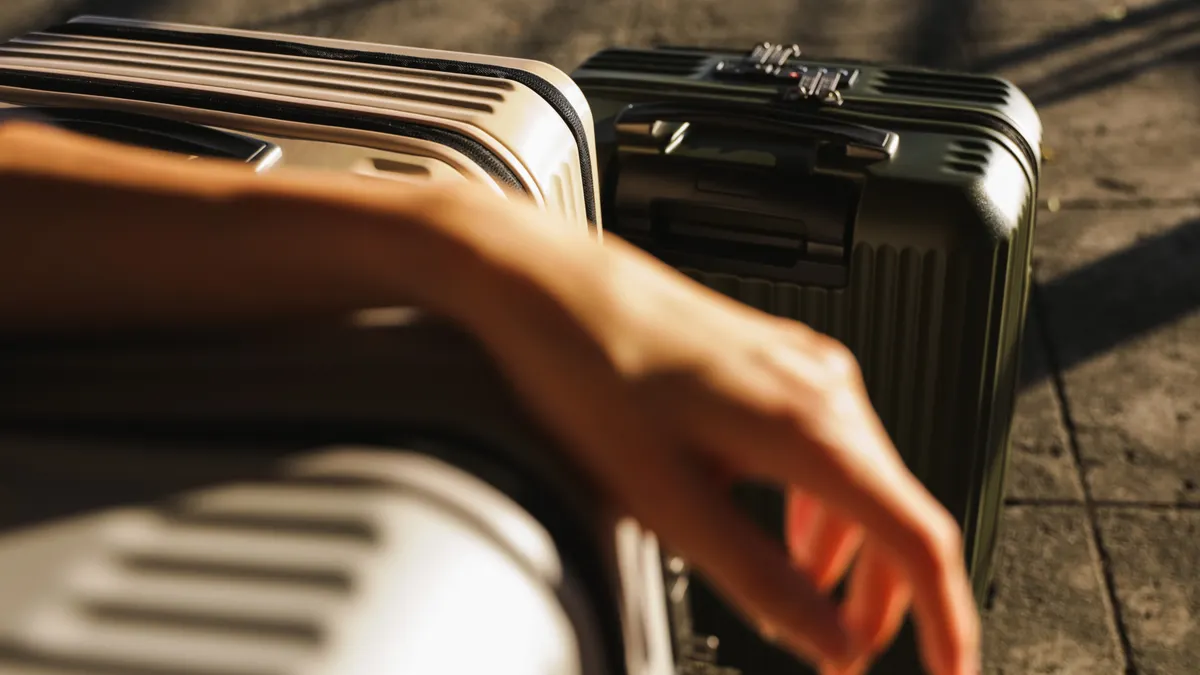
Textured polycarbonate usually hides scuffs best for most people. It gives you a hard shell with a surface that breaks up light, so the small white marks that show on glossy luggage stay less visible.
Picture this: you want a bag that still looks decent after a week of gate checks, floor slides, and overhead bin bumps. The shell material matters, but the finish on top of that material matters just as much. A good texture can do more for appearance than a thicker wall alone.
- Textured polycarbonate: common on quality hardside bags; good at hiding everyday wear.
- ABS luggage: often cheaper and can be more prone to visible scuffing when the finish is smooth.
- Aluminum luggage: resists scratches in a different way, but dents and surface marks can still show clearly.
The catch is that “scratch-resistant” gets used loosely. A vendor may mean the bag is less likely to show scratches, not that the shell is hard to mark. A textured shell can look better after use even if the underlying material is similar to a smoother version.
Here’s the part shoppers miss: ABS luggage can be perfectly fine for light travel, but it is often paired with glossy finishes that make scuffs obvious. That does not mean ABS is bad. It means the finish does some of the visual work, and not always well.
- A deep texture can mask wear better than a glossy finish on a “stronger” shell.
- A black shine can reveal white lines quickly.
- A pale matte shell may hide marks, but it can also show darker rubs more easily.
If appearance after travel matters to you, texture is the first spec I would look at. Material matters, but texture often decides what you notice at a glance.
Does texture or coating matter more than the plastic itself?
Texture usually matters more than the base plastic for everyday scuffs. A shell coating can help, but the surface pattern often does the heavy lifting when you are trying to hide abrasion.
Picture this: two bags sit side by side after the same trip. One is smooth and shiny, the other has a fine grain. The same cart scrape leaves a bright mark on one and a barely visible streak on the other. That is why surface design matters so much.
- Fine pebble texture spreads out light and reduces contrast from scratches.
- Matte or satin coating keeps the shell from flashing every mark under overhead lights.
- Glossy clear coat can look sharp in a store and unforgiving on the road.
A coating can also affect how easy it is to clean. Some finishes wipe down faster, while others hold onto gray transfer from belts, rails, or conveyor contact. That is not the same as scratch resistance, but shoppers mix those ideas up all the time. A wipeable mark is annoying; a permanent gouge is different.
The real trade-off is look versus hiding power. A smooth finish can feel more polished, but it exposes every nick. A highly textured finish can hide wear, but it may look less sleek out of the box.
- Use a matte shell finish if you care more about hidden wear than showroom shine.
- Use gloss only if you accept that marks will show sooner.
- Treat marketing phrases like “scratch-resistant coating” as a clue, not proof; if you are unsure, consult a luggage specialist or retailer and check a source such as the Samsonite luggage care guidance.
One useful standard to look for is whether the maker describes the finish in plain terms, such as textured polycarbonate or scratch-resistant shell finish. If the language stays vague, the bag may be relying on appearance alone.
How do scuff marks show up on luggage?
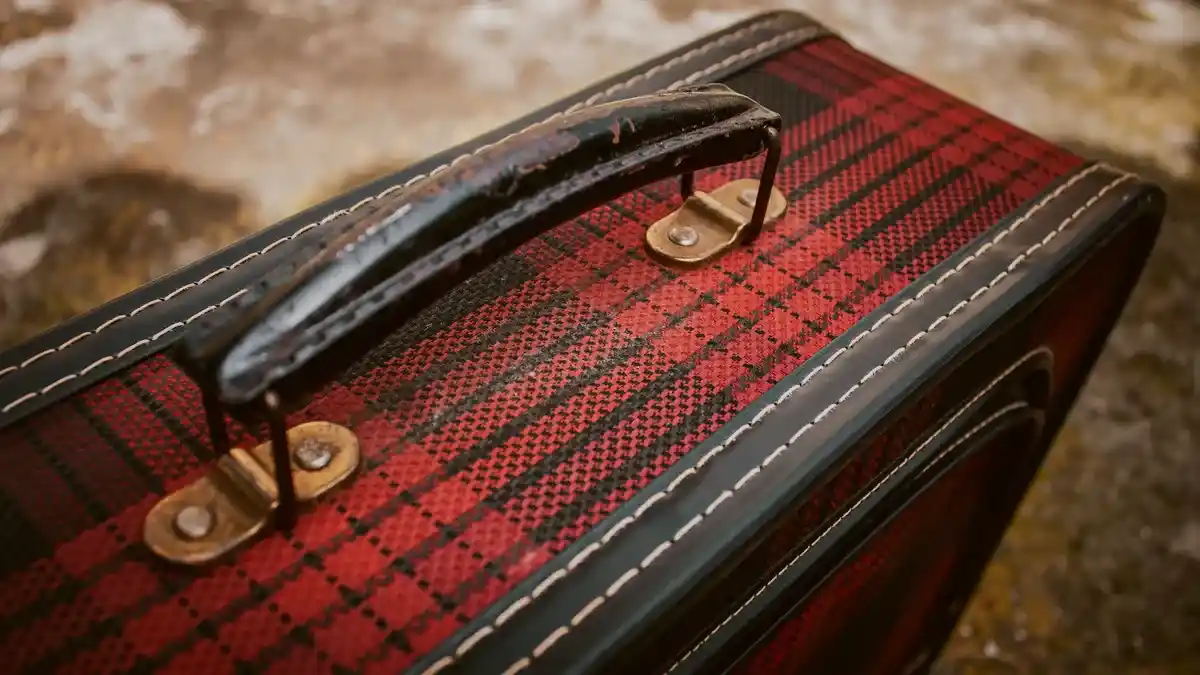
Scuff marks show up when light catches rubbed or whitened spots on the shell, and smooth finishes make them obvious. On darker luggage, the contrast can be harsher, because a pale scratch stands out against a deep color fast.
Picture this: your bag slides across a hard floor or bumps another suitcase in transit. The damage may not be a true cut. It can be a transfer mark, a rubbed patch, or a shallow scratch that changes how the surface reflects light. That’s why some marks vanish with a wipe and others stay put.
- Transfer marks come from outside material and can often be cleaned.
- Scuffs are surface rubs that may not break the shell but still look bad.
- True scratches cut into the finish and are harder to hide.
A glossy shell makes all three easier to see. A textured shell helps by scattering light across the surface, so the eye catches fewer sharp lines. That is the main reason some bags look tougher than they are. The shell may not be stronger in a structural sense. It just hides the mess better.
Color plays a role too. Dark colors, especially black and navy, often make white marks stand out. Lighter colors can disguise some wear, but they can also show dark transfer from rubber, dirt, or conveyor dust. There is no perfect color. There is only a better match for the kind of wear you expect.
- Gloss plus dark color = highest visibility of scuffs.
- Matte plus texture = better disguise for everyday rubs.
- Smooth pale shells = cleaner look at first, but still not immune.
This is where product pages mislead readers. They sell “scratch resistance” as if it were a material feature alone. It is not. It is a surface behavior.
What should you look for on a product page?
Look for the words texture, matte, satin, pebble, or grain, and treat them as more useful than vague durability claims; if the wording is unclear, consult a professional and check an authoritative source such as the Samsonite luggage care guidance. Those terms tell you more about scratch visibility than a generic promise ever will.
Picture this: you are reading a product page with big claims and no useful details. The trick is to look for the sentence that describes the shell, not the sentence that sells the lifestyle. That sentence tells you whether the bag will hide wear or advertise it.
- Look for textured polycarbonate rather than just “hard shell.”
- Look for matte or satin finish instead of “modern look.”
- Look for wording about abrasion resistance only if the surface type is also named.
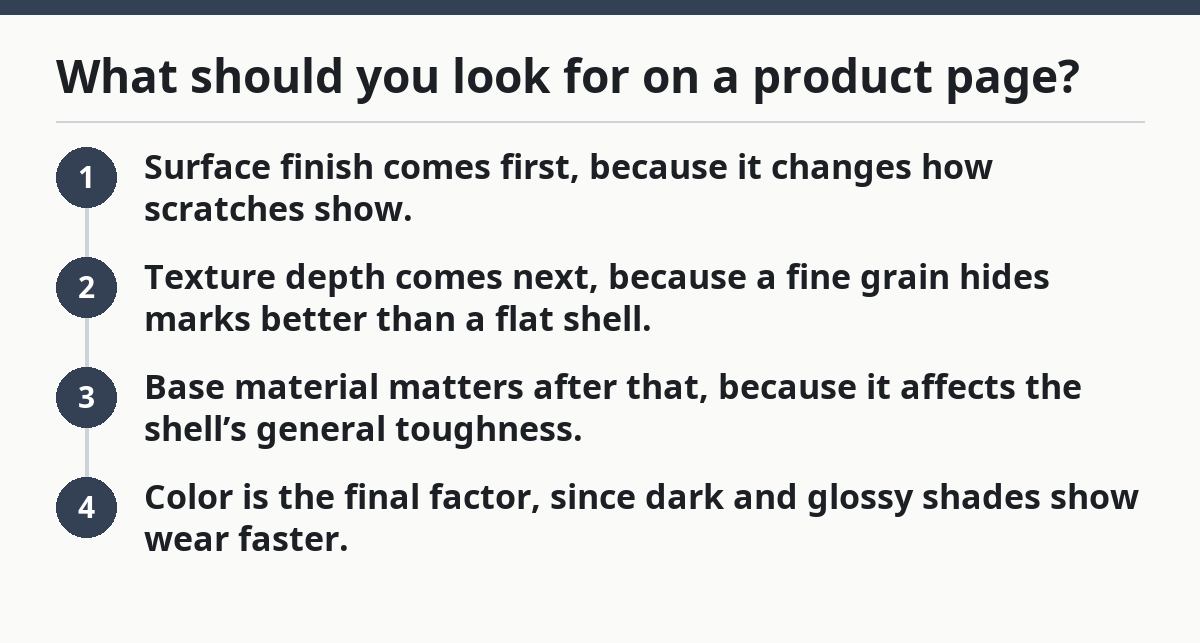
Here is a simple order of importance when you read specs:
- Surface finish comes first, because it changes how scratches show.
- Texture depth comes next, because a fine grain hides marks better than a flat shell.
- Base material matters after that, because it affects the shell’s general toughness.
- Color is the final factor, since dark and glossy shades show wear faster.
A product page that says “scratch-resistant” without naming the finish is leaving out the part you actually need. A smooth polycarbonate shell and a textured polycarbonate shell are not the same experience in the real world. The first may look cleaner in photos. The second often looks cleaner after travel.
- “Scratch-resistant” alone is weak wording.
- “Textured polycarbonate shell” is better.
- “Matte shell finish” helps you predict how it will age.
If you compare bags often, this one habit saves time: read the finish description before the size chart. The shell surface tells you more about everyday appearance than the wheel count does.
What scratch-resistant does not mean
Scratch-resistant does not mean scratch-proof. It means the shell is designed to hide or slow visible wear better than a smooth, glossy surface.
Picture this: you expect a bag to come home looking untouched, and then a metal rail leaves a mark on the corner. That is normal. Even aluminum luggage can show dings, rubs, and surface wear. A scratch-resistant finish is about managing the look of that contact, not canceling it.
That is the biggest mistake buyers make. They hear “scratch-resistant” and picture a shell that stays perfect forever. Real luggage does not work that way.
- A textured shell can still pick up marks at corners and edges.
- A coating can wear down over time.
- Harder materials can still show impact scars.
This is also why aluminum luggage deserves careful wording. It has a strong reputation, but its surface is not invisible to wear. It can dent, scuff, and show marks in a way that some travelers like and others hate. That is a style choice as much as a durability choice.
- Pick aluminum if you want a rigid, premium feel and can live with visible wear.
- Pick textured polycarbonate if you want a cleaner-looking shell after trips.
- Skip high gloss if visible scuffs bother you more than anything else.
The honest line is simple: scratch resistance is mostly a cosmetic advantage. It helps the bag look better for longer. It does not stop airport abuse. If your main goal is less visible wear, the shell finish matters more than the marketing language.
How do i hide scuffs on luggage?
You hide scuffs on luggage by cleaning transfer marks first, then using the right surface finish next time. A lot of what looks like scratches is really rubbed-on residue that comes off with a gentle wipe.
Picture this: you notice a gray streak after a trip and assume the shell is ruined. Often, it is not. The first move is a soft cloth and mild cleaner, because surface transfer can sit on top of the finish and mimic a scratch.
- Wipe the mark with a soft microfiber cloth.
- Use a mild cleaner on transfer marks, not an abrasive scrub.
- Dry the shell fully so you do not leave water spots on a matte finish.
If the mark is a real scratch, you can only hide it so much. That is where texture helps. A textured shell makes shallow wear less visible from a normal viewing distance, especially under indoor lighting. A smooth shell gives you fewer places to hide.
Some people try polish or aggressive rubbing on every mark. That can make things worse, especially on a matte or coated shell. It may brighten the spot in one place and dull the finish around it. Once that happens, the bag can look more uneven than before.
- Do not use abrasive pads on a coated shell.
- Do not assume a dark finish will conceal everything.
- Do use gentle cleaning before you call a mark permanent.
For readers who want the cleanest long-term look, the answer is prevention, not repair. Choose a finish that hides wear, then clean marks early before they set into the surface.
Key takeaways
- The best scratch resistance is usually about how the surface hides wear, not whether the bag is impossible to mark.
- Textured polycarbonate tends to hide everyday scuffs better than a smooth glossy shell.
- ABS luggage can show wear quickly if the finish is flat or shiny.
- Aluminum luggage resists some damage well, but visible marks still happen.
- A matte or satin carry-on shell finish usually hides scuffs better than gloss.
- Many “scratches” are really transfer marks that can be cleaned off.
do textured suitcases scratch less?
They usually look less scratched, even when the shell still gets marked. A textured surface breaks up light, so shallow scuffs and hairline marks are harder to see from normal viewing distance. That is why textured polycarbonate is often a better choice than a glossy shell if appearance matters after travel.
is aluminum luggage scratch resistant?
Aluminum luggage is resistant in a different way, but it is not free from visible wear. It can handle rough use well, yet dents, rubs, and surface marks can still show clearly. If you like the look of lived-in metal, it can work well. If you hate visible marks, it is usually not the easiest finish to keep looking clean.
how do i hide scuffs on luggage?
Start with cleaning, because many scuffs are surface transfer rather than true damage. Use a soft microfiber cloth and a mild cleaner, then dry the shell. If the mark is still there, the finish may be scratched, and a textured or matte surface will hide it better than a smooth one.
Drafted with AI; not yet reviewed by a person.




Leave a Reply