
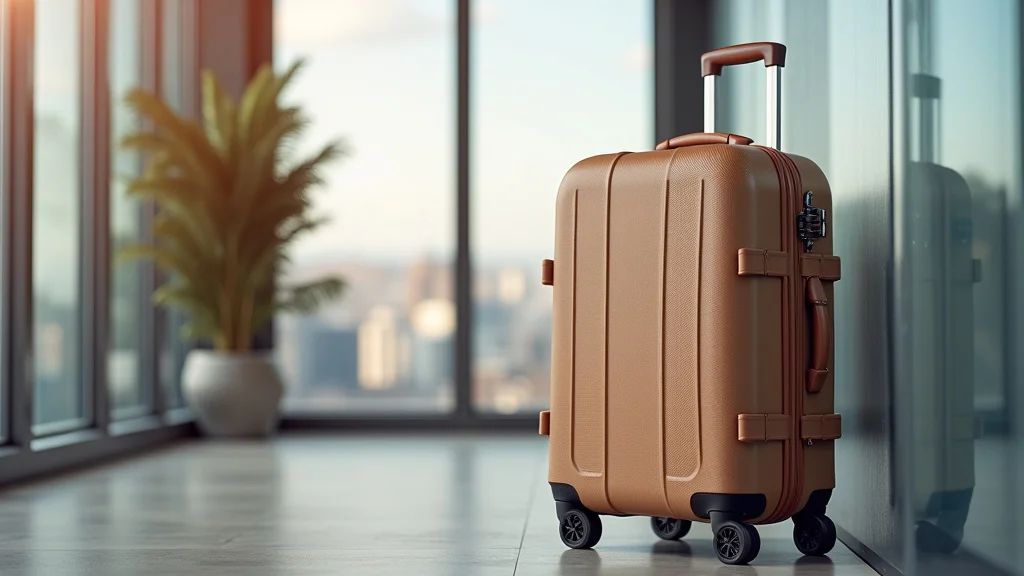
Picture this: you’re standing in the bustling Winnipeg airport, eager to start your adventure. But your luggage is nowhere to be found! Finding the right u n luggage Winnipeg before your trip can prevent this scenario. This article explores everything you need to know about selecting the best luggage options for your travels. You’ll discover how to choose the perfect size, material, and features to fit your individual needs. By the end, you’ll be able to make an informed decision and find the ideal luggage for a stress-free travel experience, improving your travel preparation and keeping you well-informed.
Key Takeaways
- Learn about different luggage types and materials available in Winnipeg.
- Understand the importance of size and weight restrictions for air travel.
- Discover features that enhance luggage security and convenience.
- Find out where to shop for u n luggage Winnipeg and compare prices.
- Gain insights on choosing luggage that matches your travel style.
- Get tips on maintaining and protecting your luggage investment.
Choosing the Right Luggage in Winnipeg
Selecting the right luggage in Winnipeg can seem challenging with the array of options available. Considerations such as the type of travel, the duration of your trip, and the mode of transportation play key roles in this choice. You need to examine various luggage types, including hard-shell, soft-sided, and hybrid designs. Materials range from durable polycarbonate and aluminum to flexible nylon and polyester. Proper selection also involves assessing features like wheels, handles, and compartments to suit your preferences and needs, ensuring a pleasant travel experience.
Types of Luggage Available in Winnipeg
In Winnipeg, a wide variety of luggage types are available to cater to diverse travel needs. Different styles provide specific benefits. Hard-shell luggage, often made from polycarbonate or ABS plastic, excels at protecting fragile items due to its rigid structure. It withstands impacts and is typically water-resistant. Soft-sided luggage, commonly made of nylon or polyester, offers flexibility and often includes exterior pockets for easy access to essentials. Hybrid luggage blends features of both, combining a hard shell with soft-sided components for a balance of protection and flexibility.
- Hard-Shell Luggage: These bags are constructed from robust materials that guard items from impacts and water. They are excellent for trips requiring maximum protection for delicate items.
- Soft-Sided Luggage: Commonly crafted from nylon or polyester, soft-sided luggage offers flexibility, allowing for overpacking and easier storage in tight spaces. They often feature exterior pockets for organizing smaller items.
- Hybrid Luggage: These designs integrate both hard-shell and soft-sided components, providing a balance of protection and flexibility. They often combine a hard front or back with a soft-sided body.
- Carry-on Luggage: Carry-on luggage is usually small enough to meet airline size and weight guidelines for overhead compartments. It is suitable for short trips or for those who prefer to keep their belongings with them.
- Checked Luggage: Designed to be stored in the aircraft’s cargo hold, checked luggage offers greater size and capacity. It’s ideal for longer trips or when you need to transport bulky items.
Hard-shell luggage provides superior protection for your belongings, making it ideal for air travel where baggage handling can be rough. They are also usually water-resistant, which helps safeguard your belongings from the elements. The main downside can be less flexibility in packing compared to soft-sided luggage. Hard-shell designs are a great option for people who prioritize protection.
Soft-sided luggage offers the advantage of expandability, permitting you to pack more and better adjust to varying space needs. They are usually lighter than hard-shell luggage, which is beneficial for managing weight restrictions. The main downside is that they offer less protection against impacts and water. This style is best for frequent travelers who value organization and adaptability.
Hybrid luggage blends the benefits of both hard-shell and soft-sided options. This provides increased protection where needed, while maintaining flexibility. The hybrid design tends to provide better organization and expanded storage capacity. It also enhances convenience due to the use of exterior pockets. It’s a great choice for travelers who need a versatile and balanced luggage solution.
This type of luggage offers the benefit of quick access to your belongings. By keeping your luggage with you, you avoid the risk of lost luggage. It typically fits into overhead compartments, so you avoid waiting at the baggage carousel. Carry-on luggage suits shorter trips or travelers who prefer to minimize luggage.
Checked luggage offers ample space for longer trips or carrying bulky items. It removes the stress of needing to fit everything in overhead bins. You’ll gain a lot of space for souvenirs or extra clothing. Keep in mind that you may encounter fees or need to deal with the potential loss of luggage. If you’re traveling for a long time or have a lot of items, this is a good choice.
Material Matters for u n luggage Winnipeg
The materials used in luggage construction greatly impact its durability, weight, and overall performance. Polycarbonate and ABS plastic are prevalent in hard-shell luggage, known for their impact resistance and protective qualities. Nylon and polyester are common in soft-sided luggage, offering flexibility and resistance to wear and tear. Aluminum is often used in premium luggage, celebrated for its strength and sleek appearance. Understanding these materials helps you pick luggage suited to your travel needs and usage patterns.
- Polycarbonate: A strong, lightweight plastic perfect for hard-shell luggage. It’s known for its high impact resistance and flexibility.
- ABS Plastic: A more budget-friendly alternative to polycarbonate, providing good impact resistance. While sturdy, it may not be as durable as polycarbonate.
- Nylon: A durable and water-resistant fabric often used in soft-sided luggage. It’s a great choice for flexible and lightweight travel.
- Polyester: Another common fabric for soft-sided luggage, known for its affordability and resistance to wrinkles and fading.
- Aluminum: A premium material known for its strength, durability, and stylish appearance, but often comes at a higher price.
Polycarbonate is lightweight, which is beneficial when adhering to airline weight restrictions. It also has a degree of flexibility. This helps the luggage to absorb impacts rather than cracking. This is useful when the luggage is being handled at the airport. Polycarbonate is a great choice if you’re looking for durable and lightweight luggage.
ABS plastic provides good protection for your belongings at a more accessible price point. It is a good choice if you’re looking for a balance between price and protection. Compared to polycarbonate, it can be slightly heavier. ABS is still a good option if you want reliable luggage without paying for high-end materials.
Nylon is known for its durability and resistance to tearing. It’s also often water-resistant, protecting your belongings from rain and spills. Nylon luggage is usually light, making it a good choice for people who want to avoid excess weight. The downside is that nylon may not offer the same impact protection as hard-shell options. This is a very practical choice.
Polyester is affordable and easy to care for, resisting wrinkles and maintaining a good appearance. It’s resistant to fading, meaning your luggage will look good for longer. It’s a solid choice when you need cost-effective luggage. Like nylon, polyester luggage typically offers less impact protection than hard-shell alternatives. This is ideal for those who are looking for affordable options.
Aluminum luggage is very robust and can last for many trips. It resists dents and offers a sleek look. However, aluminum luggage tends to be more expensive and can weigh more than alternatives. Aluminum is the perfect selection if you want a premium look and need strong protection.
Sizing, Weight, and Airline Regulations
Understanding the sizes and weight restrictions imposed by airlines is vital to avoid potential fees and travel delays. Each airline specifies maximum dimensions and weight limits for both carry-on and checked luggage. Checking these regulations before you travel ensures compliance. This eliminates the chance of penalties at the airport. This knowledge is important for planning your trip and packing accordingly.
Carry-on Luggage Guidelines
Carry-on luggage guidelines vary between airlines, but there are some standard dimensions and weight limitations to keep in mind. Baggage usually must fit within the overhead bins or under the seat in front of you. Most airlines have size limits of approximately 22 x 14 x 9 inches (56 x 36 x 23 cm) for carry-on bags, including wheels and handles. Weight restrictions usually range from 15 to 22 pounds (6.8 to 10 kg). Always check the specific airline’s rules before your trip.
- Standard Dimensions: Most airlines limit carry-on bags to around 22 x 14 x 9 inches (including wheels and handles). This size fits most overhead bins.
- Weight Restrictions: Weight limits typically range from 15 to 22 pounds. Be mindful of this when packing to avoid extra fees.
- Checking Airline Policies: Always check the specific airline’s carry-on policy before traveling. Different airlines have slightly different rules.
- Packing Strategies: Utilize packing cubes and compression bags to maximize space and reduce weight in your carry-on luggage.
This size provides enough space for essentials while still being compliant with airline rules. This avoids the hassle of checking your bag at the gate. It’s important to confirm the specific dimensions allowed by your airline before you fly. This will prevent any issues at the airport.
Adhering to weight restrictions is important to prevent gate-checking. Packing a portable luggage scale ensures that your bag meets airline requirements. Overweight bags can lead to excess fees or the requirement to repack, adding stress to your travel experience.
Airline rules can change. Be sure to visit the airline’s website or app to find the most recent baggage guidelines. This will ensure you’re aware of any changes in size or weight restrictions. Being prepared avoids inconvenience and makes your trip much smoother.
Packing cubes and compression bags help organize your items, making it easier to fit everything in your bag. They also compress clothes, saving space and weight. By using these packing strategies, you will be able to make the most of the available space, helping you stay within your luggage’s weight limits.
Checked Luggage Dimensions and Weight Limits
Checked luggage regulations usually provide more flexibility in terms of size and weight than carry-on luggage. However, airlines still have constraints to consider. Standard checked bags typically have a size limit of 62 linear inches (158 cm), which is the sum of the length, width, and height. Weight limits are generally around 50 pounds (22.6 kg) for standard bags. Overweight or oversized baggage can incur extra fees, so it’s best to plan accordingly.
- Size Limits: Most airlines allow checked luggage up to 62 linear inches (length + width + height).
- Weight Restrictions: Standard checked baggage usually has a weight limit of 50 pounds (22.6 kg). Overweight bags often require extra charges.
- Airline Variations: Always verify the checked luggage policies of your airline. Guidelines can vary depending on the airline, route, and ticket class.
- Dealing with Excess Baggage: If your bag exceeds the size or weight limits, you can often pay additional fees to check it. Otherwise, you can ship items separately.
This gives more space than carry-on. You will be able to pack bulkier items or more clothing. It’s very important to note that you will still need to check the specific airline’s regulations. This will help you avoid the risk of paying extra fees for oversized bags.
Weight limits are a key factor for baggage costs. Weigh your luggage before you arrive at the airport with a luggage scale. This will allow you to make adjustments and avoid fees. Keep heavier items in your carry-on luggage or arrange for shipping if needed.
Airlines may differ in how they handle baggage fees and dimensions. Check your specific airline’s website or app. Be sure to note any extra allowances based on your ticket. You will avoid any surprises or extra costs.
If you’ve packed more than allowed, you have several choices. Consider the cost of extra baggage fees against shipping items separately. Removing excess items and carrying them on the plane is another option. You can always arrange for shipping if your luggage exceeds the limits.
Features to Look For in u n luggage Winnipeg
When selecting luggage in Winnipeg, specific features enhance security and convenience during travel. These include durable wheels, adjustable handles, secure locking mechanisms, and organized interior compartments. These features can significantly improve your travel experience. You can easily navigate busy airports and keep your belongings safe.
Wheels and Handles
The wheels and handles of luggage can have a significant effect on mobility and ease of use. Spinner wheels, which turn 360 degrees, provide effortless maneuverability in all directions. In-line skate wheels, which move in one direction, offer greater durability and are often better for uneven surfaces. Adjustable handles should be easy to grip and comfortable to use, and they help in adjusting the height to fit your preferences.
- Spinner Wheels: These wheels rotate 360 degrees, offering excellent maneuverability, especially in crowded spaces.
- In-Line Skate Wheels: These wheels move in one direction and are durable, better for rolling over rough terrain.
- Adjustable Handles: Adjustable handles are essential for customizing the height of your luggage for comfortable use.
- Handle Materials: Handles are usually made of metal or strong plastic. Check for a sturdy, comfortable grip.
Spinner wheels allow you to glide your luggage in any direction. This adds significant flexibility in busy airports and other environments. Choose luggage with high-quality spinner wheels that can manage rough surfaces. High-quality wheels will increase your experience.
In-line skate wheels are often more durable. This is a very useful feature if you travel on uneven pavements. The wheels may not offer the same degree of maneuverability. However, they are perfect for handling rough surfaces.
Adjustable handles make it easy to push or pull your luggage at a comfortable height. It avoids straining your back or arms. Ensure the handle extends and retracts smoothly. Look for handles with multiple height settings.
The handle material impacts durability. Metal handles are strong, while handles with a cushioned grip will be more comfortable to hold. Choose a handle that feels secure in your hand. This will make handling easier.
Security Features
Security features such as TSA-approved locks, reinforced zippers, and anti-theft designs provide an added layer of protection for your belongings. TSA-approved locks allow airport security to inspect your luggage without damaging it. Reinforced zippers and slash-resistant materials can deter thieves. These components help make sure that your travel is safe.
- TSA-Approved Locks: These locks allow airport security to open and inspect your luggage without breaking the lock.
- Reinforced Zippers: Reinforced zippers can resist forced entry and make it more difficult for thieves to access your luggage.
- Anti-Theft Designs: Some luggage incorporates features like slash-resistant materials and hidden compartments.
- RFID Blocking: RFID blocking technology prevents electronic theft of personal information stored on credit cards and passports.
TSA-approved locks use a special key that TSA agents can access without damaging your luggage. This is required for international travel. Look for locks that are easy to set and use. It prevents any damage to your luggage if it needs inspection.
Reinforced zippers are stronger than standard zippers, reducing the risk of them splitting open. They can deter petty theft. Choose luggage with high-quality zippers. They are stronger and will last longer.
Anti-theft features increase the safety of your valuables. Slash-resistant materials guard against cuts. Hidden compartments are useful for storing valuables out of sight. These features are helpful in deterring theft.
RFID blocking is very helpful. It safeguards your personal information from being scanned and stolen. The technology prevents unauthorized access to your credit card and passport information. RFID blocking is a must-have for frequent travelers.
Interior Organization
Organized interior compartments and features, such as dividers, packing cubes, and compression straps, help to make efficient use of space and keep your belongings neat. These features will greatly improve your packing and unpacking. They will allow you to quickly locate items, and keep your clothes and accessories secure during travel.
- Compartments and Dividers: These help separate items. You can make packing and finding things easier.
- Packing Cubes: Packing cubes are very helpful for organizing clothes and accessories. They help compress items and maximize space.
- Compression Straps: Compression straps prevent items from shifting and help maximize space.
- Wet Pockets: Wet pockets are useful for storing toiletries and damp items. They help keep other items dry.
Compartments are useful for dividing clean and dirty clothes. They can also keep shoes separate. Look for flexible dividers that can be adjusted to fit your needs.
Packing cubes compress clothes, saving space and weight. They are useful for organizing items and preventing your clothes from getting wrinkled. They help you stay organized during the trip. Choose different sizes to suit your travel needs.
Compression straps secure your belongings. They also prevent them from moving around during transit. They help compress clothes. This gives you extra space for packing. Ensure that the straps are sturdy and easy to use.
Wet pockets are usually water-resistant. They prevent leaks. They are excellent for packing toiletries. They can also contain swimwear without getting other items wet. This will keep your luggage clean.
Where to Buy u n luggage Winnipeg
In Winnipeg, a number of places are available to purchase luggage, ranging from department stores and specialty luggage shops to online retailers. You can compare prices, product selections, and guarantees to find the perfect fit. You can choose to shop both in-store and online, and make the most of sales and promotions to get the best deal on your u n luggage Winnipeg.
Department Stores
Department stores provide a variety of luggage brands and styles. This is a very convenient place to shop because you can compare several options. You can usually find a good selection. These stores often run sales and promotions. This can allow you to purchase luggage at competitive prices. You will have a chance to assess products in person. The customer service will also allow you to receive assistance.
- Benefits of Shopping at Department Stores: Department stores offer variety and competitive pricing. You can examine luggage in person.
- Finding Sales and Promotions: Department stores often have regular sales and promotions, allowing you to save money.
- Customer Service and Returns: Department stores usually provide customer service and easy returns.
- Brands and Styles Available: Department stores offer a variety of brands and luggage styles.
Department stores usually stock a wide selection of luggage brands, giving you many choices. You can handle the luggage, and check it out before you purchase it. Keep an eye out for sales. This can offer good value.
Keep a look out for seasonal sales and discounts. Sign up for the store’s email list. This will give you early access to deals. Checking their clearance sections is another great strategy. This is a great way to save money.
You can get personalized support from customer service representatives. This can really help. Be sure to check the store’s return policies before you make your purchase. It gives you peace of mind.
Department stores usually carry a good mix of luggage brands. This means you can easily compare options. You’ll find a wide range of styles to fit different travel needs.
Specialty Luggage Stores
Specialty luggage stores provide expertise in luggage and travel accessories, offering a great product selection. The staff is often knowledgeable and can give you tailored advice. This helps you choose the perfect luggage for your needs. The sales staff can offer professional advice. You can also receive specialized services such as repairs. This is an excellent option if you want personalized service.
- Expert Advice: Specialty stores provide expert advice, helping you pick the ideal luggage for your travel requirements.
- Product Selection: Specialty stores offer a carefully curated selection of luggage and travel accessories.
- Repairs and Services: Many specialty stores provide luggage repair services, extending the life of your investment.
- In-Store Experience: The in-store experience is focused on personalized service, allowing you to thoroughly check out products.
Staff members usually have detailed expertise on luggage. They can guide you through the process of selecting the right product. They provide tailored advice, ensuring you find what you need.
These stores often carry specialized brands and styles, focusing on quality and innovation. This makes it easier to find high-quality products. They are also known to carry unique items.
They can often handle any repairs required for your luggage. This is very convenient. This ensures your luggage stays in great condition. Repair services are valuable for long-term use.
You can often physically interact with the luggage. Staff members are there to help with hands-on demonstrations. You can compare products side by side. This creates a really good shopping experience.
Online Retailers
Online retailers provide a wide selection of luggage options, along with competitive pricing and reviews. This is a great way to browse and compare brands from home. They often have customer reviews to help you make decisions. Online stores typically offer convenient shopping options and sometimes have home delivery. This makes it an easy way to shop.
- Wide Selection: Online retailers offer a huge selection of luggage, usually including many brands and styles.
- Price Comparisons: Easily compare prices from different retailers to find the best deals.
- Customer Reviews: Customer reviews can help you assess product quality. You will be able to check the real-world performance of products.
- Convenience: Online shopping offers convenience. You can shop at any time, from anywhere. Delivery options are also available.
Online stores carry a bigger range of products than physical stores. They provide a bigger variety of sizes. You will be able to easily compare different models. You can also shop for items not usually carried in physical stores.
Comparing prices is easy when you shop online. You can quickly compare the prices of different brands. You can also find deals with the click of a button.
Customer reviews offer very helpful insights. You can learn from the experiences of other buyers. Look for reviews that provide details on the product’s durability, quality, and functionality. This helps you make an informed decision.
This is very convenient, because you can shop anytime. There are many shipping choices, including home delivery. You can save time and effort. You can also often avoid crowds. This makes shopping easy.
Maintaining and Protecting Your u n luggage Winnipeg
Protecting and maintaining your luggage is essential for preserving its quality and ensuring a longer lifespan. This covers proper cleaning and storage and knowing how to handle travel-related wear and tear. You can safeguard your luggage with protective covers. This keeps it in good condition for many trips.
Cleaning and Storage
Proper cleaning and storage can help extend the life of your luggage. Clean your luggage after each trip. Clean hard-shell luggage with a damp cloth and mild soap. Clean soft-sided luggage by spot-cleaning stains and vacuuming debris. Store your luggage in a cool, dry place when it’s not in use. You should also consider using protective covers.
- Cleaning Hard-Shell Luggage: Clean hard-shell luggage with a damp cloth and mild soap. Avoid abrasive cleaners.
- Cleaning Soft-Sided Luggage: Spot-clean stains and vacuum debris from soft-sided luggage.
- Storage Location: Store your luggage in a cool, dry place away from direct sunlight.
- Protective Covers: Use protective covers to shield your luggage from scratches and dirt.
Gently wipe the surface with a soft cloth. Use mild soap to remove dirt and grime. Avoid using harsh chemicals. These may damage the surface.
Use a stain remover for specific spots. Vacuum the interior to eliminate any dust. Always make sure the luggage is dry before storage.
A cool, dry location is very important. Protect your luggage from extreme temperatures and moisture. Using dust covers helps to protect the luggage.
Protective covers help preserve your luggage. They protect it from scratches and dirt. They are very useful when checking your luggage at the airport.
Handling Wear and Tear
Travel wear and tear is normal. Regular inspections and quick repairs can help prolong your luggage’s lifespan. Handle scratches with specialized cleaning products. This is very important. Consider the use of repair services. Replace worn wheels or handles to ensure that your luggage keeps functioning properly. You can safeguard the luggage through preventive maintenance.
- Addressing Scratches and Dents: Use cleaning products or repair kits to address scratches and dents on your luggage.
- Repair Services: Utilize repair services for issues with wheels, handles, and zippers.
- Preventive Measures: Use protective covers and packing strategies to protect your luggage.
- Regular Inspections: Regularly check your luggage for signs of damage or wear.
Check the wheels, handles, zippers, and seams of your luggage. Immediate repair is necessary to prevent further damage. Early attention helps prolong its lifespan.
Scratches can be diminished by using specific products or repair kits. For dents, you can often use heat and pressure. Always follow the product instructions to reduce wear.
Professional repairs will make your luggage functional. They can fix wheels, handles, and zippers. Repairing your luggage is more cost-effective than buying new luggage.
Protective covers help protect your luggage. Use packing cubes. They will help prevent your clothes from shifting. This minimizes damage from handling during travel.
Common Myths Debunked
Myth 1: Expensive luggage is always the best.
While premium luggage brands use quality materials and offer high-end features, the “best” luggage depends on your specific travel needs and budget. A more affordable bag can be the ideal fit if you have limited travel needs. Your choice must consider the features that will fit your lifestyle and your budget.
Myth 2: Hard-shell luggage is more durable than soft-sided.
Hard-shell luggage is great for protecting items from impacts. But soft-sided bags, made from materials like nylon or polyester, can withstand the normal wear and tear of travel. Durability relies on the quality of the materials and how the luggage is built. Soft-sided bags often offer more flexibility and often have more storage options, making them a very practical choice.
Myth 3: All carry-on bags have the same size restrictions.
Airline size restrictions for carry-on luggage may vary. While there are standard sizes, each airline has different limits for dimensions and weight. Always check the specific airline’s policy to prevent problems when you get to the airport. Before your trip, be sure to find the details on the airline’s website.
Myth 4: You need to buy new luggage every year.
If you maintain your luggage well, it can last for many years. Regular cleaning, proper storage, and timely repairs will increase its lifespan. You don’t need to
Myth 5: All luggage locks are created equal.
Some locks are better than others. TSA-approved locks will allow airport security to open your luggage without damaging it. Standard locks will prevent access. Selecting high-quality, TSA-approved locks provides better protection for your valuables. Always select locks that provide additional layers of security.
Frequently Asked Questions
Question: What is the best material for luggage?
Answer: The best material depends on your needs. Polycarbonate and aluminum are durable choices. Nylon and polyester offer more flexibility.
Question: How do I measure my luggage to comply with airline size restrictions?
Answer: Measure the length, width, and height of your luggage, including wheels and handles. Make sure the total dimensions do not exceed the airline’s limits.
Question: Should I buy a luggage set or individual pieces?
Answer: This depends on your travel style. Luggage sets are great if you want matching pieces. Buying separately lets you choose bags that fit your needs.
Question: How can I protect my luggage from theft?
Answer: Use TSA-approved locks, choose luggage with reinforced zippers, and consider RFID-blocking features.
Question: Where can I find affordable luggage in Winnipeg?
Answer: Department stores and online retailers usually provide a wide variety of affordable luggage options. Check for sales and promotions.
Final Thoughts
Choosing the right u n luggage Winnipeg involves considering the type, material, size, and security features. Winnipeg offers a variety of shopping options. These range from department stores and specialty shops to online retailers. You’re better prepared to explore the market with this knowledge. You can pick luggage that meets your travel style and budget. Remember to prioritize quality, durability, and convenience to improve your travel experience. Proper care, like cleaning and storage, will ensure that your luggage lasts for many trips. Be sure to check the size and weight limits. Make it an enjoyable adventure with the right luggage.