
Last updated: October 24, 2026
Quick Answer: for most travelers, the 6 luggage features that matter most are spinner wheels, a telescoping handle, interior compression straps, an expansion zipper, a TSA lock, and a clear warranty. The best luggage features to look for before you buy are the ones that match how you actually travel, not the ones that look impressive on a product page. For most travelers, that means a strong telescoping handle, reliable spinner wheels, a useful expansion zipper, smart interior compression straps, a TSA lock if you check bags, and a warranty that covers real damage instead of vague promises.
Key takeaways
- Start with handling, not extras: wheels and handle quality affect every trip.
- Expansion sounds useful, but it only helps if you can still stay within airline size limits.
- Interior organization matters more than outer gimmicks for most people.
- A TSA lock is a convenience feature, not a theft-proofing system.
- A simpler suitcase with a clearer warranty is often the better luggage choice.
If the goal is to buy once and avoid regret, the guide to luggage buying basics should sit alongside this one. The feature list below ranks what usually matters most, so you can spend money where it changes day-to-day use.
Start with the features that change every trip
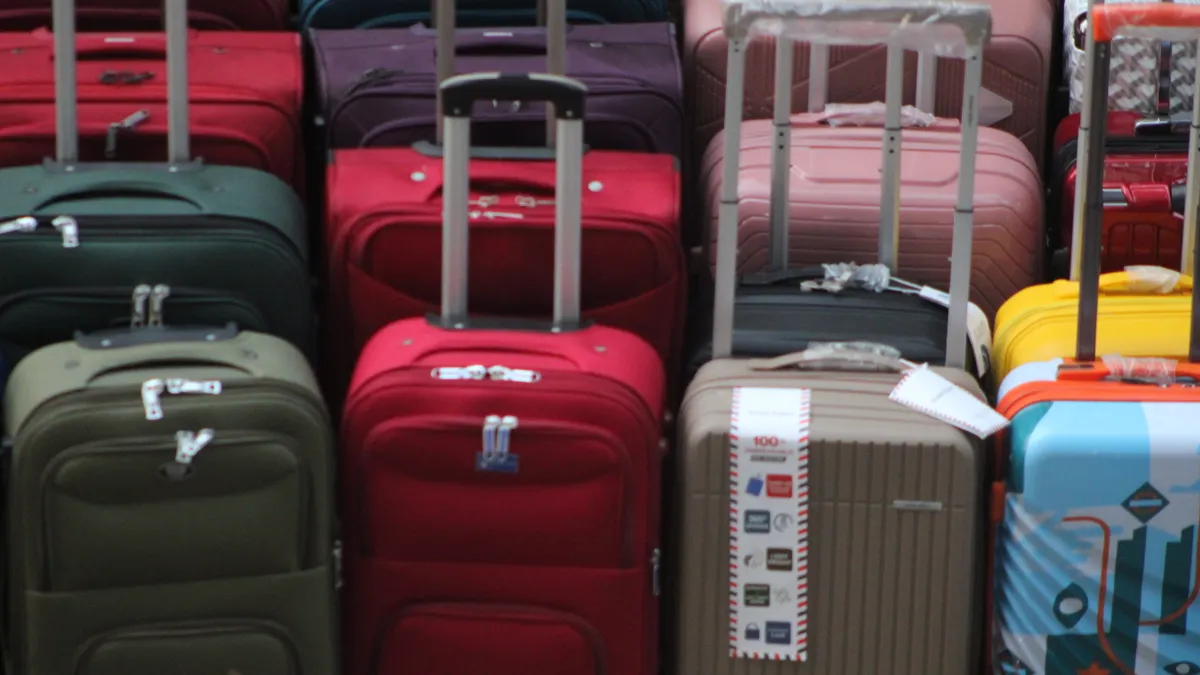
The features that matter most are the ones you feel at the airport, in a hotel hallway, and on a curb at 6 a.m. The difference between a good suitcase and a frustrating one is usually not the shell color or the zipper trim; it is how the case rolls, lifts, and opens under load.
A sensible order for most travelers looks like this:
- Spinner wheels
- Telescoping handle
- Interior packing structure
- Expansion zipper
- TSA lock
- Warranty and repair support
That order is not universal. A road warrior who lives out of a checked bag will care more about repairability and handle strength than a short-trip traveler. Someone who mostly flies budget carriers may care more about dimensions than any lock or wheel count. Still, this ranking works because it follows the parts you use most often, not the parts that look best in a product photo.
One common mistake is buying for a single feature and ignoring the rest. A suitcase with four smooth spinner wheels can still be miserable if the handle wobbles or the interior collapses into a black hole. Another is paying for hard-shell styling and forgetting that zipper quality and frame structure are what keep the bag usable after repeated trips.
The basic rule is simple: if a feature does not make the bag easier to move, pack, close, or repair, it is usually a lower-priority upgrade. For many buyers, that rule saves more than the extra 10% they might spend on flashy add-ons.
Which luggage feature should you care about first?
You should care about the wheels and handle first, because they determine whether the bag is easy to move when it is full. A suitcase can have every bonus feature on the shelf, but if the wheels catch on carpet or the handle flexes, the whole bag feels cheap.
Spinner wheels
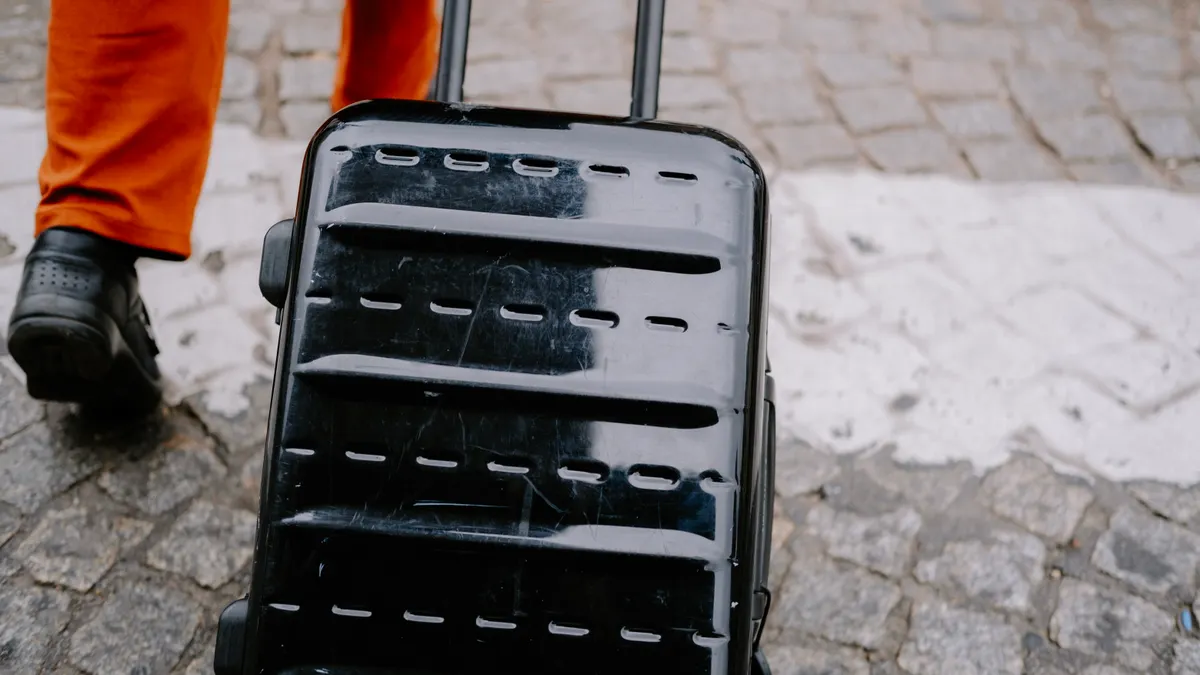
Spinner wheels are usually the most practical wheel setup for airports and smooth floors because they roll beside you instead of dragging behind you. Four wheels help with tight turns, long concourses, and short lifts between lines or curbs. They also reduce the strain of hauling a loaded case through terminals.
The trade-off is real: spinner wheels are more exposed, and cheap ones can wobble, jam with grit, or wear unevenly. For rough sidewalks, broken pavement, or heavy bags, larger recessed wheels can sometimes outlast tiny decorative ones. If your trips include cobblestones, stairs, or lots of outdoor dragging, do not assume four wheels are always better.
A useful way to judge them is simple: look for wheels that sit confidently in the body of the case, not perched on thin plastic stems. If the wheel assembly looks fragile, it usually is. A traveler who checks bags only a few times a year may not notice. Someone who flies monthly will.
Telescoping handle
The telescoping handle matters because it determines whether the bag feels stable at arm’s length or like a shopping cart with a loose joint. A good handle extends cleanly, locks without sticking, and does not rock side to side when the bag is rolling.
The number to watch is not a marketing claim but the feel of the extension. Handles that stop at a convenient height for your body are less tiring over a 10- to 15-minute airport walk. If the handle is too short, you hunch. Too tall, and you lose control on turns. A sturdy handle should also hold up under the weight of a packed bag without twisting.
Anyone who packs dense items, uses a larger checked case, or expects to roll the bag one-handed across a terminal should skip the cheapest handle they can find. A handle that flexes may not break on day one, but it will make every trip feel worse. That is one of the clearest reasons to compare several bags in person if you can.
Is an expansion zipper worth it?
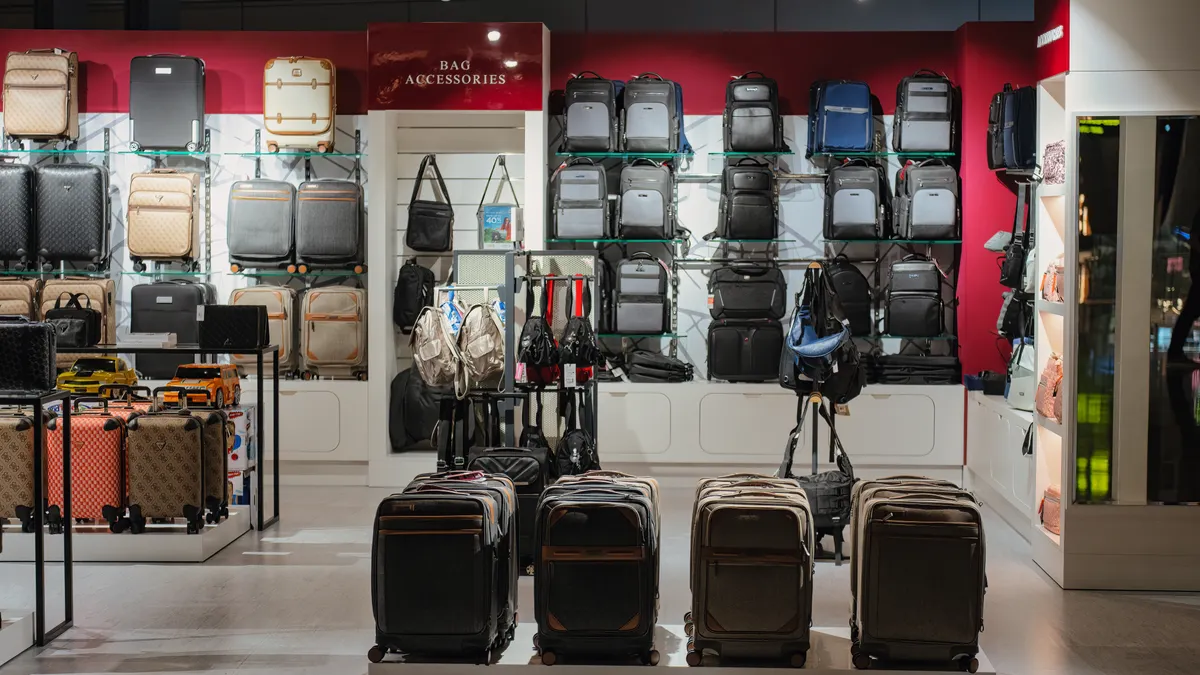
An expansion zipper is worth it if you want flexibility, but it is a bad choice if you routinely travel close to airline size limits. Expansion usually gives you a little more packing depth by unzipping a gusset around the case, which can help on the return trip when souvenirs or bulkier clothes appear.
The catch is simple: expanded bags are easier to overpack, heavier to lift, and more likely to become awkward in overhead bins or tight trunks. That matters for carry-on use especially. A bag that expands well on paper may no longer fit the limit once it is full. Even for checked bags, extra space can push the weight up fast.
The right use case is a traveler who likes a little slack in the system. Think one or two extra outfits, a winter layer, or a backup pair of shoes. The wrong use case is someone who already overpacks and wants the bag to forgive it. Expansion is not magic. It is just more room to stuff.
A practical test while shopping: imagine the case fully expanded and then ask whether you would still want to lift it into a car trunk or carry it up a hotel stairwell. If the answer is no, the zipper is adding more temptation than value.
What does a TSA lock really do for you?
A TSA lock mainly keeps baggage screeners from cutting off your lock during inspection; it is not a serious theft barrier. That distinction matters, because many buyers treat the lock as if it protects the contents from anyone with bad intentions. It does not. For security-specific concerns, travelers should consult a qualified professional or their airline, and the TSA says its locks are meant to let screeners open and relock checked baggage without damaging the lock.
A TSA-recognized lock is useful when you check bags and want to avoid a broken zipper pull after screening. It can also keep honest fingers out of your suitcase in a shared storage area. For many travelers, that convenience is enough. If you carry valuables, the lock should never be your only protection.
This feature is most useful on checked luggage, not on a bag you keep with you. If you never check bags, a lock may add weight and complexity with little payoff. If your luggage has weak zippers or thin pulls, a lock does not fix that weakness. It only makes the opening harder to access casually.
A good rule: buy the lock if it comes integrated into a case you already want. Do not buy a weak suitcase because it has a lock. That is backward shopping.
If you want the underlying standard, the Transportation Security Administration explains the purpose of TSA-recognized locks on its own luggage guidance pages, and the underlying lock language is also used widely by luggage manufacturers. For lock compatibility, that is the point: screeners need access, not a puzzle box. The TSA guidance is the most authoritative source for how these locks are intended to work.
How much should compression straps and interior organization matter?
Compression straps matter more than most people expect, because they stop clothes from sliding into a mess every time the case is opened. Inside the bag, those straps are often the difference between a stack that stays put and a pile that erupts the second you unzip it.
Good interior straps pull fabric tight against the shell and reduce wasted space. They also help a soft-sided case keep its shape when only half full. In a 20- to 24-inch bag, that can be the difference between neat packing and a lopsided clump. They are especially useful for shirts, trousers, and folded outfits that need to stay compressed.
Not every packing system is worth paying extra for. Dividers, mesh pockets, and zippered pouches sound helpful, but too many small compartments can create clutter. A bag with one sensible divider and solid straps often works better than one with six little pockets you never use.
Compression straps are not ideal for everything. For bulky shoes, toiletries, and fragile items, many travelers should use separate pouches or protective packing methods and consider advice from a retail travel specialist if they are unsure. If a suitcase relies on straps alone and has no usable divider, you can end up with your packed items shifting around the hard edges of the shell. That is a design flaw, not a packing failure.
For most travelers, simple interior structure beats decorative organization. You want the bag to hold its shape, not cosplay as a closet.
What luggage warranty tells you about the bag
A luggage warranty tells you how the brand thinks about failure, repair, and customer support. It is one of the clearest clues you get before buying, because luggage fails in predictable places: wheels, handles, zippers, and seams.
The most useful warranty is the one that is clear about what is covered and what is excluded. “Limited” can still be fine if the terms are specific. “Lifetime” sounds great, but it can still leave out airline damage, normal wear, or cosmetic problems. The wording matters more than the headline.
A good warranty should be easy to understand in a few minutes. Look for plain language about duration, process, and parts. If the company makes you hunt through vague legal copy to find whether a broken wheel is covered, that is a warning sign. It usually means future service will be annoying too.
Who should pay closer attention here? Anyone buying a higher-priced case, anyone who travels often, and anyone who expects to keep the bag for several years. Who should not overvalue a warranty? Someone who wants a cheap bag for a single vacation and plans to replace it soon anyway.
One useful source for comparing consumer protections in general is the U.S. Federal Trade Commission’s guidance on warranties and written guarantees. For luggage specifically, the fine print is where the real answer lives.
The fast buying checklist that catches bad luggage
The best luggage passes a short stress test before you hand over your money. This is the fastest way to sort useful features from marketing noise, especially if you are standing in a store or scanning product pages with too many tabs open.
Use this order:
- Roll the bag with one hand for at least 20 feet. The wheels should track straight and not rattle hard over the floor.
- Raise and lower the handle several times. It should lock cleanly and stay stable without wobble.
- Open the expansion zipper, then close it again. The track should move smoothly, not snag at the corners.
- Check the interior straps and divider. They should hold packed clothes flat instead of sliding across the shell.
- Look at the lock and zipper pulls. If the lock seems flimsy, treat it as a convenience only.
- Read the warranty in full. You want coverage terms, not just a headline phrase.
- Check size against your usual airline limits. A feature that pushes the case out of bounds is not a feature for you.
This checklist works because it focuses on movement, access, and support, which are the things that age badly. Decorative texture and color do not tell you much. A smooth wheel, a steady handle, and a clear warranty do. On a budget case, that short test can reveal more than a long spec sheet.
If a bag fails two of these steps, I would keep shopping. That is especially true for cheaper luggage, where one weak part can make the entire case annoying.
What features are overrated or not worth paying extra for?
The most overrated features are the ones that sound premium but do little in daily use. Built-in tech, flashy finishes, and extra pockets can add cost without making travel easier. If a feature does not affect packing, rolling, or repair, it should not move the price much.
A hard shell is not automatically better than a soft case. A shiny exterior is not a performance feature. Four color-matched wheels are not the same as durable wheels. And more compartments are not always better if they make the bag hard to pack quickly. A lot of luggage marketing turns ordinary traits into “premium” claims.
This is also where some travelers make the wrong trade. They buy for style, then hate the bag because it tips, scratches, or swallows socks into unhelpful compartments. Others buy a feature-heavy model and never use half of it. If you travel a few times a year, that extra complexity can become dead weight.
The honest answer is that the best luggage features are boring. Good wheels. A stable handle. Useful straps. A workable expansion zipper. A reasonable lock. A warranty you can actually understand. That combination is less exciting than a glossy ad, but it is what saves you time, frustration, and replacement costs. In practical terms, it is also the kind of feature mix that shows up in the best luggage features to look for before you buy.
What features matter most in luggage?
The most important luggage features are spinner wheels, a solid telescoping handle, and an interior that keeps clothes from shifting. Those are the parts you use on every trip, and they affect comfort more than cosmetic extras. After that, an expansion zipper, a TSA lock, and a clear warranty become useful depending on how often you travel and whether you check bags.
Is an expandable suitcase worth it?
An expandable suitcase is worth it if you need occasional extra room for a return trip or seasonal clothes. It is not worth it if you already pack to the limit or often fly with strict size rules. Expansion adds flexibility, but it also makes it easier to overpack and harder to keep the bag light.
Do I need a TSA lock?
You need a TSA lock if you want easier checked-bag screening and a bit of casual security. You do not need one for every trip, and it does not make luggage theft-proof. If you never check bags, or if you care more about durability than convenience, a TSA lock can be a low-priority feature rather than a must-have.
Drafted with AI; not yet reviewed by a person.





Leave a Reply