
Last updated: October 28, 2026
Quick answer: in this Carry-On vs Personal Item: What Fits Where and When to Choose Each comparison, the personal item is usually the easier choice if you want the simplest boarding day and the least risk of gate-check drama, and the carry-on bag is usually better if you need real packing space for a longer trip or bulky items. I write about travel gear and airline baggage rules often enough to know that the mistake is rarely “choosing the wrong bag” — it is choosing a bag that does not match the airline baggage policy for the fare.
Key takeaways
- A personal item is the bag that must fit under the seat in front of you; a carry-on luggage piece goes in the overhead bin.
- The carry-on wins on capacity and trip length. The personal item wins on speed, boarding convenience, and lower enforcement risk.
- Airlines often enforce under-seat space more consistently than travelers expect, especially on basic economy fares and on full flights.
- If you travel with one laptop, one change of clothes, and essentials, the personal item is often enough. If you need shoes, toiletries, layers, or work gear, choose the carry-on bag.
- The smartest answer is not “which is better?” but “which one still works if the airline is strict?”
The real difference between a carry-on bag and a personal item
A carry-on bag is the larger bag that goes in the overhead bin, while a personal item is the smaller bag that has to fit under the seat in front of you. That difference sounds simple, but it changes almost everything: how much you can pack, how fast you board, and how likely airline staff are to stop you at the gate.
The under-seat bag is the safer bet because airlines generally care less about style and more about fit. A backpack, tote, laptop bag, small duffel, or purse can count as a personal item if it stays within the airline’s baggage allowance for that fare. The exact dimensions vary by airline, which is why a “personal item” is not a universal size. This is where people get caught: the bag may look small enough in a living room and fail when placed against an airline sizer at the gate.
The carry-on luggage piece is the bigger, more forgiving choice for packing, but it is also the one more likely to be pulled into the overhead bin rules, wheel-on restrictions, and weight or size limits on stricter carriers. One common trap is thinking the carry-on is automatically the default. In practice, the personal item is often the only free bag on basic fares and on some low-cost airlines. That is why this comparison should start with the airline baggage policy, not the bag itself.
For a clean reference on dimensions and fit, I would send a reader to the site’s carry on luggage size guide after this page. This page is about choosing the right category; that one is about the measurements.
Carry-on vs personal item: when the carry-on luggage wins and who it suits
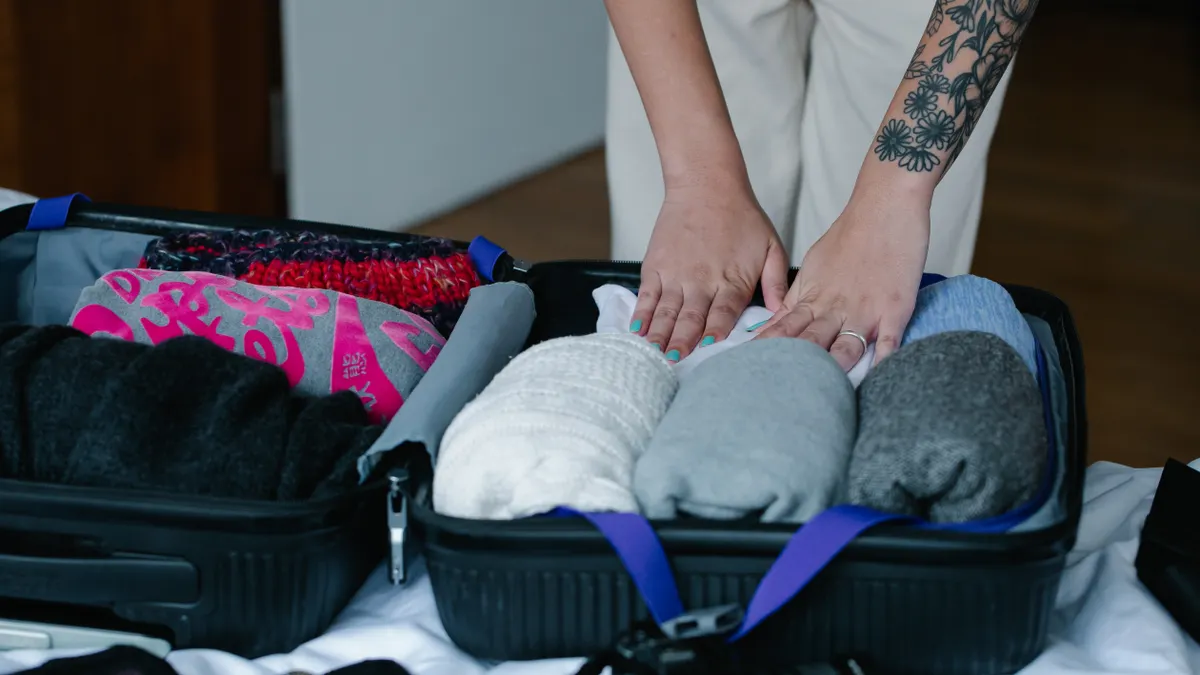
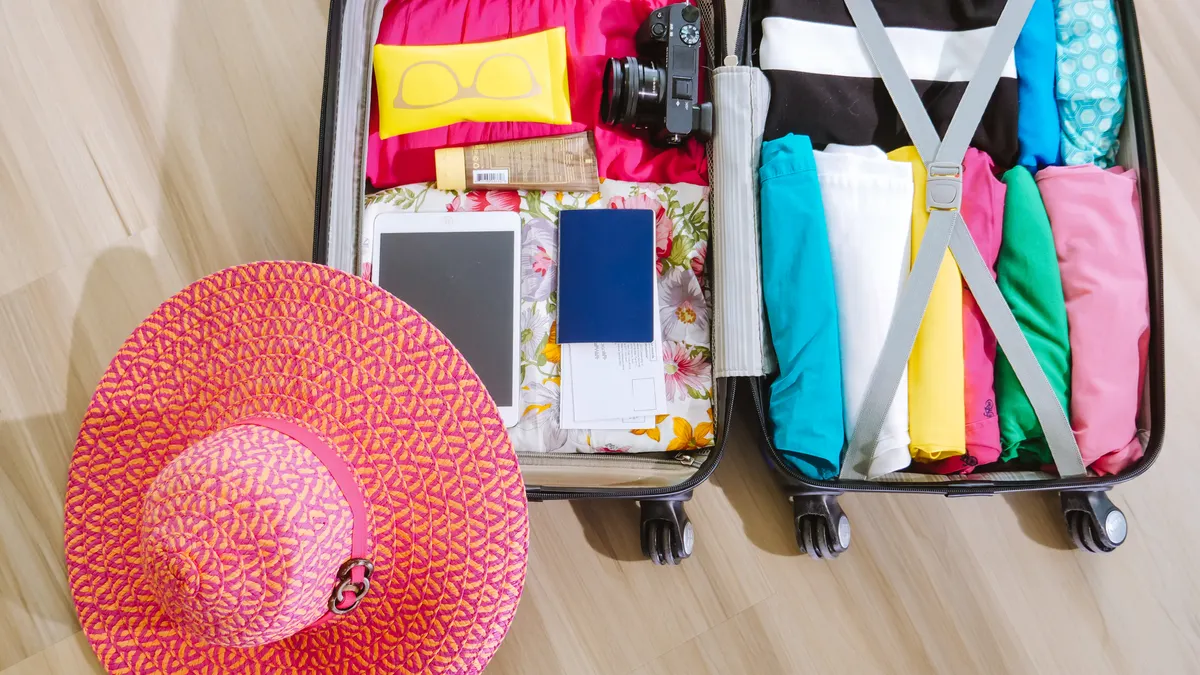
The carry-on wins for travelers who need actual packing room, not just a place for a laptop and charger. If the trip is more than one night, or if the weather changes enough to require layers, the carry-on bag is usually the practical choice. It gives you room for shoes, a toiletry kit, a backup outfit, and the things that turn a minimalist trip into a tolerable one.
That extra room matters most on trips where the baggage allowance has to absorb real life: a conference with dress clothes, a winter weekend with boots, or a family visit where you are packing gifts on the way out and souvenirs on the way back. The overhead bin also keeps the load off your shoulders, which matters if you walk through a large airport or connect through a terminal that demands long, standing-only queues.
The downside is obvious but real. A carry-on luggage piece is slower at boarding, more annoying in crowded aisles, and more likely to trigger a bag-size check if the airline is strict. If the flight is full, the overhead bin fills fast, and some travelers end up gate-checking anyway. That can erase the main reason they brought the bigger bag in the first place. The other weakness is that a carry-on can tempt overpacking. A 20-inch spinner is easy to fill, which helps until you are lifting it into the bin over your head.
A carry-on is not the right pick for someone who packs light, moves fast, and hates waiting around the carousel. It is also the wrong choice for a traveler who wants the smallest possible footprint on a commuter flight or low-fare ticket where only one small bag is truly welcome.
The personal item: the better answer for short trips and fast boarding
The personal item wins if your goal is convenience first and capacity second. A small under-seat bag lets you board without fighting the overhead bin, and it stays with you when airlines are strict about larger luggage. That alone makes it the most dependable option for short trips, overnight stays, business travel with a laptop, and flights where the fare only includes one small bag.
This category shines because of how it fits real travel. A compact backpack can hold a 13-inch laptop, charger, headphones, passport, snacks, meds, and a compact layer like a cardigan or thin sweater. A small tote can do the same with easier access but less structure. If the trip is two days or less and laundry is not part of the plan, the personal item often covers the essentials without forcing a check-in bag or a cabin bin battle.
The weakness is capacity, and the consequence is compromise. You will leave behind extra shoes, a second pair of jeans, bulky toiletries, and anything you want to bring “just in case.” That is fine if you pack with discipline. It is frustrating if you like options. The personal item can also be a bad fit for people who need medical equipment, work files, camera gear, or a child’s supplies. A small bag can hold a lot, but it cannot cheat physics.
The personal item is not the right answer for someone who thinks “small” is the same as “enough.” It is also the wrong choice if you know you will buy more on the trip than you can comfortably carry back.
The honest side-by-side
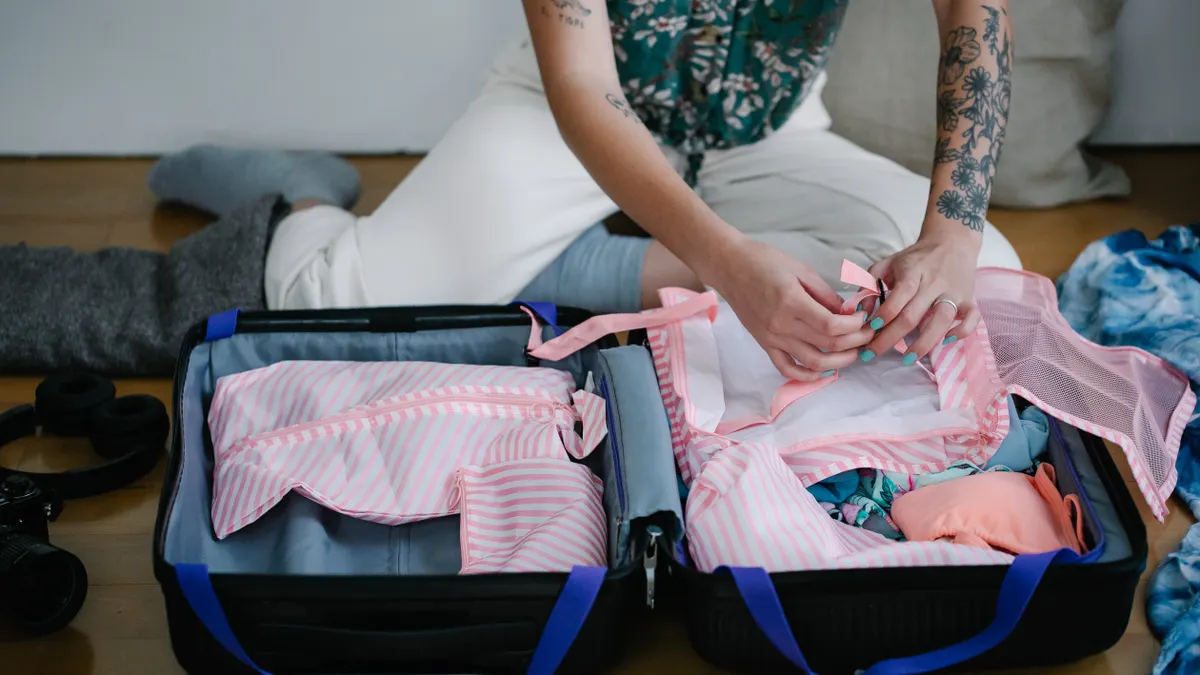
The cleanest way to choose is to compare the two against the actual conditions that matter. I am not interested in vague “pros and cons” here; the decision changes based on fit, airline enforcement, and how much you really carry.
| Criteria | Carry-on bag | Personal item | Winner for [condition] |
|---|---|---|---|
| Storage location | Overhead bin | Under the seat in front of you | Personal item for keeping it close |
| Typical packing capacity | Larger, room for multiple outfits | Smaller, for essentials and one compact loadout | Carry-on for trips over 1–2 nights |
| Boarding convenience | Slower, can mean bin competition | Faster, usually stays with you | Personal item for full flights |
| Airline enforcement risk | Higher, especially on strict fares | Lower if it fits under the seat | Personal item for basic economy |
| Access in flight | Harder once stowed | Easier throughout the flight | Personal item for frequent in-seat access |
| Fit for work gear | Good for laptops plus extras | Best for laptop and charger only | Carry-on for hybrid work trips |
| Fit for one-bag travel | Strong if the trip is minimalist | Very strong if the trip is ultra-light | Personal item for minimalists |
| Risk of gate check | Higher on crowded flights | Low | Personal item when bins fill up |
| Bulky items | Better for shoes, jackets, toiletries | Poorer unless the items are tiny | Carry-on for bulkier packing |
The pattern is simple: the carry-on wins on volume, while the personal item wins on certainty. If the airline says one bag only, the personal item is the safer interpretation because it is the one that is most often allowed under-seat without debate. If the trip needs more than a single compact loadout, the carry-on is the practical choice.
The weak point in most generic articles is pretending both options are equally convenient. They are not. A traveler who values speed, a guaranteed place for the bag, and fewer gate interactions should think first about the personal item. A traveler who values clothing variety, packing flexibility, and fewer compromises should think first about the carry-on.
For a general guide to measurements and airline terms, this comparison pairs well with a detailed carry on luggage size guide, since the size rules are where many baggage problems actually begin.
When airline rules change the answer
Airline baggage policy changes the answer more than bag style does. A full-service carrier may include a standard carry-on and a personal item, while a low-fare ticket may include only the small under-seat bag unless you pay for the larger one. That is why the same backpack can be a sensible personal item on one fare and an expensive mistake on another.
The under-seat space is not infinitely flexible either. Seat design varies by aircraft type, and rows near the bulkhead or exit can have different space constraints. A bag that fits in one cabin layout may feel awkward or impossible in another. This is why airline sizing charts matter, even when they seem annoying. They are the closest thing to a contract between your bag and the flight.
The decisive question is not “Can I bring it?” It is “Can I bring it without relying on a friendly gate agent, an empty bin, or a generous reading of the rules?” If the answer is no, choose smaller. Airlines and passengers both reward the bag that creates the least friction.
Two reliable sources are worth checking before any flight: the airline’s own baggage page and the FAA’s passenger guidance for U.S. flights, which explains safe stowage and cabin rules. For broader baggage standards, I would also look at IATA’s passenger baggage guidance, since many airlines model their policies around it. For example, the FAA’s guidance on carry-on baggage and the IATA passenger baggage page are both useful before you pack.
The verdict: which one to choose and why
Choose the carry-on bag if you need more than one compact outfit, expect to pack shoes or toiletries, or want the freedom to travel for several days without checking luggage. Choose the personal item if you want the fastest boarding, the lowest enforcement risk, and a bag that is most likely to stay with you under the seat. Neither if your airline ticket includes only a small personal item and your packing list cannot realistically fit that limit.
The recommendation is blunt: for most short trips, the personal item is the smarter default; for trips that require real packing space, the carry-on is the better tool. The wrong choice is trying to make one bag do both jobs badly.
Exception scenarios where the answer flips
A carry-on can become the wrong answer in a few common cases. If the flight is on a strict low-cost carrier with a narrow baggage allowance, the larger bag may cost you more hassle than it is worth. If you are boarding late on a full flight, the overhead bin can fill before you reach your seat, turning the “easy” option into a gate-check risk. If you are connecting through a busy airport and moving fast between gates, a smaller personal item can save time and strain.
The personal item flips the other way when the trip is not really short. A two-night business trip with dress shoes, a laptop, and charging gear can push the bag past sensible limits. So can travel in cold weather, when one jacket is not enough and the layers pile up fast. A photographer, medical traveler, or parent carrying shared supplies may also need the larger bag simply because the contents are not compact.
There is one more flip case that people miss: if you are flying with a bag you do not want to check, but you also need to access it often during the flight, a large personal item can be better than a carry-on that disappears into the bin. In that case, the issue is not size alone; it is access. A backpack-style under-seat bag can win because it keeps essentials within reach for the full flight.
Can I bring both a carry-on and a personal item?
Yes, many airlines allow both, but the fare rules control whether that is true for your ticket. The usual setup is one larger bag for the overhead bin plus one smaller under-seat bag, though basic economy and ultra-low-cost fares often restrict the larger piece. I would check the airline baggage policy before packing, because the rule can change by route, aircraft, and fare class.
Is a backpack a personal item?
Yes, a backpack can be a personal item if it fits under the seat and matches the airline’s size limit. The shape matters less than the fit. A slim daypack usually works better than a hiking pack or a bulky school bag. If the backpack is too full to compress under an airline seat, it may be treated as the larger cabin bag instead; if you are unsure, check the airline’s baggage policy or ask the airline before you fly.
Which is better for a short trip?
The personal item is better for most short trips because it is easier to carry, faster to board with, and less likely to be challenged at the gate. A carry-on is better only when the short trip still needs extra clothing, larger toiletries, or work gear. If the trip is one or two nights and the packing list stays small, the under-seat bag is usually enough.
Drafted with AI; not yet reviewed by a person.





Leave a Reply