
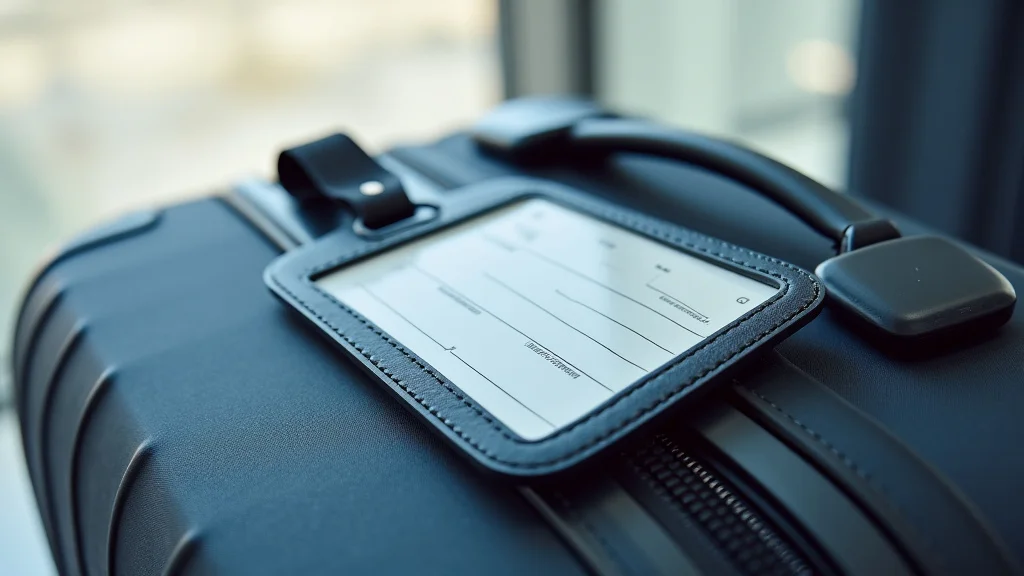
Picture this: You’re at the baggage claim, weary from your flight, and you spot a suitcase that looks just like yours. Panic sets in! Did someone accidentally grab your bag? This scenario, and others like it, highlights the importance of a good luggage tag airline. This guide will explore everything you need to know about choosing the perfect tag to safeguard your belongings. By the end, you’ll feel confident in selecting a tag that keeps your luggage safe and identifiable, giving you peace of mind on your travels. You will have a better grasp of the value of investing in these small but essential travel companions.
Key Takeaways
- Learn about the different types of luggage tags and their features.
- Discover how to choose a durable and secure luggage tag.
- Understand the importance of the information displayed on your tag.
- Get tips on how to prevent your luggage tag from being damaged or lost.
- Explore the benefits of using a luggage tag from the luggage tag airline.
- Find out what to consider when comparing different luggage tag airline options.
The Importance of a Reliable Luggage Tag
Traveling by air presents numerous opportunities for misplacement, damage, and confusion regarding luggage. When hundreds of bags are loaded and unloaded daily, things sometimes get lost. A properly chosen and correctly affixed luggage tag acts as your luggage’s primary identification. It provides vital contact information, increasing the chances of its safe return if it goes astray. Without a tag, or with a poorly constructed one, your bag becomes a nameless wanderer in the airport system, with very little chance of finding its way back to you. The small investment in a sturdy tag can pay off immensely by saving you time, stress, and the potential loss of valuable items.
Types of Luggage Tags
The marketplace offers a range of luggage tag options, each with advantages. The choices include standard paper tags, which are common but less durable. Then there are plastic tags, more resilient than paper. Leather luggage tags offer a blend of style and toughness. Metal tags provide the highest level of durability and a premium feel. Another category is smart tags, which incorporate technology such as QR codes or Bluetooth to aid in location tracking. Considering these different types is key when deciding which best suits your requirements. Consider the frequency of your travels, your luggage’s environment and the level of security you require.
- Paper Tags: These are the most basic and typically come free from the airline. They are usually attached with string or plastic ties. Their primary disadvantage is that they’re easily torn and can become unreadable.
- Plastic Tags: These are a step up from paper tags, offering greater durability. They are often made of PVC or similar materials. They are more resistant to water and tearing. However, they can still crack or break under significant stress.
- Leather Tags: Leather tags provide a classic look and are generally robust. High-quality leather can withstand wear and tear. They often feature reinforced stitching and durable straps. Leather tags can become more attractive with age.
- Metal Tags: Metal tags are the most durable option. They are made from materials like stainless steel or aluminum. These tags are resistant to almost anything. They can last for years, even with frequent travel.
- Smart Tags: Smart tags incorporate technology such as QR codes or Bluetooth to track your luggage. Some allow you to share your location with the airline or other services. This can dramatically increase the likelihood of getting lost luggage back.
Paper tags are often used for quick identification, especially when checking your bags. While convenient, they’re the least durable and not ideal for frequent flyers or rough travel conditions. Their use is best for one-time trips where the bag’s journey is limited.
Plastic tags are a decent option for travelers who fly occasionally. They provide better protection than paper tags. They are often inexpensive and available in various designs and colors, allowing for personalization. Plastic tags’ lifespan can vary depending on their build quality and exposure to the elements.
Leather tags are a great option for the style-conscious traveler. They offer a balance of durability and aesthetic appeal. The longevity of a leather tag depends on the leather’s quality and how well it’s maintained. They’re suitable for all types of travel, as long as they are treated with care.
Metal tags offer the highest degree of protection for your information. They can handle a lot of wear and tear, making them ideal for frequent flyers and those who travel in rough environments. They also tend to give an impression of quality and safety. A potential downside is that they can be more costly than other options.
Smart tags provide an extra layer of security. They can offer peace of mind by allowing you to track your luggage’s movements. They usually require batteries or a power source. They may also necessitate subscriptions to specific services. Consider your tech knowledge and travel habits to determine whether a smart tag suits your needs.
Features to Look For in a Tag
The best luggage tags combine durability, security, and ease of use. A few key features will help your tags perform well, regardless of the type you choose. Choosing a tag with these qualities significantly reduces the risk of your bag being lost or damaged during transit. Focus on tags with these factors for a more relaxed trip. These elements will safeguard your luggage and provide peace of mind.
- Durable Material: This is a must, no matter the tag type. The material must be tough enough to withstand the rigors of baggage handling. This usually means resisting tearing, cracking, and water damage.
- Secure Attachment: The attachment mechanism keeps the tag firmly connected to your luggage. Consider loops, straps, and buckles. Ensure they are well-made and resistant to breakage.
- Clear and Legible Information: The tag’s primary function is to provide contact information to locate the owner. The info should be easy to read, with large print. Avoid using fonts that are difficult to decipher.
- Privacy Features: A cover or flap over your personal information adds an additional layer of security. This protects your contact details from being easily viewed by everyone.
The longevity of a luggage tag heavily relies on its material. Metal and quality leather are generally better choices. Plastic tags should be made of thick, flexible plastic. Poor materials may break off, especially during the handling process at airports. Choosing long-lasting materials keeps your information safe during travel.
A secure attachment mechanism is as important as the tag itself. A weak attachment is as good as no tag. A metal loop, a sturdy leather strap with a buckle, or a durable plastic strap are all good. Avoid anything that looks easily breakable or appears unreliable. Regularly check the attachment for any signs of wear.
The information on the tag needs to be easily read under various conditions. Include your full name, phone number, and email address. A clear and legible design makes it easy for airline staff to read your information. A clearly printed tag increases the chance of a successful bag recovery. Consider using waterproof ink to prevent fading from the elements.
Privacy features help prevent unauthorized access to your personal information. A flap or cover keeps details confidential during transit. This reduces the risk of identity theft or unwanted solicitations. These options give peace of mind and protect your personal information.
Important Information to Include
A luggage tag airline should include all the necessary contact details. Ensure that any information you include is accurate and up-to-date. This will greatly increase the chances of a successful return if your luggage is misplaced. The information should be clear and accessible. Keeping your contact information current is also essential. This helps facilitate a quick and safe return. This can be the only link between you and your belongings if separated.
- Full Name: Your full name helps identify your bag as yours. Use the name that matches your airline ticket.
- Phone Number: A phone number is one of the easiest ways for someone to reach you. It should be a number you can be reached at while traveling.
- Email Address: An email address is a good secondary form of contact. It can be useful if you’re unreachable by phone. Check it regularly while traveling.
- Mailing Address: While not essential, a mailing address can be helpful, particularly if your phone and email aren’t accessible. It helps if the airline needs to physically send something to you.
Having your full name, rather than initials, can help with the identification process. This information is a quick and basic means of associating your bag with you. Using the name on your ticket is essential to avoid any confusion or delays. It’s a standard method for matching your luggage with your flight information.
A direct line of communication is essential when your luggage goes astray. Ensure you include your current phone number. The faster the airline or baggage handler can reach you, the better. Consider including your international calling prefix if you’re traveling overseas. Keep this number updated whenever your contact details change.
An email address offers another way to stay in contact. It allows for written communication with the airline or baggage service. Make sure you check your email regularly. It is particularly helpful if you are unreachable by phone. An email gives the airline a way to provide updates and any necessary instructions.
A mailing address serves as a last resort, particularly for domestic travel. Ensure your address is accurate and the destination accepts mail. It is less common in today’s travel. This can be a backup in cases where phone and email communication are not effective.
Preventing Damage and Loss
Preventing damage and loss of your luggage tag is vital. Ensure your tag is well-protected and that it is securely attached. By taking extra care, you can help safeguard your luggage’s identification. Inspect the tag regularly to make sure it is in good condition. These actions are helpful in preventing any mishaps during travel.
- Secure Attachment: The attachment mechanism should be durable. Check it often for signs of wear. Make sure the tag isn’t likely to come loose.
- Protected Placement: Try to position your tag out of the way. Place it away from areas that could be easily snagged. Avoid placing it on external pockets or handles where it can be ripped.
- Regular Inspection: Check your tag after each trip. Look for any damage or wear and tear. If it’s damaged, replace it immediately to prevent losing your contact information.
- Use Multiple Tags: You can use multiple tags on your luggage for added security. This doubles the chances that your information is available.
A secure connection is crucial for keeping your tag in place. A strong loop or strap that is firmly affixed is vital. Inspect the attachment before each trip, particularly if you have used the tag many times. If the attachment appears worn, replace the tag before it has a chance to fail.
The placement of your luggage tag can affect its survival. Putting it in a less exposed area can help. It’s best to attach it to the main body of the suitcase. This protects it from being caught or damaged during the handling process. Place the tag where it’s visible but not easily snagged.
Inspect your tag frequently. Look for any damage such as tears, cracks, or loose components. This can help detect any potential issues before your next trip. Replacing a damaged tag promptly protects your important contact information. Doing this can save the aggravation of a lost bag.
Using more than one tag increases the possibility of your bag being identified. Place the tags in different spots on your luggage. If one tag is damaged or lost, the other can still provide the information. Using multiple tags is particularly helpful during long or complex trips. The extra tag is an extra precaution and can save you time and trouble.
Choosing the Right Airline Luggage Tag
Selecting the right luggage tag involves considering your personal travel needs. You need to assess the level of protection you need. Also, you should decide if you are looking for advanced features. Consider what suits your style and how often you travel. Deciding on the best luggage tag airline is not a one-size-fits-all thing. Your perfect tag is a mix of security, practicality, and personal choice.
Assessing Your Travel Needs
When choosing a luggage tag, consider how you typically travel. For example, if you are a frequent flier, you might favor durability. For occasional trips, a simpler tag can be good. Understand the types of trips you take and the environments where your bags are usually handled. This will help you select the most useful tag.
- Frequency of Travel: Those who travel frequently might want a more durable and robust tag. Frequent flights require a tag that can endure tough handling.
- Type of Travel: If you take a lot of cruises, you will need tags that can handle moisture. Backpackers might value tags that can fit tight spaces.
- Baggage Handling Environment: Consider how your luggage is handled at the airport. Look for tags that withstand rough handling. Look for sturdy materials that can handle being thrown around.
- Security Concerns: If you are worried about security, think about privacy features. These include covers or flaps that shield your personal data from prying eyes.
Frequent travelers should consider investing in a luggage tag made from sturdy materials such as metal or high-quality leather. Frequent usage can lead to wear and tear. A stronger tag reduces the likelihood of damage or loss. Prioritizing durability will offer more peace of mind.
Different types of travel will influence the best tag. Cruise luggage tags should be waterproof to withstand sea spray. For rough travels, a simple tag could be torn or lost. Think about the types of trips you typically take. Choose a tag that fits those environments and conditions. This ensures that the tag remains effective.
Consider the typical baggage handling processes. If your luggage is frequently moved around, you may prefer a tag that resists ripping or snagging. This includes reinforced attachment points and robust construction. A tag suited to rough handling will protect your information, no matter how luggage is handled.
If you’re worried about security, choose tags with extra safety features. A cover on your tag that protects your contact information can be useful. A hidden interior compartment protects your information even further. These security measures offer additional reassurance during travel. They can help protect your personal information.
Features to Prioritize
When selecting your luggage tag airline, think about the must-have features. The features should balance durability, security, and usability. Look at key features that will make your tag as effective as possible. Thinking about these essential elements will improve your travel experience.
- Durability: The material should withstand rough handling. The attachment mechanism needs to be strong and secure.
- Security: Privacy features will protect your contact data. These include covers to conceal your information from general view. Look for ways to prevent tampering.
- Ease of Use: The tag should be simple to install and update. The information on the tag needs to be clear and easy to read, with an easy-to-read font.
- Design and Style: The tag’s design can affect its look and feel. Choose one that reflects your tastes, as well as your needs.
A sturdy luggage tag must withstand wear and tear. Choose materials like metal or thick, hard plastic. The attachment, whether a strap or loop, must also be durable. Strong materials and a robust design extend the tag’s lifespan, even with frequent use. Choose a tag that can survive constant handling and exposure.
Prioritize features that will shield your data. This can include a cover that protects the tag from damage. This also includes keeping your personal data out of sight. A design that prevents tampering adds extra security, especially in airports and other public spaces. This extra safety can provide peace of mind.
Ease of use is essential for a luggage tag. It should be easy to attach to your luggage and to update your contact data. Your contact info must be clear and legible, even from a distance. A tag that’s simple to use and easy to read will significantly improve its functionality. This helps the baggage staff or other personnel to quickly identify your luggage if it becomes lost.
The design of your luggage tag is a factor in your choice. The design should align with your style. Consider colors, shapes, and materials. Choose a tag that you find attractive and easy to locate among a pile of luggage. A well-designed tag makes your luggage simple to identify.
Comparing Different Options
There are many options for luggage tags. They all vary in design and cost. It is key to evaluate each based on your individual requirements. A well-chosen tag will make travel easier. Before deciding, compare the features, materials, and user reviews. You need to match the tag to your needs to improve your travel experience.
| Tag Type | Material | Attachment | Features | Price Range |
|---|---|---|---|---|
| Paper | Paper | String/Tie | Basic Identification | Free-Low |
| Plastic | PVC/Plastic | Strap/Loop | Durable, Water-Resistant | Low-Mid |
| Leather | Leather | Strap/Buckle | Stylish, Durable | Mid-High |
| Metal | Steel/Aluminum | Metal Loop/Strap | Very Durable, Premium | Mid-High |
| Smart | Various (Often Plastic/Metal) | Various | Tracking, Location Services | High |
Common Myths Debunked
There are several misconceptions about luggage tags. Understanding these myths helps to select the best tag for your requirements. Separating fact from fiction helps in choosing a luggage tag.
Myth 1: Any Tag Will Do
Many travelers assume that any tag is adequate. This is not always true. The quality of the tag greatly affects its effectiveness. A cheap tag or one that’s poorly attached is likely to be lost. Choosing a strong and well-made tag increases the chances that your luggage will be returned if it gets lost.
Myth 2: Smart Tags are Always the Best
People often believe that a smart tag is always the perfect solution. While smart tags have features, they aren’t flawless. They require batteries and can have issues with Bluetooth connections. They also rely on network coverage. A sturdy tag with basic information can be more effective in certain situations.
Myth 3: The Airline Provides the Best Tags
Some people think that the tags given out by the airline are perfect. However, these are often basic, paper tags. While functional, they are not necessarily robust. It’s often wiser to purchase a more durable tag. This gives greater protection against being lost or damaged during a flight.
Myth 4: A Decorative Tag is Enough
Some think a decorative tag will suffice. The focus should be on the tag’s functionality. The tag’s primary purpose is identification. Though a stylish tag can be attractive, the key aspect is clear contact information. Make sure it’s durable and the information is easy to read.
Myth 5: It’s Okay to Omit Information
A few travelers feel they should leave out certain details. Some think they do not need to include a phone number or email address. But the more information you offer, the better chance there is of your bag being returned to you. Providing a phone number and email address helps baggage services quickly contact you.
Frequently Asked Questions
Question: Can I use multiple luggage tags?
Answer: Yes, using multiple tags is a great practice. It offers additional security. You can put tags in different places on your luggage.
Question: What information should I include on my luggage tag?
Answer: Include your full name, phone number, email address, and possibly your mailing address. This information is key for identifying and returning your luggage.
Question: Are smart luggage tags worth it?
Answer: Smart tags can offer extra features like real-time tracking. However, they require batteries and may have connection limitations. Consider your travel habits to decide if they fit your needs.
Question: How do I attach a luggage tag securely?
Answer: Make sure the attachment mechanism is durable and firmly secured. Check it for wear and tear before each trip. Put it in a place on your luggage where it won’t be easily damaged.
Question: How often should I replace my luggage tag?
Answer: Replace your tag when it shows signs of damage or wear. Inspect it after each trip. Replace it as soon as the information is no longer legible or the attachment is compromised.
Final Thoughts
Selecting the ideal luggage tag airline is a small yet significant step to secure a relaxed travel experience. From a simple paper tag to a smart tag, the possibilities are diverse. Consider your travel patterns, durability, and the value of security to pinpoint your needs. By opting for a reliable tag and taking steps to protect it, you enhance your chance of your belongings staying with you throughout your adventure. By carefully picking a luggage tag, you are not just acquiring a device; you are getting a guarantee of a seamless journey. So, choose wisely, travel safely, and set out with confidence knowing your luggage is properly tagged and prepared for the trip. Don’t leave home without it; this small step can prevent a big headache.