
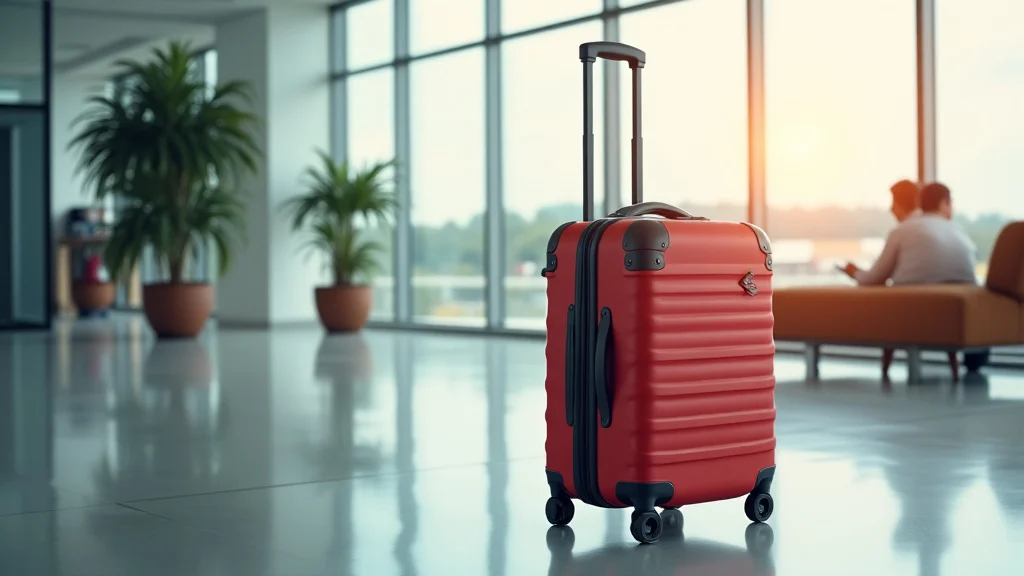
Picture this: you’re at the airport, ready to jet off on an exciting adventure. You approach the gate, and suddenly, you’re hit with a hefty baggage fee because your carry-on is just a tad too big. Sound familiar? It’s a common travel headache. This guide focuses on luggage 40x20x25, the magic dimensions often allowed for free carry-on travel. We’ll explore the ins and outs, helping you choose the perfect bag and avoid those frustrating fees. You’ll gain practical advice to make packing easy and efficient. The goal is to equip you with the knowledge to travel with confidence, making your trips smoother and more enjoyable. Prepare for informed travel choices.
Key Takeaways
- Understand the specific size requirements of luggage 40x20x25 for airlines.
- Learn how to choose the best carry-on bags within these dimensions.
- Discover expert packing strategies to maximize space and minimize weight.
- Find out what to look for in luggage 40x20x25 materials and features.
- Get tips on avoiding extra baggage fees and traveling smarter.
- Explore which airlines strictly enforce these carry-on limits.
Understanding Luggage 40x20x25 Dimensions
The dimensions 40x20x25 centimeters are a standard size for carry-on luggage for many airlines, particularly those operating within Europe and budget carriers globally. This size is designed to fit in the overhead compartments of most aircraft. However, it’s important to remember that these dimensions refer to the overall size of the bag, including any handles, wheels, and external pockets. Exceeding these measurements, even by a small amount, can result in your bag being checked and incurring additional charges. Knowing and adhering to these requirements is critical for a smooth travel experience. The goal is to provide travelers with the ability to bring their essential items on board, avoiding the delays associated with checked baggage and saving time at the destination.
What the Numbers Mean
The 40x20x25 cm dimensions translate to roughly 15.7 x 7.9 x 9.8 inches. This size is specifically chosen to optimize space within the overhead compartments. The height of 25 cm is usually the most restrictive dimension, designed to allow the bag to fit lengthwise in the overhead bin. The 40 cm width allows for side-to-side placement, while the 20 cm depth provides enough space for essential items without being too bulky. Always confirm with the specific airline regarding their carry-on limits as they can vary slightly. Make sure to consider that the bag’s structure and external features, like wheels and handles, all contribute to the final size. Many bag manufacturers design specifically for this size, making them a common choice among savvy travelers.
- 40 cm (Width): This refers to the horizontal measurement of the bag.
- 20 cm (Depth): This measurement is the bag’s thickness or how far it extends out.
- 25 cm (Height): This is the bag’s vertical measurement, from the base to the top.
- Consider External Features: Remember to factor in wheels, handles, and any protruding pockets.
Many popular airlines adhere to these measurements, but some may have stricter or slightly different limits. For instance, Ryanair, Wizz Air, and easyJet are well-known for their strict enforcement of luggage 40x20x25 size restrictions, sometimes even having sizers at the boarding gate. These airlines often charge extra for larger carry-ons, motivating travelers to conform to these dimensions. Checking an airline’s specific policies before flying prevents surprises at the airport. This information is usually found on the airline’s website under the baggage information section, and it is usually kept up-to-date.
Why These Dimensions Matter
These dimensions are important for several reasons. Primarily, they ensure that your carry-on luggage will fit in the overhead bins of most airplanes. This allows you to avoid the inconvenience and potential fees of checking your bag. Secondly, traveling with a bag that meets these requirements can save you time, especially when arriving at your destination. You can often go straight from the plane to the exit without waiting at the baggage claim. Finally, following these size limits can encourage more efficient packing. To make the most of the limited space, you will need to prioritize essentials. This can lead to a more streamlined and less stressful travel experience.
- Airline Compliance: Ensures your bag will be allowed as a carry-on.
- Cost Savings: Avoids checked baggage fees, which can add up quickly.
- Time Efficiency: Saves time at the airport by not having to check or wait for luggage.
- Convenience: Allows easy access to essentials during the flight.
- Packing Efficiency: Forces you to pack lighter and more smartly.
Choosing the Right Luggage 40x20x25
Selecting the right luggage 40x20x25 requires care and planning. Consider factors such as the bag’s material, its internal features (like compartments and packing straps), and the inclusion of external features like wheels and handles. Weight is also critical. A bag that’s too heavy when empty will leave less allowance for your belongings. Think about the type of travel you usually do. A business traveler might need a bag with a dedicated laptop compartment, while a vacationer might want more flexibility. Reviewing user reviews and comparing options online can help you make an informed decision. Making a smart choice here will bring a lot of convenience to the travel.
Materials and Construction
The materials used in the construction of a luggage 40x20x25 can greatly impact its durability, weight, and overall appearance. Common materials include nylon, polyester, and polycarbonate. Nylon and polyester are durable, often water-resistant, and relatively lightweight, making them good choices for everyday travel. Polycarbonate is a hard-shell material known for its impact resistance, which helps protect the contents of the bag. The bag’s overall design can include a telescoping handle, sturdy wheels, and reinforced corners to further enhance durability. Examine the quality of the zippers, seams, and handles to ensure they can withstand regular use. These details contribute to the bag’s overall life span. Good materials mean better protection for the items inside, particularly during transport.
- Nylon: Durable, water-resistant, and lightweight.
- Polyester: Similar to nylon, often more affordable.
- Polycarbonate: Hard-shell, provides excellent protection against impact.
- Aluminum: Premium option, lightweight, durable, and stylish.
- Soft-shell vs. Hard-shell: The right choice depends on your packing style and needs.
Consider the number of compartments and pockets. Internal dividers and packing straps can keep your items organized and prevent them from shifting during travel. External pockets provide easy access to essential items like your passport, phone, and travel documents. Look for features like compression straps that help to reduce the bag’s overall volume, making it easier to fit within the size restrictions. Remember the wheels. They should be durable and easy to maneuver, especially if you’ll be navigating crowded airports or uneven surfaces. Some bags also include a TSA-approved lock to add an extra layer of security. Evaluate what you need to organize your belongings. This may vary on the trip you plan to take.
Features to Look For
When searching for a carry-on, pay attention to the little things. Look for smooth-rolling wheels and sturdy handles that make maneuvering the bag effortless. The telescoping handle should extend to a comfortable height. Consider the weight of the empty bag. Lighter bags allow you to pack more without exceeding airline weight limits. Also, review the available colors and styles to pick something you like and that will be easy to spot at the baggage claim if necessary. Check the warranty offered by the manufacturer. A good warranty indicates the bag’s quality. Small details, such as reinforced seams, can extend the life of your bag. Think about your personal preferences and packing needs. The ideal bag is the one that best suits your travel style.
- Wheels: Smooth-rolling, durable wheels are critical.
- Handle: Telescoping handle for easy maneuvering.
- Weight: A lighter bag allows for more packing.
- Compartments: Internal organization for easy access.
- Zippers: Durable and secure zippers are necessary.
Packing Strategies for 40x20x25 Bags
Mastering the art of packing a luggage 40x20x25 bag is key to stress-free travel. Efficient packing is about selecting the right items, maximizing space, and keeping your bag within the weight limits. This involves using packing cubes, rolling clothes to minimize wrinkles, and strategically placing heavier items near the wheels for balance. Consider the climate and your planned activities to select clothes. Learn to pack smart by creating a packing list and sticking to it. A well-organized bag makes finding your items easy and allows you to travel in comfort. The goal is to make every inch of available space useful, so consider these packing strategies.
Packing Smart
Begin by creating a detailed packing list. This helps you to avoid overpacking. Choose versatile clothing items that can be mixed and matched. Layering is a great strategy. Rolling your clothes instead of folding them is an effective way to save space and minimize wrinkles. Utilize packing cubes to organize different categories of items, such as clothing, toiletries, and electronics. Fill every space, including the inside of shoes, with smaller items like socks or underwear. Distribute weight evenly throughout the bag. Heavier items should be placed near the bottom, close to the wheels, for better stability. Remember to leave space for any souvenirs you might want to bring back. The more efficiently you pack, the more stress-free your travel will be.
- Create a Packing List: Plan out what you need before you start packing.
- Roll Your Clothes: Saves space and reduces wrinkles.
- Use Packing Cubes: Organize your belongings.
- Wear Your Heaviest Items: This helps to reduce the weight in your bag.
- Utilize Every Space: Fill shoes and other empty spaces with small items.
Using packing cubes is a simple strategy to keep your bag organized. These are lightweight fabric containers that fit inside your luggage. They come in different sizes and shapes. They help you to separate items by type or use. For example, you can use one cube for shirts, another for pants, and another for underwear. Packing cubes not only make it easier to find what you need but also help to compress your clothing. This can free up space in your bag. They also protect your clothing from spills. By keeping everything organized, packing cubes greatly streamline the process of packing and unpacking. Consider different cube sizes. They come in many sizes to fit everything you might need.
Maximizing Space
The key to maximizing space is to eliminate anything you don’t really need. Start with your clothes. Choose versatile items that can be worn in multiple ways. Reduce the number of shoes you bring. Shoes take up a lot of space. Pack travel-sized toiletries to save space and avoid exceeding airline liquid restrictions. Use the space inside your shoes for small items such as socks and underwear. Consider compression bags. These bags use air compression to further reduce the volume of your clothes. They are especially useful for bulky items like sweaters or jackets. If possible, wear your bulkiest items on the plane. Every bit of space counts when you are working with a limited area. Reduce what you bring to what you need.
- Choose Versatile Clothes: Pack items that can be mixed and matched.
- Minimize Shoes: Shoes take up a lot of room; only pack what you need.
- Use Travel-Sized Toiletries: Save space and avoid liquid restrictions.
- Wear Bulky Items: Wear the heaviest items on the plane.
- Utilize Compression Bags: Compress clothes to reduce their volume.
Avoiding Baggage Fees and Airport Hassles
Avoiding baggage fees and airport hassles comes down to a few basic principles: knowing the rules, choosing the right bag, and packing it smartly. Airlines clearly state their baggage policies on their websites. Checking these rules before you travel can prevent unexpected fees at the gate. Selecting a luggage 40x20x25 bag that meets the size restrictions for your flight is the first step. The second step is packing your bag effectively to make the best use of the limited space and avoid exceeding the weight limits. Always weigh your bag at home before you leave. This helps you to make sure it complies with the airline’s weight restrictions. Doing your research and planning ahead will result in a stress-free travel experience.
Understanding Airline Policies
Familiarize yourself with the specific baggage policies of the airlines you’ll be flying. Different airlines have different rules about carry-on size, weight, and the number of bags you can bring without charge. Some budget airlines, such as Ryanair and easyJet, are particularly strict about these rules and aggressively enforce them. Some airlines have more generous policies. Always check the airline’s website or contact them directly to confirm their current rules. This is especially important if you are flying with multiple airlines during your trip. Know the limits before you travel. This will help you to avoid surprises and extra fees at the airport. You can also research reviews of airlines. Many reviews will explain baggage policies.
Here’s a comparison table showing some airlines and their carry-on policies for size (40x20x25 may vary):
| Airline | Max Carry-on Dimensions (cm) | Weight Limit | Additional Notes |
|---|---|---|---|
| Ryanair | 40 x 20 x 25 | 10 kg | Strict enforcement; extra fees apply for larger bags. |
| easyJet | 45 x 36 x 20 | Unlimited | Passengers may need to pay for a larger bag. |
| British Airways | 56 x 45 x 25 | 23 kg | Two bags allowed, within weight limit. |
| Delta | 56 x 35 x 23 | 11 kg | Varies by class and route. |
| United | 56 x 35 x 22 | Varies by class | Standard limits; additional fees for checked bags. |
Weight and Measurement Checks
Many airports now have baggage size sizers to check whether carry-on bags meet the airline’s dimensions. Before you leave for the airport, measure your bag carefully to make sure it complies with the airline’s size restrictions. Even a small amount over the limit may mean your bag will be considered checked luggage. Weigh your bag before you leave for the airport. This is especially important if you are traveling with a budget airline that enforces strict weight limits. Having a portable luggage scale at home is a practical investment. If your bag exceeds the weight limit, you will need to rearrange your items. Wear your heaviest items. Move some items to your personal item bag or consider checking a bag. Careful measurement and weighing will prevent unnecessary airport stress.
Common Myths Debunked
Myth 1: Any Carry-on Will Do
Many people believe that any carry-on bag is acceptable as long as it fits in the overhead compartment. The reality is that airlines have specific size limits, like the luggage 40x20x25 size. Disregarding these limits can lead to unexpected baggage fees. It’s important to research the airline’s rules before your flight.
Myth 2: You Can Always Get Away With a Slightly Oversized Bag
Some people think that they can always get away with a bag that is a little too big. However, airlines often use size checkers at the gate. If your bag exceeds the limits, you’ll be forced to check it and pay extra. This can lead to extra costs and create an unwanted delay. Don’t take the risk.
Myth 3: All Airlines Have the Same Baggage Rules
People often assume that all airlines follow the same rules about carry-on luggage. In fact, baggage policies differ significantly between airlines, particularly between budget and full-service carriers. It’s always best to check the specific airline’s rules. They can also change, so check before each trip.
Myth 4: Hard-Shell Bags Are Always Better
Some travelers believe that hard-shell bags are always the best choice. While hard-shell bags offer more protection, they often weigh more and may not be as flexible as soft-shell bags. The best type of bag depends on your travel needs. Consider the balance of protection, flexibility, and weight.
Myth 5: It’s Okay to Overpack If Your Bag Fits
People sometimes believe that it’s okay to overpack a carry-on if it fits within the size limits. Airlines often have weight restrictions in addition to size restrictions. Overpacking can make your bag too heavy, leading to potential fees. Also, a very full bag is more likely to cause problems.
Frequently Asked Questions
Question: What are the exact dimensions of luggage 40x20x25?
Answer: These dimensions translate to 40 centimeters (width) x 20 centimeters (depth) x 25 centimeters (height).
Question: Which airlines are strict with the luggage 40x20x25 size?
Answer: Budget airlines like Ryanair, Wizz Air, and easyJet often strictly enforce this size limit.
Question: Do the wheels and handles count towards the dimensions?
Answer: Yes, the 40x20x25 dimensions include the wheels, handles, and any external pockets.
Question: What’s the best material for a carry-on bag?
Answer: Durable and lightweight materials like nylon, polyester, or polycarbonate are good choices.
Question: How do I avoid baggage fees when traveling with a luggage 40x20x25 bag?
Answer: Stick to the size and weight limits and take advantage of free personal item allowances.
Final Thoughts
Traveling with luggage 40x20x25 offers several benefits, from avoiding checked baggage fees to enjoying a faster airport experience. Choosing the right bag involves considering its material, features, and weight. The key is to pack efficiently. Knowing how to pack smart, using packing cubes, and rolling your clothes will maximize space. Be sure to understand each airline’s policies regarding size and weight limits. Remember to check these policies before your trip. You now have the necessary tools to choose the perfect carry-on and pack it effectively, preparing you for easier, more budget-friendly trips. Pack your bags, and get ready for your travels.