Remember that frantic feeling at the airport baggage check, staring at the scale, praying your bags aren’t over the limit? We’ve all been there! Planning your trip with a luggage 15kg allowance can feel tricky. This guide removes the guesswork, helping you pack efficiently and avoid those extra fees. You’ll gain practical packing tips, understand airline restrictions, and learn how to maximize your space. By the end, you’ll feel confident packing for your next adventure. This will boost your confidence and reduce unnecessary airport stress, providing a smooth travel experience with efficient packing skills.
Key Takeaways
- Learn the exact size and weight restrictions for 15kg luggage.
- Discover practical packing strategies for efficient space utilization.
- Explore the best types of luggage suited for a 15kg limit.
- Find out how to choose travel essentials that are compact and lightweight.
- Understand airline rules regarding 15kg luggage to avoid extra charges.
- Get tips on the best travel gear that keeps you within the weight limit.
Understanding Luggage 15kg Restrictions and Guidelines
When you hear “luggage 15kg,” it immediately brings restrictions to mind. This weight limit is typical for carry-on luggage with some airlines, or for checked bags on budget carriers. The key to successful travel within this limit lies in a detailed awareness of the guidelines. Every airline has its own detailed set of rules, so double-check those on your specific airline’s website prior to traveling to ensure smooth travels and avoid any unexpected fees or disappointments. It’s smart to compare your airline’s policy with others if you are unsure.
The rules include both weight and size restrictions. Usually, the height, width, and depth of the bag add up to a certain maximum. Check the airline’s website or contact customer service for your flight’s specifics. Exceeding these limits can result in extra charges, or sometimes, the need to repack your luggage at the airport, causing stress and possibly delaying your trip. A little extra research ahead of time is definitely worth it.
Airline-Specific Policies for 15kg Luggage
Airlines have different policies for luggage, including the luggage 15kg limit. For example, some budget airlines are strict about these limits to generate revenue, while major airlines may be more flexible, especially for carry-on items. These policies often vary depending on the class of service (e.g., economy, business, first class) and the route. A business-class ticket, for instance, might come with a higher luggage allowance than an economy ticket on the same flight.
- Weight allowances: Airlines specify exact weight limits, and exceeding them triggers fees. Always weigh your luggage at home or use a luggage scale to prevent overpacking. This prevents unexpected fees and potential delays.
- Size restrictions: Airlines enforce specific size dimensions. Check the website or the ticket details for maximum height, width, and depth. Use a luggage sizer at the airport to ensure your bag fits.
- Fees and penalties: Exceeding weight or size limits incurs extra charges. These charges vary. Paying attention to guidelines can prevent these unnecessary costs.
For instance, a budget airline might allow only 15kg for a checked bag and 7kg for carry-on items. In contrast, a major international airline might provide 23kg or more for a checked bag in economy class, and even greater allowances for higher-class passengers.
A size restriction could be a combined measurement of 158cm, which is usually the maximum for checked luggage. Carry-on luggage is typically smaller, such as 55cm x 40cm x 20cm (height x width x depth), including wheels and handles. Confirm these dimensions with your airline before packing to ensure you follow the regulations.
These excess baggage fees depend on the airline and the amount you exceed the limit. Fees can be charged per kilogram or per piece of luggage. It is essential to understand these fees to avoid spending extra money. Airlines also can impose penalties, such as refusing to accept the bag or making you remove items to meet the requirements.
Tools for Accurate Luggage Measurement
Having the right tools helps you comply with the luggage 15kg restrictions. Weighing your luggage at home is essential, and doing it properly is important. Using digital luggage scales is the easiest and most precise way to weigh your bags. They come in various sizes and are easy to use. Accurate measuring will help you avoid the stress of airport re-packing.
Also, size measurements must be correct. Using a measuring tape to find your bag’s dimensions is important. It is also good to have a luggage sizer, used at airports. This helps make sure that your carry-on luggage meets size requirements. Knowing your bag’s dimensions and weight beforehand helps you avoid any issues at the airport. You can always use a general measurement calculator.
- Digital Luggage Scales: These are compact and easily portable. They provide accurate weight readings quickly. You can find them online or in travel stores.
- Measuring Tape: Essential for determining the height, width, and depth of your luggage. Flexible measuring tapes work well for luggage of any shape.
- Luggage Sizers: Found at most airports, these metal frames can check your carry-on bags. It is useful to make sure your luggage fits before proceeding to the gate.
These scales usually have an easy-to-read digital display. They often include features such as a tare function. This function allows you to weigh the bag without the weight of the bag itself. Many also provide a weight-lock feature that maintains the reading even if the bag moves.
Choose a tape measure that is long enough to measure the largest dimension of your luggage. Measure the luggage from the outside, including wheels and handles. If the luggage has soft sides, make sure that it is not overstuffed, since that might affect its ability to fit.
Luggage sizers provide a standard measure that determines whether your bag meets the carry-on requirements of an airline. Place your bag in the sizer to make sure that it fits easily. If your bag does not fit, you might need to check your bag.
Packing Strategies for Maximum Space Efficiency
When dealing with a luggage 15kg limit, smart packing is essential. To maximize space and minimize weight, use some effective strategies. Carefully choosing the right packing method helps make sure everything fits and stays organized, helping you have a smoother travel experience. These methods will help to make your packing simpler.
Rolling your clothes instead of folding them is an extremely effective way to save space. Rolling reduces wrinkles and allows you to tightly pack more clothing items. Compression bags can also save space by squeezing out excess air. Packing smartly means choosing versatile clothing items that can be mixed and matched. These are just some techniques that assist you in packing more efficiently.
The Art of Rolling Clothes for Space Savings
Rolling clothes offers a great packing advantage for luggage 15kg. It helps use space in your luggage and prevents wrinkles. Rolling creates compact, cylindrical bundles. They take up less room than folded clothes. It makes it easier to stack items efficiently within your luggage. Rolling also decreases wrinkles by keeping the fabric taut and compact.
- Start with Flat Surfaces: Lay garments flat on a bed or floor. This helps in an organized and efficient start. Start with the most wrinkle-prone items.
- Fold and Roll: Fold sleeves and edges inward before rolling. This prevents bunching and reduces the footprint. Roll tightly from the bottom up.
- Maximize Every Inch: Put rolled items together to take advantage of all available space. Fill gaps with small items like socks or underwear.
Start with larger items, such as pants or dresses. Make sure they are as flat as possible. This is the first step in ensuring that they do not wrinkle. You can also begin by laying shirts or blouses flat, face down.
Fold sleeves of shirts and blouses toward the center. This helps in a more compact roll. You can also fold any extra material, such as shirt tails or dress hems, toward the center. Start rolling tightly from the bottom.
Arrange the rolled clothing items so that they fit tightly together. Try to make a tight stack of rolls. Fill any remaining gaps or empty spaces with smaller items, such as socks or underwear, or other lightweight accessories.
Compression Bags and Their Benefits
Compression bags are a handy tool when you have a luggage 15kg limit. They take out extra air from your clothing, decreasing volume and making more space. Compression bags are generally made of durable, airtight plastic or fabric. They have a one-way valve or zipper that you use to expel excess air.
Using compression bags is quite simple. Place your clothing inside the bag, seal the bag securely, and then push out the air. You can either roll the bag or use a vacuum. Using these bags can drastically reduce the volume of your luggage. As a result, you will have more room for additional belongings and save weight. These bags are very easy to find, with options of all sizes.
- Reducing Bulk: Compression bags get rid of air between clothes, reducing bulk by up to 50%. This can be very useful for bulky items like winter coats or sweaters.
- Protection from Elements: They protect clothes from water, dirt, and odors. This is particularly useful if your luggage might be exposed to these conditions.
- Organized Packing: Compression bags help with organizing your belongings within your luggage. You can separate outfits, or divide clothes by type.
This helps save space inside your luggage and allows you to pack more things. For instance, a thick sweater takes up lots of room, but when compressed, the same sweater takes up less space.
Compression bags provide an extra layer of defense against accidental spills or moisture. They can also prevent your clothes from picking up unwanted smells.
By using compression bags, you can separate different types of clothing. This will help you keep things organized during the travel. Each bag can contain one type of item, such as shirts, pants, or undergarments.
Choosing the Right Luggage for a 15kg Allowance
Selecting the right luggage is essential when you have a luggage 15kg limit. The weight of the luggage itself will subtract from the allowed weight of your belongings. Lightweight luggage options help you maximize what you can pack. You will need to weigh the benefits of various luggage types based on your needs.
Consider the size, material, and features of your luggage. Softside luggage is typically lighter than hardside options, which might be a benefit. However, hardside luggage will provide better protection for your belongings. Think about the style of luggage that will work best for your trip. For example, a rolling suitcase offers easy maneuverability. A backpack might suit you if you value portability. Consider how you will carry your luggage before making a final decision.
Types of Luggage Ideal for 15kg Packing
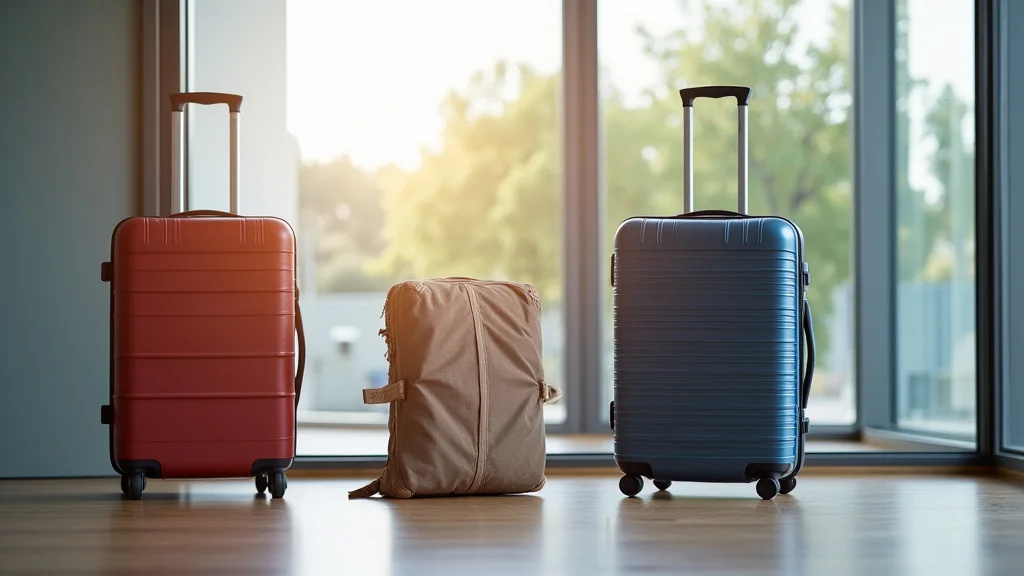
Selecting the right luggage helps you stay within the luggage 15kg allowance. A well-chosen bag will be lightweight and provide sufficient space. The size of the bag should be right for the airline’s size guidelines. The best choice depends on what your trip requires, but some types of bags are generally better than others for this weight limit. Consider how you will move with your luggage to choose the best solution.
- Lightweight Suitcases: These are available in various styles and sizes. Their lightweight frames and materials help you get the most packing space. Look for suitcases made of materials like nylon or polyester, or even lightweight polycarbonate.
- Backpacks: Travel backpacks can be an excellent option for carry-on luggage. They are light and often have several compartments and pockets. Choose one that is airline-approved.
- Duffel Bags: Soft and flexible, duffel bags can be a good choice for people who pack light. They may be ideal for shorter trips or when you plan to carry less stuff.
These bags often include features such as smooth-rolling wheels and sturdy handles, offering convenience when going through airports and other locations. Make sure the suitcase fits within the airline’s size guidelines. Select the size of suitcase depending on how long your trip is.
Make sure the backpack fits the carry-on size regulations of the airline. Look for a backpack that has comfortable straps and a supportive back panel. Consider a backpack with a waist belt, which can distribute weight and provide more stability when moving.
These are usually lighter than suitcases. They can be squeezed into overhead compartments. You can find them in various sizes and materials. Make sure the duffel bag is durable and has comfortable carrying straps. Some have wheels.
Material Considerations for Lightweight Luggage
The material of your luggage is a critical factor when dealing with a luggage 15kg limit. The weight of the luggage itself can significantly affect the amount you can pack. Using lightweight materials lets you take more belongings. Materials that are strong and light are desirable.
Look for materials such as nylon, polyester, and polycarbonate. They are known for being strong and lightweight. Nylon and polyester are good choices for softside luggage because they are tough and water-resistant. Polycarbonate is a good choice for hardside luggage. It is resilient, offering good protection for items inside. Make sure the luggage has other lightweight features, such as durable, but light wheels and handles.
- Nylon and Polyester: These are common choices for softside luggage. They are light and water-resistant, making them useful for various travel conditions.
- Polycarbonate: This is a strong and impact-resistant plastic often used for hardside luggage. It is lightweight and can offer good protection.
- Hybrid Materials: Some luggage has a combination of materials, such as a polycarbonate shell and nylon or polyester fabric. This may give you the protection of a hardshell bag and the light weight of a softshell.
These materials are very durable and are usually resistant to scratches and tears. They are generally less expensive than other materials. Look for bags made with ripstop nylon or densely woven polyester for added durability.
Polycarbonate is very resistant to scratches and impacts, helping to protect your belongings. Although the initial cost can be higher, polycarbonate luggage offers durability. They can withstand the rigors of travel.
These hybrid bags often provide a balance between durability and light weight. This is a compromise that provides good protection and packing space.
Choosing Lightweight Travel Essentials
To comply with a luggage 15kg limit, it is essential to choose lightweight travel essentials. Every item you carry will affect the total weight. Choosing lighter versions of everyday items helps you take everything you need without going over the limit. This might mean making trade-offs or prioritizing the things you really need.
Travel-sized toiletries are one of the best ways to reduce weight. These smaller containers take up less space and are perfect for carry-on luggage. You can also buy multi-purpose items that serve several functions. You can also minimize the number of shoes you take by wearing your heaviest pair while traveling. Every small change can affect your ability to pack more efficiently.
Prioritizing Essential Items for Travel
When you have a luggage 15kg limit, prioritize packing key items. Focus on what is really necessary for your trip. This helps you travel light and ensure you can fit everything you need into your luggage. Start with essentials, such as clothing, personal care items, and any medications you require.
- Clothing: Pack versatile clothing items that can be mixed and matched. Choose fabrics that are lightweight and wrinkle-resistant.
- Toiletries: Use travel-sized toiletries. These take up less space and weight. Purchase a reusable travel-sized container kit.
- Electronics and Accessories: Pack essential electronics like your phone, charger, and any adapters you might need. Choose lightweight accessories like a travel adapter.
Select clothing that works well together and can be layered. Neutral colors are a great choice. They are easier to match and can adapt to different occasions. Consider quick-drying fabrics that are easy to wash and wear.
Use travel-sized containers for shampoo, conditioner, and other personal care products. Many brands sell travel-sized versions of their products. This will reduce weight and comply with carry-on luggage regulations. Consider solid toiletries, such as shampoo bars or bar soaps, which are lightweight and avoid spills.
Bring essential electronics, such as a phone, charger, and portable power bank. Choose lightweight versions of these items. If you are going to different countries, pack a universal travel adapter.
The Benefits of Travel-Sized Toiletries
Travel-sized toiletries are a useful element when adhering to a luggage 15kg allowance. They are smaller versions of regular toiletries, which helps you save space and weight. These can be particularly important for carry-on luggage. The reduced size of these products helps keep your bag under the weight limit and meets airport security regulations.
When selecting travel-sized toiletries, consider the amount you will need for your trip. Choose travel-sized containers and refill them with your favorite products. This lets you bring the items you prefer without the full-size bottles. Another choice is to purchase travel-sized versions of your everyday products. Doing this helps in both the weight limit and the amount of space used.
- Space Saving: Travel-sized items use less space in your luggage. They are more compact and fit well in any bag.
- Weight Reduction: Lighter toiletries significantly reduce the total weight of your luggage. Lighter luggage helps you comply with luggage 15kg restrictions.
- Convenience and Compliance: They are ideal for carry-on luggage, meeting airport security rules for liquids. You do not have to check your bags for liquids.
These smaller containers fit easily into your toiletry bag. They are great for packing space and keeping your bag organized.
Even if you do not have to follow weight restrictions, choosing lighter toiletries makes the luggage easier to carry. Every gram counts when you are packing light.
Using travel-sized toiletries lets you avoid the issues of checking a bag. This is particularly helpful when you are on a short trip. It saves time during both check-in and luggage collection.
Avoiding Extra Fees and Airline Rules
Complying with the luggage 15kg restrictions is essential for avoiding extra fees. Excess baggage charges can add a significant cost to your trip. Knowing the airline’s rules before you go helps to prevent unnecessary expenses. Planning and packing in advance is an effective step.
Always weigh your luggage before going to the airport. This gives you time to remove some items if necessary. If your luggage is close to the weight limit, wear your heaviest items during travel. This transfers some weight from your bag to you. Knowing the rules and planning ahead helps in an enjoyable and cost-effective trip.
Understanding Baggage Allowance Policies
Fully understanding your airline’s baggage allowance policies is critical when you have a luggage 15kg limit. Airlines specify details about weight, size, and quantity. Knowing these rules beforehand helps you avoid any unexpected charges or issues at the airport. You should know all the requirements to stay within the limit.
- Weight Limits: Airlines set the maximum weight for checked and carry-on luggage. Excess weight triggers extra fees. Always check the specific weight allowance.
- Size Restrictions: Airlines also have size restrictions for the height, width, and depth of your luggage. Be sure your bag meets these requirements.
- Fees for Excess Baggage: The charges for exceeding the weight or size limits vary. The fees are based on the airline, your route, and how far over the limit your bag is.
The allowance is always in the terms and conditions of your ticket. If the bag goes over the limit, it’s considered excess baggage, and you will be charged. Check the airline’s website or ticket details to find out the allowance for your specific flight.
These measurements are usually listed as the sum of all dimensions (height + width + depth). Make sure that the luggage does not exceed these restrictions. Using a luggage sizer at the airport can help.
The charges may be per kilogram or per bag. Check with the airline ahead of time for exact costs. If you are going over the limit, you may remove items, purchase extra baggage allowance, or rearrange your luggage.
Strategies to Prevent Overweight Luggage
Several strategies can help you prevent overweight luggage 15kg. Doing this will save you from paying extra fees and having your luggage repacked at the airport. Advance planning, choosing the right luggage, and packing with awareness are the key elements to prevent overweight luggage.
- Weigh Your Luggage at Home: Always weigh your bag before you go to the airport using a luggage scale. This allows you time to make adjustments.
- Use Lightweight Luggage: Select luggage made from light materials, such as nylon or polycarbonate. Your bag’s weight will subtract from the allowable weight.
- Wear Heavier Items on the Plane: Wear your heaviest clothes, such as coats and shoes, on the plane to reduce your luggage weight. This is a very simple method.
Make sure the scale is accurate. If you are close to the limit, remove items from your bag. You can put some items in your carry-on or wear them. Weighing your bag is the first step in avoiding overweight luggage.
Lightweight luggage gives you more weight allowance for your belongings. Consider hard-sided luggage because of its durability. These bags are not always as light as soft-sided options. Choose the lightest luggage possible for your needs.
This shifts weight away from the luggage and onto you. This strategy can be particularly useful when you have items like winter boots or heavy jackets that take up a lot of space and weight. You can also put items into your pockets.
Frequently Asked Questions
Question: What happens if my luggage is over the 15kg limit?
Answer: You will likely be charged extra fees. The amount depends on the airline and how much your luggage exceeds the limit. You might also be required to repack your luggage at the airport.
Question: Can I bring a carry-on bag in addition to a 15kg checked bag?
Answer: Yes, usually. Check with your airline about carry-on allowances. They will have their own size and weight limits for carry-on luggage.
Question: What is the best way to weigh my luggage at home?
Answer: Use a digital luggage scale. They are small, accurate, and easy to use. Simply hook the scale to your bag handle and lift.
Question: Are there any items I cannot pack in my luggage?
Answer: Yes, there are restrictions. Prohibited items include hazardous materials, flammable liquids, and certain weapons. Check the airline’s website for a complete list.
Question: What should I do if my luggage is close to the 15kg limit?
Answer: Wear your heaviest clothes on the plane, move items to your carry-on, or remove non-essential items. Always consider this when you are packing to stay within the limit.
Final Thoughts
Successfully managing your luggage 15kg allowance is a mix of preparation and smart choices. Knowing the rules and using the right packing techniques can make your journey smoother and less stressful. The key is in preparing before you even start packing. This includes familiarizing yourself with your airline’s specific guidelines, including size and weight restrictions. Selecting lightweight luggage and travel essentials helps maximize your space and weight. Using these techniques means you will stay within the limits. Make sure that you always weigh your luggage, and do this before going to the airport to avoid those extra fees. By prioritizing essentials and using smart packing techniques, you can enjoy a travel experience. Now, get ready to pack smartly and experience stress-free travel!