

Last updated: November 03, 2026
Quick Answer: choose hardside luggage for rough baggage handling, rain, or breakable items; choose softside luggage for lower weight, easier squeezing into tight spaces, and more exterior pockets. In this guide to How to Choose Luggage Material: Hardside vs Softside vs Hybrid, the best material depends less on brand hype than on how you pack, where you travel, and how much abuse your bag is likely to take.
Key Takeaways
- The key difference is how each material fails.
- Hardside suits checked bags, fragile items, and wet conditions.
- Softside suits access, flex, and lighter handling.
- Hybrid gives some shell protection and some fabric convenience.
I write about luggage buying basics and materials, not just pretty shells and pocket counts. If you want the broader framework, the hub on luggage buying basics covers the rest of the decision tree. This article stays on one question: How to Choose Luggage Material: Hardside vs Softside vs Hybrid, with hybrid luggage included where it actually makes sense.
The real difference between hardside and softside luggage
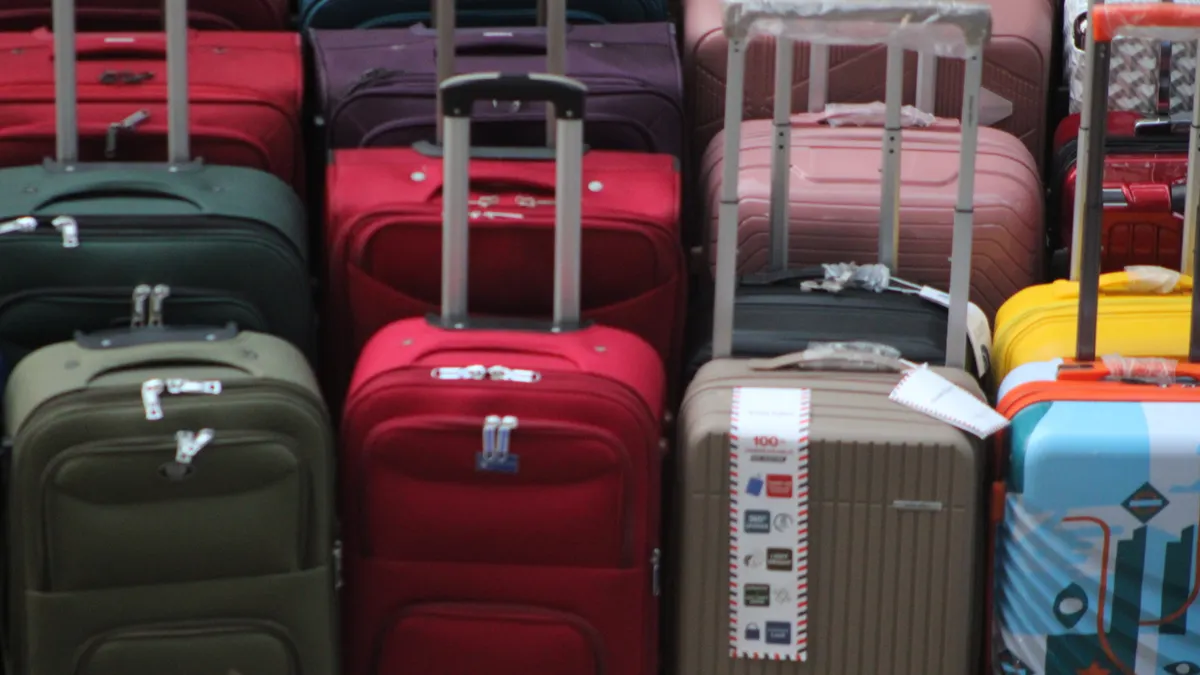
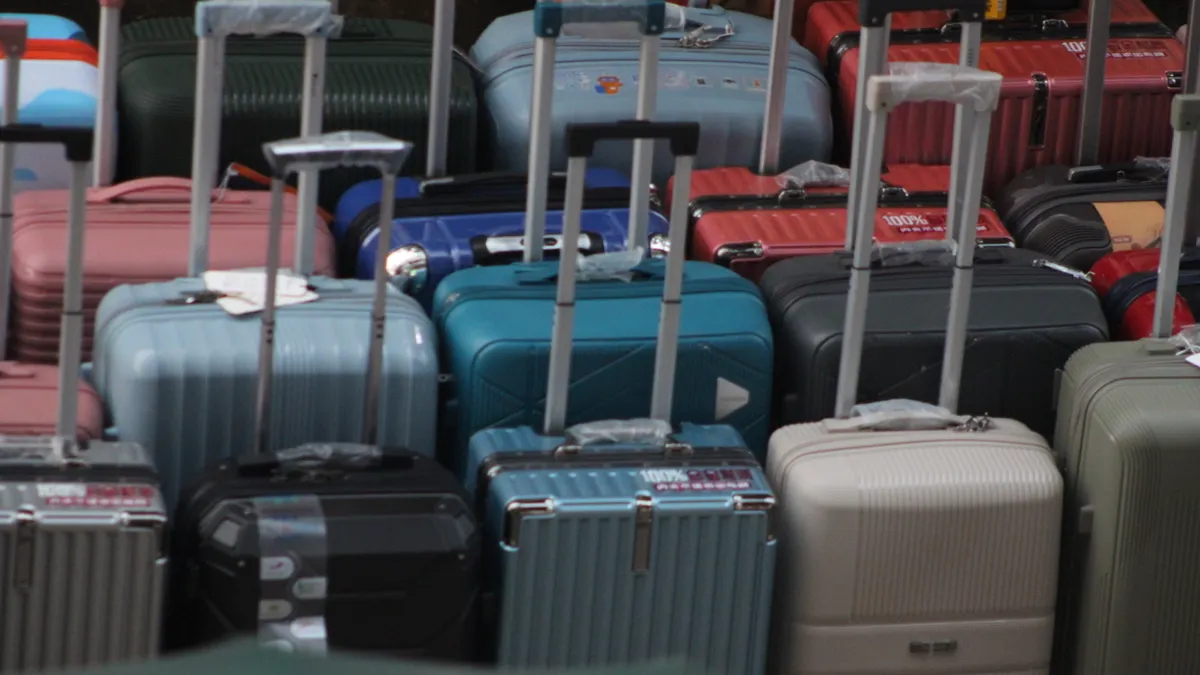
The real difference is not just shell versus fabric; it is how each material fails. Hardside luggage, usually polycarbonate, ABS, or aluminum, protects the contents with a rigid outer shell. Softside luggage, usually ballistic nylon or other woven synthetics, gives a little under pressure and usually offers exterior pockets and a bit of give at the seams.
That difference changes nearly every buying decision. A rigid shell resists scuffs, rain, and crushing better in transit, but it can show cracks or deep gouges after hard impacts. A fabric bag tends to absorb abrasion differently and can flex when a bag is overstuffed, but the fabric and zippers are still exposed to tears, dirt, and moisture. Hybrid luggage tries to split the difference with a hard front or back panel and soft fabric elsewhere.
The material also changes weight. ABS is often used as a lower-cost hard shell, polycarbonate is usually chosen for better impact flexibility, and aluminum is the premium rigid option with the most structure and the least forgiveness. On the softside, ballistic nylon is the classic durability-first fabric; its weave is valued because it resists abrasion better than cheaper polyester.
If the question is “which is better,” the honest answer is that hardside usually wins for protection and weather resistance, while softside usually wins for flexibility and convenience. The wrong choice is the one that fights your travel pattern every time you pack.
| Criteria | Hardside | Softside | Winner for [condition] |
|---|---|---|---|
| Weather resistance | Better against rain and spills | Better than some fabrics, but still fabric-dependent | Hardside for wet commutes |
| External pockets | Usually none | Common and useful | Softside for quick-access packing |
| Expansion give | Limited, shell-dependent | Often easier to overpack slightly | Softside for flexible packers |
| Crush resistance | Strong shell helps in stacked baggage | Can compress under pressure | Hardside for checked bags |
| Scratch visibility | Scratches often show clearly | Scuffs blend into fabric more easily | Softside for appearance over time |
| Weight | Often heavier than the lightest fabric bags | Often lighter, especially in simple designs | Softside for walking long terminals |
| Repair tolerance | Cracks can be hard to live with | Zippers, fabric panels, and pockets are easier to service | Softside for repair-minded buyers |
| Security feel | Rigid shell discourages squeezing and grabbing | Softer sides can be forced open more easily | Hardside for a stronger enclosure |
| Packing style | Best for compartmentalized packing cubes | Best for “stuff-and-go” travel | Depends on packing habit |
| Premium durability ceiling | Aluminum is very strong but heavy | Ballistic nylon can age well if cared for | Depends on budget and abuse level |
Hardside luggage: when the shell is the smarter call
Hardside luggage usually wins for travelers who check bags often, pack breakables, or expect rain, slush, and rough handling. That is especially true if the shell is polycarbonate rather than brittle ABS. Polycarbonate is generally chosen for its more forgiving flex under impact, while ABS is common in budget bags because it is cheaper to make, though usually less resilient in the long run.
This choice makes sense when the contents matter more than pocket access. If the bag holds a laptop in a sleeve, a camera body, shoes, gifts, or neatly packed cubes, the rigid shell gives those items a better barrier against crush damage. Aluminum goes one step further in structure and feel, which is why it appeals to travelers who want a hard case that stays square and solid. The trade-off is obvious: aluminum luggage is typically heavier and more expensive, and dents are part of the story.
There is another practical benefit. A hard shell is easier to wipe clean after a dirty baggage belt or a wet curbside drop. That matters for travelers who move through train stations, ferries, or winter airports. The downside is just as real: a shell with no exterior pockets forces every small item inside the case, so boarding passes, chargers, snacks, and wet umbrellas need separate planning.
This is not the best choice for travelers who rely on outside storage, overpack every trip, or want a bag that can compress slightly into a tight trunk. A rigid suitcase also gives you less forgiveness if a zipper is the only thing holding the pack volume together.
If you are the kind of traveler who wants to keep contents protected with as little fuss as possible, hardside is the cleaner call.
Softside luggage: when fabric is the better tool
Softside luggage wins for travelers who value access, flexibility, and lighter handling more than shell-level protection. Ballistic nylon is the classic material here because it is built around abrasion resistance, not just appearance. On a practical level, that means a softside bag is often easier to use when the trip includes chargers, documents, snacks, toiletries, and one more thing you forgot at the last minute.
The strongest argument for softside luggage is the pocket layout. Exterior compartments turn the bag into a working travel tool instead of a sealed box. If you need to slide in a book, jacket, travel adapter, or receipts without opening the main compartment, fabric luggage is usually the better fit. That convenience matters on train trips, short business stays, and family travel where access matters more than pristine shell lines.
Softside also tends to be easier to live with when you are walking through stations or lifting bags into overhead bins, because many designs are a little lighter than comparably sized rigid cases. The exact weight depends on size and build, but the material itself usually leaves more room for usable capacity. That matters when your packing style is “use every inch.”
The honest cost is vulnerability. Fabric can stain, snag, and absorb dirt. Zippers become part of the stress path. If the bag is stuffed beyond its intended shape, the seams and zipper lines take the strain. Softside luggage is also a weaker choice when the bag may be handled roughly in checked baggage or left exposed to hard rain.
This is not the right pick for someone carrying fragile items without hard protection inside, or for a traveler who wants the easiest clean-up after outdoor travel. If your trips are mostly carry and access, softside is the more forgiving tool.
Hybrid luggage: the middle ground that only works for some people
Hybrid luggage wins for travelers who like some protection without giving up all fabric convenience. The format usually means a hard front or back panel combined with softer fabric sections, which gives you a partial shell plus at least some external pocket utility. That mix makes sense when the real problem is not choosing one extreme, but avoiding the worst weaknesses of both.
Hybrid is useful when you want better protection than a full fabric bag but still need quick-access storage. A business traveler who carries documents, cables, or a tablet may like the outer pocket structure while still benefiting from a rigid panel where the bag gets knocked around most. It can also work for people who dislike the fully sealed feel of a hard case.
The drawback is that hybrid luggage is often not the best fit in either category. It can be heavier than a simple softside case and less cleanly protective than a full hardside shell. The mixed construction also creates more seams, more transitions, and more places where quality matters. A well-built hybrid can be very practical; a cheap one can feel like compromise for its own sake.
Because of that, hybrid should be treated as a specific answer, not the default answer; if you are making a health- or work-related choice, consult a professional and check the manufacturer’s guidance. It is most sensible for travelers who want one bag that handles office gear, casual travel, and moderate abuse without leaning entirely toward shell or fabric. It is less compelling for people who have one dominant need: maximum protection or maximum flexibility.
If you are buying for broad use and do not want to commit fully to either camp, hybrid is the compromise to look at. If you know exactly what kind of trip you take, a pure hardside or softside bag usually does the job more cleanly.
The honest side-by-side for real travel habits
Hardside luggage is the better pick for rough transit, checked-bag travel, and wet conditions. Softside luggage is the better pick for access, lighter feel, and flexible packing. That is the simplest honest split, but the material choice becomes clearer when you match it to actual travel habits rather than abstract “durability.”
A frequent flyer who checks bags through winter airports should lean hardside, especially in polycarbonate or aluminum. A commuter who keeps a laptop, files, and snacks in the same bag should lean softside or hybrid. A traveler who hates pockets but wants a clean exterior should lean hard shell. A traveler who wants to drop a jacket, charger, or souvenirs into a front compartment without opening the whole case should not buy a pure hard shell.
Here is the practical comparison that matters most:
| Travel habit | Better material | Why it fits |
|---|---|---|
| Checked baggage every trip | Hardside | Better enclosure under rough handling |
| Mostly carry-on use with frequent access | Softside | Exterior pockets save time |
| Wet climates or winter travel | Hardside | Easier to wipe dry and less fabric exposure |
| Overpacking and squeezing extras | Softside | Some give at the sidewalls and pockets |
| Fragile contents | Hardside | Better barrier against crush and impact |
| Ultralight priorities | Softside | Often easier to keep the bag weight down |
| Business travel with documents and cables | Hybrid or softside | Better quick-access storage |
| Long-term appearance matters | Depends | Softside hides scuffs better; hardside wipes cleaner but scratches show |
The part generic articles miss is maintenance. Hardside care usually means wiping the shell and keeping an eye on corner cracks, zippers, and wheel housings. Softside care means more regular brushing, stain treatment, and zipper attention, because the fabric and stitching are doing more of the work. If you do not want a bag that needs much surface care, hardside is simpler. If you want a bag that can age without every scuff looking dramatic, softside is more forgiving visually.
Which luggage material should you choose?
Choose hardside if you check luggage often, carry fragile contents, or travel through rain, snow, and rough baggage handling. Choose softside if you want pockets, lighter handling, and more packing flexibility. Neither if you want the absolute lightest bag, the easiest repair path, and the most cargo-like organization all at once; in that case, the wrong material is not the issue, the wrong bag style is.
That is the call. Hardside is the safer default for protection. Softside is the smarter default for convenience. Hybrid belongs only when you need both, even imperfectly.
When the choice should flip
The overall verdict flips in a few specific cases.
First, choose softside over hardside if you almost never check a bag and depend on exterior pockets every trip. In that case, the convenience gain is worth more than the shell advantage.
Second, choose hardside over softside if you carry fragile gear in the main compartment and you hate packing with extra sleeves or cases. The shell gives you a cleaner barrier than fabric alone.
Third, choose aluminum only if you value structure and feel more than low weight. Aluminum has a premium reputation for a reason, but it is the least forgiving choice for travelers who count every pound.
Fourth, choose hybrid if you regularly carry both work items and casual travel gear and you want fewer compromises than a pure hard shell gives you. If your trips are simple, hybrid is usually unnecessary complexity.
If the trips are easy and the bag stays mostly in your closet, material matters less. If the bag gets dragged, stacked, bumped, wet, and overpacked, material choice matters a lot. That is when the difference between polycarbonate, ABS, ballistic nylon, and aluminum stops being theory and starts being the whole point.
Is hardside luggage more durable than softside?
Hardside luggage is usually more protective, but not automatically more durable in every real-world sense. The rigid shell helps with crush resistance and weather exposure, while softside luggage can handle abrasion and everyday wear in a different way. A quality ballistic nylon bag can outlast a cheap ABS shell, so material alone does not decide durability.
The useful question is what kind of damage you expect. If the bag will be stacked, squeezed, or exposed to rain, hardside has the edge. If the bag will be opened constantly and carried through daily use, softside can age better in practice because it flexes and is often easier to maintain.
Which luggage material is lighter?
Softside luggage is usually lighter than hardside luggage, especially when you compare simple fabric builds to rigid shells. That said, the exact weight depends on size, wheel design, frame structure, and whether the hard case is ABS, polycarbonate, or aluminum. Aluminum is generally the heaviest of the common options.
The practical takeaway is simple: if walking with the bag matters more than shell protection, softside is the safer bet. If the weight difference is small and protection matters more, hardside may still be the better choice. Check the maker’s listed weight before buying, because construction details can outweigh material labels.
What is hybrid luggage?
Hybrid luggage combines hard and soft elements in one bag, usually a rigid panel with fabric sections and sometimes pockets. It exists to give travelers some shell protection without losing all of the access and flexibility of a softside case.
Hybrid is useful when you want a middle ground, not a total compromise. It works best for people who carry both protected contents and items they need to reach quickly.
Drafted with AI; not yet reviewed by a person.





Leave a Reply