
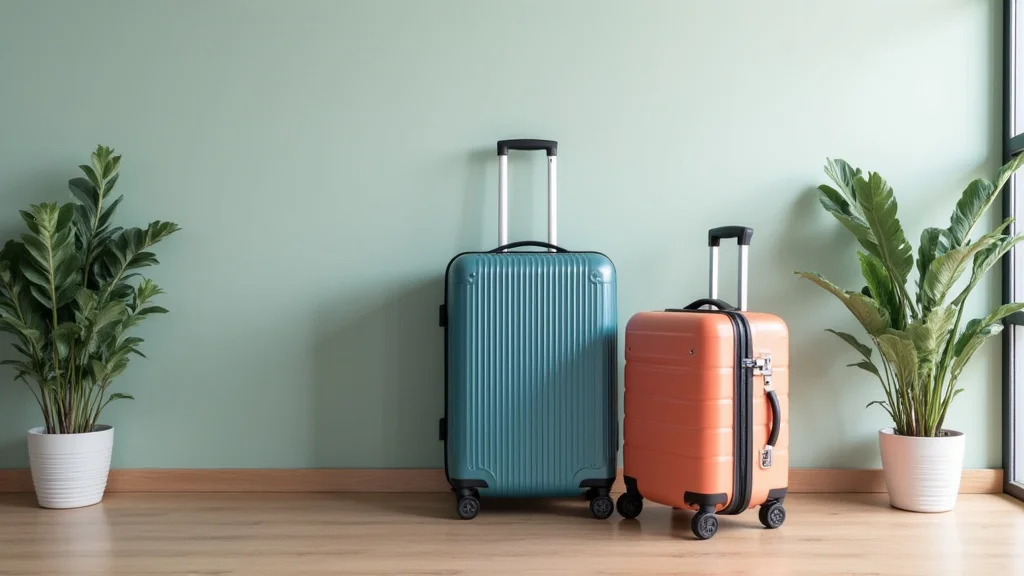
Picture this: you’re at the airport, ready to jet off to your dream destination. But wait, your carry-on is too big! It’s a common travel nightmare, and avoiding it is easier than you think. This guide focuses on 22 x 14 x 9 luggage, which is the standard size for most airline carry-on allowances. We’ll explore everything you need to know to choose the right bag, from materials to features. You’ll learn how to maximize space, avoid baggage fees, and travel with ease. You will get great tips for making the most of your travels with the perfect 22 x 14 x 9 luggage. Get ready to pack smart and travel stress-free!
Key Takeaways
- Understand the critical dimensions of 22 x 14 x 9 carry-on luggage.
- Discover the best materials for durability and weight.
- Learn how to maximize packing space.
- Compare different features like wheels, handles, and compartments.
- Explore tips for complying with airline regulations.
- Find out which brands and models offer the best value.
The Significance of 22 x 14 x 9 Luggage
The dimensions 22 x 14 x 9 inches are a cornerstone of modern air travel. This size is typically the maximum allowed for carry-on luggage by most major airlines, including those in the United States and Europe. It’s designed to fit within the overhead bins of most commercial aircraft, allowing you to keep your belongings with you and avoid the hassle and cost of checking a bag. Choosing the right 22 x 14 x 9 luggage can save you time and money and provide a more streamlined travel experience. The standardization of these dimensions means you can confidently purchase a bag knowing it will likely meet airline requirements.
Why These Dimensions Matter
The reason behind the 22 x 14 x 9-inch size isn’t arbitrary; it’s a practical response to the physical constraints of aircraft design and the need for efficient baggage handling. The overhead compartments are engineered to accommodate these specific dimensions, providing a balance between passenger convenience and space utilization. This standard allows airlines to maintain a predictable system for storage, reducing delays and improving the overall travel experience. Adhering to these size limitations is vital for a smooth journey.
- Maximize Carry-On Benefits: The primary benefit is avoiding checked baggage fees, which can range from $30 to $100 or more per flight. Avoiding checked bags saves you money.
- Time Savings at the Airport: You will avoid waiting at baggage claim. You can head straight to your next destination.
- Convenience and Accessibility: You have immediate access to your belongings throughout your journey, including essentials like medications, electronics, and valuables.
- Reduced Risk of Lost Luggage: Keep your belongings safe. You keep them with you, significantly decreasing the risk of loss or mishandling.
- Flexibility for Changing Plans: Being able to move around the airport with your bag and switch flights or routes easily if plans change.
Here’s a quick overview of what the measurements mean. The 22 inches refer to the height of the bag (including wheels and handles), 14 inches to the width, and 9 inches to the depth. It’s crucial to measure accurately because exceeding these dimensions, even slightly, can result in being forced to check your bag. The bag’s exact dimensions must be considered, including any external components.
Airline Regulations and Considerations
Each airline has its own detailed guidelines. While 22 x 14 x 9 inches is a common guideline, some airlines might have slightly different requirements, particularly for international flights or budget carriers. Therefore, it’s essential to consult the specific airline’s website or contact customer service before traveling to ensure your 22 x 14 x 9 luggage meets their regulations. The best way to prevent issues is to be informed.
- Check Specific Airline Policies: Always verify the latest carry-on size and weight restrictions before your trip.
- Weight Limits: Many airlines impose weight restrictions on carry-on bags. A lightweight bag allows you to pack more without exceeding these limits.
- Internal vs. External Measurements: Some airlines measure the external dimensions, including wheels and handles, while others focus on internal space.
- Consider Non-Standard Requirements: Some airlines, such as those that fly smaller aircraft, may have even stricter regulations.
Several budget airlines are notorious for being strict on luggage size, and their fees for exceeding these limits can be steep. Airlines often provide luggage sizers at check-in, but being prepared can save you from a stressful situation. It’s always better to be safe than sorry and ensure your luggage is compliant with your chosen airline’s current rules. This proactive approach minimizes the chances of extra fees or delays.
Choosing the Right Materials for 22 x 14 x 9 Luggage
The materials used in constructing 22 x 14 x 9 luggage significantly affect its durability, weight, and overall performance. The bag’s lifespan and how it fares in different travel scenarios depend on the materials. From lightweight soft-sided options to durable hard-shell designs, the right material choice can be critical for your travel needs.
Soft-Sided Luggage Materials
Soft-sided luggage is generally made of fabric, offering flexibility and often allowing for a bit of give when packing. These bags can be easier to squeeze into tight overhead compartments. The materials commonly used are important for determining a bag’s longevity and performance. They are usually more lightweight than their hard-shell counterparts.
- Nylon: Durable, water-resistant, and relatively lightweight, nylon is a popular choice. High-denier nylon (the measurement of the thickness of the fibers) offers increased abrasion resistance.
- Polyester: Similar to nylon but often more affordable. It’s water-resistant and holds color well. Polyester is known for its resistance to fading.
- Ballistic Nylon: A heavy-duty, tightly woven nylon designed to resist tears and abrasions. It is a good choice if you prioritize durability.
- Canvas: A natural fiber material often treated for water resistance. It has a classic look. Canvas luggage can be stylish.
Soft-sided bags offer expandable compartments, allowing you to increase the capacity when needed. They often have external pockets for easy access to travel documents, water bottles, and other essentials. Make sure the fabric is water-resistant. This feature is particularly useful when traveling in unpredictable weather conditions. The ability to pack more into your bag can be very useful for travel.
Hard-Shell Luggage Materials
Hard-shell luggage is known for its robust protection and sleek appearance. It’s crafted from solid materials that provide a rigid structure, shielding your belongings from impact and the elements. The materials used in hard-shell luggage have specific advantages.
- Polycarbonate: A lightweight and impact-resistant plastic. Polycarbonate is known for its flexibility, allowing it to absorb impact without cracking.
- ABS Plastic: A less expensive alternative to polycarbonate. While it’s not as impact-resistant, it still offers good protection.
- Polypropylene: A very durable and flexible plastic. Polypropylene is known for its strength and resistance to chemicals.
- Aluminum: A premium material that offers excellent durability and a distinctive look. Aluminum is very resistant to damage.
Hard-shell luggage often features built-in TSA-approved locks for added security. It can be easier to clean than soft-sided luggage. Hard-shell bags provide better protection against crushing and water damage. These bags provide more security and are a great option for more fragile items.
Material Considerations and Comparisons
The right material depends on your travel style and needs. For instance, if you often travel on rough terrain, a hard-shell bag made of durable materials might be best. If you prioritize lightweight construction, nylon or polycarbonate could be the better choice. The best material often strikes a balance between weight, durability, and cost. Each material has its advantages and disadvantages, so it’s a matter of choosing the most suitable option for your particular travel needs. When choosing a material, consider the expected usage and potential travel conditions.
Here’s a comparison table to help visualize the pros and cons:
| Material | Pros | Cons |
|---|---|---|
| Nylon | Durable, water-resistant, lightweight | Can tear more easily than some other materials. |
| Polyester | Affordable, water-resistant, colorfast | Not as durable as nylon or polycarbonate. |
| Polycarbonate | Lightweight, impact-resistant, flexible | Can scratch relatively easily. |
| ABS Plastic | Affordable, good impact resistance | Less durable than polycarbonate. |
Maximizing Space in Your 22 x 14 x 9 Luggage
Maximizing space within your 22 x 14 x 9 luggage is important. Effective packing can help you carry more items while still adhering to airline size and weight restrictions. Utilizing every inch of space requires strategic packing techniques and an understanding of how to make your belongings more compact. The goal is to bring everything you need while staying within the allowed dimensions.
Packing Techniques
The method you use to pack your bag can significantly impact how much you can fit. Learning a few simple techniques can make a big difference. These packing methods ensure you get the most use of your space.
- Rolling vs. Folding: Rolling your clothes is a space-saving method, which minimizes wrinkles and takes up less room compared to folding.
- Packing Cubes: Using packing cubes helps organize your belongings and compress them. They are great for separating items.
- Compression Bags: Compression bags expel air from your clothes, significantly reducing their volume.
- Utilize Every Nook and Cranny: Fill empty spaces with smaller items, such as socks, underwear, or charging cables.
The choice between rolling and folding depends on the fabric and the type of items you are packing. Rolling works well for t-shirts, jeans, and casual wear. Folding is more suitable for garments that wrinkle easily. Packing cubes organize your luggage. The ability to compress items is very helpful in maximizing space.
Smart Packing Strategies
Beyond packing techniques, smart packing strategies involve what you bring. This includes choosing versatile clothing items that can be mixed and matched to create different outfits. By focusing on essentials and eliminating unnecessary items, you can optimize the space in your luggage.
- Plan Your Outfits: Before you begin packing, plan your outfits to avoid overpacking.
- Choose Versatile Clothing: Pack items that can be mixed and matched to maximize your wardrobe options.
- Wear Bulky Items: Wear your heaviest shoes and jacket on travel days to save space in your bag.
- Utilize Travel-Sized Toiletries: Use travel-sized toiletries to reduce the space required for personal care items.
Consider the activities you will be doing on your trip. Do you need formal wear or hiking boots? This type of consideration helps refine your packing list. By focusing on essential items and clothing options, you ensure you can carry all the necessary items without exceeding the dimensions of your 22 x 14 x 9 luggage.
The Art of Efficient Packing
Efficient packing requires more than just cramming as much as possible into your bag. It demands careful planning, the application of effective techniques, and a disciplined approach to choosing what to bring. You want to bring only what is truly necessary. Efficient packing helps you avoid excess baggage fees and ensures you have space for souvenirs.
- Create a Packing List: Begin with a list of essential items. You can refine your list as you consider outfits and activities.
- Lay Everything Out: Before putting anything in your bag, lay out all the items to be packed. Evaluate each item for necessity.
- Pack Heavy Items First: Place heavier items at the bottom or near the wheels of your bag to maintain balance.
- Fill Gaps and Crevices: Use small items to fill any remaining gaps and crevices.
By following these steps, you can create a well-organized and efficient packing strategy. Careful planning and the right techniques make the packing process smoother.
Features to Consider in 22 x 14 x 9 Luggage
When selecting your 22 x 14 x 9 luggage, various features will influence your travel experience. These features can enhance the bag’s functionality, usability, and convenience, making your journey more comfortable and less stressful. The best bag suits your individual needs and the type of trips you take.
Wheels and Handles
The wheels and handles of your luggage are fundamental to its mobility and ease of transport. Quality components can make a significant difference in how effortlessly you can navigate airports, hotels, and streets. Consider the number of wheels, the handle design, and their construction.
- Wheels: Bags often have two or four wheels. Four-wheel spinners offer greater maneuverability.
- Handle Design: Telescoping handles should be sturdy and adjustable to fit your height. Handles should extend and retract smoothly.
- Wheel Material: Quality wheels provide durability and a smooth rolling experience. Look for wheels made of polyurethane or other durable materials.
- Handle Grip: A comfortable grip on the handle improves comfort. The handle should feel secure in your hand.
Spinners are useful for crowded areas. Two-wheeled bags are ideal for traveling on uneven surfaces. The handle’s adjustability is important for comfortable use. Be sure to check the quality of these components to ensure longevity.
Compartments and Organization
The interior organization of your luggage is a critical element. Well-designed compartments and organizational features help you to stay organized. It makes it easier to find your items. Compartments are also useful for separating clean and dirty clothes.
- Multiple Compartments: Look for bags with multiple compartments to separate different types of items.
- Internal Pockets: Internal pockets are useful for storing smaller items like toiletries, electronics, and documents.
- Compression Straps: Compression straps help to secure your clothing and prevent shifting during transit.
- External Pockets: External pockets provide easy access to items you need quickly, such as your passport or phone.
A well-organized bag makes it easier to pack. It also makes it easier to find what you need. Consider your packing style and travel needs when choosing a bag. The best bag features organization systems.
Durability and Security Features
The durability of your 22 x 14 x 9 luggage is vital for protecting your belongings during travel. Security features will safeguard your valuables. These features provide peace of mind.
- TSA-Approved Locks: Built-in TSA-approved locks allow security personnel to inspect your bag.
- Reinforced Corners: Reinforced corners help to protect the bag from damage. This is especially helpful if the bag is mishandled.
- Durable Zippers: Robust zippers are critical to withstand wear and tear. Choose zippers that are reliable.
- Water Resistance: Water-resistant materials are useful for protecting your belongings from rain and spills.
Quality materials and construction are essential for durability. Look for features that enhance the bag’s security and help it withstand the rigors of travel. Considering these elements will help you select luggage that lasts and keeps your items safe.
Brands and Models: Finding the Best 22 x 14 x 9 Luggage
Many brands offer 22 x 14 x 9 luggage, each with its strengths. Choosing the right bag can depend on your budget, travel habits, and aesthetic preferences. This information helps you explore some of the most popular and well-regarded brands and specific models to assist your decision.
Top Brands and Their Specialties
Numerous brands have earned reputations for producing high-quality luggage, including 22 x 14 x 9 luggage. Each brand focuses on specific features and target customers. It is important to know which brands are reliable.
- Travelpro: Known for its durable construction and innovative features, Travelpro is a favorite among frequent travelers. Many of their bags are designed to meet airline carry-on requirements.
- Samsonite: A well-established brand offering a range of luggage options, Samsonite is known for its blend of durability, style, and affordability. They often feature various sizes and styles.
- Briggs & Riley: Offering a lifetime guarantee, Briggs & Riley is renowned for its premium quality and exceptional customer service. Their bags are designed to last.
- Monos: A newer brand with a focus on sleek design and high-quality materials, Monos provides a minimalist aesthetic and functional features. The bags are stylish.
These brands offer a range of products. Each brand has its unique strengths and specialties. You should check reviews to find out how the bags hold up. Finding a reputable brand is the first step.
Model Comparisons and Recommendations
Within each brand, various models offer different features and benefits. Each model is designed to cater to different travel needs. This includes features, price points, and materials.
- Travelpro Platinum Elite: Known for its high-quality materials and durability. It also features a built-in USB port. It is a good choice for frequent travelers.
- Samsonite Freeform: This hard-shell suitcase offers a combination of lightweight construction. It’s a good choice for those wanting both durability and ease of use.
- Briggs & Riley Baseline: Recognized for its exceptional build quality and lifetime guarantee. It is designed to withstand the test of time.
- Monos Carry-On Pro: A sleek and stylish option with a focus on functionality and design. It also has a built-in front compartment for easy access.
When selecting a model, consider your needs and priorities. Consider the features. Take into account any reviews from other travelers. This will help you identify the best bag for your travels.
Reviews and User Feedback
Reviews and user feedback provide valuable insight into a bag’s performance. By researching the bag, you can learn about real-world experiences. Customer reviews can highlight a bag’s strengths and weaknesses. It can also help you evaluate the bag’s durability. They can also offer ideas about its real-world performance.
- Read Multiple Reviews: View multiple reviews. Check various sources, including the brand’s website. Also consider retail websites to get a balanced view.
- Look for Common Themes: Identify any common issues or praises mentioned by multiple reviewers.
- Consider Your Needs: Focus on reviews that reflect your needs and travel style.
- Assess the Bag’s Longevity: Look for reviews that comment on the bag’s durability. Determine if the bag holds up over time.
Reviews provide a helpful picture of a bag’s actual performance. This helps with the decision-making process. By considering feedback, you can make a choice that aligns with your specific travel needs.
Common Myths Debunked
Frequently Asked Questions
Question: Is 22 x 14 x 9 inches the standard size for all airlines?
Answer: While it’s the most common size, always check with the specific airline you are flying. Some airlines may have slightly different requirements.
Question: What’s the best material for luggage?
Answer: The best material depends on your needs. Hard-shell luggage is durable. Soft-sided luggage is lightweight. It’s about balance.
Question: How can I maximize space inside my carry-on?
Answer: Use packing cubes, roll your clothes, and utilize every nook and cranny. Also, plan your outfits.
Question: What are the benefits of TSA-approved locks?
Answer: TSA-approved locks allow TSA agents to inspect your bag without damaging it. This protects your belongings.
Question: What should I do if my luggage exceeds the size limits?
Answer: You will likely need to check your bag and pay a fee. Measure your bag to ensure it is compliant.
Final Thoughts
Selecting the right 22 x 14 x 9 luggage is essential for a smooth and enjoyable travel experience. It ensures you can bring your essentials without being charged extra. This luggage size is widely accepted. It balances capacity and airline regulations. Consider the factors discussed: materials, features, and brand reputation. When choosing your bag, prioritize durability, and the right features for your travel style. Pack smartly, and follow airline guidelines. This will help you avoid the frustration of checked baggage. With the perfect bag, you’ll be prepared for your next adventure. Happy travels, and may your journeys be filled with ease and excitement!


Leave a Reply