
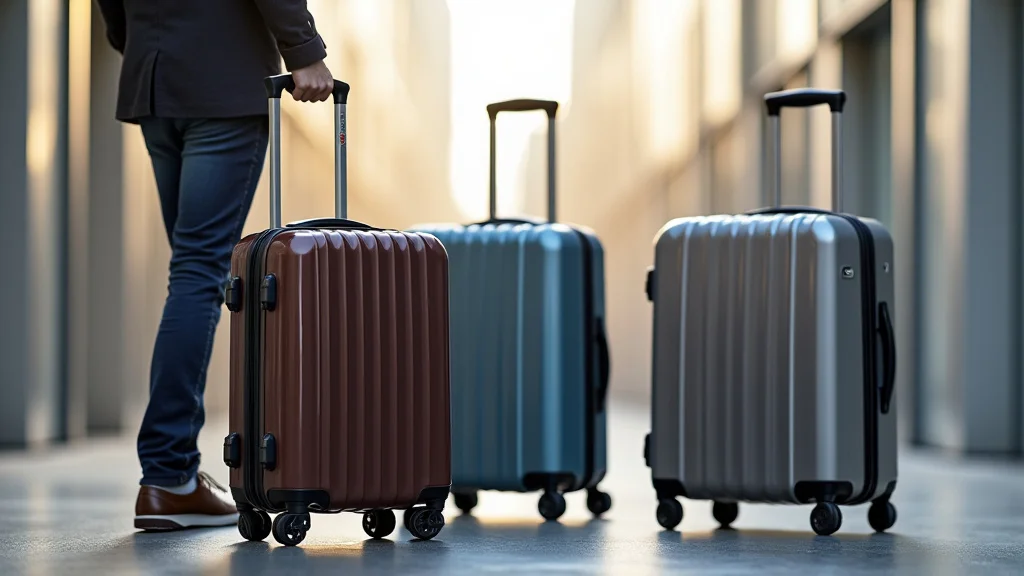
Remember that frustrating moment at the airport carousel? Your carefully packed suitcase appears, looking battered and bruised, with a broken wheel. This is a common travel woe! But what if you could shield your belongings from the rough and tumble of travel? This guide explores the features and advantages of a luggage hard case, helping you make an informed decision for your next trip. You’ll explore the different materials, sizes, and features to find the perfect fit for your needs, ensuring your valuables arrive safely and securely. Get ready to gain insights that will transform your travel experience, saving you time and stress, and improving your peace of mind.
Key Takeaways
- Discover the benefits of choosing a luggage hard case.
- Learn about the materials used in hard-shell luggage construction.
- Explore different sizes and features available for various travel needs.
- Understand how to evaluate the durability and security of a hard case.
- Find out how to maintain and care for your hard-shell suitcase.
- Decide on the best hard case for your next travel adventure.
Choosing the Right Luggage Hard Case
Selecting the right luggage hard case is more than just picking a pretty color. It’s about protecting your belongings and making your travel experience smoother. From weekend getaways to extended vacations, a hard case offers significant advantages over soft-sided luggage. These advantages include superior protection against impact, water resistance, and increased security features. Let’s explore the key aspects to consider to find the ideal hard case for your specific travel requirements. This involves a deep dive into the materials used, sizes available, and features you should look for.
Material Matters: Understanding Hard Case Construction
The material of your luggage hard case is vital to its durability and protective capabilities. Several materials are commonly used, each offering a unique set of pros and cons. Polycarbonate, ABS plastic, and polypropylene are the most prevalent. Understanding the properties of each will help you decide which material is best suited for your travels. Consider the frequency of your trips, the types of items you typically pack, and the environments you’ll be traveling through. A careful assessment of these factors will help you choose wisely.
- Polycarbonate: This is a popular choice due to its high impact resistance and flexibility. Polycarbonate cases can absorb significant impact without cracking, making them ideal for frequent flyers. They also tend to be lightweight, which helps you avoid exceeding airline weight limits.
- ABS Plastic: Acrylonitrile Butadiene Styrene (ABS) is a more budget-friendly option. While not as durable as polycarbonate, ABS cases are still reasonably sturdy and offer good scratch resistance. They are often combined with other materials to improve their overall strength.
- Polypropylene: Polypropylene is known for its superior impact resistance and is often a good choice for travelers. It’s also relatively lightweight. The material is resistant to water and chemicals, providing an extra layer of protection for your belongings.
Polycarbonate luggage is known for its ability to flex and return to its original shape after impact, making it very durable. The material can also withstand extreme temperatures, ensuring the safety of your belongings in various climates. Additionally, the material typically has a good scratch resistance, maintaining the aesthetic appeal of your luggage.
ABS is a versatile plastic with excellent impact strength and toughness. It’s often used in various applications because of its balance of properties. The material is also generally easy to mold, allowing for diverse designs and shapes. ABS is very resistant to physical impacts, making it a good choice for travel use.
This material offers excellent chemical resistance and is often used in situations where harsh materials are involved. Polypropylene luggage is also known for its flexibility, reducing the chance of cracks. The lightweight nature of the material also contributes to its increasing popularity in the luggage hard case market.
Sizing Up Your Needs: Choosing the Right Hard Case Size
The size of your luggage hard case is crucial. It directly impacts how much you can pack, the airline fees you’ll incur, and how easily you can maneuver through crowded airports. Choosing the wrong size can lead to unnecessary expenses or a struggle to fit all your essential items. Consider factors like trip duration, the type of items you typically pack (e.g., bulky winter clothes versus light summer wear), and airline restrictions before deciding on a size. There is a wide range of sizes, from carry-on to checked luggage, each catering to different travel scenarios.
- Carry-On Luggage: Generally, carry-on cases are 22 x 14 x 9 inches or smaller. They are designed to fit in overhead compartments, making them ideal for short trips and avoiding checked bag fees. The main benefit is the ease and speed of getting through the airport.
- Medium-Sized Luggage: This type typically measures around 24-27 inches. These cases are suitable for trips lasting a week or two. They offer enough space for a variety of clothing, shoes, and toiletries while remaining manageable.
- Large-Sized Luggage: Large cases, usually 28 inches or more, are made for extended trips or for those who need to pack a lot. They offer ample space for multiple outfits, bulky items, and souvenirs. Keep in mind that these cases can be heavy when fully packed and may incur additional fees.
Carry-on luggage offers you mobility and allows you to keep an eye on your belongings. This reduces the risk of loss or damage that can occur with checked bags. For business trips or quick getaways, a carry-on provides convenience. Carry-on sizes are usually designed to comply with airline regulations to make the boarding process smooth.
Medium-sized luggage strikes a balance between capacity and maneuverability. This makes it an ideal choice for vacations. Medium-sized cases are generally acceptable for most airlines. These cases can handle travel items needed for a vacation of up to two weeks without the issue of oversized luggage fees.
Large luggage cases are a good choice for longer vacations. They offer plenty of space for items like winter clothing. They can exceed airline weight restrictions, so be prepared for potential fees. Their size means they are often best suited for trips where you don’t need to maneuver in crowded environments.
Feature Focus: Essential Elements for a Luggage Hard Case
Once you’ve chosen the right material and size, it’s time to consider the features. These features directly impact the convenience, security, and overall travel experience. High-quality hard cases come with a range of features. Look at aspects like wheels, handles, locks, and internal organization to find the best case. Understanding the role of each feature helps you make an informed decision and invest in luggage that meets your specific travel requirements. This is where attention to detail pays off.
- Wheels: Look for cases with spinner wheels (four wheels) as they offer excellent maneuverability. Two-wheeled cases can be fine, but they’re typically less flexible. Ensure the wheels are durable and rotate smoothly.
- Handles: Telescopic handles should extend and retract smoothly. Check that the handle locks into position at multiple heights to suit different users. A top and side handle provide easy lifting, especially when putting your bag in overhead compartments or car trunks.
- Locks: Integrated TSA-approved locks are a must for security. These locks allow TSA agents to inspect your luggage without damaging it. Consider the type of locking mechanism (combination or key) based on your preference.
- Internal Organization: Look for compartments, pockets, and straps to keep your belongings organized. Compression straps help secure clothes, while separate compartments are useful for shoes or dirty laundry. Interior lining can help protect items.
Spinner wheels are designed for easy handling in multiple directions, adding to convenience. They are a good choice when navigating busy airport terminals. Choose wheels that are recessed into the case to prevent damage. High-quality wheels make a big difference, especially when your luggage is heavily packed.
A strong, reliable handle is essential for dragging your luggage. Ensure the handle can withstand the weight of a fully packed case. The handle should have a comfortable grip to avoid hand fatigue during long walks or periods of carrying the case. High-quality handles are an indication of durability.
TSA-approved locks offer an extra layer of security. They prevent unauthorized access to your belongings. Locks should be positioned to protect the zipper pulls and prevent tampering. Integrated locks add extra convenience to secure your possessions during transport.
Proper internal organization makes packing and unpacking easier. It prevents items from shifting during transit, protecting delicate items. Compartments are great for separating clean from dirty clothes. Internal organization features contribute to overall peace of mind during your travels.
The Advantages of a Hard-Shell Case
A luggage hard case offers benefits that can make it the better option over soft-sided luggage. The main benefits are the enhanced protection of your items, the increased security, and the durability of the cases. Hard cases are very resistant to water, making your items safe. These benefits make a luggage hard case a great choice for various types of travelers.
Enhanced Protection
The primary advantage of a luggage hard case is the superior protection it provides. Unlike soft-sided luggage, hard cases are made to withstand impacts, crushing forces, and rough handling. They are made from materials like polycarbonate and polypropylene, which are known for their high impact resistance. This makes hard cases the better choice, especially when traveling with fragile items or in environments where your luggage may be exposed to harsh conditions.
- Impact Resistance: Hard cases are designed to absorb impacts. This protects your belongings. They are better than soft cases in preventing damage from falls or being tossed around.
- Water Resistance: The hard outer shell provides water resistance. This protects your belongings from rain and spills. Your clothes and electronics are kept safe from moisture.
- Durability: Hard cases last longer due to their strong materials. They do not tear or wear out like soft-sided luggage. This makes them good for frequent travelers who want luggage that lasts.
The strong material will shield your items from damage during transport. This makes them ideal for air travel. The impact resistance helps items arrive in good condition. You can have peace of mind when packing fragile items like electronics or glass.
The water resistance of hard cases is a valuable benefit. It can protect against unexpected weather changes and accidents. This is especially important for travelers who are on the go. The sealed design is also a good defense against various moisture issues.
The materials used in hard cases are resistant to wear and tear. This is important for luggage that sees regular use. This results in the reduced need for replacements, and the resulting savings on luggage costs over time.
Increased Security
A luggage hard case has security features that soft-sided luggage might not have. The hard shell resists tampering, and the integrated locking systems give an added layer of protection. These features keep your belongings safer during travel. The design reduces the risk of theft and prevents easy access. They provide extra peace of mind and improve the overall travel experience.
- Resistant to Tampering: The rigid structure makes it harder for thieves to access your belongings. The shell resists cuts and tears. This design makes it more difficult for anyone to force open your luggage.
- Integrated Locking Systems: Built-in locks add extra protection. TSA-approved locks allow airport security to inspect your bag without damage. This prevents unauthorized access.
- Zipper Protection: Hard cases often have protective designs around zippers. This can make them more difficult to tamper with. These protective measures keep zippers safe from damage.
The hard case’s structure is a real deterrent to those who might try to steal from it. This prevents anyone from quickly opening your case without significant effort. This reduces the risk of theft. This offers a sense of safety for your belongings.
Integrated locks give an added level of security. They prevent anyone from opening the case. They also improve the overall security of your luggage. TSA-approved locks let security agents inspect the bags without having to break open the locks.
The protective design around zippers can make it harder for thieves to get into your case. This reduces the chances of theft and tampering. These protective features enhance the overall security.
Longevity and Value
While the initial cost of a luggage hard case may be higher, its longevity makes it a smart investment. Hard cases are designed to last. Their strong materials and construction withstand the rigors of travel. This results in the reduced need for replacements and, over time, a cost-effective solution. The durability of a hard case also saves money and lowers the impact on the environment.
- Long-Lasting: Hard cases are built to withstand wear and tear. This results in luggage that lasts longer. They can handle many trips, which makes them a good investment over time.
- Cost-Effective: You don’t have to replace them as often as soft-sided luggage. You will save money in the long run. This makes them a more cost-effective option for frequent travelers.
- Sustainable: Hard cases are more sustainable. They reduce waste, as you don’t need to replace them often. Their longevity lowers their impact on the environment.
The materials used in hard cases provide an advantage over soft-sided luggage. The cases are durable and resist damage from regular use. This lowers the need for replacement and provides years of use.
While the upfront cost of a hard case can be higher, its durability often leads to long-term savings. The reduced need to replace damaged luggage leads to overall cost savings. This benefit is especially valuable for those who travel frequently.
Buying a hard case that lasts is a step towards a more sustainable approach to travel. Their durability reduces the need for frequent replacements. This reduces the consumption of resources and lessens the waste going to landfills.
Myth Debunking
Myth 1: Hard cases are always heavier than soft-sided luggage.
While early hard cases were known for their weight, modern designs utilize lightweight materials like polycarbonate and polypropylene, making them comparable in weight to many soft-sided options. The weight difference is often minimal, especially considering the added protection hard cases offer.
Myth 2: Hard cases have less packing space than soft-sided luggage.
The internal volume of a hard case can be as generous as that of a soft-sided bag. Features like well-designed compartments and compression straps help maximize packing efficiency. The external shell doesn’t always translate to less internal space.
Myth 3: Hard cases are always more expensive than soft-sided luggage.
There are hard cases available at various price points. While some premium hard cases are more costly, you can find durable and reliable hard cases within a budget. The price depends on the materials, features, and brand rather than just the type.
Myth 4: Hard cases are less flexible and harder to fit into tight spaces.
While the rigid exterior of a luggage hard case might seem inflexible, they can be designed with features like expansion zippers to provide extra space when needed. In general, flexibility is the only advantage of a soft case.
Myth 5: Hard cases are more likely to crack if dropped.
This depends on the material. Polycarbonate and polypropylene hard cases are designed to absorb impact and flex rather than crack. Quality hard cases are built to endure rough handling. The material properties have a big influence on the durability of the bag.
Frequently Asked Questions
Question: Can I use a hard case as a carry-on for all airlines?
Answer: Always check the specific airline’s size restrictions for carry-on luggage before your trip, as they can vary slightly. Most standard carry-on hard cases fit the guidelines, but it’s best to confirm.
Question: How do I clean a hard case?
Answer: Use a damp cloth with mild soap and water. Avoid abrasive cleaners that could scratch the surface. For deeper cleaning, consider a specialized luggage cleaner.
Question: What if my hard case gets scratched?
Answer: Minor scratches are normal. Many cases feature textured surfaces to minimize the visibility of scratches. Some scratches can be buffed out using a specialized polish designed for the material.
Question: Are hard cases suitable for all types of travel?
Answer: Yes, the luggage hard case is great for a wide range of travel. Consider the durability, security, and the level of protection required. From business trips to family vacations, a hard case can deliver.
Question: How do I choose the best lock for my hard case?
Answer: Look for TSA-approved locks. They allow TSA agents to open and inspect your luggage without damaging it. Choose between combination locks and key locks. It’s best to match the level of security to your comfort level.
Final Thoughts
Choosing a luggage hard case offers significant advantages for any traveler. From superior protection and increased security to long-term value, these cases are an investment in peace of mind. By considering the materials, sizes, and features, you can easily find the perfect match for your travel style. Consider the frequency of your trips and the types of items you typically pack. Remember to clean and maintain your case to prolong its life. With the right hard case, you’ll be able to travel with confidence, knowing your belongings are well-protected. So, explore the options, compare the features, and prepare to elevate your travel experience. Safe travels!


Leave a Reply