
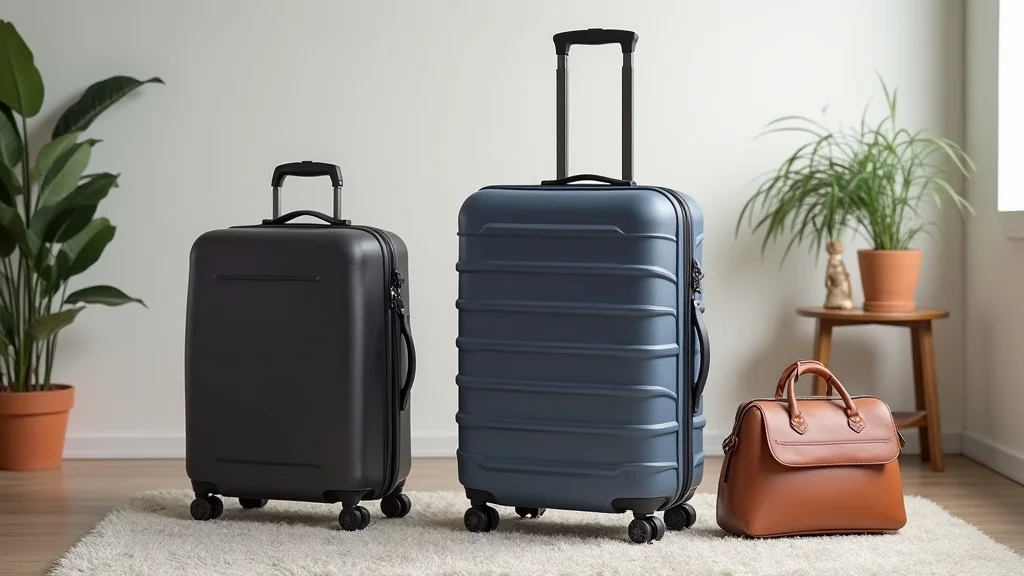
Picture this: you’ve just landed in paradise after a long flight, ready to start your adventure. You head to baggage claim, and there it is – your suitcase, looking like it’s been through a warzone. Scratches, dents, and maybe even a missing wheel. Frustrating, right? Using a luggage protector can help you avoid this stressful scenario. In this guide, we’ll explore everything you need to know about keeping your luggage safe and sound during travel. You’ll discover the different types of protectors, their benefits, and how to choose the right one for your needs. This post is designed to equip you with the knowledge to safeguard your belongings. Get ready to learn, and protect your gear, ensuring it stays in top condition for your travels!
Key Takeaways
- Understanding the importance of protecting your luggage during travel.
- Learning the different types of luggage protectors available.
- Discovering the materials commonly used for luggage protectors.
- Exploring the key benefits of using a luggage protector.
- Knowing how to choose the right luggage protector for your needs.
- Finding advice on using and maintaining your luggage protector.
Why Use a Luggage Protector?
Traveling with checked baggage can be rough. Your suitcase gets tossed around, stacked, and exposed to all sorts of hazards. This can lead to wear and tear, and in some cases, serious damage. A luggage protector acts as a shield, preventing scratches, dents, and other damage. This protective layer ensures your luggage arrives at its destination in good condition, allowing you to enjoy your trip without baggage-related worries. Furthermore, a luggage protector can offer an additional layer of security against theft and tampering.
The Risks of Not Using a Protector
Without a luggage protector, your luggage is vulnerable. Luggage can suffer from scratches, tears, dents, and broken wheels. Bags are often exposed to dirt, rain, and other environmental factors during transit. A damaged suitcase can be costly to repair or replace, especially if it’s a designer brand. A compromised bag might make it easier for items to be stolen. By shielding your luggage, you save money and reduce the need for repairs.
- Scratches and Abrasions: Luggage is often dragged across rough surfaces, leading to scratches that affect its appearance.
- Dents and Impact Damage: Luggage is often thrown and stacked during handling, increasing the risk of dents.
- Water Damage: Luggage is frequently exposed to rain, snow, or spills during transportation.
The constant friction against conveyor belts, sidewalks, and cargo holds can cause unsightly scratches. These marks can diminish the value and overall look of your suitcase, making it appear worn out quickly. A protector acts as a barrier, preventing these abrasions from reaching the bag’s surface and keeping it looking new for longer.
Bags are sometimes dropped or crushed under heavier items, which can cause dents and structural damage. A luggage protector absorbs some of the impact, reducing the severity of such damage. This is particularly important for hard-shell luggage, which is more prone to cracking under significant pressure. The protector helps maintain the structural integrity of your suitcase.
Exposure to moisture can damage the contents of your bag and degrade the materials of the suitcase itself. A protector offers water resistance, shielding your luggage from the elements. This is especially useful in unpredictable weather conditions. It prevents water from seeping into your bag and protecting your belongings from becoming damaged by wetness.
Material Matters: Choosing the Right Protection
The effectiveness of a luggage protector depends on the materials it is made from. Different materials offer different levels of protection, so it’s essential to pick the right one. Some protectors are made from durable fabrics, while others are made from hard plastics. Consider the type of travel you do and the amount of protection you need. Also, consider ease of use and portability.
- Fabric Covers: These are typically made from elastic, durable fabrics like spandex or polyester.
- Plastic Covers: These protectors are made from hard plastic or polycarbonate materials, and offer robust protection.
- Hybrid Covers: Hybrid luggage protectors combine the benefits of both fabric and hard plastic protectors.
Fabric covers are often stretchy and easy to slip over your luggage, fitting various sizes and shapes. They are great for preventing scratches and protecting against dirt and moisture. Fabric covers offer a balance of protection and flexibility and can be easily stored when not in use. They’re usually lightweight and compact, perfect for travelers looking for a convenient option.
Hard plastic covers are much more rigid than fabric covers, providing superior protection against impacts and crushing. They offer maximum defense against physical damage. This type of cover is ideal for protecting fragile items inside your luggage. They can be more cumbersome to store when not in use, but they provide a high level of security.
These may have a hard shell on the impact-prone areas with fabric sides for a flexible fit. These offer a good balance of protection and convenience. Hybrid covers are often designed to fit snugly. They provide reliable protection against various types of damage. Hybrid designs can be a great choice for travelers who want both durability and ease of use.
Features to Look For in a Luggage Protector
When shopping for a luggage protector, certain features can significantly enhance its performance and ease of use. These features can improve the experience for travelers. Understanding these features can help in making a well-informed decision.
- Durability: Look for protectors made from durable, high-quality materials.
- Fit and Sizing: Ensure the protector fits your luggage properly.
- Ease of Use: The protector should be easy to put on and take off.
- Security Features: Some protectors come with added security features.
Materials such as thick polyester, reinforced plastic, or durable fabrics will withstand the rigors of travel. Check for reinforced seams and sturdy zippers. A protector must be able to withstand the abuse of baggage handling. High-quality materials will extend the lifespan of your protector, saving you money in the long run.
Protectors should be designed to fit a range of luggage sizes. Measure your luggage before purchasing to make sure the protector will fit. Snug fits will provide the best coverage and protection. Loose-fitting protectors might shift during transit and not offer full protection. Proper fit ensures that the protector is effective and easy to use.
Look for protectors that have simple designs and features, like zippers, elastic closures, or Velcro straps. Consider how much time and effort you want to spend setting up and removing the protector. A user-friendly design will make using your protector a breeze. This reduces hassle when you’re in a hurry.
Features such as built-in locks or reinforced closures can provide an extra layer of security. This can deter potential theft. Look for protectors that include features that help protect your luggage and its contents. While a protector isn’t a substitute for good locks, these features add an extra layer of protection and peace of mind.
Maximizing Your Protector’s Performance
To get the most out of your luggage protector, use it correctly and give it proper care. With these guidelines, you can prolong the life of your protector and ensure your luggage stays in good condition for many trips to come. Regular care and maintenance will also contribute to its longevity. Keep your belongings safe for years.
Putting Your Protector to the Test
Once you’ve got your luggage protector, the next step is to use it effectively. Proper application is crucial. Here’s a brief guide on how to make the most of it and ensure your luggage is ready for travel. Make sure your belongings stay secure and arrive safely.
- Measure Your Luggage: Accurately measure your luggage to ensure you select the appropriate size protector. This measurement should include the height, width, and depth of your suitcase.
- Align and Secure: Align the protector with your suitcase. Most protectors slide over the luggage or wrap around it. Secure it using zippers, straps, or elastic bands.
- Check for Fit and Adjustments: Before traveling, ensure the protector fits your luggage securely. Make any necessary adjustments to straps or closures to get a perfect fit.
Knowing the precise dimensions is essential to make sure the protector fits snugly, offering optimal coverage and protection. Measure your luggage to ensure a perfect fit.
Carefully align the protector to the suitcase. Secure the protector to prevent it from shifting during transit, ensuring all sides of the luggage are well-covered. Double-check all closures to confirm that the protector is secured.
Check the fit of your luggage to ensure it fits well before leaving. Making any necessary adjustments at this stage will prevent the protector from coming loose or falling off while in transit. Tighten all closures.
Proper Maintenance and Care
Looking after your luggage protector is essential to prolong its life and ensure it continues to provide protection. Following these maintenance guidelines will maintain the quality of the protector. By doing so, you can keep your belongings safe for years.
- Cleaning: Regularly clean your luggage protector to remove dirt, dust, and grime.
- Storage: When not in use, store the protector in a clean, dry place.
- Inspection: Inspect the protector regularly for any signs of wear and tear.
Check the care instructions on your protector for cleaning instructions. Use a mild soap and water to wash the protector and wipe it down with a damp cloth. Make sure you remove any dirt to keep it in good condition.
Fold or roll the protector neatly, and store it away from direct sunlight. This will help maintain the fabric and prevent the protector from deteriorating. Consider using a storage bag to keep the protector protected. Store in a space that protects it from damage.
Check for tears, rips, or broken zippers. Address any damage promptly to prevent it from getting worse. If you notice any damage, consider replacing the protector to keep your luggage safe. Regular inspection is key to ensuring the protector is effective.
Choosing the Right Luggage Protector
Selecting the right luggage protector involves understanding your travel habits and the specific needs of your luggage. Assessing factors will guide you toward making an informed decision, safeguarding your suitcase, and your belongings. Considering these aspects ensures that you choose a protector tailored to your needs.
Assessing Your Travel Needs
When selecting a luggage protector, it’s essential to consider your travel habits. Your decision should be based on factors such as frequency of travel and destination types. This will help you select a protector that meets your requirements.
- Travel Frequency: If you travel frequently, choose a durable protector.
- Types of Destinations: Consider the types of locations you usually visit.
- Luggage Size and Type: Your luggage size also influences your choice.
Frequent travelers will need protectors that are made from durable materials. Durability ensures that the protector can withstand regular use. Look for options with high-quality materials and reinforced seams. This will extend the protector’s lifespan, even with heavy use. It will also reduce the need to replace it frequently.
For rough travel environments, choose a hard-shell or reinforced protector. If you travel to more rugged locations, you’ll need a sturdier option. This provides extra protection against impacts. For destinations with high humidity or rain, look for waterproof options. Evaluate the environmental conditions of the locations you typically visit.
Measure your luggage correctly to determine the right size for a snug fit. Soft-sided suitcases may require fabric covers, while hard-shell luggage may benefit from hard-shell protectors. The right fit is critical for protecting the entire surface of your bag. Ensure that the protector covers all parts of the luggage.
Comparing Different Protector Options
A comparison of different types of luggage protectors can help to highlight their features. Consider these characteristics. This will help you select the one that meets your needs.
| Feature | Fabric Cover | Plastic Cover | Hybrid Cover |
|---|---|---|---|
| Material | Stretchy fabrics (polyester, spandex) | Hard plastic, polycarbonate | Combination of fabric and hard materials |
| Protection Level | Good against scratches, dirt, and moisture | Excellent against impacts, crushing, and physical damage | Good balance of impact protection and flexibility |
| Durability | Durable, but may tear with heavy use | Highly durable, resists impacts | Durable, offers both flexibility and protection |
| Ease of Use | Easy to put on and take off, flexible fit | More cumbersome to install, requires precision | Balanced ease of use, fits snugly |
| Storage | Compact, easy to store when not in use | Takes up more space, bulkier to store | Relatively easy to store, depends on design |
Additional Considerations When Purchasing
Before purchasing your luggage protector, there are a few extra elements to keep in mind. Consider your personal preferences, budget, and the features that best meet your travel needs. These factors will influence your choice.
- Budget: Set a budget that fits your financial means.
- Reviews and Recommendations: Read customer reviews to get insights.
- Warranty: Check if the protector has a warranty.
Luggage protectors are available at various price points, so decide how much you’re willing to spend. Pricing typically depends on materials, features, and brand. Compare options to get the most value for your money. Look for protectors that meet your requirements without exceeding your budget.
Customer feedback and reviews can help you in determining the quality. Assess the protector’s performance. Learn from the experiences of other travelers. Look for protectors with positive feedback. Consider recommendations from friends or family members.
A warranty offers assurance and protection against defects. Understand the terms of the warranty. This will help you ensure the product’s quality. This is useful in case of any issues with the product. A warranty means the brand stands behind its product.
Common Myths Debunked
There are some false ideas about luggage protectors that need to be cleared up. Separating facts from myths can help you make better decisions. Let’s look at the most common misconceptions about luggage protectors, and expose their truths.
Myth 1: Luggage Protectors are Only for Expensive Luggage
Many believe that luggage protectors are only needed if you have expensive luggage. The reality is that protection benefits all luggage. Luggage protectors safeguard against damage that affects every suitcase. The price of your luggage has no relation to the amount of protection it needs.
Myth 2: Luggage Protectors are Difficult to Use
Some people think that using a luggage protector is complicated. Many modern protectors are designed with ease of use in mind. Most of them are simple to put on and take off. This allows you to protect your luggage without any unnecessary fuss. Many designs use zippers, elastic, or Velcro straps.
Myth 3: Luggage Protectors Add Significant Weight or Bulk
A common misconception is that luggage protectors add too much weight or bulk to your luggage. While hard-shell protectors add more weight, many fabric protectors are lightweight and compact. This is important for those who wish to avoid extra luggage fees. A luggage protector does not add a significant amount of weight.
Myth 4: Luggage Protectors Don’t Really Work
It’s a misconception that luggage protectors don’t provide much protection. High-quality luggage protectors can prevent scratches, dents, and water damage. They act as a protective barrier to shield your luggage. The best protectors will shield your belongings from damage.
Myth 5: All Luggage Protectors are the Same
The belief that all luggage protectors offer the same level of protection is inaccurate. Different types of protectors offer different levels of protection. The materials, fit, and added features will differ. There are different grades, and different materials offer varying degrees of protection. Comparing various options can help you select a protector.
Frequently Asked Questions
Question: Are luggage protectors worth it?
Answer: Yes, luggage protectors are worth the investment as they protect your luggage from damage, dirt, and wear, potentially saving you money on repairs or replacements.
Question: What’s the best material for a luggage protector?
Answer: The best material depends on your needs. Hard-shell protectors offer maximum impact protection, while fabric covers provide good protection against scratches and dirt, and are more flexible.
Question: How do I measure my luggage for a protector?
Answer: Measure the height, width, and depth of your luggage, including wheels and handles, to ensure you select the correct size protector.
Question: Can luggage protectors prevent theft?
Answer: While a luggage protector itself won’t prevent theft, some come with features like lockable zippers that add an extra layer of security.
Question: How do I clean and maintain my luggage protector?
Answer: Follow the care instructions on the protector. Generally, you can clean it with mild soap and water. Store it in a clean, dry place when not in use.
Final Thoughts
Choosing the right luggage protector is an investment in the safety of your belongings, and it protects your luggage from travel. With a suitable protector, your suitcase will resist damage. You will also improve the lifespan of your luggage. Be sure to select a protector that fits your luggage. Proper maintenance is essential. Regularly inspect the protector for wear and tear. You can ensure its effectiveness. With the right protector, you can travel with confidence, knowing your luggage will arrive safely. Happy travels. Your next trip should be a worry-free experience.


Leave a Reply