

Last updated: October 24, 2026
Quick Answer: for Carry-on luggage recommendations — The Complete Guide, a 21- to 22-inch bag is the practical starting point for most travelers who want to stay within airline limits.
Key Takeaways
- Soft-sided luggage gives more flexibility, outside pockets, and a little room when packing gets tight.
- Soft-sided luggage is often the safer choice for most travelers because it fits real packing habits better.
- Hard-shell luggage is the stronger pick for travelers who care more about shape retention and protection than exterior pockets.
- The most useful carry-on recommendation starts with measurements, not logos.
The right cabin bag depends on one thing: how much you need to fit under a 21- to 22-inch limit without fighting airline rules every trip. Carry-on luggage recommendations — The Complete Guide should begin with that size question, then move to soft-sided versus hard-shell carry-on luggage, and then to the details that decide whether a bag is useful or annoying. This guide gives a clear way to choose between the two, then shows which type actually fits different travel styles, from weekend flights to packed business trips.
I write about travel gear with a focus on airline dimensions, materials, and the practical details that decide whether a bag is useful or annoying.
The choice most travelers are really making
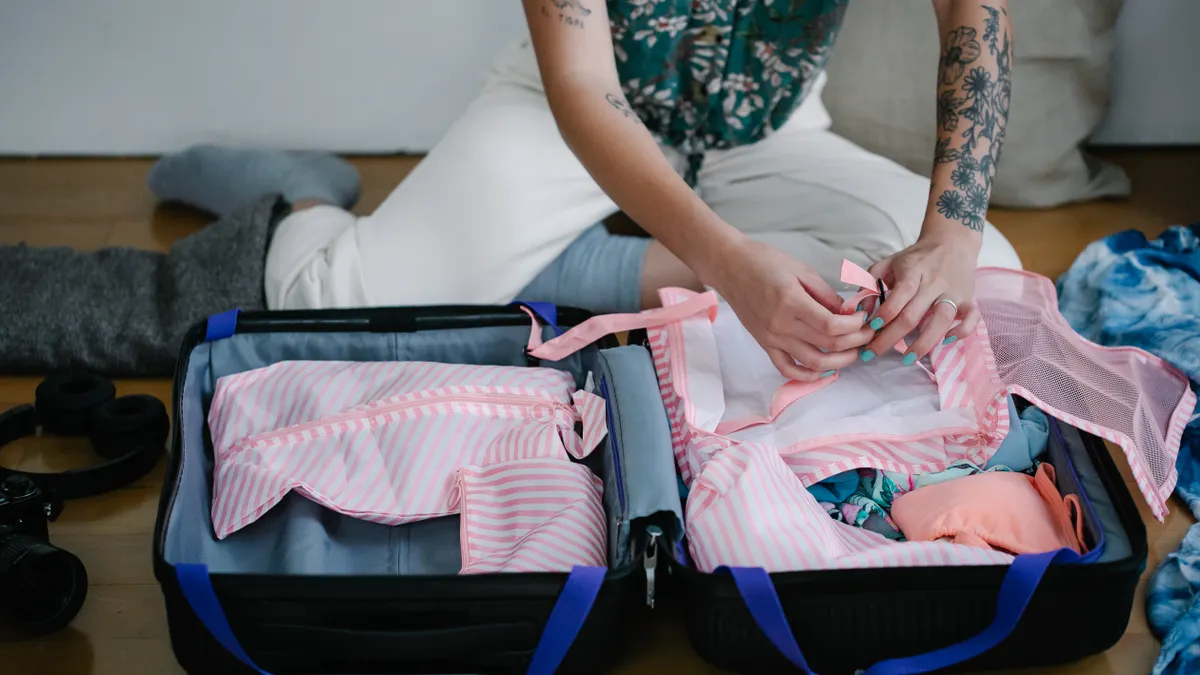
Soft-sided luggage wins for travelers who want flexibility, external pockets, and a little forgiveness when the bag is full. Hard-shell luggage wins for people who want better crush protection and a cleaner shape that stays closer to the published dimensions.
That is the real decision, not brand hype. Most major U.S. airlines publish cabin limits around 22 x 14 x 9 inches, including wheels and handles, and international carriers often run tighter. The Federal Aviation Administration’s carry-on guidance and the TSA’s packing rules both reinforce that the bag itself, not the marketing copy, is what matters at the checkpoint. The most common mistake is buying for the biggest allowed size and then discovering the bag’s rigid shell, spinner wheels, or expanded depth pushes it over once it is fully packed.
The useful question is not “Which is better?” It is “What kind of traveler am I, and what fails first for me: space, protection, or compliance?”
Soft-sided bags are usually the better fit if you pack odd-shaped items, want an outer pocket for documents, or value a few extra inches of give when zippers strain. Hard-shell bags are better if you carry fragile items, want a more weather-resistant exterior, or prefer a bag that is easier to wipe clean after baggage-bin abuse.
The price spread is wide enough that material matters less than design. You can find both styles from major retailers such as Amazon, Walmart, Best Buy, and the brand’s own site, so the smarter comparison is dimensions, weight, wheel layout, and warranty terms rather than storefront alone. A $100 bag and a $300 bag can both fail if the dimensions are wrong.
If a bag does not state its packed dimensions clearly, skip it. A listing that hides wheel-to-wheel width or expanded depth usually creates the kind of surprise that costs time at the gate.
Which cabin bag type fits your trip?
Soft-sided luggage is the safer recommendation for most travelers because it adapts to real packing habits instead of pretending everyone folds shirts the same way. A 21- to 22-inch soft case with two exterior pockets gives you more usable organization than a bare shell of the same size, and the fabric body can usually absorb a small overpack better than a rigid case.
That flexibility matters most on short business trips, road-legs before a flight, and itineraries where one bag has to do everything. A front pocket for chargers, a phone cable, or a boarding pass saves more time than a decorative clamshell exterior ever will. Soft-sided bags also tend to be easier to store in tight closets or overhead bins because they compress slightly.
The drawback is just as real: fabric shows wear sooner, zippers are a common failure point, and soft panels give less protection to delicate contents. If the bag carries a camera body, glass bottles, or a suit that must emerge crisp, a soft-sided carry-on can be the wrong answer. A bag with expansion zippers also tempts people to overpack, which is how a nominally compliant case becomes gate-check bait.
This option is wrong for travelers who routinely carry breakables, want a hard barrier against rain and scuffs, or hate the look of fabric fraying over time. It is also a poor fit if you want the most structured bag possible for tight international size rules, because the sides can bulge under pressure even when the listed measurement looks fine on paper.
For many readers, though, this remains the better all-around recommendation because the extra utility comes from the pocket layout and flexible body, not from marketing claims. The bag works harder in daily use.
Hard-shell luggage: who should actually buy it?
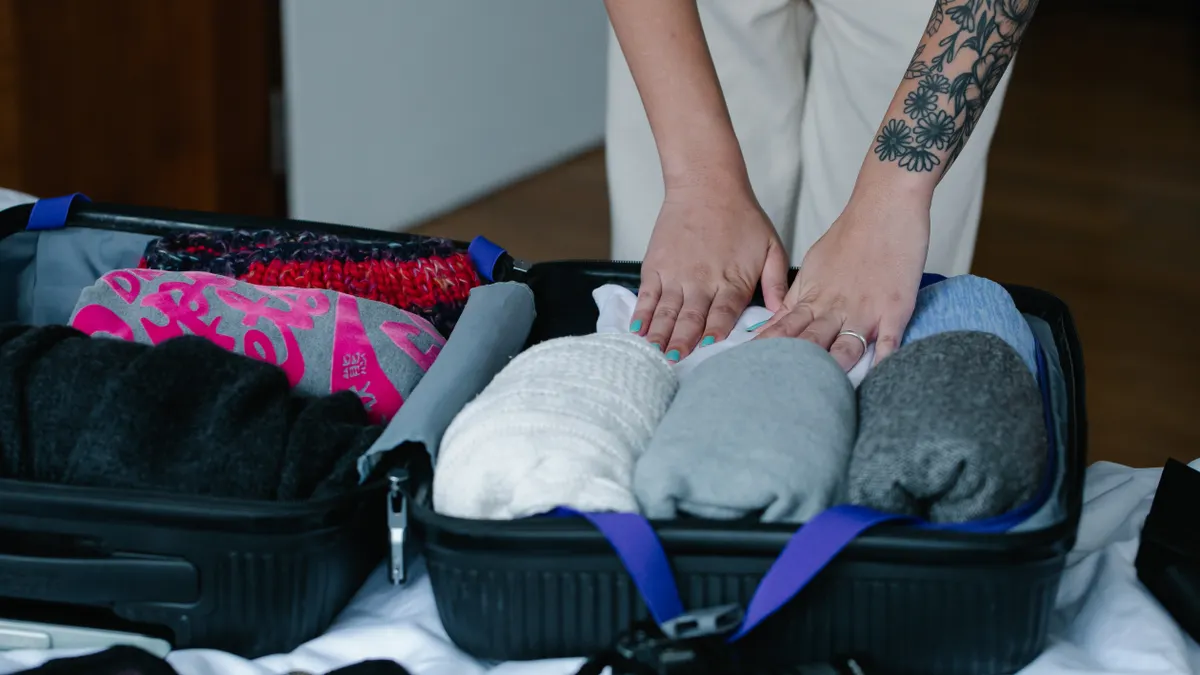
Hard-shell luggage wins for travelers who care more about shape retention and protection than about external pockets. A good polycarbonate shell keeps a neater silhouette, resists most surface moisture better than fabric, and is easier to clean after being dragged through a wet curbside or a dirty overhead bin.
This is the better choice when you pack electronics, bottles, cosmetics, or anything that gets crushed in a soft case. The shell does not make a bag indestructible, but it gives the contents a firmer boundary. That matters on regional jets and busy routes where overhead bins are packed tightly and bags get shifted around.
The trade-off is space efficiency. Hard-shell bags usually spend more of their volume on structure, so the interior can feel tighter than the external dimensions suggest. They also offer fewer quick-access options. If you need a passport, medication, snack, or laptop charger during boarding, you will either use an interior divider or open the whole case. That gets old fast.
A hard shell is not the right answer for everyone. It is a weak choice for travelers who need outside pockets, anyone who routinely stuffs one more layer at the last minute, and people who dislike the feel of a rigid case against overhead-bin lids. It is also less forgiving if the manufacturer uses thick walls and heavy hardware; a bag can meet size limits and still feel cumbersome because the usable interior is smaller than the badge suggests.
This type is most persuasive for frequent flyers who want a clean, durable shape and do not need external access. If you travel with cosmetics, cameras, or business items that need a bit of protection, hard-shell luggage is the better default. If your packing style is flexible and you rely on pockets, it is the wrong pick.
The features that change the decision more than brand names
The best carry-on recommendation starts with measurements, not logos. Wheel layout, empty weight, expansion depth, handle design, and zipper quality all affect how the bag behaves more than a shiny shell or a fashionable fabric.
Wheel design matters first. Four spinner wheels are easier to roll through airports and hotel lobbies, especially when the bag is fully loaded. Two-wheel uprights can be more stable on uneven pavement and curb cuts, and they often sacrifice less interior depth to the wheel housing. If you walk long distances or travel over rough sidewalks, a two-wheel design can be the better call even though spinners feel nicer in smooth terminals.
Empty weight matters because every airline limit is measured with the bag full. A lighter bag gives you more room for clothes and shoes before you hit the limit. This is especially important on international trips where the cabin allowance can be stricter than on domestic U.S. routes. A difference of even a few pounds can be the difference between compliance and a last-minute repack.
Expansion zippers are useful but risky. A 1.5- to 2-inch expansion panel sounds generous, yet it can push the case outside strict dimensions the moment it is opened. That makes expansion a feature for last-minute flexibility, not a default design to rely on every trip.
Handle sturdiness also changes the experience. A telescoping handle that wobbles when extended can make a well-built bag feel cheap and unstable. The best models lock cleanly and do not steal much interior space with the handle channel.
Finally, check the interior layout. Compression straps, divider panels, and a sealed wet pocket do more for real packing than a flashy lining. A thoughtfully laid-out interior lets you separate clean clothes from worn items, which matters on four-day and five-day trips where every inch counts.
The honest head-to-head
Soft-sided luggage wins for convenience, while hard-shell luggage wins for protection and shape control. That sounds simple because it is simple: the right choice comes down to how you pack and what kind of damage you expect.
| Criteria | Soft-sided luggage | Hard-shell luggage | Winner for condition |
|---|---|---|---|
| External organization | Usually includes front pockets and quick-grab storage | Often has no outside pockets at all | Soft-sided for boarding documents and chargers |
| Protection for fragile items | Less structure, more flex under pressure | Rigid shell resists crushing better | Hard-shell for electronics, bottles, and breakables |
| Packing forgiveness | More tolerant of awkward items and slight overstuffing | Less forgiving when packed to the edge | Soft-sided for irregular packing styles |
| Weather resistance | Fabric varies; many bags repel light rain but not much more | Smoother surface sheds moisture more easily | Hard-shell for wet sidewalks and curbside use |
| Weight efficiency | Often lighter for the same exterior size | Can be heavier because of the shell and frame | Soft-sided for maximum packing allowance |
| Accessibility in transit | Outside pockets make frequent access easier | Usually requires opening the main compartment | Soft-sided for business travel and short hops |
| Shape retention | Can bulge when full | Stays more uniform under load | Hard-shell for strict size compliance |
| Wear visibility | Fabric scuffs, frays, and stains over time | Shows scratches, but often cleans more easily | Hard-shell if appearance after many trips matters |
| Interior flexibility | More likely to compress around odd shapes | Less give, so volume is more fixed | Soft-sided for nonuniform loads |
The table point that gets missed most often is not style but behavior. A 22-inch bag is not the same as another 22-inch bag once wheels, handles, and shell thickness are counted. A soft-sided case may be easier to squeeze into a sizer; a hard-shell case may protect what is inside better but leave less room after the packing cubes go in.
If you want one recommendation for most travelers, soft-sided still wins because everyday use favors access and packing flexibility more often than it favors armor. If your contents are vulnerable or you fly enough to care about the bag holding its shape for years, hard-shell becomes the better long-term answer.
What a good carry-on recommendation should include before you buy
A useful purchase decision comes from checking four numbers and two build details before anything else. Start with external dimensions, empty weight, wheel count, and expansion depth. Then inspect the handle and zipper quality.
A useful cabin case should clearly state its dimensions with wheels included. If the maker only lists body dimensions, that number is incomplete. Wheels and handles are part of the bag’s real footprint, and they are what trip airline size checks. A case advertised at 22 x 14 x 9 inches can still be a problem if the wheels protrude beyond the published measurement or if the expanded version exceeds the limit.
Empty weight deserves the same attention. A lighter bag can save you a few pounds for clothing, shoes, or work gear. That difference matters even more on trips where you want to return with souvenirs or laundry. A bag that starts heavy gives away packing margin before you have even touched a zipper.
For wheels, the choice should match your walking pattern. Spinner wheels are easier in airports and hotels; two-wheel designs are often better on cracked sidewalks. The right choice depends less on fashion and more on where the bag rolls after you leave the terminal. The FAA and TSA do not care which wheel type you choose, but your shoulders and wrists will.
Handle design is the simplest quality tell. A flimsy telescoping handle makes any bag annoying, because wobble transfers directly into the roll. If the handle uses multiple stops, test mentally whether the lowest useful height works for your body. Tall travelers often care more about this than they expect.
The inner layout should match your trip length. A flat divider, compression straps, and one sealed pocket are enough for many people. The more compartments a bag has, the more likely some of them become dead space. Overdesigned interiors can look helpful and still waste room.
For standards and airline rules, check the Federal Aviation Administration’s guidance on carry-on restrictions and the TSA’s packing advice for permitted items:
- FAA: https://www.faa.gov/travelers/prepare_fly/carry_on_baggage
- TSA: https://www.tsa.gov/travel/security-screening/whatcanibring
- IATA baggage guidance: https://www.iata.org/en/programs/passenger/baggage/
Those pages do not tell you which suitcase to buy, but they do anchor the rules that matter at the airport.
When the recommendation flips
The overall recommendation changes in a few specific cases. A hard-shell bag becomes the better choice if you travel with fragile items more than twice a year, because the protection advantage starts to outweigh the lack of pockets.
A soft-sided bag becomes the better choice if your flights are mostly short domestic hops and you need outside access every trip. If you keep medication, a charger, a book, or a work badge in the bag, external pockets save real time. One pocket can be worth more than a harder shell.
The verdict also flips if you fly on carriers with very strict size enforcement or use smaller regional jets often. In that case, a smaller rigid case can be safer than a larger fabric one that looks compliant but bulges when full.
One more flip happens when the bag will be used as a shared household item. If multiple people pack it differently, the forgiving structure of soft-sided luggage is usually the safer bet. If one person owns the bag and packs neatly every time, hard-shell luggage becomes easier to live with.
These are not edge cases invented for drama. They are the situations where a general recommendation stops being useful and the specifics take over.
Which one should you actually pick?
Choose soft-sided luggage if you want pockets, flexibility, lighter weight, and a bag that adapts to messy real-world packing. Choose hard-shell luggage if you want better protection, a cleaner shape, and a case that holds its dimensions more faithfully. Neither if you routinely overpack beyond airline limits, because no material fixes a bad size decision.
That is the clean answer for most travelers. A soft-sided 21- to 22-inch bag is the better all-around recommendation for business trips, short vacations, and anyone who wants easy access to essentials. A hard-shell bag is the better recommendation for travelers who value protection and a tidy silhouette more than outside storage.
The wrong choice is the one that ignores your packing style. Buy the bag that matches how you actually travel, not the one that looks strongest in a product photo. If your bag must do double duty on budget airlines, train transfers, and hotel closets, the details matter more than the label on the front.
What most shoppers get wrong
Most shoppers start with material and end with regret. That is backwards. The first filter should be airline size, then weight, then the way you pack, then the shell type.
A lot of people also confuse “more compartments” with “better design.” Ten pockets do not help if they steal room from the main cavity or make the bag awkward to close. A simpler interior is often the smarter one.
Another common mistake is assuming all spinner bags roll the same. Cheap wheels wobble, get noisy, and can make a bag feel heavier than it is. A case with solid wheel mounting often beats a more stylish one with flimsy hardware.
Finally, do not buy on price alone. Check the current price across Amazon, Walmart, Best Buy, or the brand site, then compare the listed dimensions and warranty. A slightly more expensive bag that fits airline limits better and survives more trips is usually the better value.
The strongest recommendation is still this: buy the bag that matches the parts of travel you hate most. If you hate digging for tickets, choose soft-sided. If you hate crushed contents, choose hard-shell. If you hate checking bags, start with the dimensions and do not compromise there.
Drafted with AI; not yet reviewed by a person.





Leave a Reply