
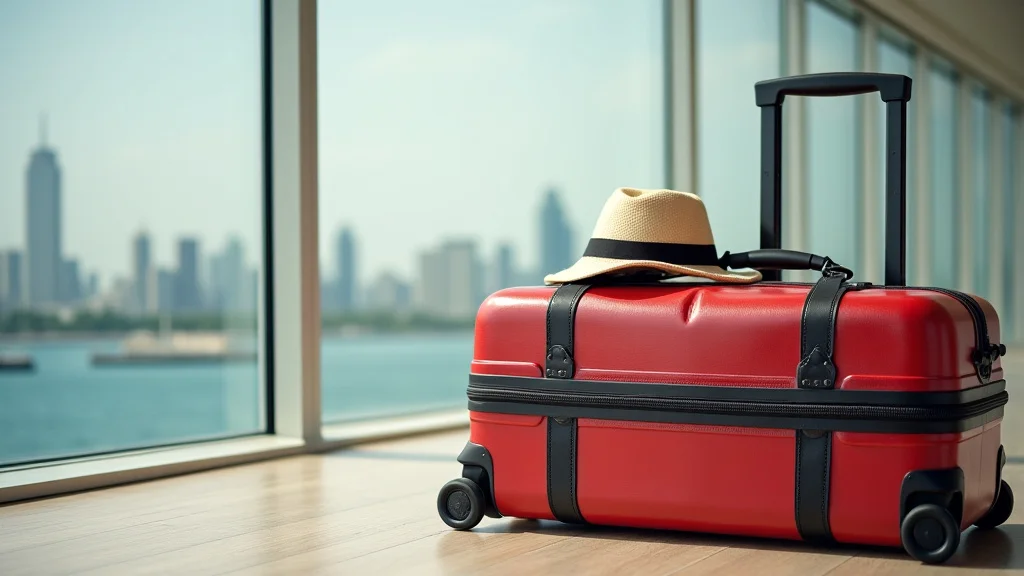
Picture this: You’re at Kuwait International Airport, ready for a well-deserved vacation, but your suitcase just won’t close. Or maybe you’ve arrived, and your luggage has decided to take a detour to another continent. These travel hiccups can be frustrating, but with the right information about luggage Kuwait, you can avoid them. This post is your go-to guide for everything from choosing the perfect suitcase to knowing your baggage rights. You’ll get practical advice, clear explanations, and insights into making your travels smoother and more enjoyable. By the end, you’ll be able to pack like a pro and feel confident when dealing with luggage in Kuwait. You will gain a thorough knowledge of baggage regulations, purchasing suggestions, and how to deal with baggage issues. This will help you plan your travels more efficiently, minimize stress, and make your trips in and out of Kuwait worry-free.
Key Takeaways
- Learn about the best luggage choices for different travel styles.
- Get the scoop on airline baggage allowances and how to avoid extra fees.
- Discover where to find quality luggage and accessories in Kuwait.
- Understand your rights if your baggage is lost or damaged.
- Find useful tips for packing smarter and traveling with ease.
- Explore various luggage sizes and their purposes.
Choosing the Right Luggage in Kuwait
Selecting the ideal luggage can dramatically improve your travel experience. It’s not just about aesthetics; you need to consider durability, size, and features. The type of trip you are planning determines the suitable kind of luggage. A business trip requires different considerations than a family vacation. Factors such as the airline’s baggage policies, weight restrictions, and the amount of items you usually bring play a crucial role in deciding what to get. Furthermore, investing in high-quality luggage can save money in the long run by reducing the need for replacements. There is a wide variety of choices, so knowing what to look for will help you make an informed decision.
Hard-Shell vs. Soft-Shell Luggage
One of the first decisions is whether to opt for hard-shell or soft-shell luggage. Each has distinct advantages. Hard-shell luggage, usually made from materials such as polycarbonate, ABS plastic, or aluminum, excels at protecting your belongings from impact. They are often water-resistant and easy to clean. However, they may be less flexible and lack external pockets. Soft-shell luggage, often made of nylon or polyester, offers more flexibility, allowing you to squeeze extra items inside. External pockets make it easier to reach items quickly. They are often lighter than hard-shell options, but they are less protective and less resistant to water. Your travel style will dictate the best choice. Consider how delicate your items are and how often you will be checking your baggage when making your decision.
- Hard-Shell Advantages: Provides superior protection against crushing and impact damage, ideal for fragile items.
- Hard-Shell Disadvantages: Less flexible, potentially less storage space, may be heavier.
- Soft-Shell Advantages: More flexibility, more storage space, often lighter.
- Soft-Shell Disadvantages: Less protection for fragile items, less water-resistant, and prone to wear.
- Material Considerations: Choose durable materials like polycarbonate for hard-shell and high-denier nylon for soft-shell.
Luggage Sizes and Types
Luggage comes in various sizes and types, each designed for specific travel needs. Understanding the differences between these sizes ensures you have the right amount of space for your belongings and stay within airline size restrictions. Size is usually measured in inches, and the total linear dimensions (length + width + height) are often what airlines consider when determining fees. Think about the length of your trip, the type of items you plan to bring, and how you will be traveling. Consider whether you’ll be traveling alone or with a group, and how often you plan to check your baggage versus carrying it on. These factors help determine the right size and type of luggage to purchase.
- Carry-on Luggage: Generally small enough to fit in the overhead compartment, typically measuring up to 22 x 14 x 9 inches (56 x 36 x 23 cm), ideal for short trips.
- Medium-sized Luggage: Suitable for trips of a week or less, usually around 25-27 inches in height, offers a balance of space and manageability.
- Large Luggage: Best for longer trips or family travel, typically 28-32 inches in height, provides ample storage but may be subject to weight restrictions and higher fees.
- Suitcases: Rectangular with two or four wheels, offering varying storage capacities and ease of handling.
- Duffel Bags: Soft-sided bags, offering flexibility, often preferred for sports equipment or informal travel.
Luggage Features to Consider
Beyond size and material, a few key features make a big difference when selecting luggage. Wheels, handles, and locks significantly affect how easy the luggage is to use and how safe your possessions are. Features such as integrated locks, expandable compartments, and internal organization systems can improve the travel experience. A good set of wheels and handles can save you a lot of effort and strain. Take your lifestyle and travel habits into account. Look for features that make travel smoother and more efficient. These features, though sometimes overlooked, can improve your travel experience and safeguard your belongings during travel.
- Wheels: Look for spinner wheels (four wheels) for ease of movement in any direction, or two-wheeled options for more stability on uneven surfaces.
- Handles: A telescoping handle that locks into multiple positions is preferable for different heights. Check the handle’s durability.
- Locks: TSA-approved locks allow airport security to inspect your luggage without damaging it.
- Expandability: Look for luggage with a zipper that expands the storage capacity, which helps when you need a little extra room.
- Internal Organization: Compartments and straps inside help keep your belongings organized and secure during transit.
Airline Baggage Regulations in Kuwait
Airline baggage regulations can be quite complex, varying from one airline to another. The rules depend on the airline, the destination, the class of service, and whether you are a member of a frequent flyer program. The regulations cover carry-on baggage and checked baggage, including size and weight restrictions, and any fees associated with exceeding these limits. Understanding these rules is essential to avoid unexpected costs at the airport. Checking the airline’s policies before your travel helps you prepare and pack accordingly. Airlines regularly update their policies, so always check the most current information before you travel. Failure to follow the rules can result in extra charges or refusal to carry your luggage.
Carry-on Baggage Rules
Carry-on baggage rules are essential to know for any trip. Each airline has specific size and weight limits for carry-on bags. These are designed to ensure overhead compartment space is available for everyone and to maintain the safety of the aircraft. Usually, these limits are around 22 x 14 x 9 inches (56 x 36 x 23 cm) for the main bag and include a small personal item, such as a purse or a laptop bag. Passengers are generally allowed one piece of carry-on baggage and one personal item. Violating these rules may mean that you will have to check your bag at the gate, which may result in extra fees. Be familiar with the specific carry-on requirements of your airline to avoid delays at the airport.
- Size Limits: Usually, the maximum size is 22 x 14 x 9 inches (56 x 36 x 23 cm), including wheels and handles.
- Weight Limits: Airlines may also impose weight limits, typically 10-15 kg (22-33 lbs).
- Personal Item: In addition to your carry-on, you are generally allowed one small personal item, such as a purse or laptop bag.
- Liquids: Liquids, aerosols, and gels must be in containers of 100ml (3.4 oz) or less, and all containers must fit in a single, clear, quart-sized plastic bag.
- Prohibited Items: Sharp objects, weapons, and other dangerous goods are generally prohibited in carry-on baggage.
Checked Baggage Rules
Checked baggage rules outline what you can bring in your checked luggage, the size and weight limits, and any costs involved. Baggage allowances usually depend on your ticket class and the airline’s policy. Economy class passengers typically get a specific weight allowance and may be charged extra for exceeding the limit. Business and first-class passengers usually have a higher allowance. Pay attention to the size (usually measured by the total linear dimensions) and weight limits. Packing too many items in a suitcase that exceeds weight limits may result in excess baggage fees. Before you pack, check the airline’s baggage policies. You can avoid unnecessary fees and issues by staying informed.
- Weight Limits: Usually 23 kg (50 lbs) per bag for economy class, but this varies by airline and destination.
- Size Limits: The total linear dimensions (length + width + height) typically cannot exceed 158 cm (62 inches).
- Excess Baggage Fees: Fees apply if you exceed the weight, size, or number of bags allowed.
- Special Items: Some items, like sports equipment, may have special rules and fees.
- Restricted Items: Firearms, flammable materials, and other hazardous items are usually prohibited.
Kuwait Airways Baggage Allowance
If you’re flying Kuwait Airways, knowing their baggage allowance is key. The allowance varies depending on your ticket type, destination, and any frequent flyer status you may have. Economy class passengers typically have a weight allowance of one or two checked bags with specific weight limits per bag. Business and first-class passengers usually have a more generous allowance. Before your flight, check the most current Kuwait Airways baggage guidelines. You can also view baggage fees if you need to bring extra luggage. Knowing your allowance beforehand allows you to pack efficiently and avoid extra charges.
For example, a standard economy passenger on a route from Kuwait to London might be allowed two bags with a maximum weight of 23 kg each. A business-class passenger might be permitted three bags, each with a weight of up to 32 kg. Remember that these rules are subject to change. Always verify the most up-to-date baggage allowance on the Kuwait Airways website or app before you travel. This will help you plan your packing, know whether you have to pay extra fees, and avoid any unwanted issues at the airport.
Where to Buy Luggage in Kuwait
Finding the right place to purchase luggage in Kuwait involves considering location, product variety, price, and customer service. Kuwait provides options for all budgets and preferences, from department stores to specialty luggage stores and online retailers. The variety of choices means you can compare brands, features, and prices to make the best choice. Taking the time to explore different buying options can result in a more fulfilling and better value purchase. You can find everything you need to know about the best locations to purchase luggage Kuwait.
Department Stores
Department stores in Kuwait, such as The Avenues and 360 Mall, often have a variety of luggage brands and styles. These stores usually offer a broad selection of products, from budget-friendly options to premium brands. Shopping in a department store allows you to compare different brands and designs in one place. You can also take advantage of sales and promotions. Department stores offer the comfort of an in-person shopping experience and the assistance of knowledgeable staff. This is beneficial if you want to try out the luggage or have specific questions about product features. Many department stores have a good return policy, which gives you confidence in your purchase.
- Brands Available: Explore popular brands such as Samsonite, American Tourister, and Delsey.
- Price Range: Offers a wide range of prices to suit different budgets.
- Customer Service: Staff are usually available to help with selection and provide advice.
- Convenience: You can see and touch the items, and compare different brands in one place.
- Sales and Promotions: Watch for promotions, such as seasonal sales, to get good deals.
Specialty Luggage Stores
Specialty luggage stores provide a deeper selection and knowledgeable staff who can give detailed product information. These shops often have a more specialized assortment of luggage brands and accessories, making it easier to discover a product tailored to your needs. The staff in these stores usually have a high level of product knowledge. They can advise you on the best bags for your travel style and answer questions about luggage characteristics. These stores also provide post-purchase services, such as repairs or warranties, offering long-term value. Whether you’re looking for a specific feature, brand, or expertise, specialty luggage stores are a great option.
- Brand Selection: Often feature niche and premium brands not commonly available in department stores.
- Expert Advice: Staff provide expert advice and help you choose the best luggage for your needs.
- Product Variety: Feature a wide variety of luggage styles, including carry-ons, checked bags, and travel accessories.
- Warranty and Repairs: Provide warranty services and repair options.
- Location: Generally located in malls and commercial areas.
Online Retailers
Online retailers provide a convenient way to shop for luggage, allowing you to browse many options from the comfort of your home. Platforms like Amazon, Noon, and local e-commerce stores provide various luggage brands, styles, and sizes. Online stores have the advantage of competitive pricing and frequent sales. You can compare different models and read customer reviews to help you make an informed decision. Moreover, many online stores offer delivery services across Kuwait, making shopping easy. Just make sure to read the return policies and check the seller’s reputation before making a purchase. The convenience and competitive pricing of online stores are popular for those searching for luggage Kuwait.
- Selection: Wide variety of brands, sizes, and styles to choose from.
- Price Comparison: Easily compare prices from different retailers.
- Customer Reviews: Read reviews from other customers to guide your selection.
- Convenience: Shop from home and have the luggage delivered to your doorstep.
- Return Policies: Familiarize yourself with return policies before buying to ensure satisfaction.
Dealing With Lost or Damaged Luggage
Even with careful preparation, baggage can sometimes get lost or damaged during transit. Understanding what to do if your luggage has a problem is crucial to safeguarding your rights and ensuring a positive travel experience. Knowing your options, documenting the issue, and submitting the proper documentation can help you receive compensation or find your luggage quickly. Airlines are responsible for taking care of your baggage, and they have procedures for dealing with baggage problems. Taking these steps can reduce the stress of a frustrating situation. Familiarizing yourself with the airline’s policy will help you manage these unfortunate situations.
Reporting Lost Luggage
If your luggage does not appear at the baggage carousel, the first step is to report it immediately to the airline’s baggage service desk. Airlines have a set process for reporting lost luggage. You will need to provide your baggage claim tag and a detailed description of your luggage. The airline will file a property irregularity report (PIR). This report is necessary for tracing your luggage and filing a claim. Make sure all of the contact information you provide is accurate so the airline can reach you. The airline will attempt to find your luggage, providing updates on its status. This will help you if your luggage is delayed. Be patient and keep records of all communications.
- Find the Baggage Service Desk: Go to the airline’s baggage service desk as soon as you realize your luggage is missing.
- File a PIR: Fill out a Property Irregularity Report with a detailed description of your luggage.
- Provide Contact Information: Ensure that your contact details are accurate so the airline can contact you.
- Keep Records: Keep a record of all interactions and the PIR reference number.
- Follow-Up: Check the status of your luggage frequently and follow up with the airline regularly.
Reporting Damaged Luggage
If your luggage is damaged during transit, you should report the damage to the airline immediately. Go to the airline’s baggage service desk and file a damage report before leaving the airport. This is necessary to file a claim. You will have to show the damage to your luggage, along with your baggage claim tag. The airline will assess the damage. They might offer to repair the bag,
- Report Immediately: Report the damage to the airline’s baggage service desk as soon as possible.
- Provide Documentation: Present your baggage claim tag and a detailed account of the damage.
- Take Photos: Take photos of the damage as evidence.
- Understand the Airline’s Policy: Be aware of the airline’s damage policy and your rights.
- Negotiate Compensation: Negotiate with the airline for an appropriate resolution, such as repair, replacement, or compensation.
Claiming Compensation
If your luggage is lost, delayed, or damaged, you are entitled to compensation. The amount depends on the airline’s policies, international agreements, and the specifics of your situation. For lost luggage, airlines may offer compensation for the value of the items inside. If your luggage is delayed, you can claim compensation for any essential items you need to purchase while waiting. For damaged luggage, compensation may include repair costs or
For example, if your luggage is delayed for 24 hours and you need to buy toiletries and a change of clothes, keep receipts for those items. You can submit these receipts to the airline to claim compensation. The airline’s responsibility in these circumstances is usually limited by international treaties, such as the Montreal Convention. This treaty outlines the limits of liability for lost, delayed, or damaged luggage, so being informed about these regulations can help when submitting a claim.
Packing Smarter for Smooth Travels
Efficient packing can save space, reduce stress, and improve your overall travel experience. Strategic packing involves knowing how to utilize space wisely, selecting the correct clothing, and using accessories. You can fit more into your luggage and stay within weight restrictions by using these methods. When packing, you will experience a more organized and hassle-free trip. Careful planning and the right techniques will make a big difference in the convenience and simplicity of your travels. By packing efficiently, you can make the most of your travel space. You can also minimize the possibility of having issues with luggage Kuwait.
Packing Techniques
Several packing techniques can assist you in maximizing space, securing your belongings, and avoiding wrinkles. Rolling your clothing is generally more space-efficient than folding. It also helps reduce wrinkles. Use packing cubes to separate and organize your belongings. This method helps to compress your items while offering you a structured space inside your luggage. You can keep your clothes and travel gear organized, making it simpler to find what you need. Place heavier items near the bottom of your suitcase, close to the wheels, for better balance and stability. Take a look at these strategies to streamline your packing process and maximize your space.
- Rolling vs. Folding: Rolling clothes saves space and reduces wrinkles.
- Packing Cubes: Use packing cubes to organize and compress your items.
- Heavy Items: Place heavy items near the bottom of your suitcase, close to the wheels.
- Utilize Empty Spaces: Use shoes, hats, and other items to fill empty spaces in your luggage.
- Wrinkle Prevention: Use garment bags for delicate clothing or place dry cleaning bags between clothes.
Packing Essentials
Knowing what to pack is key to a successful trip, and this can vary depending on your destination and the length of your travel. Some items are essential. These include clothing, toiletries, and important documents. Create a packing checklist to prevent anything from being forgotten. Include versatile clothing items that can be mixed and matched. These are great to minimize the amount of clothing you must bring. Always pack toiletries in travel-sized containers to comply with airline regulations. Be sure to carry important documents like your passport, visa, and tickets. Be ready for any situation with a well-thought-out packing list.
- Clothing: Pack versatile clothing items that can be mixed and matched.
- Toiletries: Use travel-sized containers to comply with airline regulations.
- Documents: Carry important documents like your passport, visa, and tickets.
- Medications: Bring any necessary medications and prescriptions.
- Electronics: Pack chargers, adapters, and any other required accessories.
Packing Accessories
Several accessories can improve your packing experience and protect your belongings. Packing cubes and compression bags maximize space, while luggage tags make it simple to recognize your bag. Travel-sized bottles are a must for toiletries to stay within the regulations. A luggage scale will help you avoid excess baggage fees. These accessories will make packing and traveling more efficient. Make sure to consider these helpful accessories to make the most of your travels. Using these add-ons can reduce space, make organizing easier, and protect your valuables.
- Packing Cubes: Organize and compress your items, preventing them from shifting.
- Luggage Tags: Clearly label your luggage with contact information.
- Travel-Sized Bottles: Use for toiletries to meet airline regulations.
- Luggage Scale: Weigh your luggage to avoid excess baggage fees.
- TSA-Approved Locks: Secure your luggage without risk of damage.
Common Myths Debunked
Myth 1: Expensive Luggage Is Always the Best
While the price of luggage may indicate the use of higher-quality materials and construction, it doesn’t automatically mean it’s the right choice. The best luggage depends on your travel needs. A premium bag might include features you do not need. A less expensive, but well-made bag, with appropriate features, may be all you need. Focus on the materials, construction, and features. Consider your travel style and how the luggage will be used. A well-designed bag at a mid-range price point can be a better choice for some people. Look for features and longevity instead of focusing solely on the price tag.
Myth 2: Hard-Shell Luggage Is Always More Durable
While hard-shell luggage provides better protection against crushing, it is not always more durable. Hard-shell luggage can be susceptible to cracks and dents if subjected to heavy impact. Soft-shell luggage, on the other hand, is usually more flexible and can absorb impacts. The durability depends on the materials and construction. High-quality hard-shell luggage will often be more durable, but it may not always be better. Choose luggage made from durable materials, like polycarbonate. Also, check the construction quality, paying attention to seams, zippers, and handles. Consider your travel patterns and the types of items you usually bring.
Myth 3: All Airlines Have the Same Baggage Rules
Baggage rules vary significantly between airlines. These rules cover weight, size, and what you can bring on board. International flights frequently have more generous baggage allowances than domestic flights. The class of service you are flying (economy, business, first-class) also affects these allowances. Always check the rules of the specific airline you are traveling with. The rules also depend on the destination and the type of ticket. Being aware of these different rules can assist you in avoiding extra costs and ensuring a smoother travel experience. Regularly review the airline’s website or app to be updated on any changes.
Myth 4: You Can Pack Anything in Your Checked Luggage
There are rules on what you can bring in checked luggage. Airlines restrict certain items for safety reasons. These items are prohibited. They include hazardous materials, flammable items, and weapons. Some items are permitted but have limits. For instance, liquids must be in containers of a specific size. Electronics, such as lithium batteries, have specific requirements. Make sure to review the airline’s rules before you pack. You can find this information on the airline’s website or contact their customer service. Failing to comply can cause delays or have your items confiscated. Make sure you stay updated to comply with all safety regulations.
Myth 5: If Your Luggage Is Lost, the Airline Will Immediately Replace Everything
Airlines take responsibility for lost luggage, but the extent of their liability is usually defined by international agreements, such as the Montreal Convention. The airline must compensate you for the loss of your luggage. However, their liability is limited. They may not replace everything, but they must reimburse you for your lost items. This reimbursement is subject to limits. You can claim the value of the contents, subject to any limitations. To make a claim, you must keep receipts and the Property Irregularity Report. Check the airline’s specific policies for details on claim procedures.
Frequently Asked Questions
Question: What is the standard size for carry-on luggage?
Answer: The standard size for carry-on luggage is generally 22 x 14 x 9 inches (56 x 36 x 23 cm), including wheels and handles. Always verify the specific size restrictions with your airline before traveling.
Question: What should I do if my luggage is delayed?
Answer: If your luggage is delayed, immediately report it to the airline’s baggage service desk. File a Property Irregularity Report, and keep all receipts for any essential items you purchase while waiting for your luggage.
Question: Can I bring liquids in my carry-on luggage?
Answer: Yes, you can bring liquids in your carry-on luggage, but they must be in containers of 100ml (3.4 oz) or less, and all containers must fit in a single, clear, quart-sized plastic bag.
Question: What are excess baggage fees?
Answer: Excess baggage fees are charges assessed by airlines if your luggage exceeds the weight, size, or number of bags allowed under the airline’s baggage policy.
Question: Where can I buy luggage in Kuwait?
Answer: You can buy luggage in Kuwait at department stores, specialty luggage stores, and online retailers. Each option offers different brands, prices, and customer service experiences, so compare to find the right choice for your needs.
Final Thoughts
Traveling with luggage in Kuwait doesn’t have to be a hassle. By understanding your options and preparing ahead of time, you can experience a smoother, more enjoyable trip. Start by selecting the right luggage; choose between hard-shell and soft-shell luggage based on your priorities and the type of trip you are taking. Familiarize yourself with airline baggage rules and fees to avoid unexpected costs. Know where to buy luggage Kuwait, whether it’s at a department store, a specialty shop, or online. Pack efficiently, following the best techniques to maximize space and protect your belongings. Should your baggage go missing or get damaged, understanding the procedures for reporting and filing claims is key. By taking these steps and staying informed, you can travel with confidence. Enjoy your journey, and make sure that your travel is worry-free.


Leave a Reply