
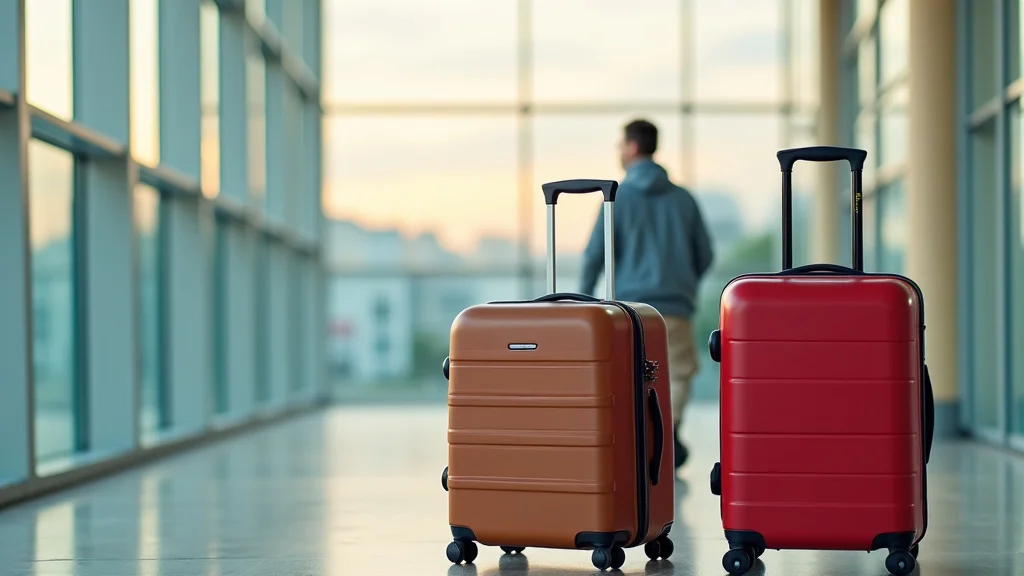
Picture this: you’re at the airport, bags packed, and ready to go. Then, a sinking feeling hits – is your luggage overweight? The fees! The stress! The luggage game is a real challenge for travelers. This guide will help you conquer those anxieties and become a pro at packing, weighing, and strategizing. You’ll learn the essential techniques to travel smoothly, avoid baggage fees, and enjoy a stress-free trip. By the end, you’ll be able to pack like a seasoned traveler. Get ready to turn travel woes into wins!
Key Takeaways
- Learn how to choose the best luggage for your trips to optimize space.
- Understand airline baggage rules to avoid unexpected fees.
- Discover clever packing techniques to maximize space and minimize weight.
- Find out how to weigh your luggage accurately.
- Explore valuable travel accessories to streamline the packing process.
- Master strategies for dealing with unexpected baggage issues.
Choosing the Right Luggage Game Gear
Selecting the correct luggage is the first step in winning the luggage game. It’s not just about aesthetics; the right choice significantly affects your travel experience. Factors to consider are size, material, and features such as wheels and handles. Furthermore, think about the duration and type of trip you are planning. Weekend getaways require smaller bags compared to extended vacations. Knowing your travel style helps determine the appropriate luggage.
Types of Luggage
The market offers various types of luggage. Each type has advantages and disadvantages. From hard-sided suitcases to soft-sided duffel bags, each has a specific utility. Different luggage types work best depending on your journey. By knowing the features, you can make the appropriate choice. This way you’ll be well-prepared.
- Hard-Sided Suitcases: These are usually made from materials like polycarbonate or aluminum. They provide excellent protection for your belongings. They are also water-resistant. However, they can be heavier and may offer less flexibility with packing.
Hard-sided suitcases excel at protecting fragile items. The rigid exterior resists impacts. This makes them ideal for air travel. The trade-off is often slightly reduced space. Still, the peace of mind they offer is valuable.
- Soft-Sided Luggage: Commonly constructed from materials such as nylon or polyester. They are lighter and more flexible than hard-sided options. This can be advantageous when it comes to fitting into tight spaces. This type of luggage is also easier to expand.
Soft-sided luggage usually comes with external pockets. This allows easy access to essential items. They may offer more give when overpacking. However, this could result in increased vulnerability to damage and water.
- Duffel Bags: These bags are often used for shorter trips or when you need flexibility. They’re typically made of soft materials, making them lightweight. They’re excellent for fitting into odd spaces. However, they lack organizational features.
Duffel bags suit travelers who value flexibility. They work well for sports equipment or travel that requires lighter packing. They can be easier to manage in crowded areas. They may be less protective for fragile items.
Size Matters: Baggage Allowance
Airline baggage policies vary. They often base fees on size and weight. Knowing these rules beforehand can prevent costly surprises at the airport. You should know what sizes are accepted to avoid problems. There’s nothing worse than being charged extra just because you didn’t know the rules.
- Carry-On Luggage: Most airlines allow one carry-on bag and a personal item. Check the specific dimensions allowed by your airline. Be aware of size restrictions to avoid checking your bag at the gate.
Carry-on bags let you keep essentials close and avoid checked baggage fees. This requires careful packing to make the most of the space. Consider the maximum dimensions specified by your airline to avoid problems. Overpacking can be a challenge.
- Checked Luggage: Checked luggage allowances depend on the ticket class. The number and size of bags you are allowed to check. Also consider the weight limits. Exceeding these limits leads to fees.
Checked luggage provides more space for longer trips or carrying bulky items. Checking a bag also frees up your hands. Checking in a bag means dealing with possible delays or loss. Be sure to label your bag clearly.
Material Considerations
The material of your luggage impacts its durability and weight. Hard-sided cases can protect your items better. The trade-off is their weight. Soft-sided bags offer more flexibility and often weigh less. These bags could be less protective. You should also think about water resistance and ease of cleaning.
- Hard-Sided Materials: Polycarbonate is a common choice. It offers good impact resistance at a reasonable weight. Aluminum is very durable but heavier.
Polycarbonate is resistant to scratches and dents. This helps to maintain the appearance of your luggage. Aluminum provides extra protection. It’s often chosen for frequent travelers. Be sure to consider these features when making your decision.
- Soft-Sided Materials: Nylon and polyester are lightweight and offer some water resistance. They are often more affordable and flexible.
These materials often come with external pockets for easier access to items. However, they are not as resistant to impacts. The best choice depends on the type of travel you’ll be doing. The durability and ease of use are key factors.
Packing Strategies to Win the Luggage Game
Effective packing is key to winning the luggage game. It means making the most of your space and keeping your belongings secure. Careful packing can also help you avoid weight issues. There are numerous techniques and accessories. They help you pack efficiently and effectively.
Folding Techniques
How you fold your clothes affects both space and wrinkles. Traditional folding methods are suitable for some items. Techniques like rolling clothes save more space and reduce wrinkles. Experiment with different methods. This will help you find what works best for your clothing and bag. These techniques are your secret weapon against excess baggage fees.
- Rolling Clothes: Rolling clothes compresses them more. It saves significant space. It also helps prevent wrinkles, especially for items made of wrinkle-resistant fabrics.
Rolling is ideal for t-shirts, jeans, and casual wear. It helps you maximize the available space. Make sure to pack the rolled clothes tightly. This way, they don’t unravel during transit. This method is effective when using a carry-on or a smaller suitcase.
- The Bundle Method: This method involves wrapping all your clothes around a central core. This works well for preventing wrinkles and organizing your belongings.
The bundle method protects more delicate items from damage. It creates a solid, compact unit. This method involves a bit more preparation. Still, the benefits are worth the effort for longer trips. You may want to put a few soft items in the middle.
Packing Cubes and Compression
Packing cubes are a great way to organize your luggage. They separate different types of clothing and accessories. Compression bags save space. This removes air and decreases the volume of your items. They are easy to use. Together, these tools can improve how efficiently you pack.
- Using Packing Cubes: Packing cubes help organize your clothes. They are available in various sizes. This makes it easy to categorize items. Separate dirty clothes from clean clothes.
Packing cubes also help in keeping your clothes organized and easy to find. This means you do not have to search through your entire suitcase. This helps you travel with greater efficiency. This can also prevent wrinkles and keep your suitcase tidy.
- Compression Bags: Compression bags reduce the volume of clothes. This is done by removing air through a valve. They are perfect for bulky items.
Compression bags significantly decrease the space your clothes take up. This is useful when you have a weight restriction. Use them for down jackets, sweaters, and other large items. Note that compressed clothes may wrinkle more. Consider the trade-off. Compression bags improve space utilization.
Smart Packing Tips
Smart packing involves more than just folding and organizing. It requires strategic thinking about what to bring. It involves anticipating your needs. Also, it includes planning for contingencies. Following these simple packing tips can streamline your travel experience.
- Create a Packing List: This helps you keep track of what you need. It ensures you don’t forget anything.
A packing list helps you focus on what you need. Review the list before you start packing. Make sure you have all the essential items. This will prevent overpacking. Also, it minimizes the chance of forgetting an important item.
- Wear Your Heaviest Items: If possible, wear your bulkiest shoes and jackets on the plane. This helps distribute the weight evenly.
Wearing heavy items on the plane is one of the oldest tricks in the book. It reduces the load in your luggage. This is effective for shoes, coats, and other bulky items. It can help you stay within weight limits.
- Utilize Every Space: Use socks and underwear to fill your shoes. Put small items inside larger ones.
Every unused space is wasted potential. Packing small items into larger ones maximizes space. You can fill gaps efficiently. This reduces the amount of extra luggage. Use this method to optimize space.
Weight and Measurement in the Luggage Game
Weight and measurement are critical elements in the luggage game. Understanding airline restrictions. Knowing how to weigh your luggage. These actions are very important. Accurate measurements prevent any extra fees. It also helps in having a less stressful travel experience.
Weighing Your Luggage
Knowing the weight of your luggage is very important. This helps you avoid charges. Digital luggage scales are useful for this purpose. They are accurate and easy to use. Also, there are ways to estimate the weight. This will help you make decisions at the airport.
- Using a Luggage Scale: A digital luggage scale is a simple tool. It is designed to accurately weigh your luggage. It eliminates any guesswork.
Simply attach the scale to your bag and lift it. The digital display provides an exact weight reading. Make sure to use it before going to the airport. This prevents surprises at check-in.
- Alternative Weighing Methods: If you do not have a scale, you can use a bathroom scale. Weigh yourself first. Then, weigh yourself while holding the bag. Subtract your weight from the combined weight.
Although less accurate, it provides a reasonable estimate. Be aware of the limitations. Try to weigh your luggage before you get to the airport. This helps you to stay within weight restrictions.
Understanding Airline Weight Restrictions
Airlines have different weight restrictions for carry-on and checked bags. Weight limits can vary. The airline determines these restrictions. Weight limits often vary based on the class of your ticket. Being aware of these rules can avoid extra charges.
- Carry-on Weight Limits: Most airlines have a weight limit for carry-on bags. They are more flexible than checked baggage.
Ensure your carry-on meets the airline’s weight guidelines. Some airlines enforce these rules strictly. Others may be more lenient. Know the rules of the airline you are flying with.
- Checked Baggage Weight Limits: Checked baggage limits vary based on the ticket. These limits often depend on the destination.
If you have more baggage than the ticket allows, fees apply. These fees can be costly. Always check the airline’s website. They will have the most recent information.
Measuring Luggage Dimensions
Besides weight, dimensions are important. Most airlines have size restrictions for carry-on and checked luggage. Using an appropriate measuring tape is useful for this task. Measuring your luggage before you go can also prevent unexpected problems.
- Measuring Carry-On Dimensions: Carry-on bags must comply with dimensions specified by the airline. Use a measuring tape to find the dimensions.
Measure the length, width, and height. Make sure the bag does not exceed the allowed size. If it does, you may need to check your bag. Be aware of the restrictions and measure your bags.
- Measuring Checked Baggage Dimensions: Checked baggage has size limits, as well. They are often larger. Measure your checked bags before you leave.
Confirm the dimensions of your luggage. Be aware of the maximum size your airline permits. This helps avoid problems and unexpected fees.
Useful Travel Accessories and Gadgets
Various travel accessories and gadgets can improve your packing experience. They can also help make your trip easier. From packing cubes to portable scales, these items will add to your efficiency and convenience. These accessories will make your travel simpler.
Organizing Essentials
Organization is key to managing your luggage. Packing cubes are important for sorting clothing. Accessories such as travel wallets and jewelry cases help keep belongings secure. Organizing your items helps you save space and saves you time.
- Packing Cubes: Packing cubes are very helpful. They organize your clothing. They are available in different sizes. This makes it easier to separate items.
Packing cubes provide a systematic way to separate your belongings. This means it is easy to find what you need. This increases the overall organization of your bag. This helps you utilize space.
- Travel Wallets and Jewelry Cases: These items keep essential items like money and jewelry safe and organized.
These accessories offer protection. They also prevent loss and damage. They also make it easier to find what you need. This is particularly helpful when traveling through airports.
Tech and Gadgets
Technology can improve your travel experience. Electronic luggage scales offer accurate weight measurements. Portable chargers keep your devices charged. These modern accessories are essential for the modern traveler.
- Portable Luggage Scales: These digital scales provide accurate weight measurements. This reduces problems at the airport.
A portable luggage scale provides peace of mind. You can measure your luggage before going to the airport. This prevents weight-related issues at check-in.
- Portable Chargers: Portable chargers make sure you do not run out of battery. These are especially useful when you are on the move.
These devices ensure that your phone and devices remain charged. This is useful for flights or during long waits. Portable chargers let you stay connected. Also, you can access important information when traveling.
Comfort Items
To improve your travel experience, you can include comfort items. A travel pillow makes long flights more comfortable. A luggage strap or a portable backpack can make it easier to carry your luggage.
- Travel Pillows: A travel pillow can improve your comfort on long flights. It helps you sleep better.
Travel pillows are designed to support your neck and head. This ensures a comfortable and relaxing journey. This is a must-have accessory if you value comfort.
- Luggage Straps and Backpacks: These are accessories. They make it easier to carry luggage. They also help improve organization.
A luggage strap can help you combine two bags. This can simplify your journey and make it easier to handle your luggage. A lightweight backpack makes it easier to carry items.
Dealing with Baggage Issues in the Luggage Game
Even with careful planning, baggage problems can occur. You must know how to deal with situations like delayed or lost baggage. Also, you need to understand the airline’s policy. Knowing what to do can reduce stress and ensure that you are prepared. Knowing the airlines’ policies is also important.
Delayed Baggage
Delayed baggage can cause significant inconvenience. Know what to do in case your luggage is delayed. Knowing the steps will help you cope with the situation. Your actions could also help to get your bag back quickly.
- Report the Delay: Immediately report the delay to the airline. Get a reference number.
Report the delay as soon as possible. Give the airline all the necessary information. Obtain a reference number to track your baggage. This is essential for starting the tracking process.
- Gather Essential Items: Pack essentials in your carry-on. These should include medications. Also, you may need a change of clothes.
Having essential items helps you while your luggage is located. Also, pack toiletries. It may include some basic items. This reduces the effects of delayed baggage.
Lost Baggage
Dealing with lost baggage needs quick action. Immediately report the loss to the airline. They should initiate the process of locating your luggage. There are steps you can take to make the recovery process easier.
- Report the Loss: Report the lost luggage to the airline. Get a claim number and document everything.
Fill out the required forms and provide details about your luggage. Get a claim number. The claim number lets you track your luggage. Make sure to keep copies of all documentation.
- File a Claim: File a claim for any lost items. Keep records of your purchases.
The airline should reimburse you for essential items you have to buy. Make sure to keep all the receipts. Also, document any damages to your items.
Airline Policies and Responsibilities
Airlines are responsible for baggage. It is important to know your rights. Baggage issues are often handled in accordance with the airline’s policies. These policies outline how to report issues and receive compensation. Be familiar with these to ensure a smooth recovery.
- Understand Airline Liability: Learn about the airline’s liability for lost or damaged luggage.
Airlines have liability limits. Review the terms and conditions. The airline may compensate you for lost or damaged luggage. It is critical to know what is covered. It is also important to know what is not.
- Know Your Rights: Know your rights as a passenger. You should know what compensation the airline provides.
Know what rights you have. Understand what compensation you are due. This helps you get fair treatment if your luggage is delayed or lost.
Common Myths Debunked
Myth 1: You Can Always Overpack, and It Will Be Fine
The idea that you can always cram a lot of stuff into your luggage is common. Some think that they can always get away with overpacking. Airlines’ weight restrictions and fees make this a dangerous idea. Overpacking means you could be faced with fees. It may also mean that you have to repack your bags at the airport.
Myth 2: Expensive Luggage Guarantees No Damage or Loss
It’s commonly thought that expensive luggage is always secure from damage or loss. The truth is, while quality luggage can improve durability, it does not provide guarantees. Luggage can be damaged or lost. Insurance or good packing practices help you manage risk.
Myth 3: You Can Ignore the Weight Limit, and It Won’t Matter
Many travelers think they can ignore weight limits and avoid any problems. But the weight limits have consequences. Fees and potential re-packing at the airport may arise. Airlines strictly enforce weight limits. It is a good idea to know the limits.
Myth 4: All Airlines Have the Same Baggage Rules
There is a widespread idea that all airlines have the same baggage rules. The reality is airlines have different policies. This is regarding size, weight, and fees. Checking the individual airline’s rules before traveling is key. Checking the airline rules helps avoid unexpected fees.
Myth 5: It’s Okay to Pack Valuables in Checked Luggage
Many people pack valuable items in checked luggage. It is usually best to keep valuables on you. Checked baggage can be lost or stolen. It is important to know about luggage insurance. Keeping valuables with you helps avoid problems.
Frequently Asked Questions
Question: What is the best way to avoid baggage fees?
Answer: Pack light, use carry-on luggage when possible, and be aware of airline size and weight limits.
Question: How can I find out the exact weight of my luggage before going to the airport?
Answer: Use a digital luggage scale at home or while packing to get an accurate weight reading.
Question: What should I do if my luggage is lost by the airline?
Answer: Report the loss immediately, get a claim number, and gather essential items while the airline searches for your bag.
Question: What are packing cubes, and why are they helpful?
Answer: Packing cubes are fabric containers used to organize clothes, and they help compress and compartmentalize items inside your luggage, saving space.
Question: Is it better to roll or fold clothes when packing?
Answer: Rolling clothes can save space and minimize wrinkles, but the best method depends on the fabric and your personal preference.
Final Thoughts
Mastering the luggage game allows you to travel with less stress and more enjoyment. By choosing the right luggage, using smart packing techniques, and knowing the rules, you can handle any situation. You now have the skills to handle baggage fees and other travel headaches. Remember to weigh your luggage before you go. Utilize packing cubes, and consider rolling your clothes. Also, always check the current airline guidelines. Now you have the tools to pack like a pro. With a little planning and these key strategies, you are well on your way to a smoother trip. Get ready to explore the world with confidence and efficiency!


Leave a Reply