
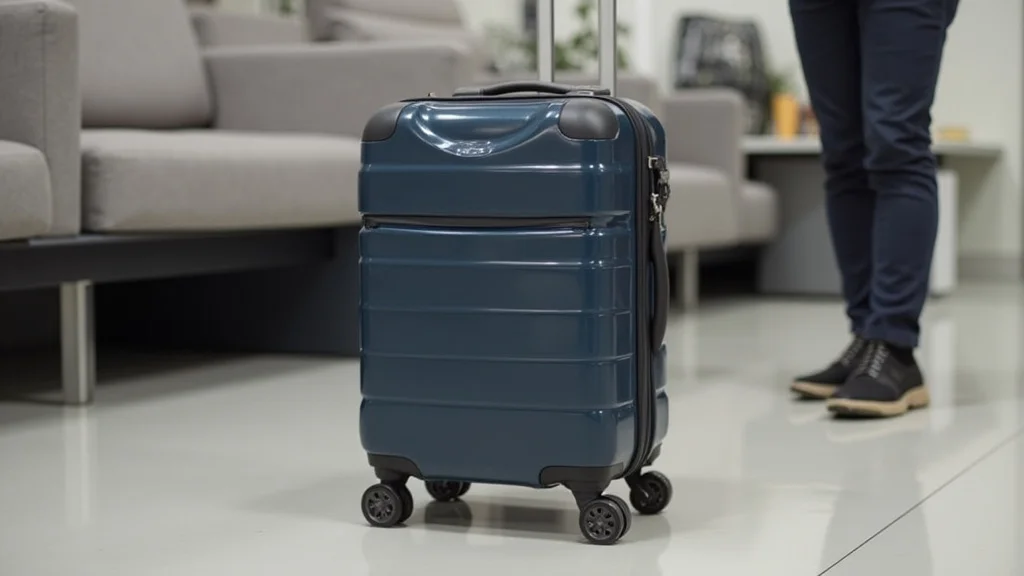
Picture this: You’re at the airport, bags packed, excitement bubbling, ready to jet off on an adventure. Then, disaster strikes. Your trusty suitcase’s wheel decides to give up the ghost, leaving you dragging your luggage across the terminal. Frustrating, right? But before you toss your bag in despair, consider luggage wheel
Key Takeaways
- Learn how to identify different types of luggage wheels.
- Discover the tools and materials needed for successful wheel replacement.
- Understand the step-by-step process of performing luggage wheel replacement.
- Find resources for sourcing replacement wheels for various suitcase brands.
- Get tips for maintaining your luggage wheels and extending their lifespan.
- Gain confidence to handle future wheel issues on your own.
Identifying Your Luggage Wheel Problems
Before jumping into any repairs, properly diagnosing the issue is essential. Not all wheel problems require complete replacement; sometimes a simple fix can get you back on track. Understanding the different types of wheel damage and the reasons behind them will guide you to the appropriate solution. Observing how your wheel functions—or malfunctions—will determine the best path to address your luggage troubles.
Common Wheel Issues
- Wheel Detachment: This involves the wheel separating from the suitcase body, which can be caused by impact damage or wear and tear. A detached wheel usually makes the suitcase difficult or impossible to roll. Inspect the mounting points; are screws loose or missing, or is the plastic cracked or broken?
- Wheel Obstruction: Debris such as string, hair, or small objects can become tangled in the wheel and its axle, preventing it from spinning freely. This might cause the wheel to drag, making your luggage hard to maneuver. Look closely for trapped objects, as removing them might be a quick solution.
- Wheel Damage: The wheel itself might be cracked, chipped, or worn down, impairing its rolling ability. This degradation can occur over time due to friction on various surfaces, rendering the wheel less efficient and potentially damaging your suitcase’s base. Check for uneven wear or cracks on the wheel’s surface.
- Axle or Bearing Failure: Internal components like the axle or bearings can rust, seize, or break, preventing smooth rotation. This kind of problem often creates a squeaking or grinding noise when the wheel is in motion, or it might prevent the wheel from turning at all. Assess the smoothness of wheel movement by rotating it by hand.
- Wheel Wobble: A wheel that wobbles or doesn’t roll straight can make your luggage difficult to control and may indicate a problem with the wheel’s attachment or the axle. Loose screws or worn bearings could be the cause. Inspect how the wheel moves as it rolls across a flat surface.
- Tire Wear: Some luggage wheels have tires made of rubber or similar materials that can wear down with use. This wear can reduce the wheel’s grip and make it harder to roll, particularly on smooth surfaces. Observe the tire’s surface for thinning or wear patterns.
For example, if the wheel is just obstructed, removing the debris might be all that is needed. However, if the wheel is cracked, a complete luggage wheel replacement might be necessary.
Types of Wheels to Consider
- In-Line Skate Wheels: These wheels are typically small, hard, and arranged in a single line, similar to roller skates. They offer good maneuverability and are often found on smaller suitcases. They excel on smooth surfaces but might struggle on uneven terrain.
- Spinner Wheels: Spinner wheels are designed to rotate 360 degrees, providing excellent maneuverability in any direction. They are generally larger and more robust, suitable for various surfaces. The multi-directional movement is very useful in crowded areas or tight spaces.
- Recessed Wheels: These wheels are partially recessed into the suitcase body, offering protection from damage during transit. The design also lowers the center of gravity, which improves stability. They tend to be durable but may be less maneuverable in tight spaces.
- External Wheels: External wheels protrude from the suitcase body, providing more ground clearance and better rolling over rough surfaces. They are common on larger suitcases and are generally durable, although they might be more susceptible to damage from impacts.
- Dual Wheels: Some luggage has two wheels per corner instead of one. Dual wheels increase stability and are often found on larger suitcases. This design spreads the load and improves rolling efficiency, especially on uneven surfaces.
Knowing the type of wheel on your luggage helps determine the repair method and the type of replacement you will require. Consider factors like your travel style, common surfaces you encounter, and the overall weight of your luggage when selecting the best wheel type.
Gathering Your Luggage Wheel Replacement Supplies
Having the correct tools and materials before you begin the luggage wheel replacement will ensure the procedure goes smoothly. This preparation step avoids having to pause the repair for missing equipment. It also helps to keep your project organized and efficient. Before you take apart your luggage, make sure you have everything you need.
Essential Tools for Luggage Repair
- Screwdrivers: A set of screwdrivers, including both Phillips head and flathead, in various sizes is essential. Many luggage wheels are attached with screws. Having a variety of screwdriver sizes ensures you can remove and replace the screws. Consider a magnetic screwdriver to prevent dropping screws.
- Pliers: Pliers are helpful for gripping small parts, removing cotter pins, or holding the wheel in place while you work. Needle-nose pliers can be especially useful for working in tight spaces. Choose pliers with a comfortable grip for ease of use.
- Wrench: A small wrench set or adjustable wrench might be needed to remove or tighten nuts or bolts that secure the wheel. Ensure that the wrenches are the correct size for the hardware on your luggage. A ratcheting wrench can make the process faster and easier.
- Utility Knife or Box Cutter: Useful for cutting away fabric or plastic if needed to access the wheel attachment points. Be careful when using these tools to avoid damaging the luggage. Have a sharp blade for clean cuts.
- Measuring Tape or Ruler: A measuring tool to determine the size of the old wheel and the required replacement. Precise measurements are important for a perfect fit. Accurately measure the wheel diameter, width, and axle length.
- Lubricant: A small amount of lubricant, such as silicone spray or WD-40, can help to loosen rusted or seized parts and ensure smooth wheel operation after the replacement. Avoid over-lubricating, as this can attract dirt and debris.
In addition to the tools, a clean workspace will help keep all parts of your repair project organized and easy to access.
Materials to Have Handy
- Replacement Wheels: The main material, of course! Obtain replacement wheels that match the size and type of your original wheels. You can find these online, at luggage stores, or at some hardware stores.
- Screws and Fasteners: Have a selection of screws or fasteners, just in case the originals are damaged or lost. Matching the size and type is important. It’s often helpful to have multiple sizes to fit all types of luggage.
- Adhesive: Super glue or a similar strong adhesive might be required to secure certain parts or to reinforce the attachment points, especially if the suitcase body is damaged. Choose an adhesive that is durable and suitable for the materials of your luggage.
- Cotter Pins or Retaining Clips: If your luggage wheels use cotter pins or retaining clips to secure the axles, have a few extras. These small parts are easy to lose or damage. Ensure the replacement parts are the right size for your axle.
- Optional Parts: Washers, bearings, or other small components that might need replacement, depending on the damage. Examine the condition of all parts during disassembly and replace anything that looks worn or damaged.
With your tools and materials ready, you’ll be well-prepared to deal with any wheel issues that might come your way.
Step-by-Step Luggage Wheel Replacement Guide
Replacing a luggage wheel is a manageable project with the correct method. This detailed guide takes you through each step of the replacement process. Following these instructions will allow you to do a successful luggage wheel replacement, restoring your luggage to full functionality.
Step 1: Preparation and Disassembly
- Empty Your Luggage: Remove all items from your suitcase. Working on an empty bag makes it easier to maneuver the luggage and access the wheel area. This also protects your belongings from any potential damage.
- Inspect the Wheel and Identify Attachment Points: Examine the wheel and the surrounding area to identify how the wheel is attached to the suitcase. Look for screws, bolts, rivets, or other fasteners. Take a photo before you start, which is useful when reassembling.
- Remove the Wheel: Unscrew or unbolt the wheel from the suitcase. In some cases, you might need to pry off a cover or liner to access the screws. If there are rivets, you may need to drill them out, and then
- Detach the Axle: Remove the axle, which usually involves removing a cotter pin or retaining clip. Use pliers to carefully remove the pin or clip, then slide the axle out. If the axle is rusted or stuck, apply some lubricant and let it sit for a few minutes before trying again.
This initial phase is important to determine what has to be replaced and helps make the repair procedure straightforward.
Step 2: Wheel Removal and Preparation
- Remove the Old Wheel: Once the fasteners are removed, the wheel should come off easily. If it is stuck, gently wiggle it, or use a screwdriver to pry it off. Avoid using excessive force to avoid damaging the luggage.
- Clean the Mounting Area: Clean any dirt or debris from the area where the wheel was attached. This ensures the new wheel fits securely and operates smoothly. Use a damp cloth to clean the area and let it dry before proceeding.
- Check for Damage: Examine the mounting area for any damage. Check for cracks, broken plastic, or other issues. If you find any damage, consider reinforcing the area with adhesive or additional hardware during the reassembly.
- Assess the Axle: Check the axle for rust or wear. If the axle is damaged, consider replacing it as well. An old, damaged axle can cause problems with the new wheel.
Thorough preparation guarantees a good, lasting luggage wheel replacement. This step sets the stage for a smooth installation.
Step 3: Installing the New Wheel
- Position the New Wheel: Place the new wheel in the same position as the old wheel, making sure that any alignment features are properly aligned. Align the wheel correctly for smooth rolling.
- Insert the Axle: Insert the axle through the new wheel and the mounting brackets. If the axle is tight, you might need to use a rubber mallet to gently tap it into place.
- Secure the Axle: Secure the axle with the cotter pin or retaining clip. Make sure the pin or clip is firmly in place to prevent the axle from coming loose. If using a cotter pin, bend the ends to ensure they are secure.
- Attach the Wheel to the Suitcase: Reattach the wheel to the suitcase, using the screws or bolts you removed earlier. Tighten the fasteners until the wheel is secure, but avoid overtightening, which could strip the threads.
Proper wheel installation assures that the new wheel will function correctly, providing a smooth travel experience.
Step 4: Testing and Troubleshooting
- Test the Wheel: Rotate the wheel by hand to ensure it spins freely. Check that it rolls smoothly and doesn’t rub against the suitcase body. Check for any unusual noises or resistance.
- Check the Alignment: Make sure the wheel is aligned correctly and doesn’t wobble. If the wheel is not aligned, loosen the screws and adjust its position.
- Load Test: Load the suitcase with some weight and test how the wheel handles the extra load. This confirms that the wheel can handle the weight it will normally carry. Simulate the normal usage of the suitcase to evaluate the result.
- Troubleshoot Any Issues: If there are any issues, recheck the fasteners and axle. Make any necessary adjustments. If the wheel still doesn’t work correctly, you may need to re-evaluate the replacement process or the wheel type.
This final step guarantees your repair is successful and your luggage is ready for its next adventure.
Common Myths Debunked
Myth 1: Luggage wheel replacement is too difficult to do at home.
Many people assume that luggage wheel
Myth 2: All luggage wheels are the same.
This is incorrect. Luggage wheels vary significantly in size, type, and attachment methods. Understanding the wheel’s characteristics, like the type (spinner, in-line skate), diameter, width, and how it attaches, is essential for finding a suitable replacement. Failure to consider these aspects might mean that the wheel does not fit properly.
Myth 3: You need specialized tools to replace a luggage wheel.
While specialized tools can make the process easier, they are not necessary. You can use common household tools like screwdrivers, pliers, and wrenches. Specialized tools, like rivet guns, might be needed if your luggage uses rivets, but this depends on the specific design of your luggage. The basic tools needed are generally readily available.
Myth 4: A replacement wheel from any brand will work on my suitcase.
This is often not true. While some generic wheels might fit, the best results come from using a wheel that is designed for your brand and model of luggage. Always try to match the original wheel’s specifications. This can guarantee a seamless fit and optimal performance. Checking the specifications helps ensure a good match.
Myth 5: It’s always best to replace both wheels at once.
It’s not always necessary to replace both wheels simultaneously. If only one wheel is damaged or worn, replacing that wheel is often sufficient. If both wheels show the same wear pattern, it might be beneficial to replace them together. But otherwise, you can save money by replacing only the wheel that needs fixing. Examine the wear on the remaining wheels before deciding.
Frequently Asked Questions
Question: Where can I buy replacement luggage wheels?
Answer: You can buy replacement luggage wheels online from retailers like Amazon, eBay, or specialized luggage repair websites. You can also find them in luggage stores, hardware stores, or through the manufacturer of your luggage.
Question: How do I measure my luggage wheel to find the correct replacement?
Answer: Measure the wheel’s diameter (the overall size), width (the thickness of the wheel), and the length of the axle. Also, check the mounting style, such as the screw pattern. Comparing these measurements to the replacements guarantees that you get the correct fit.
Question: Can I use super glue to fix a broken luggage wheel?
Answer: Super glue might provide a temporary fix for small cracks or minor damage. However, for a damaged or missing wheel, super glue is not a lasting solution. For a durable repair, consider a luggage wheel replacement.
Question: What if I can’t find the exact replacement wheel for my luggage?
Answer: If you can’t find an exact match, try to find a wheel that is as close as possible in size, type, and attachment method. You may need to adapt the attachment method, such as drilling new holes, if the bolt patterns don’t align.
Question: How can I prevent luggage wheels from breaking in the first place?
Answer: Avoiding overloading your luggage can help. Also, be mindful of the surfaces on which you roll your luggage. Avoid rough terrains. You can also regularly inspect your wheels and clean them to prevent debris buildup. Properly caring for your luggage can extend the life of the wheels.
Final Thoughts
Dealing with a broken luggage wheel can be a significant inconvenience, but it doesn’t have to ruin your travel plans. With the knowledge and guidelines provided, you’re now fully equipped to perform your own luggage wheel


Leave a Reply