
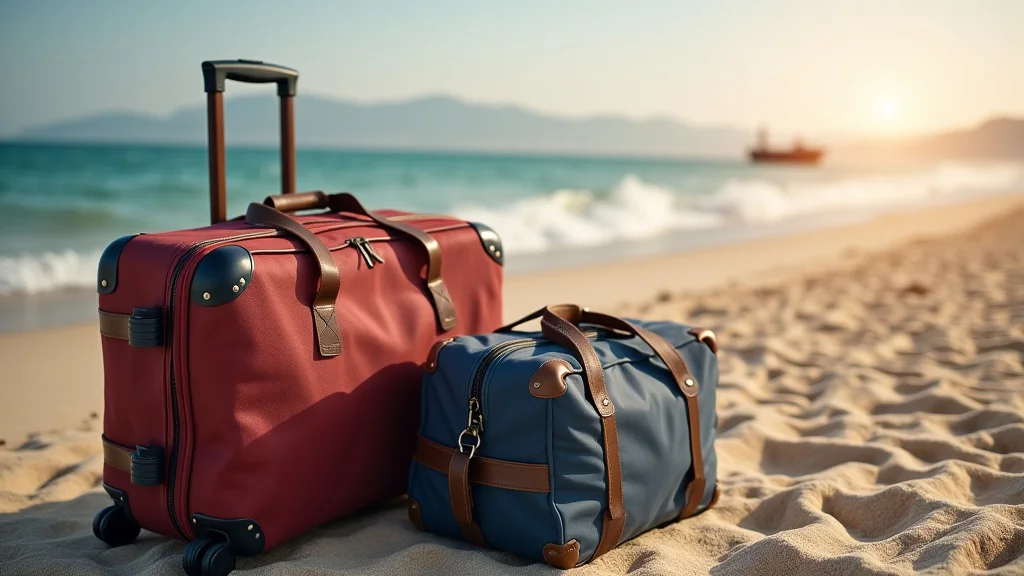
Remember that frantic feeling at the airport baggage carousel, desperately hoping your luggage bags arrived safely? Or perhaps you’ve struggled with a bulky suitcase, making travel more stressful than it should be? This post is designed to help you avoid those situations. We’ll explore everything you need to know about selecting the best luggage bags for your needs, from material and size to features and durability. You’ll gain valuable insights to choose the perfect travel companion, making your trips smoother and more enjoyable. By the end, you’ll be able to make informed decisions that save you time, money, and headaches, all while improving your travel experience.
Key Takeaways
- Learn how to choose the right size of luggage bags based on trip duration and travel style.
- Discover the best materials for durability and lightweight travel.
- Understand the various types of luggage bags available, including carry-ons, checked bags, and specialty bags.
- Explore features like wheels, handles, and organization compartments to enhance your travel experience.
- Find out how to ensure your luggage bags comply with airline regulations.
- Gain insights on how to maintain your luggage bags, extending their lifespan and ensuring your investment is well-protected.
Selecting the Ideal Luggage Bags Size
Picking the perfect size of your luggage bags is more than just grabbing the biggest one you can find. The correct size depends heavily on your travel style, the duration of your trip, and the type of activities you plan to engage in. A weekend getaway requires significantly less space than a month-long excursion across several climates. Overpacking can lead to extra fees, while underpacking could leave you unprepared.
Carry-On Luggage Benefits
Carry-on luggage offers numerous advantages for travelers who value convenience and efficiency. You bypass the baggage check lines, saving precious time at the airport. You maintain control of your belongings, reducing the risk of loss or damage. Additionally, carry-on bags encourage minimalist packing, preventing you from bringing unnecessary items. This strategy often results in a lighter load, making it easier to maneuver through crowded areas and utilize public transportation. Carry-on luggage typically adheres to specific size restrictions set by airlines, with a maximum generally around 22 x 14 x 9 inches (56 x 36 x 23 cm), including handles and wheels. This size fits into the overhead compartments of most aircraft.
- Saves Time: You can skip baggage check and immediately head to your destination.
- Reduced Risk: Your belongings stay with you, decreasing the chance of loss or damage.
- Cost-Effective: Avoids checked baggage fees, providing immediate financial benefits.
- Promotes Minimalism: Encourages you to pack only essentials, keeping travel light.
Checked Luggage Considerations
Checked luggage offers a different set of benefits, particularly for longer trips or situations where you need to bring more items. With checked bags, you’re not restricted by size limitations, allowing you to pack more clothing, shoes, and bulky items. This is especially useful for family vacations or if you are planning on shopping. However, it’s essential to weigh the convenience against the potential drawbacks. Checking a bag means waiting at baggage claim, increasing the likelihood of lost or damaged luggage, and paying any associated fees. Airlines typically impose weight limits, frequently around 50 pounds (23 kg) per checked bag for standard fares, with additional charges for overweight luggage. Standard checked bag dimensions are typically around 62 linear inches (length + width + depth). Consider insurance for your luggage to protect against potential issues.
- Increased Capacity: More space for clothes, shoes, and souvenirs.
- Ideal for longer trips: You can pack for diverse weather conditions and activities.
- Less physical strain: You do not need to carry a heavy bag through the airport.
Factors Influencing Size Selection
Several factors should guide your size selection. Consider the length of your trip, as longer trips naturally require larger bags. The type of trip also matters; business travelers may need a smaller bag than leisure travelers. Your personal packing style is also relevant; do you tend to pack light, or do you prefer to bring a variety of options? Additionally, airlines’ size and weight restrictions are critical; failure to comply can lead to extra fees or complications. Evaluate these factors to pick the perfect luggage bags.
- Trip Duration: Longer trips mean more clothes and essentials.
- Travel Style: Business trips require fewer items than adventure trips.
- Packing Habits: Are you a light packer or a chronic over-packer?
- Airline Regulations: Always check size and weight restrictions.
Exploring Luggage Bag Materials
The material of your luggage bags plays a crucial role in its durability, weight, and overall performance. Several materials are widely used, each with its own benefits and drawbacks. Knowing the characteristics of each material helps you select the right bag that aligns with your travel needs, budget, and desired level of protection. The best material often depends on your travel style and how rugged of an environment you expect your bag to endure.
Hard-Sided Luggage Materials
Hard-sided luggage typically consists of rigid materials, designed to offer superior protection against impacts. These bags are known for their resilience and are excellent at shielding fragile items from crushing. Common materials include polycarbonate, ABS plastic, and aluminum. Polycarbonate is a lightweight and impact-resistant plastic, making it a popular choice. ABS plastic is a more affordable option but can be less durable. Aluminum luggage is extremely durable and stylish but generally more expensive. Hard-sided bags often come with integrated TSA-approved locks, providing an added layer of security. They are excellent at resisting water and are easy to clean, making them a practical choice for various travel conditions. The rigid structure, however, can sometimes limit flexibility in packing. The hard shell prevents overpacking, keeping items more secure.
- Polycarbonate: Lightweight, durable, and impact-resistant.
- ABS Plastic: Affordable, but potentially less durable.
- Aluminum: Extremely durable and stylish but can be heavy and expensive.
Soft-Sided Luggage Materials
Soft-sided luggage, typically made from fabrics like nylon and polyester, provides flexibility and can expand slightly to accommodate extra items. These bags are generally lighter than their hard-sided counterparts, making them easier to maneuver. They often feature external pockets for easy access to travel essentials, and their flexible nature can be advantageous in confined spaces, like overhead compartments or car trunks. Nylon is known for its durability and resistance to wear and tear, while polyester is water-resistant and offers good value. Soft-sided bags may not provide the same level of protection against crushing as hard-sided luggage. They may be more susceptible to stains and require more care, but their adaptability and lighter weight make them a favored choice for many travelers. However, water resistance can vary depending on the weave and treatment of the fabric.
- Nylon: Durable, resistant to wear, and can handle a beating.
- Polyester: Water-resistant, affordable, and good value.
Material Comparison Table
Here’s a comparison table summarizing the main differences in luggage bag materials:
| Material | Pros | Cons | Ideal For |
|---|---|---|---|
| Polycarbonate | Lightweight, durable, impact-resistant | Can scratch easily | Frequent travelers, those prioritizing durability |
| ABS Plastic | Affordable, lightweight | Less durable than polycarbonate | Budget-conscious travelers |
| Aluminum | Extremely durable, stylish | Heavy, expensive | Frequent travelers, business trips |
| Nylon | Durable, wear-resistant | Can absorb water | Adventurous travel, active lifestyles |
| Polyester | Water-resistant, affordable | Can tear more easily | Budget travelers, those looking for versatile luggage |
Various Luggage Bags Types for Every Traveler
The market offers a diverse range of luggage bags designed to cater to various travel needs and preferences. From the compact carry-on to the spacious checked bag, and specialty items like garment bags and rolling duffels, each type serves a unique purpose. The correct choice depends on your travel style, trip duration, and the type of items you typically carry. Understanding the features and applications of each will help you select the ideal luggage bags.
Carry-On Bags
Carry-on bags are designed to fit the overhead compartments of most aircraft. They provide the convenience of keeping your luggage with you, eliminating the need to check it and potentially speed up your trip. Carry-on luggage is typically compact, lightweight, and compliant with airline size restrictions, generally measuring around 22 x 14 x 9 inches (56 x 36 x 23 cm), including handles and wheels. There are two primary types of carry-on bags: hardside and softside, each offering specific benefits. Hardside carry-ons offer superior protection and are often water-resistant, while softside bags provide more flexibility, allowing you to stuff in extra items. Consider the ease of maneuverability through crowded spaces, especially when using public transport.
- Hardside Carry-Ons: Provides excellent protection for contents.
- Softside Carry-Ons: Flexible, with external pockets for easy access.
Checked Bags
Checked bags are designed for longer trips or when you need to transport more items than a carry-on bag allows. Checked bags come in various sizes and materials, ranging from lightweight polyester to sturdy aluminum. These bags are checked at the airline counter and handled by airport staff, so durability is important. Checked bags often include expandable compartments to accommodate extra purchases or souvenirs, offering additional capacity. However, remember to factor in potential baggage fees and the possibility of delays or damage during transit. The maximum size and weight restrictions vary by airline, usually around 62 linear inches (length + width + depth) and 50 pounds (23 kg) per bag. Secure your luggage with TSA-approved locks to ensure easy inspection by airport security.
- Variety of Sizes: Available in various dimensions, perfect for longer trips.
- Increased Capacity: Provides enough space for multiple items.
Specialty Luggage
Specialty luggage caters to specific needs and activities. Garment bags are designed to keep suits and dresses wrinkle-free during transit, featuring a long, upright design and compartments to hang clothes. Rolling duffel bags are a versatile choice, offering a combination of soft-sided flexibility and rolling convenience, ideal for sports equipment or informal travel. Cosmetic cases and train cases are smaller bags designed to hold beauty products, with organized compartments and often a mirror. Suit bags are designed for hanging formal clothing to keep them wrinkle free. Camera bags, with padded compartments and dividers, protect delicate equipment. When choosing specialty luggage, consider the specific requirements of your activity and ensure it meets your needs.
- Garment Bags: Designed to keep clothes wrinkle-free.
- Rolling Duffels: Great for informal travel and sports equipment.
- Cosmetic Cases: Perfect for carrying makeup and toiletries.
Features to Look For in Luggage Bags
The features of your luggage bags can significantly enhance your travel experience, offering comfort, convenience, and protection for your belongings. From the type of wheels and handles to the internal organization and security features, each element plays a role in how practical and enjoyable your journey is. Knowing what to look for allows you to pick the right luggage bags and avoid unnecessary headaches.
Wheels and Handles
The wheels and handles are vital components, affecting maneuverability and ease of use. Four-wheel bags (spinners) offer 360-degree mobility, gliding easily in any direction, making them suitable for navigating busy airports or narrow aisles. Two-wheel bags, with wheels set into the base, are often more stable on uneven surfaces and are suitable for pulling behind you. The handle should be adjustable and sturdy, with a comfortable grip to reduce strain on your hand and arm. Telescoping handles should extend and retract smoothly. Some handles also include side handles for lifting from the luggage carousel. Ensure the wheels and handles are durable and well-built to withstand the rigors of travel. Consider the terrain you will encounter, as some wheels are better suited for smooth surfaces, and others work better on rough terrain.
- Spinner Wheels: Offer 360-degree maneuverability.
- Two-Wheel Bags: Stable on uneven surfaces.
- Telescoping Handles: Adjustable for comfort and convenience.
Internal Organization
Internal organization features help keep your belongings neat, secure, and easily accessible. Look for multiple compartments, including zippered pockets, dividers, and compression straps. These organizational tools enable you to separate items, such as clothing, shoes, toiletries, and electronics, and prevent them from shifting during transit. Compression straps compress the contents, preventing items from moving and adding stability. Many bags include mesh pockets, which provide visibility of the contents while securing small items. Some luggage even features dedicated compartments for suits or dresses, keeping them wrinkle-free. Good internal organization not only makes packing easier but also helps you find what you need quickly, reducing stress and saving time while traveling.
- Multiple Compartments: Enables you to separate items.
- Compression Straps: Keeps items secure and prevents shifting.
- Mesh Pockets: Easy visibility of items.
Security Features
Security features help protect your belongings from theft and damage. TSA-approved locks allow security personnel to inspect your bag without breaking the lock. These locks can be either built-in or separate locks that you attach to the zippers. Consider bags with reinforced corners and scratch-resistant surfaces to resist impact. Some luggage has anti-theft zippers, which are designed to be difficult to tamper with. For extra security, you may also consider luggage with GPS tracking, allowing you to locate your bag if it gets lost or stolen. It’s always a good idea to clearly label your luggage with your contact information, to make it easier to recover if it goes missing. The importance of security depends on the value of your possessions and the perceived risk of theft at your destination.
- TSA-Approved Locks: Allow security to inspect your luggage without damage.
- Reinforced Corners: Increases durability and impact resistance.
- GPS Tracking: Locates your bag if it’s lost.
Ensuring Luggage Bag Compliance with Airline Regulations
Adhering to airline regulations is important to avoid extra fees, delays, and issues during your travel. Airlines have specific size and weight restrictions for both carry-on and checked luggage bags, and these regulations can vary from one airline to another. Prior to your trip, check the size and weight limitations, as these can change. You must understand the rules to pack accordingly. Packing your luggage bags right is important to prevent problems and ensure a smooth experience.
Carry-On Size Restrictions
Carry-on luggage must fit in the overhead compartments or under the seat in front of you. Most airlines have size limits of approximately 22 x 14 x 9 inches (56 x 36 x 23 cm), including wheels and handles. It is recommended to check the specific size restrictions with your airline before you travel, as these can vary slightly. Ensure that your carry-on bag is designed to comply with these restrictions, so you don’t face penalties or have to check the bag at the gate. Weigh your carry-on luggage before you leave to ensure it complies with any weight restrictions, since some airlines may also weigh carry-ons. For additional convenience, you can measure your bag prior to packing, to make sure it complies with the specific guidelines.
- Check Specific Airline Rules: Airlines have different policies.
- Wheels and Handles: These are included in the size measurements.
- Weight Limits: Many airlines have carry-on weight restrictions.
Checked Luggage Requirements
Checked luggage bags are subject to size and weight restrictions set by the airline. The maximum dimensions for checked bags typically have a linear measurement of 62 inches (157 cm) – calculated by adding the length, width, and depth together. Weight limits usually range from 50 to 70 pounds (23 to 32 kg) per bag. Excess weight or size often results in additional fees, so pack carefully. Each airline has varying regulations, so check the airline’s website or contact customer service for precise details before you travel. To avoid fees, make sure to measure and weigh your bag before you leave for the airport, and consider using packing aids to distribute weight evenly and minimize bulk. Remember that these limits apply to each checked bag, so be aware of how many bags you are traveling with.
- 62 Linear Inches: Total length, width, and depth.
- Weight Limits: Vary by airline and fare class.
Navigating Airline Policies
Airline policies regarding luggage can sometimes be confusing. It is essential to understand how these policies can affect your travel. Most airlines have specific rules about prohibited items, such as flammable materials, lithium batteries, and sharp objects. Ensure that your bags comply with these guidelines, since failure to do so can lead to confiscation or even penalties. Be aware of the fees associated with checked bags, as these can add to the total cost of your trip. Some airlines offer different fare classes with varying baggage allowances, so choose the option that best fits your needs. Understand the airline’s policy on lost or damaged luggage. Document the condition of your luggage before checking it, in case you need to file a claim. You must be well prepared and informed about luggage policies.
- Check the Airline’s Website: For specific guidelines and restrictions.
- Be Aware of Fees: For checked bags, overweight, and oversized luggage.
- Understand Prohibited Items: Ensure your bags comply with all safety regulations.
Maintaining and Caring for Your Luggage Bags
Proper care and maintenance is a crucial part in extending the lifespan and ensuring the performance of your luggage bags. Regular cleaning, storage, and small repairs can prevent damage and maintain the aesthetic appeal of your bag. By investing time in proper care, you ensure that your travel gear is always ready for your next adventure.
Cleaning and Storage
Cleaning your luggage bags regularly maintains appearance and prevents damage from dirt and debris. For hard-sided luggage, wipe down the exterior with a damp cloth and mild soap to remove surface dirt and grime. For soft-sided luggage, use a brush to remove loose dirt and consider using a fabric cleaner for stains. Clean the interior of your bags to remove crumbs and debris. Before storing your luggage, make sure it is completely dry. Store luggage in a cool, dry place away from direct sunlight and extreme temperatures, since these can damage the materials. Use luggage covers to protect bags during storage. Consider placing desiccant packets inside the bags to absorb any moisture. Regular cleaning and suitable storage will increase the life span of your luggage bags.
- Wipe Down Regularly: Remove dirt and grime.
- Dry Thoroughly: Prevent mold and mildew.
- Store in a Cool, Dry Place: Avoid extreme conditions.
Repairing and Maintaining Your Luggage
Small repairs and regular maintenance can prevent issues from escalating. Inspect your luggage before each trip, checking the wheels, handles, zippers, and seams. If you spot any damage, such as a loose wheel or a frayed seam, take immediate action. For minor issues, such as a sticking zipper, you may apply some lubrication or a bit of wax. Consider purchasing a luggage repair kit that includes commonly needed items, such as replacement wheels, handle parts, and zippers. For more extensive repairs, seek professional help. Replacing parts or doing repairs yourself will extend the life of your luggage bags. Regular inspection and prompt repairs will keep your luggage in good condition for many trips.
- Inspect Before Each Trip: Look for any signs of damage.
- Address Minor Issues Promptly: Prevent problems from getting worse.
- Use a Repair Kit: Have the basics for fixing luggage.
Protecting Your Investment
Taking measures to safeguard your luggage bags can prevent more serious damage. Using luggage covers protects your bag from scratches, scuffs, and impacts during handling. Consider purchasing a luggage tag with your contact information to assist in recovery if your bag is lost. To help with the recovery process, take photos of your luggage, noting any unique features or distinguishing marks. Secure luggage with TSA-approved locks to discourage theft. Take advantage of the warranty provided by the luggage manufacturer and understand what it covers. If you frequently travel, consider investing in a luggage insurance policy. Taking these steps protects your investment and provides peace of mind while you travel.
Common Myths Debunked
Myth 1: Expensive Luggage Bags Are Always Better
The price tag isn’t always a direct indicator of quality or suitability. While expensive luggage bags may boast advanced features or premium materials, a cheaper bag could be perfect for your needs. The best bag matches your travel style. Consider the quality, durability, and features, and assess whether the bag suits your trip. A bag with many features may not be ideal. The best choice is often a balance between price, quality, and your specific travel requirements.
Myth 2: Hard-Sided Luggage Is Always More Durable
While hard-sided luggage offers great protection against impacts, it’s not always the most durable. The shell can crack under extreme pressure. Soft-sided bags, made of nylon or polyester, often resist damage and are more flexible. The ideal material depends on your travel style and the type of protection you need. Frequent travelers may benefit more from hardshell bags, while those who travel to various destinations might prefer soft bags.
Myth 3: All Carry-On Bags Have the Same Size Restrictions
This is incorrect. Although many airlines adhere to similar size guidelines, each airline has its own rules. Carry-on size restrictions vary, and what fits on one airline may not fit another. It is very important to always confirm the dimensions and weight limits of your specific airline before you travel. Check the official website or contact their customer service before each flight to avoid any issues or extra fees.
Myth 4: More Wheels Are Always Better
The wheel configuration depends on your travel needs. Four-wheeled spinner bags are very easy to maneuver, but they might not be the best on rough surfaces. Two-wheeled bags are often better for uneven terrain and can be more stable. The type of trip and the terrain you’ll encounter affect your choice. Consider the specific travel conditions you’ll face when deciding between two or four wheels.
Myth 5: You Can Pack Fragile Items in Checked Luggage Without Issue
Checked luggage bags are subject to rough handling and impact during loading and unloading. Even if you pack fragile items carefully, there is a risk of damage. If you must check fragile items, consider using hard-sided luggage, protect them with padding or bubble wrap, and label your bag as “Fragile.” The best way to protect fragile items is to carry them on board, if possible.
Frequently Asked Questions
Question: What is the best material for luggage bags?
Answer: The best material depends on your needs. Polycarbonate is great for impact resistance, while nylon and polyester provide more flexibility and durability.
Question: How do I measure my luggage bag for size restrictions?
Answer: Measure the length, width, and depth of your bag, including wheels and handles. Then, check the airline’s size limits.
Question: What is the benefit of a TSA-approved lock?
Answer: A TSA-approved lock allows security to inspect your luggage without damaging it, using a master key.
Question: How do I clean my luggage bags?
Answer: For hard-sided bags, wipe with a damp cloth and mild soap. For soft-sided bags, use a brush and fabric cleaner as needed.
Question: What should I do if my luggage is lost or damaged?
Answer: Report the loss or damage to the airline immediately and file a claim. Keep all documentation for the process.
Final Thoughts
Choosing the right luggage bags is about more than just picking a bag; it’s about investing in a smoother and more enjoyable travel experience. Consider the size based on your trip’s length and style, choosing materials that balance durability and weight. From carry-ons to checked bags and specialty items, selecting the correct type is important. Remember to look for features like durable wheels, secure handles, and organizational compartments. Understand and follow airline regulations to avoid any issues. By maintaining and caring for your luggage, you’re protecting your investment. With the right luggage bags, you’re ready for any journey. So, pack your bags with confidence, knowing you’re well-equipped for your next adventure!


Leave a Reply