
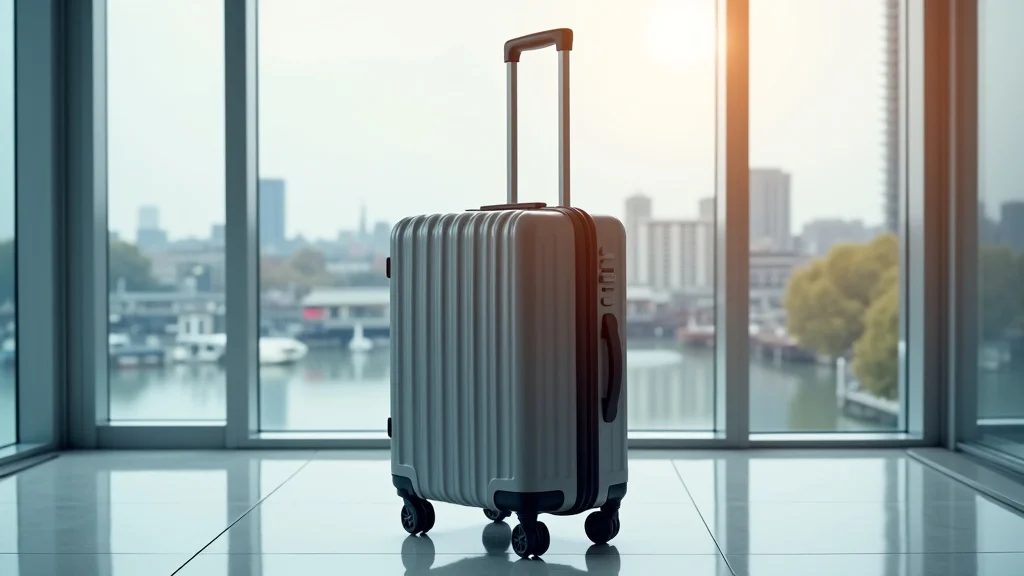
Picture this: you’re standing at the airport gate, ready to jet off to a much-needed vacation. You’ve packed carefully, but suddenly, the airline agent tells you your bag is too big to be a carry on luggage. Frustration sets in, right? Knowing the correct carry on luggage size 22 x 14 x 9 inches can save you time, money, and a whole lot of stress. This guide will equip you with everything you need to know about carry-on dimensions, ensuring your travels are smooth and hassle-free. Get ready to explore the essentials of stress-free travel!
Key Takeaways
- Understand the precise dimensions of carry on luggage size 22 x 14 x 9 inches.
- Learn about airline regulations and how they affect your luggage choice.
- Discover different luggage types that comply with size restrictions.
- Get practical advice on how to measure your bag and avoid extra fees.
- Explore tips on packing efficiently within size limits.
- Identify the benefits of using a carry-on versus checking your bag.
Understanding Carry-On Luggage Size
The standard carry on luggage size 22 x 14 x 9 inches is widely accepted by most major airlines, although there are some variations. These dimensions refer to the overall external measurements of the luggage, including wheels, handles, and any protruding features. It’s important to remember that these are guidelines, and each airline may have slightly different requirements, so always check with your specific airline before you travel to avoid any surprise charges or delays. Adhering to these size constraints is especially key for international travel and avoiding baggage check fees.
What the Numbers Mean
The numbers 22 x 14 x 9 inches represent the height, width, and depth of your carry-on bag, respectively. The 22 inches usually encompass the height, including wheels and handles. The 14 inches refer to the width, and the 9 inches denote the depth, or thickness, of the bag. Consider that these measurements are the maximum permitted, and exceeding them, even slightly, can lead to your bag being rejected as a carry-on. Understanding these values is the first step in selecting the right luggage.
Many people find these dimensions easy to work with because they offer sufficient space for essential items while still being manageable to carry. However, a slightly larger bag might cause trouble with some airlines, so it’s critical to double-check. The aim is to fit comfortably into the overhead compartment without causing issues.
Variations Among Airlines
Although carry on luggage size 22 x 14 x 9 inches is a common standard, airline policies aren’t always uniform. Some budget airlines, or those with smaller aircraft, may impose stricter size restrictions. For instance, a smaller regional airline might have a maximum height of 20 inches. International flights may also enforce different requirements. Therefore, it is wise to visit your airline’s website or contact their customer service to confirm the exact dimensions. This simple step can prevent unexpected problems at the gate.
Airlines often update their rules; therefore, it’s a good idea to recheck the regulations before each flight. These variations may seem minor, but they can significantly impact your travel experience. Being aware of the specific rules helps in avoiding extra fees and potential frustration, making your travel smoother.
Choosing the Right Luggage
Selecting the correct luggage that fits within the carry on luggage size 22 x 14 x 9 inches is essential for a stress-free travel experience. Different types of carry-on bags are available, each offering unique features and benefits. Understanding the pros and cons of each type will allow you to make the choice that best suits your individual travel style and needs. A suitable bag ensures you can quickly board your flight and keep your belongings within reach throughout your journey.
Types of Carry-On Luggage
Several types of carry-on bags meet the 22 x 14 x 9-inch size requirement. Rolling suitcases with two or four wheels are very popular due to their ease of movement. Backpacks provide flexibility, allowing you to carry your luggage on your back. Soft-sided bags, generally made of nylon or polyester, often have a bit more flexibility, which can be useful when you need to squeeze into the overhead bin. Hardside luggage offers excellent protection for your belongings, though they sometimes offer less flexibility in terms of space.
Each type of luggage has specific advantages. Rolling suitcases are easy to maneuver through busy airports. Backpacks are great if you like to keep your hands free. Soft-sided bags can stretch slightly to accommodate extra items, and hard-side luggage protects your belongings from bumps and damage. The best choice depends on your personal preferences and the specific needs of your trip. Consider how much you pack, how long you will be traveling, and the types of surfaces you will encounter.
Features to Consider
Beyond size, consider features that can improve your travel experience. Look for durable materials, sturdy wheels, and handles that extend to a comfortable height. Integrated TSA-approved locks provide an extra layer of security. Multiple compartments and organizational pockets help you to keep your belongings tidy and easily accessible. Consider the weight of the bag itself, as this reduces the amount of weight you can pack. Many modern bags include features like USB charging ports to keep your devices charged on the go.
Think about how easily the bag can be stored when not in use. Some bags can be collapsed or nested within each other to save space. Examine the quality of the zippers, as these are often the first things to fail. Checking online reviews is useful to identify a bag that balances convenience, durability, and aesthetics. Choosing luggage with the correct features can make your trips much easier and more enjoyable.
Measuring Your Luggage Correctly
Ensuring your luggage fits within the carry on luggage size 22 x 14 x 9 inches involves accurate measurement. Improper measurements can lead to issues at the airport, so a careful and precise approach is crucial. Here are some techniques and tips to help you accurately measure your luggage, avoiding any unpleasant surprises during your trip. Knowing these techniques will safeguard you from the inconvenience of unexpected baggage fees and potential delays.
Tools You Will Need
To measure your carry-on luggage accurately, you’ll need a few essential tools. A reliable measuring tape is necessary, preferably a flexible one. A rigid ruler can be helpful, especially for measuring the internal dimensions of your bag. Having a pen or marker helps you record your measurements and double-check them. If you are unsure, you can also use a measuring app on your smartphone that can convert units and provide precise readings. These basic tools are essential for achieving an accurate measurement.
Additionally, keeping a small notebook or a notes app on your phone to record dimensions is advisable, particularly if you have multiple bags. This lets you quickly refer to the measurements. It’s beneficial to measure your bags at home before you start packing, giving you the time to make any necessary adjustments. Proper tools ensure you have the information you need to make decisions about what to pack and whether your luggage fits size limits.
Step-by-Step Measuring Guide
Measuring your luggage correctly is not difficult, provided you follow a few simple steps. First, measure the height of the bag, including the wheels, handles, and any protruding features. Next, measure the width of the bag, ensuring that you measure the widest part of the bag. Finally, measure the depth of the bag, including any pockets or expansions. Record each measurement, double-checking for accuracy.
Remember to measure your luggage with the bag empty. This guarantees precise external dimensions. If your bag has expandable sections, measure it when it is fully expanded and when it is compressed. This gives you a clear indication of its maximum size. If you’re using a soft-sided bag, be sure to measure it when it is fully packed, as the material can stretch slightly. Precise and methodical measuring prevents problems at the gate.
Dealing with Unusual Shapes or Features
Some luggage items have irregular shapes or external features like side pockets and handles. When measuring these, make sure to include all protruding parts in your measurements. For instance, the handle of a rolling suitcase should be measured from the base of the wheels to the top of the fully extended handle. Side pockets that extend beyond the main body of the bag should also be included.
If you’re unsure about the measurements, it’s best to err on the side of caution and measure the luggage to the furthest point of any extension. In the case of a pocket or a handle that might be compressed, measure both the compressed and the fully extended positions. If the measurements are close to the airline’s limits, consider using a slightly smaller bag or compressing the bag to comply with regulations. Thorough measurements prevent potential issues at the airport and are essential to complying with airline size restrictions.
Packing Efficiently Within the Size Limits
The carry on luggage size 22 x 14 x 9 inches limits require you to pack efficiently. The aim is to maximize space while ensuring your bag meets airline regulations and remains easy to manage. Clever packing techniques can make the difference between having all your essentials with you and having to check a bag. Efficient packing saves time and helps to avoid the costs of checking bags.
Packing Techniques
Several packing techniques can help you maximize space inside your carry on luggage size 22 x 14 x 9 inches. The rolling method is very effective, especially for clothing, as it minimizes wrinkles and compresses the items. Use packing cubes to organize your belongings, separate clothes, and compress your luggage. Consider vacuum storage bags to compress bulky items, such as winter coats. Place heavier items at the bottom of the bag, near the wheels, to help maintain balance.
Strategic placement of your items is important. Put items you need access to during your flight at the top or in accessible pockets. Fill every available space, including the gaps between items. This involves careful planning and choosing versatile items that can be mixed and matched. By adopting these methods, you’ll be able to pack more in your bag while keeping it compliant with size limits.
Choosing Essential Items
Selecting the right items to pack is key for efficient carry-on packing. Focus on versatile clothing that can be mixed and matched. Choose shoes that are comfortable and practical for various activities. Consider the climate of your destination and pack accordingly. Rollable or packable items can save space and add convenience. Minimize toiletries by using travel-sized containers or purchasing them at your destination. A well-considered selection streamlines the packing process.
Creating a packing list before you start to pack will ensure you only take essential items. Review the packing list and remove items you don’t need. Limit the number of shoes you pack, as they take up a significant amount of space. This way of thinking helps you stay within size limits and maintain a manageable bag. Careful choices in your clothing and accessories selection will make the process easier and less stressful.
Maximizing Space
There are several methods for maximizing the space in your luggage. Fill your shoes with socks or small accessories. Use the inside of hats to store items such as underwear or belts. Consider travel-sized or solid toiletries. Wear your bulkiest items on the plane to save space in your bag. By making use of all available space, you can get the most out of your carry on luggage size 22 x 14 x 9 inches and still have room for all your necessities.
Compression packing cubes greatly compress clothing, significantly reducing the space they take. By using all of these strategies together, you will be able to maximize the available space inside your carry-on bag. These techniques are particularly beneficial for those who like to travel light. Proper organization keeps you from having to check a bag and helps you to avoid fees and delays.
Benefits of Using Carry-On Luggage
Utilizing carry on luggage size 22 x 14 x 9 inches offers several advantages compared to checking baggage. These advantages contribute to a smoother, faster, and more economical travel experience. Understanding these benefits can help you decide whether a carry-on is the right choice for your next trip.
Time Savings
One of the main benefits of carry-on luggage is time savings. You can bypass the baggage check-in process, which often involves long lines and waiting times. Upon arrival at your destination, you can immediately leave the airport, without having to wait at baggage claim. This can save you a significant amount of time, particularly on connecting flights or when you have a tight schedule. Time savings allows you to make the most of your travel itinerary.
By avoiding the check-in process, you’re free to head directly to security and the departure gate. At your destination, you don’t have to wait for the luggage carousel to begin. This can mean the difference between getting to your hotel quickly or waiting for an extended period. With a carry-on, you are in control of your luggage, ensuring a quick and efficient start to your vacation or business trip.
Cost Savings
Using carry on luggage size 22 x 14 x 9 inches helps you save money by avoiding checked baggage fees. Airlines increasingly charge extra fees for checked bags. These fees can quickly add up, especially if you’re traveling with multiple bags or on multiple flights. By using a carry-on, you can avoid these fees and keep your travel costs down. These savings make travel more affordable.
In addition to avoiding check-in fees, you can avoid any potential charges from lost or damaged baggage, since your bag is always with you. By controlling your luggage, you reduce the risk of any additional expenses or inconveniences. By saving money on baggage fees, you can allocate those funds towards other parts of your travel expenses, such as accommodation, activities, or dining.
Convenience and Security
Having your luggage with you at all times offers a high degree of convenience and security. Your belongings are always within sight, reducing the risk of loss or theft. You don’t need to worry about the airline misplacing your bag, which can ruin your plans. You have immediate access to your items during the flight. This convenience is very useful, especially for those who need access to specific items, like medications or work-related documents.
Moreover, carry-on luggage reduces the chance of damage to your items. Checked bags are exposed to rough handling during loading, unloading, and transit. By keeping your luggage with you, you ensure the safety of your valuables. The peace of mind that comes with knowing your belongings are always secure and accessible is a significant benefit when you are traveling.
Common Myths Debunked
Frequently Asked Questions
Question: What happens if my carry-on bag is slightly over the 22 x 14 x 9 inches size limit?
Answer: If your bag is over the size limit, you might be asked to check it, and you’ll have to pay a fee. It is wise to double-check the airline’s policy before you fly.
Question: Are all airlines strict about the carry-on size limits?
Answer: Yes, different airlines have different rules. Budget carriers tend to be especially strict, but the main standard applies to most.
Question: Can I bring a personal item in addition to my carry-on luggage?
Answer: Yes, most airlines allow you to bring a personal item such as a purse or a small backpack in addition to your carry-on bag. Be sure to check with your airline about size restrictions.
Question: What items are typically prohibited in carry-on luggage?
Answer: Prohibited items typically include sharp objects, flammable materials, and liquids over a certain volume. Always check with your airline’s guidelines for detailed information.
Question: How can I prevent my bag from being rejected at the gate due to size?
Answer: Measure your bag accurately before you travel. Double-check your airline’s size guidelines and always pack light, leaving room for possible adjustments.
Final Thoughts
Mastering the carry on luggage size 22 x 14 x 9 inches is more than just knowing a measurement; it’s about making travel less stressful and more enjoyable. From understanding airline policies to selecting the right bag, measuring accurately, and packing efficiently, you now have the tools needed to travel with confidence. Whether it’s the convenience of skipping baggage claim or the cost savings of avoiding fees, the benefits of traveling with carry-on luggage are clear. By following the tips in this guide, you can confidently prepare for your next trip, knowing your luggage meets the size requirements. Now you can explore the world with ease and peace of mind. Pack smart, travel light, and savor every moment of your adventure!


Leave a Reply