
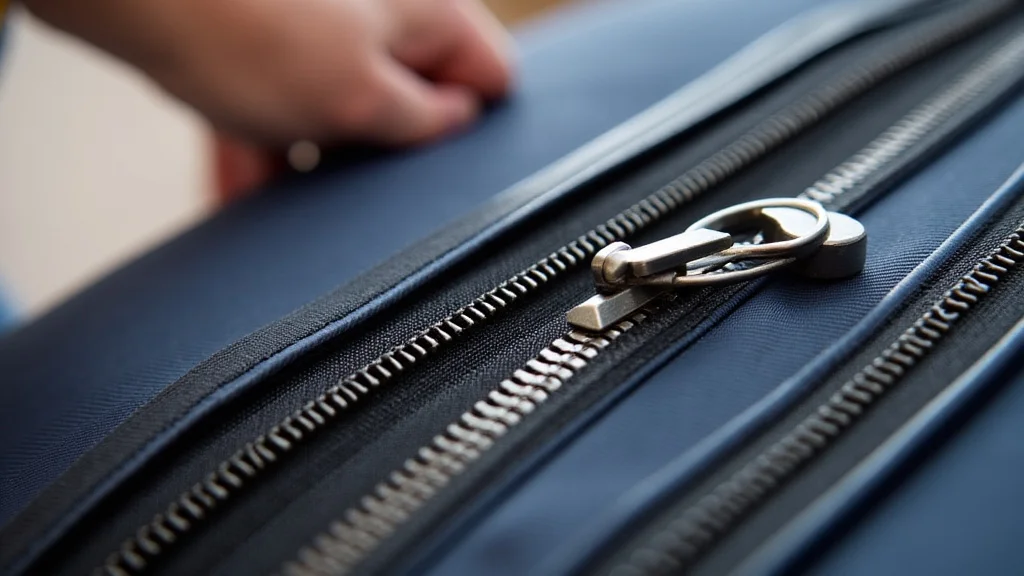
Ever been at the airport, ready for your trip, only to discover your luggage zipper is jammed or broken? It’s a travel nightmare! This guide will help you understand the common problems with luggage zipper and how to fix them. From simple fixes to more involved repairs and even
Key Takeaways
- Learn the common reasons why luggage zippers fail.
- Discover techniques for simple repairs and maintenance.
- Explore how to identify when a zipper requires professional help.
- Understand how to replace a damaged zipper on your own.
- Find out about different types of zippers used in luggage.
- Gain tips for choosing durable luggage with reliable zippers.
Common Problems and Solutions for Your Luggage Zipper
Luggage zippers, despite their seemingly simple design, are often the first point of failure on a suitcase. They endure significant stress, from the weight of packed items to the rough handling during travel. Identifying the root cause of the issue is the initial step toward restoring functionality. Zippers can fail due to several factors, including jamming, broken teeth, or slider malfunctions. Early detection and proactive care are important to maintain the integrity of your luggage. We will explore the leading causes of these issues and introduce effective solutions to restore your luggage’s zipper.
Zipper Jamming and How to Unclog It
One of the most frequent problems is a luggage zipper that jams. This typically happens when fabric gets caught in the zipper teeth or when the slider encounters an obstruction. Attempting to force the slider often worsens the problem, potentially bending or breaking the teeth. It’s important to approach these situations calmly and to use methods that prevent further damage. The goal is to carefully release the obstruction without causing additional issues. Proper methods can get your luggage ready for use in a matter of minutes.
-
Inspect the Zipper: Examine the zipper teeth, slider, and the surrounding fabric to find the source of the jam. Look for any loose threads, fabric snags, or foreign objects that might be obstructing the zipper’s movement.
A careful visual check often reveals the cause. Check the areas where the slider has difficulty moving, paying close attention to both sides of the zipper track. If you see fabric or threads, gently try to pull them away from the teeth, ensuring not to tug aggressively, which could worsen the situation.
-
Lubricate the Zipper: Use a lubricant, like a bar of soap, a pencil’s graphite, or specialized zipper lubricant. Apply the lubricant along the zipper teeth and the slider to reduce friction and help the slider move smoothly.
If you’re using soap, rub it gently along the zipper teeth. For graphite, rub the pencil tip along the teeth. For commercial lubricants, follow the product instructions. Lubrication can often provide the necessary smoothness, allowing the slider to move freely without any obstacles.
-
Gently Work the Slider: Try moving the slider back and forth, slowly and gently, while observing where the obstruction lies. Use your other hand to carefully coax the fabric or other obstruction out of the teeth. Avoid applying force, as this can bend the teeth.
When coaxing the slider, it’s vital to apply even pressure and carefully monitor the slider’s progress. Use the hand that is not guiding the slider to gently loosen any fabric or other item that hinders the zipper. With patience, this method can often solve minor jams and restore functionality.
-
Use Needle-Nose Pliers: If fabric or small objects are caught within the zipper teeth and are hard to remove by hand, consider using needle-nose pliers to gently remove them. Be extremely careful not to damage the teeth while doing this.
Needle-nose pliers can be extremely useful in removing obstructions, but using them can be tricky. When you use pliers, grip the obstruction gently, carefully, and slowly remove it from the zipper. Be extremely careful not to apply too much pressure or tug too hard, as this can distort or break the teeth.
-
Seek Professional Repair: If your efforts don’t yield results, it’s best to take the luggage to a repair shop. Trying to fix complex jams on your own can lead to further damage.
A professional repair service possesses the equipment and expertise required to assess the damage and apply the necessary fixes. They can carefully remove obstructions without damaging the zipper teeth and provide any needed repairs. Moreover, repair shops often provide advice on preventive maintenance, which can protect your luggage zippers from future issues.
Broken Zipper Teeth: Repair or Replacement?
Broken zipper teeth are another common problem, and they can render a luggage zipper useless. This damage may result from excessive strain, the impact of falling luggage, or repeated use of a jammed zipper. The extent of the damage will determine whether the zipper can be repaired or if it requires a full
-
Assess the Damage: Check how many teeth are broken and where they are located. A few missing or damaged teeth might still allow the zipper to function, especially if the damage is near the end. Extensive damage or teeth missing in key areas will mean that repair is not an option.
A thorough inspection is the first step. Carefully inspect the zipper’s length to spot broken or missing teeth. Focus on areas where the slider struggles to move. Count how many teeth are missing, and note their location. This evaluation will guide you in determining if repair or replacement is the best solution.
-
Replace a Missing Tooth: You can sometimes replace a missing zipper tooth. You can get replacement teeth, or you might take a tooth from a non-essential area to repair a critical one. You will have to use pliers to remove the old tooth and place the new one.
This repair is best when only a tooth or two is missing. Using pliers, carefully place the replacement tooth and secure it. This process can be tricky and requires patience and a steady hand. Make sure the new tooth is properly aligned and secured.
-
Consider a Zipper Pull Replacement: If the slider moves, but the zipper teeth don’t engage, it might be the pull itself that is damaged or missing. You can buy new zipper pulls and attach them to the slider to continue using your luggage.
A replacement pull is typically easy to install and can quickly restore the zipper’s usability. Simply remove the broken pull and attach the new one, ensuring it is securely fastened. This is a fast and simple solution. Look for zipper pulls made of durable materials that will last a long time.
-
Professional Repair Services: If the damage is extensive, take your luggage to a repair service. They have the tools and expertise to replace the damaged teeth, or even the entire zipper.
A professional repair service can effectively address issues that are beyond the scope of simple home fixes. They can efficiently replace damaged teeth or the entire zipper assembly. This saves time and ensures a professional repair, extending the life of your luggage. Also, they will offer insight into avoiding future problems.
-
Zipper Replacement: If many teeth are broken, the best option will be to replace the zipper. Replacement involves removing the old zipper and sewing in a new one. This is a more complex task.
When many teeth are broken, a complete zipper replacement is often needed. This procedure involves removing the old zipper and sewing in a replacement, which demands precision and sewing skills. A professional might be needed for the best results, as this will ensure the repair looks good and works well.
Slider Malfunctions and How to Fix Them
The slider is a crucial element of the luggage zipper, responsible for engaging and disengaging the zipper teeth. Problems with the slider can cause the zipper to stick, separate, or fail to close. These issues could be caused by wear and tear, damage, or manufacturing defects. Many slider problems can be addressed with simple fixes, like lubrication or minor adjustments. In some cases, the slider will need to be replaced.
-
Lubricate the Slider: If the slider feels stiff or is hard to move, apply lubricant. This can minimize friction and restore smoothness. Use a bar of soap, a pencil’s graphite, or a specialized zipper lubricant.
Lubricating the slider is usually the first step to address problems. You can apply the lubricant to the slider and the teeth to reduce friction. This will allow the slider to move freely and without any difficulties. Proper lubrication can often fix the problem.
-
Check for Debris: Fabric, thread, or other debris can get lodged in the slider, hindering its motion. Carefully inspect the slider and remove any obstructions with needle-nose pliers or tweezers.
Debris within the slider can interfere with its performance. Inspect the slider closely, looking for obstructions such as loose threads or bits of fabric. Gently remove any material to ensure smooth movement. Removing this debris restores the slider’s smooth operation.
-
Tighten the Slider: Sliders sometimes become loose over time, failing to grip the zipper teeth properly. Use pliers to gently squeeze the slider together, but be careful not to crush it. This may help it grip the teeth tightly.
Over time, the slider may become loose. Using pliers to gently squeeze the slider can help restore its grip on the teeth. This is done by tightening the slider’s grip. Take care when doing this, as too much force can cause permanent damage.
-
Replace the Slider: If the slider is damaged or worn out, replacing it is often the most effective solution. You can purchase replacement sliders at most sewing or luggage repair stores.
When the slider is damaged or worn, replacing it is often necessary. You can buy replacement sliders. This is a practical and budget-friendly solution to getting the luggage back in working order. Make sure the new slider is the correct type and size for your zipper.
-
Professional Slider Repair: If your attempts to repair the slider fail, consider professional help. A specialist may have the tools and expertise to address more complex problems.
If DIY methods don’t solve the slider problems, consider a professional repair. They can offer more advanced techniques and equipment. They can identify complex problems and apply the correct fixes, saving your luggage from permanent damage. This also ensures a durable and effective solution.
Choosing and Maintaining Durable Luggage Zippers
The durability of a luggage zipper is important for the longevity of your luggage and the ease of your travels. Choosing luggage with reliable zippers and practicing proper care can significantly extend their lifespan and prevent issues. The choice of materials, construction, and care practices all play key parts in ensuring your zipper remains functional and dependable. Understanding these factors enables you to make informed decisions when selecting luggage and to keep it in prime condition.
Materials and Construction Quality
The materials used in luggage zippers and their construction quality greatly influence their durability. The best zippers are made with robust materials and precise manufacturing techniques. This will ensure that they can withstand the rigorous demands of travel. The type of material, the design, and the overall build quality all contribute to the zipper’s resistance to wear, damage, and failure.
-
Zipper Material: The zipper’s teeth are typically made of metal (brass or steel) or durable plastic (nylon or Delrin). Metal zippers are more robust but can corrode. Plastic zippers are more resistant to corrosion but can be more prone to breaking if they are overstressed.
Metal zippers, often made of brass or steel, are praised for their strength and durability, ideal for withstanding heavy use. They are usually more robust and resistant to high stress. Plastic zippers made of nylon or Delrin, are lighter and more resistant to corrosion, making them suitable for environments with moisture. The material choice impacts the zipper’s overall performance and longevity.
-
Slider Material: Sliders are usually made of metal (steel or zinc alloy) or durable plastic. The slider should be smoothly molded to prevent snags and be strong enough to withstand frequent use.
The slider’s material impacts performance and usability. Metal sliders, like those made of steel or zinc alloy, provide durability and reliable operation. They can endure constant use without issues. Plastic sliders are lighter and are useful in specific conditions, but they may be less long-lasting than their metal counterparts. The design of the slider, including its smooth edges, also improves ease of use, minimizing snags.
-
Stitching Quality: The stitching that attaches the zipper tape to the luggage fabric must be strong. Look for tight, consistent stitching that will resist tearing or unraveling.
The quality of stitching impacts the structural integrity and durability of the zipper. It’s critical that the stitching is tightly done, which minimizes the chance of the zipper tape separating from the luggage. This ensures that the zipper can handle the force exerted during opening, closing, and packing without failing.
-
Zipper Teeth Design: The design of the zipper teeth plays a part in its durability. Teeth should mesh tightly and consistently, with no gaps or weaknesses that could allow the zipper to fail.
The design of the zipper teeth, along with how they mesh together, is key to the zipper’s overall performance. Teeth that are designed for tight and consistent meshing are less likely to separate or snag. The spacing of the teeth ensures a durable closure that prevents items from escaping and withstands regular use and any possible strain.
Maintenance Practices for Long-Term Use
Proper maintenance is important to keep your luggage zippers in good condition and extend their lifespan. Following maintenance practices, like regular cleaning, lubrication, and avoiding overloading, will help prevent common problems. Simple care habits can prevent premature wear and tear, ensuring that your luggage zippers continue to function reliably through many trips.
-
Regular Cleaning: Clean your zippers often to remove dirt and debris. Use a soft brush or cloth to remove any particles that could obstruct the slider or damage the teeth.
Regular cleaning is an important part of maintenance. Debris and dirt can accumulate on the zipper teeth and sliders. Using a soft brush or cloth will ensure a smooth operation. Cleaning regularly protects the integrity of the zipper, prolonging its lifespan.
-
Lubrication: Apply zipper lubricant periodically to ensure smooth operation. Apply lubricant to the teeth and slider to minimize friction and prevent jamming.
Lubrication is essential for maintaining your zipper. Friction often causes zippers to get stuck or worn out. Applying a zipper lubricant will ensure smooth gliding and minimize the potential for problems. This reduces wear and prevents the zipper from sticking, which in turn prolongs its functionality and ensures ease of use.
-
Avoid Overloading: Never overpack your luggage. Overpacking puts stress on the zipper and can cause the teeth to separate or break.
Overpacking is a common cause of zipper failure. Packing more than the luggage is built to handle puts excessive stress on the zipper and the surrounding fabric. Always ensure your items fit without forcing the closure, as this can lead to zipper damage.
-
Gentle Handling: Always handle the zipper gently. Avoid forcing it open or closed, which can damage the teeth and the slider.
Gentle handling is critical for preserving your zipper. Forcing the zipper can cause the teeth to bend, misalign, or break. Opening and closing the zipper smoothly prevents wear and tear, ensuring that the zipper operates correctly. This is important for preserving the lifespan of your luggage zippers.
-
Storage: When you’re not using your luggage, store it in a cool, dry place. Extreme temperatures and humidity can damage the zipper materials over time.
Proper storage is important in extending the life of your luggage zippers. Extreme temperature changes and humidity can negatively impact zipper materials over time. Storing luggage in a cool, dry place protects the zippers from premature deterioration. This also ensures that the zippers remain in good condition when you are ready to use your luggage for future trips.
Choosing Luggage with Durable Zippers
Selecting luggage with high-quality zippers is essential to ensuring durability and dependability. When shopping, pay attention to the zipper material, construction, and brand reputation. Investing in well-designed luggage can save you time and money. Making these choices helps you avoid the common pitfalls associated with substandard zippers and enhances your travel experience.
-
Material and Construction: Choose luggage made with strong materials, with zippers made of metal (brass or steel) or durable plastic. Pay attention to the quality of the stitching and the overall build of the zipper.
The material and construction quality should be the primary focus. Zippers built with durable materials, like metal and heavy-duty plastic, are made to withstand the rigors of travel. Check the stitching, ensuring it is tight and secure. Investing in well-constructed luggage ensures long-term durability and functionality.
-
Slider Design: Check the slider’s design. The slider should move easily and have a secure grip on the zipper teeth. The slider must be smooth, without any rough edges that may snag.
The slider’s design directly affects how the zipper functions. A smooth and well-designed slider should move seamlessly along the zipper teeth. The grip must be secure. A properly designed slider will also ensure the zipper operates smoothly. Be on the lookout for a slider design that allows for easy and reliable operation.
-
Brand Reputation: Research the brand’s reputation for quality and customer satisfaction. Read reviews from other travelers to learn about their experiences.
Brand reputation can tell you a lot about the quality of luggage. Checking customer reviews will provide you with insight into the zippers’ performance. Well-known brands with great reviews are usually known for their quality. This information is key when making a purchase, helping you to identify luggage with durable zippers.
-
Warranty and Guarantee: Check if the luggage comes with a warranty or guarantee that covers zipper issues. A strong warranty shows that the manufacturer stands behind its product.
A warranty is important because it shows the manufacturer’s confidence in their product. A warranty that covers zipper problems is very important. This guarantees you are covered if the zipper breaks or fails. A good warranty provides you with peace of mind. It also protects your investment.
-
Zipper Type: Consider the type of zipper used. Coil zippers are flexible and less prone to breaking. Molded zippers are more robust but may not be as flexible.
The zipper type can influence the durability. Coil zippers are known for their flexibility. They’re useful when luggage can flex a lot. Molded zippers are stronger but might not flex as much. Choose the one that suits your needs. The right choice can improve the zipper’s lifespan and your travel experience.
Common Myths Debunked
Myth 1: You can fix any luggage zipper with a paperclip.
While a paperclip can sometimes serve as a temporary fix for a broken zipper pull, it cannot address more complex issues like broken teeth or a damaged slider. This is a temporary solution that may work when the pull is detached, but it doesn’t solve the underlying problem.
Myth 2: Metal zippers are always better than plastic zippers.
Metal zippers are durable, but they can corrode in humid environments. Plastic zippers are more resistant to corrosion and may be lighter. The best choice depends on the specific use and environmental conditions. Both materials have their advantages and disadvantages.
Myth 3: Overloading luggage never damages the zipper.
Overloading luggage puts a lot of stress on the zipper, making it more likely to jam, break teeth, or cause the slider to fail. Overpacking is one of the most common reasons luggage zippers break. Avoiding this practice greatly extends the lifespan of the zipper.
Myth 4: Zippers on expensive luggage never break.
While high-end luggage often uses better-quality zippers, they are still subject to wear and tear. No luggage zipper is completely immune to damage, especially with rough handling or improper care. Even the best zippers can fail if overloaded or used improperly.
Myth 5: You should always force a jammed zipper.
Forcing a jammed zipper can worsen the problem, bending or breaking the teeth and causing more damage. Instead, lubricate the zipper, check for obstructions, and gently coax the slider back and forth. Forcing it almost always leads to further harm.
Frequently Asked Questions
Question: What do I do if my zipper gets stuck?
Answer: First, examine the zipper and remove any obstructions. Apply lubricant such as soap or pencil graphite. Then, gently try to move the slider back and forth. If this does not work, it might need more advanced methods or professional assistance.
Question: How can I tell if a zipper needs to be replaced?
Answer: If many teeth are broken or the slider is damaged beyond repair, a full replacement is required. Also, if the zipper is constantly jamming despite your attempts at repair, replacing it might be the only solution.
Question: What’s the best lubricant for a luggage zipper?
Answer: Specialized zipper lubricants are designed for this use. However, you can also use bar soap, pencil graphite, or even wax, all of which will work.
Question: How do I remove a slider from a zipper?
Answer: You can use pliers to remove the slider by gently loosening its grip on the zipper teeth. It can be tricky, so make sure to do it carefully. You can also slide the slider off the end of the zipper tape if it is not a closed-end zipper.
Question: Can I fix a broken zipper pull?
Answer: You can often replace a broken zipper pull. You can buy replacement pulls at most sewing or luggage repair stores. Simply attach the new pull to the slider to continue using your luggage.
Final Thoughts
Taking care of your luggage zipper is important to enjoying smooth travel experiences. The tips provided, from quick fixes for jams to selecting luggage with quality zippers, equip you with the knowledge to manage this common travel issue. Regular care, like cleaning and lubrication, is key to prolonging your zippers’ lifespan. Also, choosing luggage with strong zippers is a good long-term investment. By addressing these practical aspects, you can significantly reduce the chances of zipper failures. With proper knowledge and care, you can handle luggage zipper challenges. Ready your luggage for a future of worry-free travels!


Leave a Reply