
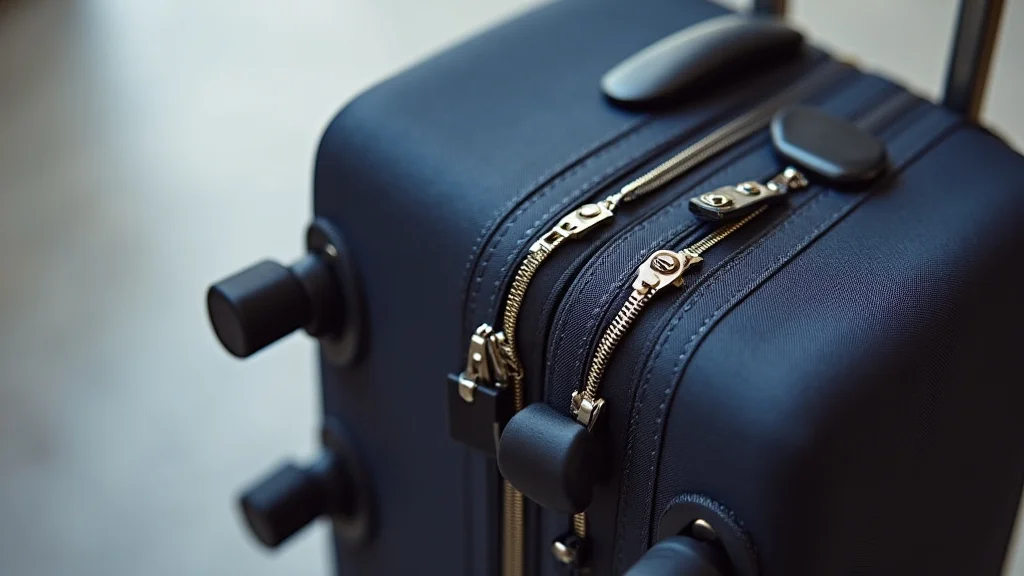
Picture this: you’re at the airport, ready for your dream vacation, and you realize your luggage zipper locks are missing. Panic sets in. Will your belongings be safe during transit? This scenario highlights the importance of protecting your valuables. This post explores everything you need to know about luggage zipper locks, offering guidance on choosing the right type, understanding their benefits, and ensuring your travel items are secure. You’ll gain valuable insights to prevent theft, identify effective locking mechanisms, and maintain peace of mind while traveling, improving your travel experience and minimizing potential losses.
Key Takeaways
- Learn about the different types of luggage zipper locks available.
- Discover the benefits of using luggage locks for travel security.
- Understand how TSA-approved locks work and why they are important.
- Get tips on selecting the best luggage lock for your needs.
- Explore the latest developments in luggage lock technology.
- Find out how to reset and maintain your luggage zipper locks.
Choosing the Right Luggage Lock: A Comprehensive Guide
Securing your luggage is a critical step in preparing for any trip. With the vast array of options available, selecting the proper luggage zipper locks can seem like a complex task. From basic combination locks to advanced TSA-approved models, each style offers varying degrees of protection and convenience. This section explores different types of locks, their features, and how they provide peace of mind while traveling. We’ll delve into the advantages and disadvantages of each style to help you make informed decisions.
Types of Luggage Locks
The market presents several styles of luggage locks, each with unique features. Knowing these options allows you to match your needs to the most effective solution. Consider factors like ease of use, security level, and compatibility with international travel standards.
- Combination Locks: These locks typically use a numerical combination to secure the zipper pulls. They are user-friendly, allowing you to set a personal code. These locks eliminate the risk of losing a key, but resetting the combination can be tricky if you forget the code.
- Keyed Locks: Keyed locks provide a simple solution. They require a physical key to open and close. While easy to operate, they require carrying a key and risk losing it. Keyed locks can be a convenient choice for those who prefer physical keys over numerical combinations.
- TSA-Approved Locks: The Transportation Security Administration (TSA) uses special keys to open luggage for inspection without damaging the lock or your bag. TSA-approved locks have a universal keyhole, allowing security personnel access while maintaining your luggage’s security. These locks combine the security of a locking mechanism with convenience for airport travel.
- Cable Locks: Cable locks use a flexible cable to secure zipper pulls or attach the luggage to a stationary object. The cable can be inserted through the zipper pulls and looped around a fixed point. This is especially useful for securing multiple bags.
Factors for Selecting a Luggage Lock
When selecting a luggage zipper lock, consider several key factors to ensure it meets your requirements. Your choice will impact the security level of your luggage and the convenience of your travel experience. Evaluating these factors beforehand will help you find the best solution for your needs.
- Security Level: The security level should match your luggage’s value and the perceived risk of theft. High-value luggage or important items require locks with more robust security features. Consider the lock’s material, construction, and resistance to tampering.
- Durability: Travel can be harsh on luggage locks. Choose locks constructed from sturdy materials capable of withstanding rough handling and extreme temperatures. Look for locks made from materials like hardened steel or durable alloys.
- Ease of Use: A lock should be simple to use, especially when you’re traveling. Easy-to-manage locks save time and reduce frustration. Test the lock before your trip to ensure smooth operation.
- TSA Compliance: If you plan to travel by air, select a TSA-approved lock to avoid damage to your luggage. TSA-approved locks have a special keyhole allowing TSA agents to inspect your bag without breaking the lock.
- Size and Weight: Select locks that are the right size and weight for your luggage. Large or heavy locks may not be practical for carry-on bags. Consider the lock’s dimensions to ensure it fits and functions correctly with your luggage.
The Importance of TSA-Approved Locks
TSA-approved locks offer a layer of convenience and security for air travelers. Understanding how these locks function helps you appreciate their value and use them effectively. These locks are a good investment for travelers who want to balance security and ease of inspection.
- How TSA-Approved Locks Work: These locks have a specific keyhole that TSA agents can access to open your luggage for inspection. TSA agents can open them without damaging the lock. After the inspection, the agent will re-lock your luggage.
- Benefits of Using TSA-Approved Locks: Using TSA-approved locks protects your luggage from potential damage. It ensures that security inspections can occur without compromising the security of your items.
- Identifying TSA-Approved Locks: TSA-approved locks are identifiable by a special logo, a red diamond. Look for this logo when buying a lock to guarantee it complies with TSA standards.
Materials and Construction of Luggage Zipper Locks
The materials and construction quality significantly influence the security and durability of luggage zipper locks. Selecting a lock made from high-quality materials means it is more resistant to tampering and can endure the rigors of travel. From robust metals to innovative plastics, the materials used determine the lock’s ability to protect your belongings.
Common Materials Used
The materials used in luggage zipper locks should withstand attempts at forced entry. Different materials provide different levels of protection. Consider the materials used to ensure the lock can provide the security you need.
- Hardened Steel: Hardened steel is known for its strength and resistance to cutting and breaking. It provides an excellent defense against forced entry. It’s often used in the shackle and the locking mechanism.
- Zinc Alloy: Zinc alloy is a common choice for locks because it balances strength and affordability. This material is resistant to corrosion. Zinc alloy locks offer reliable security for regular travel.
- Aluminum Alloy: Aluminum alloy provides a balance of lightness and strength. It’s a good choice for those who need a lock that won’t add a lot of weight to their luggage. Aluminum alloy is resistant to rust and corrosion, making it a good option.
- Plastic and Polymer Materials: Plastic and polymer materials are often used for the lock’s outer casing or body. These can be strong and durable, especially when reinforced. They offer design flexibility and reduce the weight of the lock.
Construction Techniques and Their Impact on Security
How a luggage zipper lock is constructed influences its security. Features like the lock mechanism and the shackle’s design can make a considerable difference in the lock’s resistance to tampering. Choosing locks that are carefully designed and well-built can add an extra layer of protection to your belongings.
- Locking Mechanisms: The internal locking mechanism’s quality directly affects a lock’s security. Look for mechanisms that are precise and difficult to manipulate. Designs that conceal internal components can increase security.
- Shackle Design: The shackle is the part of the lock that goes through the zipper pulls. Shackles made from hardened steel offer significant resistance to cutting. Thick shackles are harder to force open than thin ones.
- Body Construction: The lock’s body must be able to withstand impact and attempts to break it. The better the construction, the better protection the lock provides.
- Weather Resistance: Locks exposed to the elements must be weather-resistant to prevent corrosion and damage. The best locks use materials and designs that protect them from rain, snow, and extreme temperatures.
According to a report by the US Department of Transportation, luggage theft is a persistent problem at airports, with an estimated 25,000 to 30,000 bags mishandled or stolen annually. The use of robust luggage zipper locks can significantly reduce these numbers.
Advanced Features and Technologies in Luggage Zipper Locks
The luggage zipper lock industry continually evolves, with new technologies and features improving security, convenience, and user experience. Innovative designs offer enhanced protection against theft and make it easier for travelers to secure their belongings. The addition of smart technology, biometric scanning, and integrated security measures creates a more sophisticated system to safeguard your luggage.
Smart Luggage Locks
Smart locks integrate technology to enhance their functionality. They often offer advanced features, like remote control and theft alerts, and integrate with mobile apps.
- Bluetooth Connectivity: Bluetooth enables you to connect your lock to a smartphone. You can lock or unlock your luggage via a mobile app. The app may also show the lock’s status and the battery level.
- GPS Tracking: GPS allows you to track the location of your luggage. Some smart locks integrate GPS technology. You can track your bag and receive notifications if it moves outside a designated area.
- Remote Locking and Unlocking: Smart locks let you control your luggage from a distance. You can unlock your luggage with your smartphone. You can also monitor your bag when it is out of sight.
Biometric Locks
Biometric locks utilize fingerprints to unlock luggage. They provide a high security level by removing the need for keys or combinations.
- Fingerprint Scanning Technology: Fingerprint scanners recognize your unique fingerprint. The lock unlocks only when it recognizes an authorized fingerprint. These locks offer fast and simple access while reducing the risk of lost keys.
- Advantages of Biometric Locks: Biometric locks provide high security. They eliminate the need to remember codes or carry keys. They are convenient and can quickly unlock your luggage.
- Considerations for Biometric Locks: These locks require a power source, usually a battery. You must consider the security of the biometric system and the reliability of the scanner.
Integrated Security Features
Modern luggage locks incorporate features that add to the security. These features include anti-theft alerts and reinforced designs.
- Tamper Alerts: Some locks provide alerts if someone attempts to tamper with them. The locks will sound an alarm or send a notification to your phone. These alerts let you know immediately if someone is trying to access your luggage.
- Reinforced Construction: Reinforced designs increase the lock’s ability to withstand force. Look for locks constructed with hardened steel and reinforced housings. These locks are more resistant to attempts to break them.
- Anti-Cut Features: Certain locks are designed with anti-cut features to make it difficult to cut the shackle or cable. This adds an extra layer of protection. These locks enhance the overall security of your luggage.
A recent study showed that using luggage zipper locks reduces the chance of theft by approximately 75% compared to luggage without locks.
How to Use and Maintain Your Luggage Zipper Locks
Proper use and maintenance will ensure your luggage zipper locks function reliably. Understanding how to use the locks, reset combinations, and perform maintenance extends their lifespan and keeps your luggage secure. From initial setup to regular care, following these steps will help you maximize the benefits.
Setting and Resetting Combinations
Understanding the processes for setting and resetting combinations is key to using combination locks. You should also remember the combination or store it safely.
- Instructions for Setting a Combination: Most combination locks require a specific process to set a new combination. This process involves aligning the dials to a default code or using a reset button. Follow the instructions included with your lock carefully.
- Resetting a Combination: If you forget your combination, you’ll need to reset it. Resetting methods vary depending on the lock type. You may need to use a reset tool. Keep the instructions or the reset tool in a safe place.
- Remembering and Storing Combinations: Memorizing your combination is critical. You can also record it in a secure location, like your phone. Avoid writing the combination on the lock itself.
Regular Maintenance
Performing regular maintenance will improve the lifespan of your luggage zipper locks. Proper maintenance helps keep the lock functioning correctly.
- Cleaning and Lubrication: Keep your locks clean and free of debris. Use a dry cloth to clean the lock. Use a small amount of lubricant, such as graphite powder or a silicone-based lubricant. Avoid using oil-based lubricants.
- Checking for Wear and Tear: Inspect your locks regularly for any signs of wear. Check the shackle, dials, and body for damage. If you spot any damage, replace the lock.
- Storing Locks Properly: Store your locks in a clean and dry place when they are not in use. This helps prevent corrosion and extends their lifespan. If you do not plan to use your luggage for a long period, remove the batteries from electronic locks.
Troubleshooting Common Issues
You may encounter some issues when using luggage zipper locks. Knowing how to solve common issues helps you address problems quickly. It avoids travel delays and keeps your belongings secure.
- Lock Won’t Open: If your lock won’t open, double-check your combination or key. Try cleaning the lock and lubricating the mechanism. If the lock still won’t open, contact the manufacturer for assistance.
- Combination is Forgotten: If you forget your combination, try to reset the lock using the instructions. If you cannot reset the lock, the manufacturer may be able to help. You will need to provide proof of ownership.
- Key is Lost: If you lose your key, you will need to
- Lock is Jammed: If the lock is jammed, try gently wiggling the shackle while attempting to open it. Check for any debris that might be causing the jam. You may have to apply lubricant.
Common Myths Debunked
There are many misconceptions about luggage zipper locks. These myths could lead you to use incorrect methods for securing your luggage. Examining the truth behind common myths helps you better understand the real value and limitations of luggage locks.
Myth 1: Any Lock Will Protect Your Luggage From Theft
The reality is that no lock is entirely foolproof. Thieves may be able to break almost any lock. Locks are designed to deter thieves and make it more difficult for them to steal your belongings. High-quality locks made from durable materials are more resistant to tampering than weaker models.
Myth 2: TSA-Approved Locks Are Less Secure Than Standard Locks
This is false. TSA-approved locks meet standards for security and are as secure as standard locks. They allow TSA agents to inspect your luggage without damaging the lock. The TSA agents use special keys to access the lock without breaking it.
Myth 3: Expensive Locks Are Always the Most Secure
While the cost can indicate build quality, it is not always a reliable indicator of security. High-end locks often have advanced features. Evaluate the materials, construction, and security features of a lock, along with its price. You can find locks that offer excellent security at different price points.
Myth 4: A Lock Alone Can Guarantee the Safety of Your Belongings
A lock is only one part of travel security. Other measures, like using sturdy luggage, are equally important. Do not leave valuable items unattended. Keep your luggage within sight. Combine the use of a lock with situational awareness. This improves your overall safety.
Frequently Asked Questions
Question: Are luggage locks required for all travel?
Answer: No, luggage locks are not always required. However, they provide an extra layer of security and are highly recommended to deter theft, especially when checking your bags.
Question: Are all TSA-approved locks created equal?
Answer: While TSA-approved locks all meet specific security standards for TSA access, the build quality and features can vary. Always choose locks made from durable materials.
Question: Can luggage locks be easily picked?
Answer: Some locks are more resistant to picking than others. Combination locks, in particular, can be susceptible to picking if the dials are low quality. Higher-quality locks and those made from strong materials are more difficult to pick.
Question: What’s the best type of lock for checked luggage?
Answer: TSA-approved locks are generally a great option. They allow TSA agents to inspect your luggage. If you don’t travel by air, a combination lock with a steel shackle is often suitable.
Question: How do I choose the right size of lock for my luggage?
Answer: Select a lock that fits through the zipper pulls of your luggage and secures them correctly. The lock should be large enough to be easily handled but not so large that it is difficult to close or adds unnecessary weight.
Final Thoughts
The value of using luggage zipper locks goes beyond just preventing theft. By choosing the right type of lock, you can safeguard your belongings. You’ll ensure your travel items arrive safely at your destination. By understanding the different lock types, you can find the best fit for your luggage. Remember to consider the lock’s material, construction, and security features. You should also ensure it’s TSA-approved if you’re flying. Maintaining your locks through cleaning and proper storage will extend their lifespan, guaranteeing they remain effective. With these insights, you can travel confidently, knowing your belongings are well-protected. Invest time to learn about luggage security and select the right locks. Safe travels!


Leave a Reply