
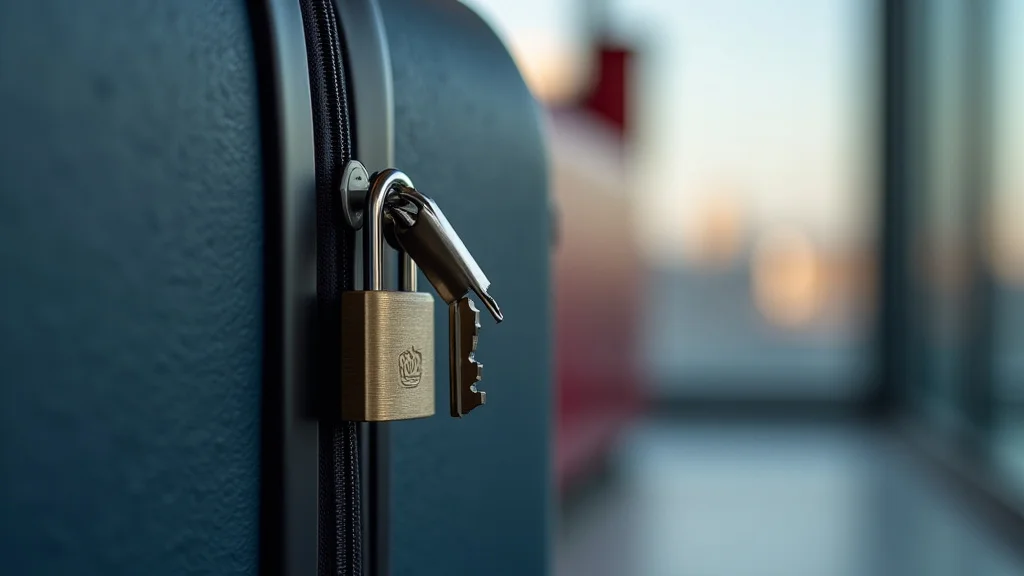
Picture this: you’re at the airport, ready for an adventure. You reach for your luggage, but the lock is stuck. Or worse, you arrive at your destination only to discover your belongings have been tampered with. It’s a frustrating situation that many travelers have experienced. This post will explore everything you need to know about luggage keys and locks, from different types to how to best protect your valuables. You’ll gain a solid grasp of how these simple devices work and learn valuable tips to secure your luggage on your trips, improving your peace of mind and travel experience.
Key Takeaways
- Learn about the different types of luggage locks available and their features.
- Discover the benefits and drawbacks of each lock type to help you choose the best one.
- Understand how to deal with lost luggage keys or forgotten combinations.
- Get practical advice on how to improve the security of your luggage.
- Explore the role of TSA-approved locks in air travel.
- Gain insights into common issues associated with luggage keys and locks.
Understanding Different Luggage Lock Types
The security of your belongings while traveling often hinges on the type of lock you choose. Various luggage keys and locks are available, each offering a different level of security, convenience, and features. Choosing the appropriate lock can make a big difference in the security of your valuables, and it’s something that should be considered prior to your next trip.
Padlocks
Padlocks, a classic choice, are standalone locks that attach to luggage zippers or other closure points. They are typically made of metal and can range from simple designs to more complex ones. The primary benefit of a padlock is its flexibility. You can use it on various luggage pieces and replace it easily if damaged or lost. However, padlocks can sometimes be bulkier than integrated locks and require you to carry a key or remember a combination. The size of the padlock also plays a role in its effectiveness. Smaller padlocks can be easier to cut or force open compared to larger, more robust ones.
- Keyed Padlocks: These use a physical key to lock and unlock. They are simple to use, but the key can be lost. Also, if you want to allow someone else access, you will need to give them a key.
- Combination Padlocks: These use a numerical combination to lock and unlock. They eliminate the need for a key, but you must remember the combination.
- TSA-Approved Padlocks: These padlocks have a special keyhole that allows Transportation Security Administration (TSA) agents to open them without breaking the lock. This feature is especially convenient if you plan to fly frequently, as it allows security personnel to inspect your luggage if needed, while still maintaining the security of your belongings.
Keyed padlocks offer a traditional approach to luggage security. You insert a key to secure or release the lock mechanism. Their simplicity makes them straightforward to operate, and the physical key provides a clear indication of when your luggage is locked. However, the reliance on a key is a potential drawback, as losing the key can create an inconvenient situation, potentially requiring you to break the lock or find a replacement key. In contrast, they usually have better physical security compared to some combination locks.
Combination padlocks eliminate the need for keys, removing the risk of losing or misplacing them. Instead, you set a numerical combination to secure or release the lock. This makes them a great option for travelers who prefer a keyless approach. The downside, however, is the necessity of remembering the combination. If you forget it, you might be locked out of your luggage, so it is important to choose combinations you’ll remember or write it down in a safe location.
TSA-approved padlocks have gained importance because they can be opened by TSA agents without the need to break the lock. This means that if security personnel need to inspect your luggage, they can do so without causing damage. The locks come with a unique key that only TSA agents possess. This type of lock offers an extra layer of convenience for frequent flyers or those who are concerned about potential security inspections at the airport.
Integrated Locks
Integrated locks are built directly into the luggage, usually near the zipper or closure mechanism. This design provides a clean and streamlined appearance, making the lock part of the luggage’s structure. There are several benefits to integrated locks, including enhanced security, as they can be difficult to bypass without damaging the luggage itself. Integrated locks can be more durable and less prone to accidental breakage compared to standalone locks.
- Built-in Combination Locks: These are common, with a dial or button pad to enter a combination. This removes the necessity of a physical key.
- TSA-Approved Integrated Locks: Similar to padlocks, these allow TSA agents to open the lock without damaging it. This is a common feature on new luggage.
- Electronic Locks: Some high-end luggage features electronic locks, using a keypad or fingerprint scanner for entry. These offer high-tech security but require batteries and can be more complex to use.
Built-in combination locks offer a streamlined security solution. As they are part of the luggage design, they create a cohesive and integrated system. This often translates to a more robust structure. With no need for a key, you are free of the worry of losing it, and it provides a smooth look, integrating seamlessly with the luggage exterior. However, like any combination lock, you must remember the code, or you will not be able to get inside your bag.
TSA-approved integrated locks provide the same convenience as their padlock counterparts. The TSA can access your luggage without causing damage, which is a great feature for travelers who frequently fly. The lock’s integration into the luggage design provides an extra layer of security and usually looks more stylish. It’s a great choice for those seeking a balance of security and convenience.
Electronic locks introduce advanced security options. Often found on high-end luggage, they make use of a keypad or even a fingerprint scanner. The integration of technology can add an extra layer of protection, which is ideal if you value cutting-edge security features. However, these locks need batteries and require you to be comfortable using tech, which can be an inconvenience for some users. They may also be more costly.
Understanding TSA-Approved Locks
TSA-approved locks are designed to provide a balance between security and convenience for air travelers. They feature a unique keyhole that only TSA agents can access, allowing them to inspect your luggage without damaging the lock or the luggage itself. These locks are a good choice for people who fly frequently or want to ensure their luggage can be accessed for security checks without any issues.
How TSA-Approved Locks Work
TSA-approved locks use a special keyhole that allows Transportation Security Administration (TSA) agents to open the lock. These agents possess master keys that fit these keyholes. The design is a standardized system, which helps ensure that TSA agents can access any luggage with a TSA-approved lock without damaging the lock or the bag. When you use a TSA-approved lock, you’re essentially providing a way for TSA agents to inspect your luggage if necessary, while still keeping it locked from others.
- The TSA Key System: The TSA has master keys for all TSA-approved locks.
- Identifying TSA-Approved Locks: Look for the Travel Sentry logo, a red diamond.
- Benefits of Using TSA-Approved Locks: Prevents damage to luggage during inspections.
The TSA utilizes a system of master keys designed to open TSA-approved locks. This system permits agents to open the locks without damaging them. The keys are not available to the public and are distributed to TSA officers only. The TSA key system simplifies the security process, and travelers can rest assured that their luggage is protected while giving security officials a way to perform necessary checks.
TSA-approved locks are identifiable by a red diamond-shaped logo. This logo, usually found on the lock itself, indicates that the lock is approved and can be opened by TSA agents. The logo serves as a visual marker, making it easy for travelers and TSA agents to recognize the lock’s compatibility with the TSA’s security system. When you see this logo, you know that the lock meets the standards for airport security inspections.
The primary benefit of using TSA-approved locks is that they prevent potential damage to your luggage during security inspections. Without the right key, TSA agents may have to force open a regular lock, causing damage to your bag and contents. TSA-approved locks solve this problem, letting agents inspect your belongings without causing destruction. It safeguards your luggage, ensuring it stays in good condition, even when inspections take place.
Dealing with Lost Keys and Forgotten Combinations
Losing keys or forgetting combinations can be frustrating, especially when it comes to your luggage keys and locks. Being prepared with knowledge and possible solutions can help keep you in control of the situation and avoid major travel disruptions. The more you know, the better prepared you’ll be to handle these situations.
Lost Key Scenarios
Losing the key to your luggage lock can ruin your trip. It could happen at the airport, while you are traveling, or at your hotel. This situation causes a lot of anxiety and frustration. Here are some actions you can take.
- Key Replacement: Check if the lock manufacturer offers a key replacement service.
- Locksmith Assistance: A locksmith might be able to open the lock or provide a new key.
- Alternative Methods: Consider alternative methods such as cutting the lock or trying to force it open.
Many lock manufacturers offer key replacement services. If your lock has a serial number, the manufacturer may be able to send you a new key. The replacement procedure is different for each brand. You’ll need to provide proof of ownership, such as the receipt from when you purchased the luggage. This service can be an excellent option, particularly if you have a special or uncommon lock.
Locksmiths have expertise in opening locks and creating new keys. They can use specialized tools and methods to open your lock without causing damage, which is a great option if you need immediate assistance. Make sure the locksmith you choose has experience with luggage locks, because this will affect the outcome. Providing proof of ownership is usually required, and the service may come at a cost.
If you cannot use the above options, you might need to use alternative methods. This may involve cutting the lock or attempting to force it open. These methods carry the risk of damaging your luggage. It is best to use a locksmith’s services or to contact the luggage manufacturer before taking such measures.
Forgotten Combination Strategies
Forgetting the combination to your luggage lock can be just as problematic as losing a key. Recalling the correct sequence of numbers or letters can be challenging, especially when you are tired or stressed from traveling. Preparing for this possibility can help you navigate the challenge.
- Trying Common Combinations: If you set the combination yourself, attempt likely sequences.
- Using the Original Combination: Check any records of the combination.
- Contacting the Manufacturer: The manufacturer may offer assistance if you have the lock’s serial number.
Try common combinations that you may have used when setting the lock, such as your birthdate, phone number, or memorable dates. These are common choices that many people often use. It is a simple first step if you have forgotten your luggage lock combination. These attempts can solve the problem swiftly.
Check your records for the combination you chose when you bought your luggage. You may have recorded it in a note, email, or digital file. Reviewing these records could help you recover the original combination. It is a good practice to keep the combination stored safely for cases like this.
Contact the luggage manufacturer for assistance. They may offer a way to reset your combination, particularly if you have the lock’s serial number and proof of purchase. Providing the manufacturer with details about your lock and your purchase can help you access their support services. Be prepared to provide the necessary information for the support team.
Enhancing Luggage Security
While luggage keys and locks are your first line of defense, there are many steps you can take to make your luggage more secure. Implementing a comprehensive strategy that includes physical security measures, preparation, and smart habits can greatly reduce the risks of theft and damage. Taking these steps can bring peace of mind and improve your overall travel experience.
Choosing Secure Locks
The type of lock you choose is the starting point for effective luggage security. Investing in reliable and suitable locks is a key step. Think about the characteristics and requirements of your travels. Weigh the benefits and drawbacks of each lock type to find the best match for your specific requirements.
- Selecting High-Quality Locks: Opt for robust locks made from durable materials.
- Considering the Lock Type: Choose the best type for your needs (key, combination, etc.).
- TSA-Approved Locks for Air Travel: Useful for airport travel because they permit TSA inspections.
Choose locks made from sturdy materials. They are a great base for securing your luggage. Locks with solid construction and strong materials, such as hardened steel, are more difficult for thieves to break. High-quality locks can also provide a greater level of weather resistance, protecting your belongings from environmental elements.
Select the lock type that best suits your needs. Consider the advantages and disadvantages of each type to make the best choice. If you are worried about losing your key, a combination lock might be better. If you want maximum security, consider a TSA-approved lock that will allow agents to check your luggage. The right lock is the foundation of your luggage security plan.
If you’re flying, select TSA-approved locks. These locks have a specific keyhole that allows security officers to check your luggage without damaging the lock or your bag. This eliminates the risk of your lock being destroyed during an inspection and also allows you to enjoy peace of mind knowing that your items can be checked if needed. Choosing TSA-approved locks is a smart move for air travelers.
Protective Measures and Habits
Along with selecting the correct locks, you should incorporate a few additional protective measures and habits to improve the safety of your luggage. These measures, in addition to strong locks, can dramatically reduce the chance of theft or tampering.
- Proper Packing and Organization: Place valuables in the center of the luggage, not at the edges.
- Use Straps and Tie-Downs: Secure items inside the luggage to reduce movement.
- External Protection: Cover your luggage with a protective wrapping or cover.
Position valuable items in the center of your luggage. Place essential items deep within your bags to make them less apparent and harder to get to. Pack your suitcase in a strategic way to make it more secure. A well-packed bag protects your valuables and deters any potential theft.
Use straps and tie-downs within your luggage to secure your belongings. This method helps to limit the items’ movement. This reduces the risk of damage during transportation. Securing your items keeps them in place, and prevents them from shifting. This helps to protect your valuables.
Apply a protective wrapping or cover to your luggage. This is an extra barrier against theft and damage. Wrapping your luggage can deter thieves because it can be an obstacle for tampering with the bags. The cover also offers protection from scratches, dirt, and exposure to the elements during travel.
Traveler Tips
Good habits and smart actions can improve the security of your luggage. Here are several suggestions you can include in your next trip.
- Secure Your Luggage at All Times: Always keep your luggage locked.
- Never Leave Luggage Unattended: Keep luggage within sight whenever possible.
- Record and Insure: Document the contents of your luggage and consider travel insurance.
Make sure to lock your luggage whenever you are not actively monitoring it. Secure it during all your travel legs, from the airport to hotels. It’s a simple, proactive way to protect your items. Always use locks to secure your luggage from start to finish. This habit is critical in preventing theft or tampering.
Make sure to keep your luggage in your view or within your reach. Avoid leaving your bags unattended, especially in busy public areas. Should you need to walk away for any reason, ask a friend or family member to watch them. This habit decreases the chance of theft or tampering.
Keep a record of the items in your luggage and their values. Taking pictures and writing down descriptions can be helpful if items are missing or if you need to file a claim. If you are concerned, consider travel insurance that includes coverage for lost, stolen, or damaged luggage. Documenting your luggage contents and having travel insurance provides extra security for your trip.
Common Myths Debunked
There are many misconceptions about luggage keys and locks that are spread by misinformation or lack of awareness. Recognizing these misconceptions and finding the facts can help you to make informed decisions about protecting your belongings. Separating fact from fiction empowers you to travel with confidence, knowing you have a firm grasp of the situation.
Myth 1: Expensive Luggage Locks Are Unbreakable
While high-end locks are more secure than budget-friendly options, no lock is entirely impenetrable. Professional thieves can breach most locks with the right tools and skills. Expensive locks offer increased resistance, but they don’t guarantee immunity to forced entry. The best strategy is using a quality lock combined with other security measures.
Myth 2: TSA-Approved Locks Are Less Secure
TSA-approved locks are often perceived as less secure because TSA agents can access them. However, TSA-approved locks are designed to balance security and convenience, not to compromise security. TSA agents use master keys, and your luggage remains locked against unauthorized access. TSA-approved locks still offer a good level of protection while ensuring airport security requirements are met.
Myth 3: Combination Locks Are Always More Secure Than Keyed Locks
The security of a lock isn’t necessarily determined by whether it uses a key or combination. While combination locks have no key to be lost, keyed locks can be very secure, based on their construction and the complexity of the key system. Both types can be vulnerable to different types of attack, such as picking or guessing combinations. Both key and combination locks are very secure and provide solid protection.
Myth 4: A Lock Alone Can Guarantee the Safety of Your Luggage
A lock is an important part of your luggage security. It is not the only factor. A thief can target your luggage, but the presence of a strong lock will discourage them. However, it’s most effective when used with additional security measures, such as proper packing, using luggage straps, and watching your bags. A great combination of locks and smart practices will boost your security.
Myth 5: All Integrated Locks Are More Secure Than Padlocks
While integrated locks can be more challenging to bypass, the security level can vary depending on the quality and design. Some padlocks made from high-quality materials can be more durable and difficult to break than some built-in locks. Security depends on the materials, design, and manufacturing quality of both types of locks. Both types of locks have a variety of features and specifications, which should be considered.
Frequently Asked Questions
Question: What do I do if I lose the key to my luggage lock?
Answer: First, determine the manufacturer and look for a key
Question: How can I reset the combination on my luggage lock?
Answer: For many combination locks, there is a reset button or dial. Consult the manual or the manufacturer’s website to determine the proper procedure. Follow the instructions to change the combination and choose one that you can remember.
Question: Are TSA-approved locks more secure than standard locks?
Answer: The primary difference is the ease of access for TSA agents. TSA-approved locks are not designed to be more or less secure than other locks. They are designed to allow TSA agents to inspect your luggage without damaging the lock. The general level of security is the same, but the key feature is a specific access.
Question: Can I use any padlock for my luggage?
Answer: Yes, you can use padlocks. However, if you plan to fly, a TSA-approved lock is a great idea. Choose locks that are designed for luggage use, with durable materials and proper sizing, to ensure the best possible protection of your belongings.
Question: How can I prevent my luggage lock from being picked?
Answer: While no lock is perfect, select a high-quality lock made from solid materials to improve the resistance to picking. Look for locks that have a complex design that adds an extra layer of protection. Consider investing in locks that have anti-pick features and research the design of the lock.
Final Thoughts
The selection of the right luggage keys and locks is a key part of travel preparation. From padlocks to integrated systems, understanding the different types and their features enables you to make the right choice to protect your possessions. Handling lost keys or forgotten combinations also requires knowledge of procedures to navigate such incidents. By combining strong locks with additional security habits, such as strategic packing and remaining vigilant, you can substantially improve the safety of your luggage. Be proactive in your safety planning. Take the knowledge provided in this article and apply it to protect your belongings on your trips. Enjoy your travels with peace of mind knowing your valuables are safe and secure.


Leave a Reply