
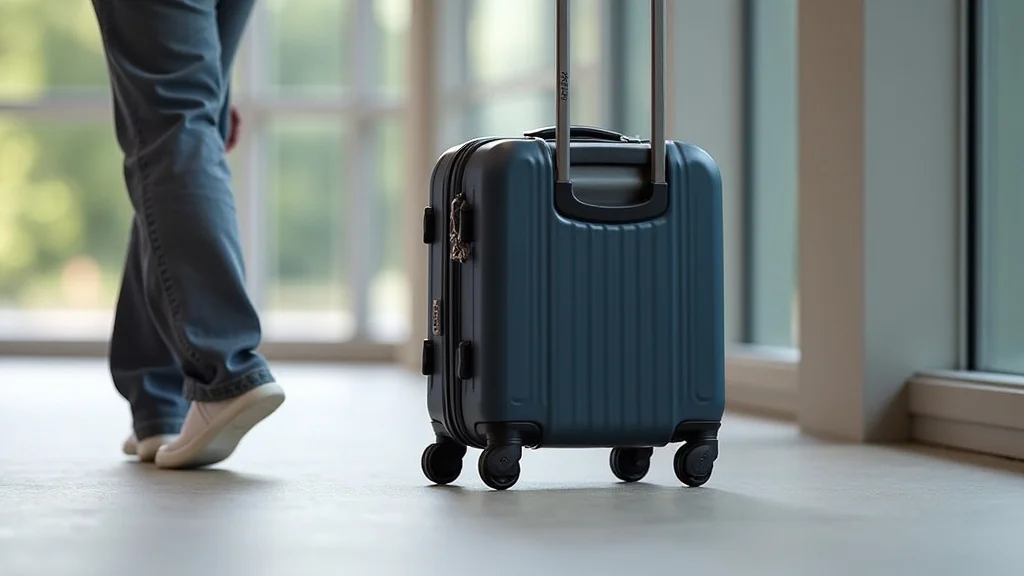
Picture this: You’re at the airport, sprinting to your gate, and your luggage is a wobbly mess, fighting every inch of the way. Frustrating, right? Or perhaps you’ve experienced the joy of a smooth, effortless roll, even over uneven surfaces. That difference often comes down to the unsung hero of travel: the luggage caster wheel accessory. This post will explore everything you need to know to make your travel experiences significantly easier. You’ll learn how to choose the right wheels, understand the different types available, and discover how they can transform your travel. This will help you make informed decisions, improve your luggage’s performance, and avoid the dreaded “luggage struggle.” Get ready to learn about how the right luggage caster wheel accessory can make all the difference.
Key Takeaways
- Learn about the different types of luggage caster wheels and their applications.
- Discover how to measure and select the correct replacement wheels for your luggage.
- Understand the benefits of various wheel materials, such as polyurethane and rubber.
- Find out how to maintain and care for your luggage caster wheels to extend their lifespan.
- Explore common problems with luggage wheels and how to troubleshoot them.
- Gain insights on choosing the best luggage caster wheel accessories for your needs.
Understanding Luggage Caster Wheels
The humble luggage caster wheel plays a vital role in our ability to move our belongings easily. They absorb shock and provide smooth movement across surfaces. The design of these wheels has undergone significant developments, transitioning from simple, fixed wheels to more sophisticated swivel designs that offer greater maneuverability. The evolution of the luggage caster wheel accessory reflects a continual effort to improve travel convenience and user experience. Selecting the right wheel depends on factors like luggage type, frequency of use, and the surfaces you typically encounter. Proper selection and maintenance significantly improve the lifespan and function of your luggage.
Types of Luggage Caster Wheels
Several types of luggage caster wheels are available, each offering unique advantages based on their design and the materials used. Understanding these variations helps you choose the most appropriate wheels for your specific needs. From durable hard plastic to shock-absorbing rubber, the materials play a critical role. The wheel type also influences how easily you can maneuver the luggage, especially in tight spaces. Consider the expected usage scenarios when evaluating different wheel types to make sure you have the best possible experience.
- Fixed Wheels: These wheels are designed to move in only one direction. They’re typically found on larger pieces of luggage and offer excellent stability on straight paths.
- Swivel Wheels: These wheels rotate 360 degrees, allowing for exceptional maneuverability. They are ideal for navigating crowded airports or busy city streets. They enable the luggage to be pushed or pulled in any direction with ease.
- In-Line Skate Wheels: These are usually made of polyurethane and offer a smoother ride than hard plastic wheels. They are great for durability and good performance on a variety of surfaces. Their design mimics the wheels used on inline skates.
- Dual Wheels: Having two wheels grouped together improves stability and weight distribution. Dual wheels are typically used on larger suitcases. They make the luggage easier to handle.
Materials Used in Luggage Caster Wheels
The materials used in luggage caster wheels directly affect their performance, durability, and ride quality. Different materials are suited for varied travel environments. The choice of material affects the wheel’s ability to resist wear and tear. You should consider the surfaces you usually travel on to select the right material. This selection can make luggage easier to move. Proper selection keeps your luggage running smoothly for years.
- Polyurethane (PU): PU wheels are known for their durability and excellent shock absorption. They are an outstanding choice for diverse terrains, offering a balance of performance and long life.
- Rubber: Rubber wheels offer superior grip and quiet operation, perfect for smooth surfaces. These are preferred for environments where minimizing noise is important. Rubber wheels generally have a softer ride.
- Polypropylene (PP): PP wheels are a cost-effective option, offering good resistance to chemicals and impact. However, they are not as durable as PU or rubber wheels. PP wheels may be suitable for light use cases.
- Hard Plastic: Typically found on lower-cost luggage, these wheels are generally durable. The use of hard plastic can be louder on certain surfaces. They are best suited for smoother terrains.
Factors to Consider When Choosing Luggage Caster Wheels
Selecting the right luggage caster wheels involves considering several factors to ensure they meet your needs. Factors like luggage weight capacity and expected terrain contribute to the decision. The size of the wheels can also affect the ability to navigate obstacles and maintain stability. Thinking about these details helps make your luggage functional for years to come. Carefully evaluate your specific needs and travel habits before making a selection.
- Luggage Weight Capacity: Ensure the wheels can support the weight of your luggage when fully loaded. Overloading wheels will cause them to break. Check the manufacturer’s specifications.
- Terrain: If you frequently travel over rough surfaces, choose wheels made of durable and shock-absorbing materials like polyurethane or rubber. If your travel is mostly on smooth surfaces, consider any type of wheel.
- Wheel Size: Larger wheels generally offer better stability and are easier to roll over obstacles. They have a greater rolling radius. Size matters.
- Swivel or Fixed: Swivel wheels offer better maneuverability, making them ideal for crowded spaces. Fixed wheels are more stable.
Measuring and Replacing Luggage Caster Wheels
Knowing how to measure and replace your luggage caster wheels is a useful skill that can save you money and keep your luggage functioning. Accurate measurements are essential to ensure a correct fit. Understanding the steps involved in the replacement process ensures you can maintain your luggage effectively. Learning the necessary steps prepares you for potential wear and tear. You can extend the life of your luggage.
Measuring Your Existing Luggage Caster Wheels
Accurate measurements are the first step. You need to ensure the new wheels will fit your luggage properly. Having the right measurements can prevent you from needing to return or exchange wheels. Several dimensions are critical, including wheel diameter, width, and axle length. Proper measurement helps ensure smooth rolling and reduces potential issues. Taking accurate measurements guarantees an easy wheel replacement process.
- Wheel Diameter: Measure the diameter of the wheel using a ruler or measuring tape. This is the distance across the wheel from one side to the other.
- Wheel Width: Measure the width of the wheel. This is the distance between the sides of the wheel.
- Axle Length: Measure the length of the axle that the wheel sits on. This is usually the distance from one side of the frame to the other.
- Mounting Hole Spacing: If replacing the entire wheel assembly, measure the distance between the mounting holes on the luggage frame.
Replacing Luggage Caster Wheels: Step-by-Step Guide
Replacing luggage caster wheels may be simpler than you think. You can bring your luggage back to good working order without professional assistance. Follow these steps carefully to ensure a smooth transition. Tools like screwdrivers and possibly a wrench will come in handy. Proper care keeps your luggage in excellent condition.
- Gather Your Tools: You will likely need a screwdriver, a wrench, and possibly pliers. These tools will enable you to remove the existing wheel.
- Remove the Old Wheel: Carefully remove the screws or bolts that secure the wheel to the luggage frame. Be careful not to damage the frame.
- Detach the Axle: Remove the axle from the wheel assembly. This will typically involve removing a nut or clip.
- Install the New Wheel: Place the new wheel onto the axle and secure it with the nut or clip. Make certain the wheel rotates freely.
- Secure the Wheel to the Frame: Align the new wheel assembly with the luggage frame and fasten it with the screws or bolts. Make sure the wheels are aligned correctly.
Choosing Replacement Wheels
Several factors will affect your selection of replacement wheels. Your wheel choice should match the function of your luggage and how you use it. Consider durability, materials, and type when evaluating the available options. Correctly selecting wheels ensures a more comfortable experience. Careful choice of replacement wheels maintains your luggage’s performance.
- Match the Size and Type: Use the measurements you took to identify wheels that match the size and type of the original wheels.
- Consider Materials: Choose the materials based on your usual travel conditions. Polyurethane wheels are durable. Rubber wheels are quiet.
- Check the Mounting System: Make sure the replacement wheels use the same mounting system as the original wheels, or that the mounting system is easily adaptable.
- Read Reviews: Search for reviews about different brands and models to see what other customers say. Their experiences could help guide your decision.
Maintaining and Troubleshooting Luggage Caster Wheels
Regular maintenance can extend the life of your luggage caster wheels and ensure they function properly. Simple actions, like cleaning and checking for wear, can prevent issues. Understanding how to solve common problems helps you keep your luggage in good condition. Taking the right steps enhances the performance of your luggage. You’ll ensure your travel remains smooth and hassle-free.
Cleaning and Lubricating Luggage Caster Wheels
Regular cleaning and lubrication can prevent the accumulation of debris and maintain smooth operation. Dust, dirt, and other debris can interfere with the wheels’ performance. The right care helps to keep your wheels moving. The appropriate lubrication keeps your wheels running quietly. Properly cleaning and lubricating your wheels ensures that your luggage will be ready for travel.
- Cleaning: Use a soft brush or cloth to remove any debris from the wheels and axles. If the wheels are very dirty, use a mild soap and water solution.
- Drying: Ensure that the wheels are completely dry after cleaning. Moisture can attract more dirt and cause corrosion.
- Lubrication: Apply a small amount of lubricant, such as silicone spray or dry lubricant, to the axles. This will help reduce friction.
- Frequency: Clean and lubricate your wheels before each trip. Also, do this more often if your luggage is used frequently or in harsh conditions.
Common Problems and Solutions
Occasionally, problems may arise with your luggage caster wheels. Knowing how to troubleshoot these problems can save you from needing costly repairs. Simple adjustments or replacements are often all that is needed to restore performance. If you diagnose the issue early, you can often solve it quickly. Being able to solve problems helps keep your luggage ready for travel.
- Wheel Not Spinning: Check for obstructions, like hair or string, wrapped around the axle. Remove the obstruction, and lubricate the axle if needed.
- Worn Wheels: If the wheels are cracked or worn, the luggage will be hard to move.
- Loose Wheels: Tighten the screws or bolts that secure the wheels to the frame. If the holes are stripped, you might need to use larger screws or replace the frame.
- Noisy Wheels: Apply lubricant to the axles. Consider replacing the wheels with a quieter model.
Extending the Lifespan of Your Luggage Caster Wheels
Taking a few preventive steps can help extend the life of your luggage caster wheels and reduce the likelihood of problems. Proper storage and careful handling can help maintain your luggage’s condition. Being mindful of these strategies is a good idea. Following these guidelines helps keep your luggage in excellent working condition for years. This will make your luggage more reliable and easier to use on any trip.
- Avoid Overloading: Always adhere to the weight limit specified by the luggage manufacturer. Overloading will cause premature wear.
- Store Properly: When not in use, store your luggage in a clean, dry place. This prevents it from being exposed to extreme temperatures or moisture.
- Handle with Care: Avoid dragging your luggage over rough surfaces. Be mindful of how you’re using your luggage.
- Regular Inspections: Regularly inspect your wheels for any signs of damage or wear. Address problems early on.
Common Myths Debunked
There are some common misconceptions about luggage caster wheels that often lead to misunderstandings. Correcting these myths provides a more accurate view of how luggage wheels function. This helps to reduce any confusion about maintenance and selection. This helps people choose the right wheels and care for their luggage.
Myth 1: All Luggage Wheels Are the Same
The belief that all luggage wheels are the same is untrue. Different luggage wheels are designed to perform different functions. They can have significant variations in design, materials, and features. These elements influence their performance and durability. Knowing these differences ensures you choose the right wheels for your luggage.
Myth 2: Expensive Wheels Are Always Better
The idea that more expensive wheels are always superior is not always correct. The best wheels for you depend on your specific needs. The most expensive wheels might not be suitable for your travel styles. Considering factors like your travel habits, luggage type, and expected terrain helps make a suitable choice. Quality depends more on suitability rather than solely on cost.
Myth 3: Luggage Wheels Are Maintenance-Free
The thought that luggage wheels need no maintenance is incorrect. All wheels benefit from care and periodic attention. Regular cleaning, lubrication, and inspection can extend their useful life. A small amount of attention can prevent wear. Proper care keeps your luggage rolling smoothly.
Myth 4: Fixed Wheels Are Better Than Swivel Wheels
The claim that fixed wheels are better than swivel wheels is a generalization. The wheel you choose is dependent on your needs. Swivel wheels excel in maneuverability. Fixed wheels are better for straight-line stability. The best choice relies on the specific travel conditions and personal preferences.
Myth 5: All Wheel Materials Are Equally Durable
This is not true. Durability depends on the material used for the wheel. Polyurethane and rubber are often more durable. They provide a more comfortable experience. Certain materials are better for some environments. Selecting the right wheel material assures a balance of performance and long life.
Frequently Asked Questions
Question: How often should I replace my luggage wheels?
Answer: Wheel lifespan depends on use. Check wheels for wear every few trips, and replace them when they are worn or damaged.
Question: Can I replace my luggage wheels myself?
Answer: Yes, in most cases. Replacement involves basic tools. Follow the steps in this guide.
Question: How do I know what size wheels to buy?
Answer: Measure the wheel diameter, width, and axle length. Match these dimensions when selecting replacements.
Question: What’s the best material for luggage wheels?
Answer: Polyurethane and rubber offer excellent balance and durability. Consider travel conditions when making your selection.
Question: How can I keep my luggage wheels in good condition?
Answer: Keep them clean. Lubricate the axles. Store luggage in a clean place. Avoid overloading your luggage.
Final Thoughts
The luggage caster wheel accessory is more important than it appears. Understanding the different types, materials, and the steps for maintenance helps to select and care for them appropriately. From fixed to swivel wheels, and materials like polyurethane to rubber, each has advantages. Learning how to measure,


Leave a Reply