
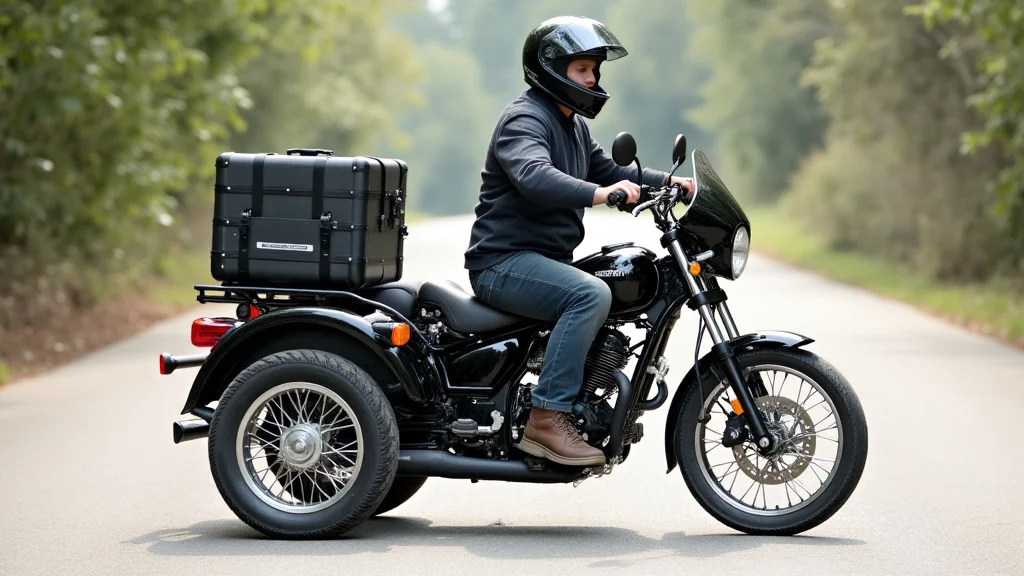
Picture this: You’re ready for a weekend getaway, envisioning scenic routes on your three wheel trike. Everything is set, except. where do you put your bags? Finding a practical solution for carrying luggage on a trike can be a challenge. That’s why we’re going to explore all aspects of securing your belongings. You’ll learn about different types of luggage carrier options, how to choose the right one, and important considerations. This will provide you with the knowledge to make informed decisions for your trike travel, improving your experience. Get ready to enhance your trike adventures.
Key Takeaways
- Discover various types of luggage carriers suitable for three wheel trikes.
- Learn essential factors when choosing a carrier for your trike and luggage needs.
- Explore installation and maintenance tips to ensure your carrier’s longevity.
- Gain insights into safety measures when using a luggage carrier.
- Understand the legal aspects of carrying luggage on your trike.
- Find useful accessories that will complement your luggage carrier.
Selecting the Right Luggage Carrier for Your Trike
Choosing the correct luggage carrier is vital for a smooth and enjoyable trike experience. This section explores different types of carriers, helping you choose the best fit for your needs. Considerations include your typical cargo volume, type of trips you take, and how much weight you plan to carry. The ideal carrier will securely hold your belongings while being easy to use. Ultimately, a properly selected carrier enhances the practicality and joy of riding your trike.
Types of Luggage Carriers
The marketplace offers several carrier options, each with distinct features. Understanding the differences between these options helps in making an informed decision. Considerations include load capacity, ease of attachment, and overall design. Choosing the appropriate type can significantly impact the functionality and safety of your luggage transport.
- Rear Racks: Rear racks are one of the most common options for carrying luggage on trikes. These racks are positioned above the rear wheels and can hold various luggage types, such as panniers, bags, or boxes.
- Front Racks: Front racks mount over the front wheels, offering an alternative luggage solution. These racks are typically smaller than rear racks. They are suitable for lighter loads like smaller bags or baskets.
- Panniers: Panniers are bags that attach directly to the side of a rear rack. They come in various sizes and are great for carrying personal items or heavier items. Panniers often provide a streamlined look and enhanced weather resistance.
- Trunk Bags: Trunk bags attach to the top of a rear rack and provide a secure, enclosed space for storing items. They come in varying sizes and are useful for protecting contents from the elements. Some trunk bags also include built-in features such as reflectors or pockets.
- Custom Carriers: Custom carriers are made to fit specific trike models or individual needs. They can include a variety of configurations such as custom rack sizes. This also includes specialized storage systems, such as a carrier for a specific size suitcase.
Rear racks offer a balanced approach to cargo handling. They provide a stable platform for a variety of luggage types. Installation is often straightforward, with racks attaching to existing frame points on the trike. They typically handle heavier loads compared to other options. This makes them ideal for longer trips requiring more luggage space.
Front racks can be useful for items that need to be easily accessible. They can also improve weight distribution, especially when carrying lighter cargo. The added weight at the front may affect steering, so it’s vital to consider the trike’s handling characteristics when using a front rack. This offers excellent flexibility for carrying different types of cargo.
Panniers offer a convenient way to carry a substantial amount of luggage. They are designed for easy attachment and removal. This is a great advantage when quickly loading and unloading your trike. Their design keeps the weight low, thereby enhancing stability. The variety of sizes and materials available makes panniers a versatile option.
Trunk bags offer a clean look while providing a secure compartment. They help protect items from rain and sun. Their enclosed design improves security, preventing items from falling out. Trunk bags are often easy to access and may include extra features. These features improve convenience and usability while on the road.
Custom carriers offer a solution when standard options don’t fit your needs. They can be tailor-made to accommodate unique cargo requirements. They also ensure a perfect fit to your trike’s frame. This approach improves integration, safety, and visual appeal. This level of customization is ideal if you have specific cargo requirements or want a unique design.
Factors for Choosing a Luggage Carrier
Selecting the right luggage carrier involves more than just picking a type. Key factors, such as weight capacity, build materials, and compatibility, all play a role. Careful assessment of these elements guarantees your carrier meets your needs. It can also ensure safety, durability, and a pleasant trike riding experience.
- Weight Capacity: The weight capacity of your trike and the carrier are critical for safety. Overloading a carrier can affect the trike’s balance. It can also damage the carrier or the trike frame.
- Material and Build Quality: High-quality materials and sturdy construction are vital for a long-lasting carrier. Carriers are exposed to weather, road conditions, and wear. Look for carriers made of durable materials like aluminum, steel, or reinforced plastic.
- Attachment and Compatibility: The ease of attaching a carrier to your trike and its compatibility with the trike’s design are important considerations. Not all carriers fit every trike. Make sure the carrier is compatible with your trike’s frame and available mounting points.
- Size and Capacity: The size and capacity of the luggage carrier should match your travel needs. Think about how much luggage you typically carry. Make sure the carrier has enough space to hold it comfortably. Also, consider the dimensions of your luggage and the carrier’s overall size.
- Weather Protection: Weather protection is important, especially if you ride in rain or areas with inclement weather. If you want to protect your luggage from rain and sun, choose a carrier made from water-resistant materials. Or, look for a carrier with a rain cover.
- Aesthetics and Design: The overall appearance and design of the luggage carrier can improve your trike’s look. Consider the carrier’s style and how it complements your trike. Some carriers are designed to be sleek and minimalist. Others include added features such as integrated lights or reflectors.
Always check both the carrier’s and trike’s weight limits. Make sure your total load, including the carrier, luggage, and contents, stays below these limits. This helps prevent damage and ensures the trike handles correctly. Weight limits are there for your safety and the longevity of your equipment. It is important to know the maximum capacity of your trike to prevent any accidents.
Consider weather resistance, corrosion resistance, and the strength of the joints and connections. A well-built carrier will withstand repeated use and the demands of travel. The build quality dictates the carrier’s lifespan and its ability to protect your luggage. This enhances safety and provides peace of mind on the road.
Check the instructions for installation and consider the tools required. Some carriers use simple clamps, while others need specific brackets or hardware. A carrier with an easy-to-use and secure attachment system saves time. It also improves stability while riding. Proper compatibility is essential for the carrier’s safety and functionality.
Choose a carrier that provides enough space without being unnecessarily large. This enhances the trike’s maneuverability and stability. Consider expandable carriers if your cargo needs vary. Proper capacity selection enhances functionality and travel experience. It ensures you have space for everything you need while riding your trike.
Weather protection keeps your luggage dry and secure. It also helps preserve your belongings. Features like waterproof materials, sealed seams, and protective covers make a big difference. They offer peace of mind when traveling in challenging weather conditions. These features keep your items safe, regardless of what the weather may be.
Choose a design that aligns with your personal preferences and the overall look of your trike. Select a carrier that improves the functionality and the visual appeal. This enhances your riding experience. It will also help you create a trike that fits your style.
Installing and Maintaining Your Luggage Carrier
Proper installation and regular maintenance are key for the longevity and functionality of your a luggage carrier for a three wheel trike. This section covers installation steps, maintenance tips, and common issues to prevent. Following these practices guarantees your carrier remains in excellent condition. This promotes the safe and effective transport of your belongings.
Installation Guide
The installation of your luggage carrier for a three wheel trike is typically a straightforward process, but proper steps are key. Accurate installation guarantees the carrier is secure. It also prevents damage to your trike and ensures a safe riding experience. Following these steps and precautions will make the installation process easy.
- Read the Instructions: Always start by reviewing the manufacturer’s instructions for your specific carrier. They have crucial details, diagrams, and warnings. These help you understand the proper steps for your model.
- Gather Your Tools: Collect the tools needed for the installation. These may include a screwdriver, wrench, Allen keys, and a measuring tape. Make sure you have all the tools before starting the process.
- Prepare Your Trike: Make sure the mounting area on your trike is clean and ready. This ensures the carrier attaches securely. This may involve removing any existing accessories or brackets.
- Attach the Mounting Brackets: If your carrier uses brackets, attach them to your trike’s frame. Make sure the brackets are positioned and aligned correctly, as instructed in the manual. Secure them using the appropriate screws or bolts.
- Mount the Carrier: Carefully position the carrier onto the installed brackets or mounting points. Align the carrier with the brackets, making sure it sits straight and level. Secure the carrier by tightening the bolts or using the supplied hardware.
- Test for Security: Once the carrier is installed, test its stability and security. Try to move it by hand to check for any looseness or movement. Then, load the carrier with a small amount of weight to verify its capacity.
- Inspect and Adjust: After a test ride, inspect the carrier again. Ensure that all the bolts are still tight and that the carrier is still secure. Make any needed adjustments if there are any issues or concerns.
Instructions may vary based on the carrier type and your trike model. Reading the instructions guarantees you have the correct information before you start. This prevents errors and ensures you install the carrier properly.
Having the correct tools makes installation easier and more efficient. It also helps prevent damage to your trike or carrier. Check the instructions to make sure you have everything you need.
Clear the mounting area so you have a clear view. Any dirt or debris may interfere with the secure connection. Preparing the mounting area improves the chances of a successful installation.
Proper bracket placement is important for stability. Check the instructions for guidance on the correct positioning and alignment. Make sure the brackets are properly tightened to prevent movement or looseness during riding.
Take your time and check for any potential obstructions. Ensure the carrier is securely attached. Double-check all bolts and screws to make sure they are tight. This helps prevent accidents and allows your carrier to function effectively.
Proper testing helps make sure the carrier is secure. It also verifies that the carrier can support the cargo you want to carry. If any issues are found, adjust or retighten the bolts to solve them.
Regular inspection and adjustments are very important for maintenance. This is the last step for ensuring a smooth and safe experience. These steps will prepare your carrier to handle your luggage with efficiency and safety.
Maintenance Tips
Maintaining your luggage carrier extends its lifespan and performance. The basic maintenance practices listed here help preserve the carrier’s structural integrity. They also ensure the safe carriage of your luggage. Regularly doing these practices prevents issues and keeps your carrier in top shape.
- Regular Cleaning: Clean your carrier regularly to remove dirt, debris, and grime. Use mild soap and water, and avoid harsh chemicals or abrasive cleaners that can damage the surface.
- Check for Damage: Examine your carrier for any signs of damage, such as cracks, dents, or loose parts. Inspect any welds, bolts, or attachment points. Address issues as soon as they are found.
- Lubricate Moving Parts: If your carrier has any moving parts, such as hinges or latches, lubricate them regularly. Apply a light lubricant to these parts to ensure smooth operation and prevent corrosion.
- Tighten Bolts and Screws: Regularly check and tighten any bolts and screws on the carrier. Vibration from riding your trike can sometimes loosen them. Make sure that all bolts and screws are properly tightened.
- Storage: When not using your carrier for extended periods, store it properly to protect it from the elements. Keep it in a dry, covered area. Protect it from direct sunlight and extreme temperatures.
Cleaning prevents build-up and corrosion. It is also a good chance to check for any damage. Wipe down your carrier after each use, especially after riding in wet or muddy conditions. This will help maintain its appearance and prevent rust. This will also ensure its functionality.
Regular inspections are vital for detecting problems early. Taking prompt action on these issues stops them from getting worse. Repair or replace any damaged parts. That prevents further damage and keeps your carrier working safely.
Lubrication prevents wear and tear and preserves performance. It also helps prevent parts from seizing up. Use a lubricant that’s suitable for the materials. Lubricate moving parts before any long trips to ensure their proper function.
Tightening bolts and screws is a simple, yet important step for safety. Regular tightening prevents any components from coming loose. It also prevents the carrier from malfunctioning while riding. Consider checking the hardware before each trip.
Proper storage is important for preserving your carrier’s condition. The right storage environment prevents rust, corrosion, and sun damage. This will increase the lifespan of your carrier. Also, it will keep it ready for use when needed.
Common Issues and Troubleshooting
Sometimes, problems may arise with your luggage carrier. Understanding common issues can help troubleshoot and maintain your carrier. Quick action, along with identifying and fixing issues as they occur, guarantees your carrier performs well. It also ensures the safety of your rides.
- Loose Bolts and Screws: Loose bolts and screws are a common issue. This is often caused by vibrations while riding. Check and tighten all bolts and screws regularly, especially before long trips.
- Corrosion and Rust: Corrosion and rust can occur if your carrier is exposed to moisture or harsh weather conditions. Regularly clean and dry the carrier. Apply a protective coating to prevent or stop rust.
- Damage to Straps and Buckles: Straps and buckles can wear out or break from repeated use or exposure to the elements. Inspect these components for wear, tears, or damage. Replace any damaged straps or buckles right away.
- Carrier Not Level: If your carrier is not level after installation, it can cause problems with weight distribution. Ensure the carrier is properly aligned with the frame of your trike. Check for any obstructions or improperly installed brackets.
- Difficulty in Closing or Securing: If the carrier is hard to close or secure, check the latches, hinges, or closing mechanisms. Lubricate moving parts. Make sure the carrier isn’t overloaded. Also, look for any damage or obstructions.
Loose hardware can cause the carrier to become unstable or detach. A quick check of all the fasteners and some tightening will usually solve this. If a bolt or screw strips the threads, replace it immediately.
Rust weakens the metal and can reduce the carrier’s lifespan. Cleaning your carrier and applying a rust-inhibiting spray will help prevent this. If rust is severe, you may need to replace components.
Faulty straps can cause luggage to shift or fall. The buckles are crucial for securing the luggage. If they are damaged, they may not function properly. Periodically inspect these components. This will avoid potential failures and ensure your luggage stays secured.
An unleveled carrier will shift weight and affect the trike’s handling. This can also put strain on the carrier and its attachment points. Adjust the installation to ensure the carrier sits level. This will improve balance and performance.
Issues with closing or securing a carrier can leave your luggage at risk. Examine the mechanism. Clean or lubricate it. If these solutions don’t work, there may be a problem with the alignment. You may need to replace the carrier if it cannot be fixed.
Safety and Legal Considerations
Using a luggage carrier for a three wheel trike involves safety and legal considerations. Understanding safety practices and the law helps ensure secure riding and prevent accidents. Knowing the rules and regulations guarantees you enjoy your trike adventures safely and responsibly.
Safety Guidelines
Safety should be a top priority when using a luggage carrier. These safety guidelines will help you. They improve your riding experience and guarantee the safe transport of your luggage.
- Proper Weight Distribution: Distribute the weight of your luggage evenly within the carrier. Avoid concentrating weight on one side of the trike. This helps maintain balance and stability, especially during turns.
- Secure Luggage: Secure your luggage properly. Use straps, tie-downs, or other methods to prevent your luggage from shifting. This stops your cargo from moving while you are on the road.
- Check Stability: Before each ride, check the stability of your trike and the carrier. Make sure that nothing is loose. Also, check to see if the weight distribution is correct. Make sure your luggage is properly secured.
- Adjust Your Riding: Adapt your riding style to compensate for the added weight and changed handling of the trike. Slow down when turning. Also, allow for longer braking distances when your trike is loaded with luggage.
- Visibility: Make sure your luggage carrier doesn’t obstruct your lights, turn signals, or reflectors. Use reflective tape or lights. These will improve your visibility to other drivers, especially at night or in low-light conditions.
- Maintenance: Regular maintenance of your luggage carrier guarantees its safety and function. Follow maintenance tips. Always fix any problems before your rides.
Uneven weight distribution can impact handling and cause the trike to tilt. When loading, position heavy items low. This improves stability. Also, consider the weight capacity of your carrier and your trike. It’s always crucial for safe operation.
Loose items can shift during turns or sudden stops. They can cause accidents. Make sure your luggage is secure before you start riding. Periodically check during your rides to ensure the luggage hasn’t shifted.
Verifying stability is a crucial part of your pre-ride safety checks. It guarantees the carrier is attached safely and that the weight is balanced. This helps prevent accidents and improve the overall riding experience. Also, inspect the carrier’s attachment points to ensure they’re secure.
The extra weight from your luggage will change the way your trike handles. It might also require greater stopping distances. You’ll need to ride more cautiously, especially at high speeds. This ensures you can maintain control and react to unexpected situations.
Visibility is very important for safety. Make sure all lights and reflectors are clear. Use reflective materials on your carrier or luggage. This improves your visibility to other motorists and reduces the risk of accidents.
Proper maintenance helps prevent unexpected problems on the road. Regularly inspect the carrier. Address issues such as loose bolts. Maintain all the components of your carrier to keep it in good condition. That improves your safety.
Legal Requirements and Regulations
Legal regulations about carrying luggage on a three wheel trike differ by location. Understanding and complying with them avoids legal issues. This guarantees that your riding stays safe and within the law.
- Weight Limits: Many jurisdictions have weight restrictions on the maximum weight that can be carried on a trike. Know the weight limits for both your trike and the luggage carrier. Ensure your loaded trike complies with these limits.
- Size Restrictions: Some areas have limits on the size of the luggage or carrier. They may have restrictions for the width, height, or length of any luggage carried. Make sure your luggage and carrier adhere to these dimensions.
- Visibility Requirements: Laws might require that your luggage carrier does not block your lights, reflectors, or license plate. You might need to add lights or reflective materials. This improves your visibility to other road users.
- Securement Requirements: Legal guidelines might specify how luggage must be secured. This stops luggage from falling out or shifting during transport. Ensure your luggage is properly secured with straps or tie-downs.
- Local Laws: Many areas might have local rules or ordinances about carrying luggage on trikes. Learn all the regulations for the areas where you will be riding. This includes parking restrictions.
- Compliance: Make sure you know and adhere to all applicable laws. Ignorance of the law is not a defense. Compliance with regulations helps keep you safe. Also, it helps you avoid legal issues.
Weight limits are set to make sure roadways are used safely. Also, they ensure your trike’s performance remains consistent. Exceeding these limits can result in fines and safety hazards. Check local regulations to find the weight limits in your area.
Size restrictions help to guarantee visibility and safety. They stop the luggage from interfering with traffic or obstructing the road. Confirm you know any size limits. Also, make sure that your setup adheres to them.
Ensuring your trike is visible is important for road safety. If the luggage obstructs essential safety features, you will need to add extra features. Make sure all of the features are visible and working properly.
Failure to properly secure luggage could result in fines or accidents. Securement laws help prevent accidents. Always use the proper straps or tie-downs. Also, double-check your luggage before each trip.
Local laws can differ. It is important to know and follow those laws. Not knowing the laws can lead to legal issues. This is especially true if you are riding through several different jurisdictions. Local regulations may also address specific trike features or accessories.
Compliance is important for safe and legal riding. Research and obey all rules. Review local laws regularly. Keep up-to-date with any changes. This will assist you with enjoying your riding experience. Also, you will prevent legal problems.
Accessorizing Your Luggage Carrier
Accessories can improve the usefulness and function of your luggage carrier. These add-ons provide extra storage, protection, or convenience. They improve your riding experience and make it more enjoyable. Adding these enhancements can change your trips for the better.
- Rain Covers: Rain covers are crucial if you travel in areas with rain. These covers protect luggage from water damage. They are usually made of waterproof materials and fit over the carrier.
- Bungee Cords or Tie-Down Straps: Bungee cords and tie-down straps assist in securing luggage. Use them to tightly fasten items to the carrier. That protects your gear from shifting during the ride.
- Additional Storage Bags or Pouches: You can add extra storage with extra bags. That will add to the overall storage capacity of your setup. Choose the storage bags that easily attach to your carrier.
- Reflective Tape or Decals: Improve your visibility to other drivers. Apply reflective tape or decals to your carrier and luggage. That improves your safety, particularly when riding at night or in low-light conditions.
- Locking Mechanisms: Add security to your belongings. Use locking mechanisms like locks. This prevents theft and offers extra protection for your belongings.
- Lights: Add lights to your carrier. This improves visibility and safety. Options include LED lights. Choose lights that enhance your visibility and are easy to install.
A rain cover ensures that your gear stays dry. This protection is key for keeping your belongings safe. Choose covers made of durable, waterproof materials. They will protect your items from rain.
Bungee cords and tie-down straps provide an extra layer of security. They keep your luggage from shifting while riding. Choose high-quality cords and straps. Ensure they are strong and long-lasting.
Extra storage improves your carrying capacity. It enables you to carry extra items. This is useful for longer trips or when you need more storage space. Check the bag size and attachment method to ensure they fit correctly.
Reflective materials improve your safety. They make you more visible to other road users. Attach these to the sides of your carrier or luggage. This will improve visibility and lessen the risk of accidents.
Locks offer extra security. They provide peace of mind, especially when you are away from your trike. Select locks that are strong and easy to use. The locks should be able to withstand theft.
Lights improve your visibility, especially when riding in low-light conditions. These lights will assist in making sure you are seen. Also, it will improve your safety while riding.
Common Myths Debunked
Misconceptions about trike luggage carriers may lead to unsafe practices or poor choices. This section addresses common myths. These details provide factual knowledge. This helps you make the right decisions about carrying luggage safely and effectively.
Myth 1: Any Carrier Works
Some believe that any carrier can be used to carry luggage. The reality is that not all carriers are made the same. It is important to pick a carrier based on the type of trike, the amount of luggage, and your riding style. A carrier that’s too small, too big, or not designed for trikes can affect safety and performance. Always consider the load capacity and the build of the carrier.
Myth 2: Weight Doesn’t Matter
Some people think the weight of luggage doesn’t matter. They believe any weight can be added. The fact is that carrying too much weight impacts the trike’s handling. It can affect your trike’s performance and make it dangerous. Always check the load capacity of the trike. Distribute the weight evenly and secure the load well. This will improve your safety.
Myth 3: Installation Is Easy
It’s easy to assume that installation is simple, but the truth is it requires proper attention. The specific setup will impact the process. Taking shortcuts or disregarding instructions can cause an unstable carrier. Always follow the manufacturer’s instructions. Make sure all bolts and screws are properly tightened. Check the carrier’s attachment regularly.
Myth 4: Maintenance Is Unnecessary
Some believe that maintenance is not needed for a luggage carrier. The reality is that regular maintenance is vital for longevity. Regularly clean the carrier. Inspect the attachment points. Also, replace any worn parts. These steps guarantee the carrier stays functional. Also, they prevent potential failures.
Myth 5: It’s Okay to Overload the Carrier
Many believe it is okay to overload a luggage carrier. The truth is that overloading can damage the carrier. It will also make the trike unstable. Know the weight capacity. Distribute the weight correctly. Do not add more luggage than the carrier can manage safely.
Frequently Asked Questions
Question: Can I use a regular bicycle rack on my three wheel trike?
Answer: It’s best to use a luggage carrier designed for a trike. Bicycle racks often lack the necessary stability and attachment points for trikes.
Question: How do I know the weight capacity of my trike?
Answer: Check the owner’s manual. The manufacturer will list the maximum weight capacity, including rider and luggage.
Question: What if my carrier blocks my taillight?
Answer: You may need to add an extra taillight. You want to make sure the taillight is visible to other drivers.
Question: Can I modify my luggage carrier?
Answer: While some modifications might be possible, it’s best to use the carrier as it’s designed. Modifying a carrier might affect the structural integrity or performance.
Question: How often should I check my carrier’s bolts?
Answer: Check the bolts before each ride. Tighten them as needed, especially before long trips. Inspect the whole carrier periodically.
Final Thoughts
Choosing the correct a luggage carrier for a three wheel trike means more than just having extra storage. It involves knowing your needs. It also involves safety and legal requirements. We explored the variety of carriers available. We also reviewed the factors for choosing one, installing and maintaining it. We discussed safety and legal considerations. Finally, we went over ways to customize your setup with accessories.
Take time to research the options. Assess the needs of your typical trips. Make sure you install and maintain your carrier. Also, do not forget the safety and legal aspects. By taking these actions, you can improve your trike adventures. You will be able to enjoy your trips with confidence. You are well on your way to a more practical and enjoyable trike riding experience. Now, get ready to ride!


Leave a Reply