
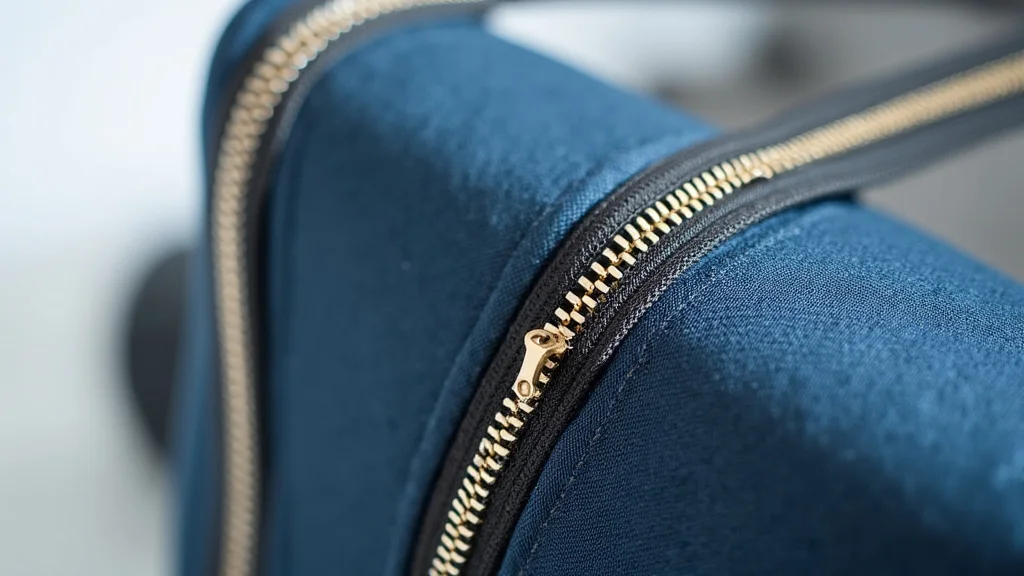
Ever been at the airport, ready for your dream vacation, only to find your luggage zipper stuck or broken? It’s a travel nightmare! Suddenly, your suitcase is a source of stress instead of a storage solution. This guide will walk you through everything you need to know about luggage zipper
Key Takeaways
- Learn how to identify different types of luggage zipper problems.
- Discover the tools and materials needed for successful repairs.
- Explore step-by-step instructions for common zipper fixes.
- Understand when a DIY approach is best versus professional help.
- Find helpful tips to maintain your luggage zippers and prevent future issues.
- Gain confidence in tackling luggage zipper challenges while traveling.
Identifying Luggage Zipper Problems
Before you begin any luggage zipper
Types of Luggage Zippers
Luggage zippers come in various types, each with its own structure and potential points of failure. The three main types are coil zippers, molded plastic zippers, and metal zippers. Coil zippers are made from a continuous coil of nylon or polyester, offering flexibility and resistance to corrosion. Molded plastic zippers use individual plastic teeth molded onto the zipper tape. Metal zippers are made from individual metal teeth, often brass or nickel, known for their strength and durability. Understanding the type of zipper on your luggage will help you select the appropriate repair methods and tools.
-
Coil Zippers: Coil zippers are very common and are usually made of nylon or polyester. They’re flexible and can withstand a lot of wear. They’re a good choice for luggage because they can bend without breaking. However, they can sometimes come unraveled or get damaged if something gets caught in them.
Coil zippers are a popular choice due to their flexibility and resistance to corrosion. The coil construction allows them to bend and flex, which is ideal for luggage that experiences a lot of movement and pressure. However, they can be prone to unraveling or catching if foreign objects get trapped in the coil.
-
Molded Plastic Zippers: These zippers have individual plastic teeth molded onto the zipper tape. They are usually more affordable than metal zippers but are less durable. The teeth can crack or break if subjected to extreme stress or temperature changes. They’re often found on less expensive luggage.
Molded plastic zippers use individual plastic teeth that are molded onto the zipper tape. While they are a more economical option, they may not last as long as other types. Extreme stress or temperature changes can cause the teeth to crack or break, making this zipper style less durable.
-
Metal Zippers: These are the strongest type, made with individual metal teeth, often brass or nickel. They’re very durable but can be more prone to corrosion in humid environments. They can also be difficult to repair if the teeth become misaligned. They are a good choice for frequent travelers.
Metal zippers, usually made from brass or nickel, offer exceptional durability. They are highly resistant to wear and tear. However, they can be prone to corrosion in humid environments. Also, misaligned teeth can be difficult to fix, which requires more skill.
Common Zipper Problems
Zipper issues can disrupt your travel plans. Some common problems include a stuck zipper, a broken zipper slider, separated zipper teeth, and a damaged zipper tape. Knowing how to identify each issue can save you time and help you to quickly perform a luggage zipper replacement. Understanding the root cause of these problems will guide you toward the right repair or replacement approach.
-
Stuck Zipper: A stuck zipper is a common issue caused by an obstruction, such as fabric caught in the teeth, or accumulated dirt. This can be resolved with a careful, gentle approach. Applying some lubricant can often free up a stuck zipper.
A stuck zipper is a widespread issue that is caused by an obstruction such as fabric being caught in the teeth or an accumulation of dirt or debris in the zipper mechanism. Gently working the slider back and forth while inspecting the teeth can dislodge the obstruction and free the zipper. In some instances, applying a lubricant can also provide relief.
-
Broken Zipper Slider: The zipper slider, the part that moves up and down the teeth, can break or become damaged from wear and tear. This is a common occurrence. Replacement of the slider is a necessary step.
The zipper slider is the component that moves along the teeth, and it’s susceptible to damage through wear and tear. If the slider is broken or damaged, the zipper will not function, requiring a
-
Separated Zipper Teeth: When the teeth of the zipper come apart, it can be caused by a worn slider or excessive force. This issue can sometimes be fixed, but a luggage zipper replacement might be needed.
If the zipper teeth separate, the zipper is no longer functional. This can be caused by a worn-out slider or the result of excessive force applied to the zipper. Sometimes the teeth can be realigned and made to work. However, in more serious situations, a full zipper replacement might be required.
-
Damaged Zipper Tape: The fabric tape to which the zipper teeth are attached can tear or fray. This usually requires a luggage zipper replacement, since the tape holds the zipper together.
The zipper tape is the fabric portion that attaches the zipper teeth. Damage to the tape, such as tearing or fraying, can render the zipper useless. In this scenario, a complete zipper replacement is usually necessary.
DIY Luggage Zipper Repair: Step-by-Step Guide
Many luggage zipper problems can be fixed at home with the right tools and a little patience. Before you start a luggage zipper replacement, gather the necessary items. Consider the type of zipper on your luggage to choose the correct approach. Carefully follow the steps and take your time to avoid causing further damage. It’s also important to know when to seek professional help.
Essential Tools and Materials
Having the correct tools and materials is crucial for a successful luggage zipper replacement. This includes items to help you work safely and effectively. You can often find a basic repair kit at a local craft store or online, which has many of the items below. Keep these tools organized and accessible for future repairs.
-
Needle-Nose Pliers: Essential for manipulating and reshaping zipper sliders, especially metal ones.
Needle-nose pliers are useful for grabbing and manipulating small parts, like zipper sliders. They are useful for gently squeezing or bending the metal slider to help it grip the zipper teeth more securely, helping with luggage zipper replacement.
-
Small Screwdriver Set: Helpful for removing and replacing screws that secure zipper sliders or other parts of the luggage.
A small screwdriver set allows you to remove and
-
Seam Ripper: Useful for carefully removing stitches without damaging the surrounding fabric.
A seam ripper lets you carefully remove stitches, particularly if you need to access the zipper or replace it. Using this tool minimizes the chance of damaging the luggage fabric, an important task when performing a luggage zipper replacement.
-
Zipper Slider Replacements: Available in various sizes and styles to match your luggage zippers.
Zipper slider replacements are critical. Ensure you have the right size and style for your luggage zippers. There are different sizes and styles for each zipper type. Having the correct replacement slider is essential to completing the luggage zipper replacement properly.
-
Zipper Tape (for Full Replacements): Purchase zipper tape that matches the original in color and material.
Zipper tape is the fabric base that holds the zipper teeth. If the tape is damaged, you will need to replace the entire zipper. Choose the correct color and material to match the existing luggage. This will complete the luggage zipper replacement.
-
Lubricant (Wax or Silicone Spray): To help lubricate the zipper teeth for smooth operation.
Lubricant helps to reduce friction and allows the zipper to move smoothly. Apply it carefully to the zipper teeth. This is especially helpful if your luggage zipper is stuck. Using lubricant is a good step during a luggage zipper replacement.
-
Sewing Kit (Needle and Thread): For stitching the zipper tape to the luggage fabric, if needed.
A sewing kit with a needle and thread can be used to sew a new zipper tape into the luggage. These tools are useful for minor repairs and also useful for a luggage zipper replacement. It’s important to choose thread that is the same color as your luggage fabric.
Step-by-Step Repair Instructions
Follow these steps carefully for the repair. Always work in a well-lit area. Taking your time will make it easier to fix your luggage zipper replacement. If you are unsure at any step, pause and consult an online guide or video before proceeding. Remember that patience is key when working on intricate repairs.
-
Free a Stuck Zipper: Start by gently trying to move the slider back and forth. Apply lubricant like wax or silicone spray if it still sticks. Use a small screwdriver or pliers if there are any obstructions. This can often fix the problem without the need for a luggage zipper replacement.
Begin by gently working the zipper slider back and forth. If it is stuck, apply a lubricant like wax or silicone spray. Work the slider back and forth to loosen it. If this doesn’t work, examine the zipper teeth for obstructions. This method often fixes a stuck zipper without needing a replacement.
-
Replace a Broken Slider: Purchase a slider that matches the zipper type. Remove the old slider, usually by cutting or pulling it off. Insert the new slider onto the zipper teeth. Use pliers to carefully crimp the new slider onto the teeth if needed. This step often eliminates the need for a full luggage zipper replacement.
Find a replacement slider that matches the type of zipper on your luggage. Remove the broken slider. Insert the new slider onto the zipper teeth. Use needle-nose pliers to gently crimp the new slider onto the teeth. This is a common and straightforward method, which can avoid a full replacement.
-
Realign Separated Teeth: Sometimes, you can realign the teeth by gently wiggling the slider back and forth. If the teeth are severely misaligned, use pliers to gently squeeze the slider. For stubborn problems, this could lead to a full luggage zipper replacement.
Sometimes, separated teeth can be realigned by gently wiggling the slider back and forth. If the teeth are still misaligned, use pliers to gently squeeze the slider. If that doesn’t work, a full luggage zipper replacement might be needed.
-
Partial Zipper Replacement: For a damaged section of zipper teeth, you can cut out the damaged part. Sew in a new section of zipper tape, carefully matching the color and material of the original. This is a skilled task and needs precision to avoid a full luggage zipper replacement.
Cut out the damaged portion of the zipper teeth, if only a section is damaged. Sew in a new piece of zipper tape, matching the color and material of the original zipper. This repair is best left to experienced individuals due to the precision required.
-
Full Zipper Replacement: If the damage is extensive, you may need to completely remove the old zipper. Sew a new zipper tape into the luggage fabric. This is the most complex of all the procedures involved in a luggage zipper replacement.
If the damage is extensive, you may need a full zipper
When to Seek Professional Help
While many zipper problems can be fixed at home, some situations require professional intervention. If the damage is extensive, such as a torn zipper tape, or if you’re uncomfortable with complex repairs, it’s best to consult a professional. They have the expertise and specialized tools to handle challenging repairs, ensuring a long-lasting fix. Choosing the right course of action is an important part of a luggage zipper replacement process.
-
Extensive Damage: Major tears in the zipper tape, damage to the surrounding luggage fabric, or issues with the zipper’s internal components often require professional repair.
If the zipper tape is torn or the surrounding luggage fabric is damaged, seek professional help. Complex repairs, such as those to the internal parts of the zipper, also need professional attention. These often require a luggage zipper
-
Lack of Expertise: If you are unsure about any steps or uncomfortable with DIY repairs, do not proceed. Attempting a repair beyond your skills could cause further damage. A professional can easily perform the luggage zipper replacement.
If you’re unsure of how to perform a repair or are not comfortable, seek professional help. Avoid the risk of causing more damage by attempting a repair you’re unsure about. They possess the knowledge and skills needed for a successful luggage zipper replacement.
-
Valuable or High-End Luggage: For expensive or sentimental luggage items, professional repair ensures the best quality and preserves the value of your luggage.
If your luggage is valuable or has sentimental value, opt for professional repairs. Professionals have the skills to handle high-end luggage and ensure that the repair doesn’t affect the luggage’s appearance or functionality. This approach protects your investment in the form of a luggage zipper replacement.
Maintaining Your Luggage Zippers
Regular maintenance can extend the life of your luggage zippers and reduce the likelihood of needing a luggage zipper replacement. Simple preventative measures can save you time and money and prevent travel disruptions. Make it a habit to inspect and care for your zippers regularly to ensure your luggage remains in good condition for many journeys.
Cleaning and Lubrication
Keep your zippers clean by regularly removing dirt and debris. This can be done with a soft brush and a slightly damp cloth. Lubrication helps to ensure smooth operation. Apply lubricant carefully to the zipper teeth. This helps prevent sticking and extends the zipper’s life, eliminating the need for a luggage zipper replacement in the near future.
-
Regular Cleaning: Use a soft brush to remove dirt and debris from the zipper teeth. Wipe the zipper tape with a slightly damp cloth.
Dust and debris are common problems for luggage zippers. Use a soft brush to remove the dirt and other debris. Wipe the zipper tape with a damp cloth to remove any remaining grime. This ensures the zipper runs smoothly, thus avoiding a luggage zipper replacement.
-
Proper Lubrication: Apply a small amount of wax or silicone spray to the zipper teeth. Avoid using excessive amounts of lubricant.
Apply a small amount of lubricant, such as wax or silicone spray, to the zipper teeth. This helps the slider glide smoothly along the zipper teeth. Excess lubrication can attract dirt and debris. This prevents the need for luggage zipper replacement for some time.
Preventive Measures
Preventative actions can minimize wear and tear on your luggage zippers. Avoid overpacking your luggage. Check for damage after each trip. By doing this, you can extend the life of your zippers and potentially prevent the need for a luggage zipper replacement.
-
Avoid Overpacking: Do not overfill your luggage. Overpacking puts excessive strain on the zippers.
Avoid overpacking your luggage. Overfilling your luggage puts excessive strain on the zippers. This can cause the zipper teeth to separate or the slider to break. You could prevent damage and avoid the need for luggage zipper replacement by not overpacking.
-
Gentle Handling: Handle your luggage with care during transit. Avoid yanking or forcing the zippers closed.
Handle your luggage carefully during all travel situations. Avoid yanking or forcing the zippers. Treat them with care to prevent damage. This approach helps to prolong the life of the zippers and can prevent the need for luggage zipper replacement.
-
Regular Inspections: Inspect your zippers after each trip. Look for any signs of damage or wear.
Inspect the luggage zippers after each journey. Look for any signs of damage or wear. Addressing problems early can prevent them from worsening. This is important to help you avoid a luggage zipper replacement.
Common Myths Debunked
There are many misconceptions about luggage zippers and their repair. Many people are not aware of what is possible and what is not possible with these parts. This section clears up some of these common myths, providing factual information and setting expectations.
Myth 1: You Must Replace the Entire Zipper
Many people believe that when a zipper fails, the whole unit needs to be
Myth 2: Any Lubricant Will Do
Some people think any lubricant will do. However, using the wrong lubricant can damage your zipper. While many substances can temporarily fix a zipper problem, the best choice is often a specifically made zipper lubricant, wax, or silicone spray. These products provide effective lubrication without attracting dirt and debris. They also do not damage the zipper tape material. This can keep you from needing a luggage zipper replacement.
Myth 3: Zippers Are Impossible to Fix
Some people believe that zippers are impossible to fix. However, many zipper issues can be repaired with basic tools. A stuck zipper or a broken slider is often easy to fix at home. While more complex repairs may require professional help, many common problems can be resolved with DIY methods. The ability to make your own repairs can save you money and time. Learning how to repair zippers can also prevent the need for a luggage zipper replacement.
Myth 4: Zippers Are All the Same
Some people think that all zippers are the same. In reality, zippers vary in type, material, and design. Coil zippers, molded plastic zippers, and metal zippers have different characteristics. Understanding the differences is critical for choosing the right repair method and replacement parts. Knowing the type you have can help you avoid a luggage zipper replacement.
Myth 5: You Can Always Force a Stuck Zipper
Many people try to force a stuck zipper. However, doing so can cause more damage. Forcing a zipper can bend or break the slider. It can also separate or damage the teeth. The best approach is to gently inspect the zipper for obstructions. Then, use lubrication to free it. This can prevent the need for a luggage zipper replacement.
Frequently Asked Questions
Question: What causes a zipper to get stuck?
Answer: A zipper gets stuck due to various reasons, including fabric caught in the teeth, dirt and debris buildup, or the zipper being overstressed.
Question: How do I choose the correct zipper slider replacement?
Answer: Match the new slider with the type of zipper on your luggage, and make sure it is the same size and style as the original.
Question: Can I use WD-40 on my luggage zipper?
Answer: WD-40 is not recommended because it can attract dirt and debris, potentially causing more harm than good. Use a wax, silicone spray, or a zipper-specific lubricant.
Question: How do I prevent future zipper problems?
Answer: Prevent problems by avoiding overpacking, handling your luggage gently, cleaning the zippers regularly, and applying lubricant when needed.
Question: When should I consider replacing the entire zipper?
Answer: Consider a complete luggage zipper replacement if the zipper tape is torn or damaged, or if multiple teeth are missing or broken.
Final Thoughts
Dealing with a broken luggage zipper can be frustrating, but with the right knowledge and approach, you can often solve the problem yourself. Identifying the type of zipper and understanding the common issues are the first steps toward a successful luggage zipper


Leave a Reply