
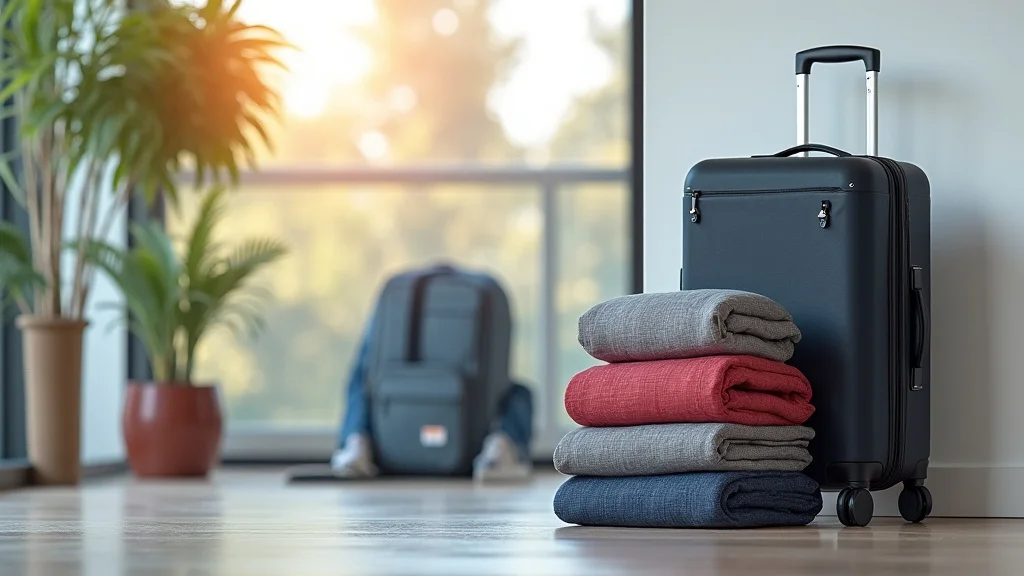
Picture this: You’re at the airport, desperately trying to cram one more souvenir into your overflowing suitcase. The zipper strains, the fabric bulges, and you’re mentally calculating the extra baggage fees. Sound familiar? We’ve all been there! Thankfully, there’s a simple solution to this common travel problem: luggage vacuum compression bags. These handy bags can revolutionize the way you pack, creating more space and keeping your belongings organized. This guide will walk you through everything you need to know about luggage vacuum compression bags, from their benefits to how to use them effectively, helping you become a packing pro and avoid those stressful airport moments.
Key Takeaways
- Learn how luggage vacuum compression bags maximize packing space.
- Discover the different types of compression bags and their features.
- Understand the advantages of using compression bags for travel.
- Explore tips for choosing the right compression bags for your needs.
- Master the techniques for effectively packing and sealing compression bags.
- Find out how compression bags can protect your clothing and belongings.
Unleashing the Potential of Luggage Vacuum Compression Bags
Travel can be a fantastic experience, but the pre-trip packing process can sometimes feel overwhelming. One of the biggest challenges is fitting everything you need into your suitcase while still complying with airline size and weight restrictions. This is where luggage vacuum compression bags come into play. These innovative tools offer a simple yet effective solution for reducing the volume of your clothing and other soft items, giving you more space in your luggage and making your travels easier.
The concept behind compression bags is straightforward: they remove excess air from your clothes, significantly decreasing their size. This allows you to fit more items into your suitcase, and it also helps keep your belongings organized. By compressing your clothes, you create a more compact and streamlined packing arrangement, which can prevent wrinkles and potential damage during transit. The bags are available in various sizes and styles, providing flexibility for different packing needs, whether you’re embarking on a weekend getaway or a long-haul adventure.
Advantages of Using Compression Bags for Travel
The advantages of using compression bags are numerous, making them a valuable tool for any traveler. They go beyond simply saving space; they contribute to a more organized and stress-free packing experience. Choosing the right kind of bags and packing them correctly can change how you travel, offering benefits that enhance both the journey and the arrival.
-
Maximize Packing Space
The primary benefit of luggage vacuum compression bags is their ability to significantly increase the available space in your luggage. By removing air from your clothes, you can reduce their volume by up to 80%. This means you can pack more items in the same amount of space, allowing you to bring additional outfits, souvenirs, or travel essentials without exceeding weight limits or needing a larger suitcase. For example, a bulky winter coat might take up a significant amount of space. However, when compressed, it becomes much smaller, freeing up room for other items. This is particularly helpful when traveling with carry-on luggage, where space is extremely limited.
-
Protection from the Elements
Compression bags can provide an added layer of protection for your clothes against external elements. They help safeguard your clothes from potential damage such as moisture, dust, and odors. A spill inside your suitcase is less likely to seep into your clothing. Compression bags are generally made from durable materials that can protect your clothes from rips and tears caused by other items in your luggage. This is especially useful for protecting delicate or expensive clothing items. This protection is a significant benefit when you are traveling in unpredictable weather or through environments where your luggage may be exposed to the elements.
-
Organization and Neatness
Luggage vacuum compression bags contribute to a more organized and neat suitcase. By separating your clothes into organized compartments, you can easily find what you need without having to rummage through a jumbled mess. This is particularly useful when you have a specific outfit in mind or need to quickly access a particular item, reducing the time and stress associated with unpacking and repacking. With the items neatly organized, you can easily identify where each item is stored, making it easier to pack your suitcase and unpack when you arrive at your destination. This is particularly helpful for families or those traveling with multiple pieces of luggage.
-
Minimize Wrinkling
Compression bags can help reduce wrinkles in your clothes. By compressing your garments, you are reducing the space they have to move around during transit. This decrease in movement lessens the chance of wrinkles forming. This is especially helpful for clothes made of delicate materials that are easily creased. Consider rolling your clothes before placing them in the compression bags. This technique can also reduce wrinkles and maximize space. When you arrive at your destination, your clothes will be in better condition, requiring less ironing or steaming.
-
Reduce Odors and Moisture
Another advantage of compression bags is their capacity to minimize odors and moisture accumulation. The sealed nature of these bags reduces the chance of unpleasant smells from external sources penetrating your clothes. They also offer a barrier against moisture, especially useful when traveling in humid environments. The bags are made of materials that offer a degree of protection against spills. By sealing your clothes, you effectively isolate them from external contaminants, ensuring they remain fresh and protected throughout your journey. This can be critical when you are carrying potentially smelly shoes or damp items.
Choosing the Right Luggage Vacuum Compression Bags
Selecting the ideal luggage vacuum compression bags involves considering various factors to meet your specific travel needs. This section explores different bag types, sizes, materials, and other features that influence their effectiveness and suitability for different types of travel. Making an informed choice ensures you get bags that are both effective and convenient.
Bag Types and Styles
Luggage vacuum compression bags come in several types, each offering different advantages. The appropriate selection depends on the user’s preferences, packing requirements, and the method of compression preferred. Understanding these options is necessary to make a choice that will enhance your packing experience.
-
Roll-Up Compression Bags
Roll-up compression bags are designed for ease of use and do not require a vacuum. You simply pack your clothes, seal the bag, and then roll it to force air out through one-way valves. This type of bag is ideal for travelers who want a quick and simple way to compress their clothes without carrying any additional equipment. They are particularly suitable for carry-on luggage, as they do not require an external device and are therefore allowed on airplanes. These bags are a good choice when you’re packing quickly and need the convenience of a fast compression process. They are also cost-effective and lightweight, making them easy to carry.
-
Vacuum Compression Bags (with Valve)
These bags are designed to be used with a vacuum cleaner or a manual hand pump to extract the air. They are a good option for travelers needing maximum compression, as they can reduce the volume of your clothes much further than roll-up bags. They have a valve that fits a vacuum hose or a hand pump, and after the clothes are in, you attach the vacuum or pump to the valve, remove the air, and seal it. These bags are the best choice for those needing to maximize space and reduce the volume of bulky items like blankets or winter clothes. While they require an additional device, the high degree of compression they offer makes them ideal for extended trips or when packing a lot of items.
-
Electric Pump Compression Bags
Some compression bags come with a built-in electric pump, making the compression process easier and more automatic. These bags have a small, built-in pump that removes air with the press of a button. They offer convenience, but they can be heavier and may require a power source, making them less suitable for travel situations where electricity is unavailable. These bags are an excellent choice for users who prioritize ease of use and want to avoid the manual effort of using a hand pump or the need to carry a vacuum. This is especially convenient for frequent travelers. They may also be suitable for those with mobility issues.
-
Reusable and Durable Bags
When selecting compression bags, it is crucial to consider their reusability and durability, which ensure long-term value and sustainability. Reusable bags offer a cost-effective solution as they can be used for multiple trips, reducing the need for
Size and Capacity
The size and capacity of luggage vacuum compression bags are critical for matching your packing needs. Different sizes are available to accommodate a range of items, from small articles to large garments. Understanding the different size options and selecting those that fit your needs is essential for efficient packing.
-
Small Bags
Small compression bags are best suited for smaller items such as underwear, socks, t-shirts, and accessories. These bags help keep these items organized and prevent them from getting lost within your luggage. They’re excellent for short trips or for packing carry-on luggage, offering a space-saving solution. The compact size also allows them to fit easily into smaller compartments or pouches within your luggage. Using small bags also makes it easier to find specific items, reducing the need to rummage through your suitcase. These bags are typically used to segregate delicate items.
-
Medium Bags
Medium-sized bags provide enough space for shirts, pants, and lightweight jackets. They offer versatility, making them a suitable choice for a variety of packing scenarios. The added space allows you to pack several garments together, which improves organization. They work well for both short and medium-length trips, accommodating more items than smaller bags. Medium-sized compression bags can also be used to separate clothing into different outfits or by type, making it easier to unpack and prepare for each day of your trip. These are frequently used when packing for a week-long journey.
-
Large Bags
Large bags are specifically designed for bulkier items such as sweaters, coats, blankets, and towels. These bags can significantly reduce the volume of these items, freeing up valuable space in your luggage. They are ideal for trips where you need to pack warm clothing or bulky items. Consider using large bags when you have limited storage space or when you are traveling with checked luggage. The larger size can also be helpful for compressing bedding or other oversized items. Be mindful of the weight limit when packing large compression bags, as heavier items can easily exceed airline restrictions.
-
Suitcase-Specific Bags
Some compression bags are designed to fit the standard dimensions of suitcases. These bags are designed to maximize space within the typical suitcase frame. They usually come in sets that include a variety of sizes to accommodate different types of clothing and accessories. These bags offer improved organization and make it easier to pack efficiently within your suitcase. They also provide a streamlined way of packing to help avoid exceeding size or weight limitations. If you frequently travel with a specific type of luggage, look for bags designed for this purpose.
Materials and Durability
The materials used in luggage vacuum compression bags determine their durability and their capability to protect your belongings. The proper materials will ensure that the bags can withstand repeated use and offer protection against the elements.
-
Nylon
Nylon is a popular choice for compression bags because of its strength and resistance to wear and tear. Nylon is highly durable and is resistant to punctures and tears, making it an excellent choice for frequent travelers. It can withstand the stresses of being packed and unpacked, as well as the conditions that luggage might encounter during transit. Its resistance to abrasions and its ability to maintain integrity under strain ensure that the bags are dependable. Nylon bags also tend to be lightweight, which doesn’t add a significant amount of weight to your luggage.
-
PE (Polyethylene)
PE, or polyethylene, is a flexible and waterproof material often used in the construction of compression bags. PE is good at preventing moisture from penetrating and offers a degree of protection against spills. It is also relatively affordable, making it a cost-effective option for many travelers. PE materials are often combined with other materials to create reinforced or more durable bags. The flexibility of PE allows it to conform to the items inside, maximizing space efficiency. This material is a solid choice for protecting your clothes against dampness or accidents during travel.
-
PA (Polyamide)
Polyamide, also known as nylon, is known for its excellent strength and resistance to damage. It’s often used in high-quality compression bags because it is strong, flexible, and resistant to wear and tear. Polyamide offers an excellent combination of durability and lightweight construction, making it suitable for travel. Bags made from polyamide typically have a long lifespan, which makes them a good investment. This material provides both durability and protection. Its resilience to external pressures and forces makes it perfect for protecting valuable clothing items.
-
Combination Materials
Many compression bags are made from a blend of materials to provide a range of advantages. These combinations aim to combine the best features of different materials. For example, a bag might use a nylon exterior for durability and a PE interior for moisture resistance. These bags aim to offer superior performance by leveraging the strengths of each material. Combining materials can enhance a bag’s longevity, protection, and overall functionality, and this is typically found in higher-quality bags designed for intensive use. Such combinations can improve the bag’s performance in different conditions.
Effective Packing Techniques for Compression Bags
Packing effectively with luggage vacuum compression bags requires some specific techniques to maximize their usefulness. This segment focuses on methods to optimize space, prevent wrinkles, and protect your clothes. Applying these tactics will improve your packing experience, letting you make the most of your space and keep your belongings safe.
Packing Strategies
The way you pack your clothes into compression bags greatly impacts the compression effect and the organization of your luggage. Using effective packing methods ensures that you save space and maintain order. These techniques help improve your packing and unpacking processes.
-
Rolling vs. Folding
Rolling your clothes is often more effective than folding when using compression bags. Rolling clothes helps to eliminate air pockets and reduces wrinkles. Roll your clothes tightly, from the hem to the neckline, and secure them with rubber bands if needed. This maximizes space and prevents wrinkles. When rolling, you can better utilize the available space, packing items more closely together. Rolled clothes also take up less volume than folded clothes. This helps maintain the shape of clothes and limits the chances of creases or wrinkles forming during transit. This packing method is useful for a variety of garments.
-
Layering
Layering is a method of packing where you arrange items in layers inside the compression bag. Place heavier items, such as jeans and sweaters, at the bottom, and lighter items, such as t-shirts and underwear, on top. This arrangement ensures a more balanced distribution of weight. Layering also makes it easier to locate specific items when unpacking. By placing items in different layers, you create compartments that enhance the organization of your luggage. Be sure to consider which items you’ll need most frequently. You can easily access them without having to unpack the entire bag.
-
Arranging by Outfit
Consider packing full outfits together in separate bags, especially if you plan to wear them together. For example, you can pack a shirt, pants, and socks for a complete ensemble. By grouping clothes by outfit, you save time and effort during your trip. This technique ensures that you always have a ready-to-go outfit available. It also helps prevent you from forgetting any essential pieces. Packing by outfits is particularly effective for events and occasions where you need to quickly find a specific outfit, such as business meetings or dinner parties.
-
Using Packing Cubes with Bags
Packing cubes can be used inside compression bags to provide extra structure and organization. Use a packing cube to organize items within the bag, such as separating clean clothes from dirty ones, or dividing different types of clothing. This combination creates a more organized and protected packing environment. The cubes also help maintain the shape of your clothes. They reduce the risk of wrinkles and creases. The cubes provide an additional layer of protection against moisture and spills. Using cubes together with compression bags provides excellent organization.
Sealing and Compressing Tips
The sealing and compressing of luggage vacuum compression bags must be done carefully to ensure the best results. Properly sealing the bags, along with using the correct compression techniques, is essential for maximizing space and ensuring your clothes stay protected. Following these steps can help avoid issues during the compression process.
-
Proper Sealing
Before compressing the bags, make sure to seal them correctly. Check that the zipper or closure is completely sealed to prevent air from leaking out. Pay close attention to the seal, ensuring that it is tight and secure. Use a zip-lock type seal and run your finger along the edges to guarantee a complete seal. This will prevent air from entering the bag. The effectiveness of the compression process depends on the integrity of the seal, so inspect it carefully. A poor seal will reduce the amount of compression you can achieve. Also, it allows air to re-enter, which will render the compression useless.
-
Removing Air
After sealing the bag, you must remove the air to compress the contents. For roll-up bags, simply roll the bag tightly from the bottom towards the valve, forcing the air out. For vacuum compression bags, use a vacuum cleaner with a hose attachment or a hand pump. Place the hose or pump over the valve and turn it on to suck out all the air. Ensure the air is completely removed from the bag. Remove as much air as possible to achieve maximum compression, maximizing space-saving in your luggage. If you are using a vacuum cleaner, make sure it has adequate suction power to effectively compress the bag. After extracting the air, check the valve to ensure it is properly sealed to prevent air from re-entering.
-
Avoiding Overpacking
Avoid overpacking your compression bags. Packing too many items can stress the seams of the bags. It can damage the zipper, potentially causing the bag to burst. Following the guidelines for the bag’s capacity is important. Leaving some room in the bags will allow for easier compression. It will also reduce the stress on the seams and zipper. Overpacking can make the bags difficult to seal properly, which reduces their effectiveness. Always consider the size of the bags. Do not overstuff them to the point where they are difficult to close. This can compromise the bag’s performance.
-
Checking the Valve
Before sealing a bag, check the valve to make sure it is clean and free from any obstructions. Debris can prevent the bag from compressing properly. Regularly inspect the valve for any signs of damage. Make sure the valve closes tightly.
The Benefits of Luggage Vacuum Compression Bags
The advantages of using luggage vacuum compression bags extend beyond just space-saving. They offer advantages that enhance your travel experience. These bags help minimize wrinkles and provide extra protection for your clothing. The advantages of using these bags can make packing and traveling more convenient.
Protecting Your Clothing and Belongings
In addition to maximizing space, compression bags play a key role in safeguarding your garments and other belongings during your travels. They offer protection against a variety of environmental factors, keeping your items safe from external influences and ensuring they arrive in good condition.
-
Water and Moisture Protection
Many compression bags offer excellent protection against water and moisture. The airtight seals on the bags help prevent moisture from entering, protecting your clothes from rain, spills, or damp environments. This is particularly crucial when traveling to destinations with humid weather or during rainy seasons. The bags also offer protection against condensation and other forms of moisture that can damage clothes and other sensitive items. By using compression bags, you can safeguard your belongings and keep them dry throughout your journey. Choose bags that are made from waterproof or water-resistant materials.
-
Odor and Smell Prevention
Compression bags can help keep odors away, by isolating clothes from external smells. The bags prevent odors from other items in your luggage from permeating your clothes. This is beneficial for packing shoes or items that may have strong scents. Compression bags are effective at keeping clothes fresh and clean-smelling. By isolating clothes from outside elements, you ensure they stay pleasant smelling. This is very useful when traveling, so that your clothes stay fresh on arrival.
-
Damage and Tear Protection
Compression bags safeguard clothing from physical damage, such as tears, snags, and abrasion. The robust construction of the bags can protect your clothes from friction or pressure. This is important when you’re packing sharp or bulky items. Compression bags act as a protective barrier, reducing the risk of your clothes getting damaged during transit. Use high-quality bags that are made of durable materials for added protection. The protection is not only from external elements, but it helps keep your garments in good shape. By using them, you’re investing in your clothes’ longevity.
-
Reducing Wrinkles and Creases
Compression bags can also help minimize wrinkles and creases. By compressing your clothes, you reduce the space for them to move and wrinkle. This is particularly beneficial for delicate fabrics that easily crease. To further reduce wrinkles, you can roll your clothes before placing them in the bags. Compression bags help keep your clothes in better condition. When you unpack, your clothes should look neat and ready to wear. They are a good choice to ensure your clothes are in excellent shape upon arrival.
Maximizing Space and Simplifying Packing
The primary benefit of luggage vacuum compression bags is their ability to maximize space, making packing easier. They can significantly reduce the volume of your items, and that lets you pack more in your luggage. This is particularly useful when traveling on planes that have strict luggage size and weight restrictions.
-
Accommodating More Items
Compression bags enable you to fit more items into your luggage by reducing the space required. By removing excess air, you compress the clothes to a smaller size, leaving room for additional items. This is particularly advantageous for travelers with a lot of belongings. They make it possible to bring extra clothes, shoes, or souvenirs. This space-saving ability is helpful for both checked and carry-on luggage. By being able to bring extra items, you avoid having to make difficult decisions about what to leave behind.
-
Reducing Luggage Weight
The space-saving abilities of compression bags can also help reduce the overall weight of your luggage. As you compress clothes, you typically eliminate excess air. This makes the bag lighter. By reducing the weight, you can prevent exceeding airline weight restrictions. This can also reduce the cost of baggage fees. Lighter luggage is easier to handle, which makes traveling a more pleasant experience. Being able to pack more while maintaining a manageable weight can improve your overall travel experience.
-
Optimizing Carry-On Luggage
Compression bags are especially useful when packing carry-on luggage. Space restrictions in carry-on bags are stringent. Compression bags help you make the most of the space available. Compression bags are designed to make it possible to pack everything you need in a smaller bag. You can bring more clothes or items, ensuring you have everything you need for the trip. They are helpful for avoiding the added cost of checking a bag. With compression bags, you can travel with just your carry-on luggage.
-
Simplifying Packing and Unpacking
Compression bags can simplify the packing and unpacking process. By organizing your clothes into distinct compartments, you can efficiently pack and find the items you need. The organized nature of compression bags simplifies the process. It helps you quickly access the items you need. When unpacking, you will not have to search through a jumbled mess. You will save time and reduce stress, as everything will be neatly arranged.
Common Myths Debunked
Myth 1: Compression bags will damage your clothes.
Reality: High-quality compression bags, used correctly, will not harm your clothes. The bags are designed to compress items gently. Damage is very unlikely to occur. Following the manufacturer’s instructions and avoiding overpacking can help keep your clothes safe. In fact, compression bags can reduce wrinkles. This is because they minimize the movement of the clothes during transit.
Myth 2: Compression bags are difficult to use.
Reality: Many compression bags are easy to use. Roll-up bags require you to simply seal the bag and roll out the air, which is a simple process. Vacuum compression bags require the use of a vacuum cleaner. It will take you just a few moments to compress them. There are also compression bags with electric pumps. They provide even more convenience.
Myth 3: All compression bags are the same.
Reality: Compression bags vary in their features and quality. Some have a simpler design, while others come with more advanced features, such as built-in valves or electric pumps. There are bags designed for different purposes. Choosing the right bag depends on your travel needs. Choosing a bag made from high-quality materials can extend the life of the bag. You will have a better experience with better-quality bags.
Myth 4: Compression bags only save a small amount of space.
Reality: When used correctly, compression bags can significantly reduce the volume of clothes. They are able to remove the air from inside, which can reduce their volume by up to 80%. This substantial compression creates significant space-saving for your luggage. This lets you bring more items with you or use a smaller suitcase.
Myth 5: Compression bags are only useful for long trips.
Reality: Compression bags are useful for trips of any length. They are perfect for maximizing space and keeping your belongings organized. They are also useful when packing carry-on luggage, when space is at a premium. Even if you’re taking a short trip, compression bags can help you pack more effectively.
Frequently Asked Questions
Question: What’s the best way to clean my compression bags?
Answer: Clean your bags with a damp cloth and mild soap. Let them air dry completely before storing them. Do not use harsh chemicals or put them in the washing machine or dryer.
Question: Can I use compression bags for other items besides clothes?
Answer: Yes, you can use compression bags for various items like blankets, pillows, and towels. Be sure the items are dry before placing them in the bag.
Question: How long do compression bags last?
Answer: The lifespan of compression bags varies. Typically, quality bags last for many trips. The lifespan depends on the quality of the bags and how frequently they are used.
Question: Are there any specific things I shouldn’t pack in compression bags?
Answer: Avoid packing items that can be easily damaged, such as fragile electronics. Also, don’t pack anything that could puncture the bag, like sharp objects.
Question: Can I use compression bags on a plane?
Answer: Yes, you can use compression bags on a plane. Roll-up compression bags are especially convenient for carry-on luggage. You can also use vacuum compression bags.
Final Thoughts
Luggage vacuum compression bags are more than just a packing accessory; they’re a smart travel solution. By reducing the volume of your clothes and other soft items, these bags provide significant advantages, from maximizing space in your luggage to safeguarding your belongings from the elements. They contribute to a more organized and stress-free packing experience. Choosing the right compression bags, packing them effectively, and understanding their capabilities can completely change your approach to travel. Explore different bag types and sizes to find what best suits your needs and travel style, from basic roll-up bags for quick trips to vacuum-sealed bags for those seeking maximum compression. Embrace the advantages of compression bags, and enjoy a more organized, efficient, and enjoyable travel experience, leaving you ready to enjoy your journey.


Leave a Reply