
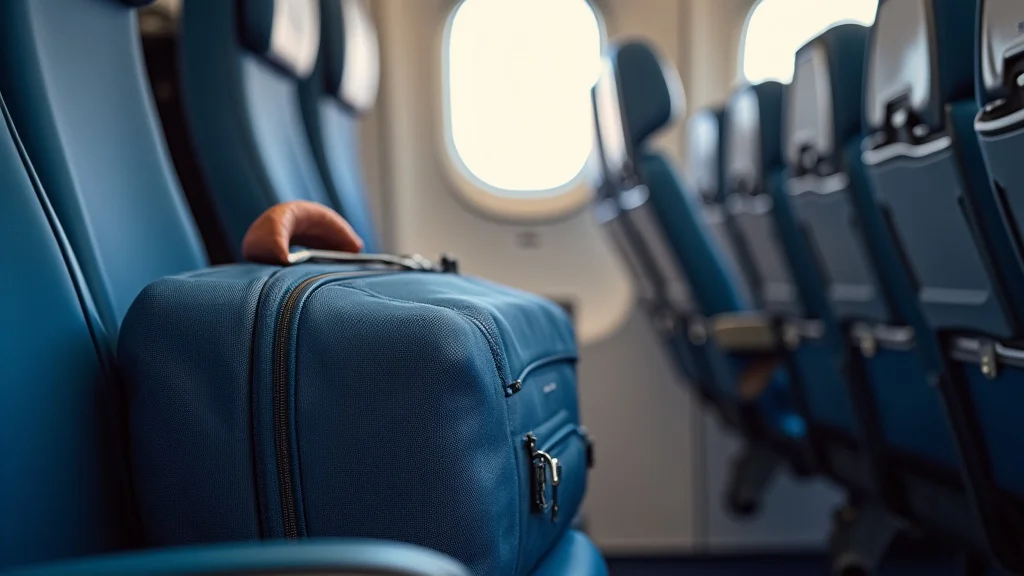
Remember that frantic feeling? You’re at the gate, boarding a packed flight, and desperately trying to jam your oversized carry-on into the overhead bin. Stressful, right? Instead of that scramble, imagine breezing onto the plane, your personal items neatly tucked away. This guide focuses on luggage under seat options, helping you travel smarter. We’ll explore the best strategies and choices so you can make the most of limited space, avoid baggage fees, and travel with ease. You’ll gain practical advice to simplify your trips, making travel less of a hassle and more enjoyable. Prepare for smoother travels and less stress.
Key Takeaways
- Learn the benefits of utilizing luggage under seat space.
- Discover different types of bags optimized for under-seat storage.
- Understand the important features to consider when choosing the right bag.
- Get packing tips to maximize space and efficiency.
- Find out about airline regulations regarding personal items.
- Explore accessory choices that improve your travel experience.
Maximizing Space with Luggage Under Seat
Traveling light has become increasingly important. Airlines are charging more for checked baggage, and overhead bins fill up quickly. Utilizing the space under the seat in front of you can be a game changer, offering several advantages. This space is usually free, providing extra storage without extra cost. Moreover, a bag placed under your seat remains accessible throughout your flight, allowing you to easily retrieve essential items like medication, snacks, or entertainment without bothering other passengers or waiting for the overhead bin to be opened.
Advantages of Under-Seat Luggage
Choosing to use luggage under seat offers many benefits for travelers, improving convenience and reducing travel expenses. The advantages go beyond just convenience, providing a more organized and stress-free travel experience. You’ll also find it safer and more practical compared to relying solely on overhead storage.
- Cost Savings: Airlines often charge fees for checked baggage. Utilizing under-seat luggage allows you to avoid these costs by carrying essentials onboard, helping you keep your travel budget in check. This is particularly useful for short trips or when you only require a few items.
- Easy Access: Unlike overhead bins, which can be difficult to reach during the flight, your under-seat bag is always within arm’s reach. This convenient location allows easy access to important items such as medications, electronic devices, books, or personal care products.
- Faster Boarding and Deplaning: With your personal items readily available, you can board and deplane quickly without waiting for overhead bin space or struggling with larger bags. This is especially helpful during tight connections or when you want to avoid crowded airport areas.
- Reduced Risk of Loss or Damage: Your under-seat bag stays with you throughout the flight, reducing the risk of your luggage being lost or damaged. This proximity also allows you to keep an eye on your belongings.
- Increased Legroom (Sometimes): Depending on the bag and aircraft, some under-seat luggage designs can be compact enough to maintain or even slightly increase available legroom.
Key Features to Consider
When selecting luggage under seat, several factors play a crucial role in its effectiveness and suitability. Consider how the bag’s features align with your travel style and needs. Paying attention to these elements will help you choose a bag that suits your travel plans. Different features can significantly impact your comfort and convenience.
- Size and Dimensions: The primary factor is the dimensions. Measure your available under-seat space on your usual aircraft. Most airlines have specific size limits for personal items. Look for bags designed to meet these restrictions. A few extra inches can make a big difference in capacity, but ensure it still fits easily under the seat without impeding legroom.
- Material and Durability: Choose materials that can withstand wear and tear. Look for water-resistant or waterproof options to protect your belongings from spills or rain. Durable materials like nylon or polyester often work well. Reinforced stitching and high-quality zippers are also necessary for ensuring longevity.
- Compartments and Organization: Internal compartments and organizers are essential. Consider bags with dedicated pockets for laptops, tablets, chargers, and other essentials. Look for features like multiple compartments, zippered pockets, and elastic straps to keep items secure and organized.
- Comfort and Portability: The bag’s design should be comfortable to carry. Consider bags with padded shoulder straps, a trolley sleeve (to attach to rolling luggage), or a top handle for easy carrying. Lightweight bags will be easier to manage, especially when loaded with belongings.
- Wheels and Handles: For added convenience, choose a rolling bag with durable wheels and a telescopic handle. The wheels should be smooth-rolling to help you maneuver through crowded airports. The handle should be sturdy and adjustable to your preferred height.
Airline Regulations and Policies
Understanding airline regulations is important when planning to utilize luggage under seat. Each airline has its own policies, though they are often similar, and knowing these rules can prevent issues at the gate. Check the dimensions and weight limits to make sure your bag meets the specific requirements of your airline. Failure to do so may result in penalties or the need to check your bag, which can ruin your travel plans.
- Personal Item vs. Carry-On: Airlines usually allow one personal item (such as a purse, briefcase, or laptop bag) and one carry-on bag. A personal item must fit under the seat, and carry-ons go in the overhead bin. Know the difference to ensure you are compliant with the rules.
- Size Restrictions: Most airlines provide specific size guidelines for personal items. Common dimensions are around 17 x 13 x 9 inches (43 x 33 x 23 cm), but this can vary. Always check your airline’s website for the most accurate and up-to-date information.
- Weight Limits: Some airlines have weight restrictions for personal items, although this is less common than size limits. Confirm whether your airline enforces weight limits for under-seat luggage to avoid surprise fees.
- Enforcement: Airlines enforce their baggage policies to manage space and ensure safety. Be prepared to have your bag measured at the gate. If it exceeds the size or weight restrictions, you may have to check it, and potentially pay fees.
- Specific Airline Rules: Before your trip, investigate the specific policies of the airline you are traveling with. For example, some budget airlines are stricter with size and weight limits than traditional carriers.
Choosing the Right Under-Seat Luggage
Selecting the correct type of luggage under seat is essential for optimizing your space and travel experience. Various options are designed to fit the under-seat area effectively. The selection depends on your travel style and what you plan to pack. From compact backpacks to rolling suitcases, each type offers distinct advantages. The key is to match your luggage choice with the type of travel you usually do, as well as the length of your trips.
Types of Under-Seat Bags
Several types of bags are designed to fit under the seat, each serving different travel needs. Each option offers unique advantages, ensuring you can find the perfect fit for your travel needs. Choosing the right bag depends on what you plan to pack and how you prefer to travel.
- Tote Bags: These are generally soft-sided bags, easy to mold into tight spaces. They’re often lightweight and come with various pockets and compartments. They’re a good choice for short trips.
- Backpacks: Backpacks distribute weight evenly, making them comfortable to carry. Many have features specifically for travel, such as laptop compartments and organizational pockets. They’re well-suited for travelers who like to keep their hands free.
- Rolling Suitcases: Small rolling suitcases often fit under the seat. They are a good choice if you prefer the convenience of wheels and a handle, especially for heavier items. Choose compact designs with durable wheels.
- Duffel Bags: These can be versatile, offering a lot of packing space. They are typically soft-sided, which helps them conform to under-seat dimensions. Choose a duffel with a structured base for better organization.
- Laptop Bags/Briefcases: If you travel for work, a laptop bag or briefcase might be your best bet. These usually include compartments designed to store laptops, tablets, documents, and other business essentials. Ensure they meet airline size restrictions.
Factors for Selecting a Bag
Choosing the right under-seat bag goes beyond simply finding one that fits. Several factors can improve how well a bag fits your particular travel needs. When selecting a bag, prioritize your specific travel habits. Take into account aspects like trip duration, the items you must carry, and your personal preferences for organization and carrying styles.
- Trip Duration: For short trips or weekend getaways, a smaller bag is enough. For longer trips, consider a larger bag with more storage capacity, but ensure it still fits under the seat.
- Items You Carry: The items you typically pack determine the bag’s size and features. If you carry a laptop, a bag with a padded laptop compartment is essential. If you often take many electronics, consider a bag with dedicated pockets for chargers and cables.
- Personal Style: Choose a bag that fits your style. Consider the bag’s design, color, and features. Comfort and aesthetics can enhance your travel experience.
- Travel Style: If you prefer hands-free travel, a backpack might be your best choice. If you prefer to roll your bag, a rolling suitcase may be the better option.
- Ease of Use: The bag must be easy to use. Prioritize bags with comfortable handles, smooth-rolling wheels (if applicable), and easy-to-access compartments.
Top-Rated Luggage Under Seat
There are many great options when it comes to luggage under seat. From Amazon to major retailers, you’ll find a variety of well-regarded bags. These suggestions include various types, sizes, and features to suit diverse travel preferences. Reviewing some of the top-rated choices can help you make an informed decision when it comes to choosing luggage.
Here are some examples of popular luggage under seat:
- The Travelpro Maxlite 5 Carry-On Underseat: A lightweight and durable rolling suitcase with excellent organizational features, loved for its smooth-rolling wheels and ample storage.
- The Samsonite Underseat Carry-On Spinner: A compact and stylish rolling bag praised for its durable construction, ease of use, and multi-directional spinner wheels.
- The Dagne Dover Landon Carryall Bag: A stylish tote bag made from neoprene, it’s known for its many compartments and organization, and its durability.
- The Vera Bradley Carry-On Rolling Bag: Stylish and practical, it offers multiple compartments and a durable construction, making it perfect for both short trips and longer stays.
- The Amazon Basics Underseat Carry-On Rolling Travel Luggage: A budget-friendly option that combines functionality and durability, it includes features such as multiple compartments and a telescopic handle.
Packing Strategies for Maximum Space
Efficient packing is essential to make the most of your luggage under seat. Proper packing can help you fit more in your bag. By carefully planning and organizing your belongings, you can maximize your bag’s space. These techniques help you to avoid overpacking and ensure your essential items are accessible.
Essential Packing Tips
Employing smart packing techniques helps to save space and improve organization. Consider these tips to maximize the amount of luggage you bring on your trips.
- Roll Your Clothes: Instead of folding clothes, roll them. This helps to save space and reduce wrinkles. Use packing cubes to keep everything in place.
- Utilize Packing Cubes: Packing cubes help to organize your belongings. Separate items by category (e.g., tops, bottoms, undergarments). This makes it easier to find what you need.
- Wear Your Heaviest Items: Wear bulky items like jackets or shoes. This reduces the amount of space needed in your bag. This is particularly useful when flying during colder times of the year.
- Use the Space in Your Shoes: Stuff socks, underwear, and other small items inside your shoes. This uses every inch of space effectively.
- Pack Travel-Sized Toiletries: Purchase travel-sized toiletries to save space and comply with airline liquid restrictions. Decant larger products into smaller containers for convenience.
- Plan Outfits: Plan your outfits ahead of time. This helps you to pack only what you need and avoid overpacking. Limit yourself to a few versatile items that can be mixed and matched.
Maximizing Space with Accessories
A few travel accessories can enhance packing efficiency and streamline the overall travel experience. These add-ons help to organize items in your bag, protect your belongings, and improve the overall functionality of your luggage. Using travel accessories helps to streamline your luggage and packing process.
- Compression Packing Cubes: Compression packing cubes compress your clothes, saving considerable space. They also keep your items organized and easy to find.
- Toiletry Bags: A well-organized toiletry bag keeps your essentials together and prevents spills. Look for bags that are water-resistant and have multiple compartments.
- Electronic Organizers: To organize chargers, cables, and other electronics, use an electronic organizer. This helps to prevent tangles and keeps your electronics accessible.
- Garment Bags: To protect your clothing, consider garment bags, especially if you have clothing items that wrinkle easily.
- Shoe Bags: To keep shoes separate from your clean clothes, use shoe bags. This prevents dirt and grime from contaminating your other items.
Real-Life Scenario: Efficient Packing
- The Scenario: Sarah is going on a four-day business trip. She needs to pack business attire, casual clothes, toiletries, and her laptop in an under-seat bag.
- Packing Plan: She starts by making a list of essential items, then selects a rolling under-seat suitcase with multiple compartments.
- Execution:
- Sarah rolls her clothes to save space.
- She uses packing cubes to separate her business and casual wear.
- Her toiletries go into a travel-sized kit.
- Her laptop and charger fit in dedicated compartments.
- She wears her bulkiest shoes to reduce space.
- Outcome: Sarah successfully fits everything into her under-seat bag, keeping it organized, accessible, and compliant with airline regulations. She avoids checked bag fees and navigates the airport with ease.
Accessories to Improve Your Travel Experience
Several accessories can improve your overall travel experience, going beyond just packing. They can enhance comfort, improve organization, and help you during your journey. From travel pillows to portable chargers, these accessories make traveling much more enjoyable and convenient.
Essential Travel Accessories
Certain accessories can significantly enhance your travel experience. They contribute to comfort, improve organization, and add convenience, making travel smoother and more enjoyable. These must-haves will help you feel prepared and comfortable, no matter how long your trip is or where you are going.
- Travel Pillow: A travel pillow supports your neck during long flights, reducing neck strain and promoting comfortable sleep.
- Eye Mask: An eye mask blocks out light, helping you sleep in various environments, even on planes.
- Earplugs or Noise-Canceling Headphones: Noise-canceling headphones or earplugs reduce noise from the environment, improving comfort and helping you to relax.
- Portable Charger: A portable charger ensures your devices stay powered, allowing you to stay connected and entertained during your trip.
- Travel Adapter: A travel adapter is necessary if you’re traveling to a location with different electrical outlets.
Tech and Comfort Enhancements
Technology and comfort enhancements play a significant role in improving the travel experience. These products can improve your comfort and help you stay connected, making travel more pleasant and functional. Consider tech that improves comfort as you travel.
- Tablet or E-reader: A tablet or e-reader provides entertainment, allowing you to watch movies, read books, and browse the internet during your trip.
- Noise-Canceling Headphones: Noise-canceling headphones block out the noise of planes, trains, and crowded environments, providing a quieter experience.
- Comfortable Headphones: Comfortable headphones that are on-ear or in-ear can provide a comfortable listening experience.
- Laptop Stand: A portable laptop stand can improve your posture while working on a laptop, reducing strain.
- Portable Wi-Fi Hotspot: A portable Wi-Fi hotspot provides internet access when traveling, helping you stay connected.
Real-Life Scenario: Accessory Usage
- The Scenario: John is on a long-haul flight and wants to make his journey as comfortable as possible.
- Prep: He packs a travel pillow, eye mask, and noise-canceling headphones in his under-seat bag for easy access.
- Implementation:
- As soon as he settles in, John inflates his travel pillow and puts on his eye mask.
- He starts a movie on his tablet, pairing it with his noise-canceling headphones.
- Outcome: John’s flight becomes a much more comfortable experience. He avoids neck strain, minimizes distractions, and gets rest easily.
Common Myths Debunked
Myth 1: Under-Seat Luggage Is Too Small to Be Useful
Many travelers believe that under-seat bags are too small to be practical. However, with smart packing, an under-seat bag can hold a lot more than you think. While it’s true that you must limit the space, you can still fit essential items like clothing for a few days, toiletries, electronics, and accessories. Utilizing packing techniques such as rolling clothes, using compression cubes, and selecting multi-use items can maximize space. This helps turn a small bag into a functional and effective travel companion.
Myth 2: Under-Seat Luggage Doesn’t Meet Airline Requirements
Some people think it’s easy to get caught out with an under-seat bag that does not comply with airline guidelines. Airline requirements vary, so researching the airline’s size and weight restrictions is key. Most airlines provide specific dimension guidelines for personal items. By choosing a bag that meets those measurements and verifying that it is compliant before you travel, you can eliminate this concern. Always check your airline’s website for the most current rules.
Myth 3: Under-Seat Luggage is Always Inconvenient
The myth that under-seat bags are always inconvenient often stems from the incorrect selection of bags or poor packing habits. However, with the right choice of bag and packing strategies, under-seat bags can be quite convenient. The goal is to choose a bag that fits your needs and is easily accessible. Bags with easy-to-reach pockets and compartments, plus thoughtfully organized contents, can make retrieving items effortless. They can also prevent the need to dig through your bag.
Myth 4: Under-Seat Luggage Offers No Legroom
A common misconception is that under-seat luggage severely limits legroom. It is true that some bags can take up a lot of space. However, many bags are specifically designed to maximize legroom. Selecting a compact bag with appropriate dimensions can minimize intrusion into your leg space. Consider options with curved or sloped sides, or those designed to fit snugly under the seat. These small considerations are often enough to make the difference in comfort.
Myth 5: Under-Seat Luggage is Only for Short Trips
People often believe under-seat luggage is only suitable for short trips. While great for weekend getaways, with a combination of clever packing and the right bag, you can extend its usefulness to longer journeys. Strategic packing, like clothing rolling, using packing cubes, and packing only essential items, can help maximize space. This way, under-seat bags can function effectively for longer stays, making them a more practical choice than many believe.
Frequently Asked Questions
Question: What size bag fits best under an airplane seat?
Answer: The ideal size varies by airline, but a bag that is approximately 17 x 13 x 9 inches (43 x 33 x 23 cm) generally fits. Always check your airline’s website for specific dimensions.
Question: Can I bring a rolling suitcase under the seat?
Answer: Some small, compact rolling suitcases can fit under the seat. Look for those designed to meet airline requirements and confirm that they meet the size limits.
Question: Are there weight limits for under-seat luggage?
Answer: Some airlines have weight limits for personal items, although this is less common than size restrictions. Verify your airline’s policy to prevent unexpected fees.
Question: Is it easier to access under-seat luggage than overhead bins?
Answer: Yes, under-seat luggage is easily accessible throughout your flight, allowing convenient access to essential items without disturbing other passengers.
Question: How can I maximize space in my under-seat bag?
Answer: Roll your clothes instead of folding them, use packing cubes to organize and compress items, and wear your bulkiest items to save space.
Final Thoughts
Utilizing luggage under seat offers a smart solution for travelers wanting a more convenient and cost-effective travel experience. You’ve explored the benefits, from cost savings to easy access. The right bag selection, packing techniques, and accessories can optimize your travel strategy. Remember to check airline size and weight limits and prioritize organization. This approach guarantees you stay compliant and makes the most of available space. You can avoid baggage fees and the scramble for overhead bin space. You’ll make boarding and deplaning a breeze, and enjoy a much more organized travel experience. Embrace the strategies we’ve discussed, select the correct gear, and streamline your next trip. Your journey will be less stressful and far more enjoyable.


Leave a Reply