
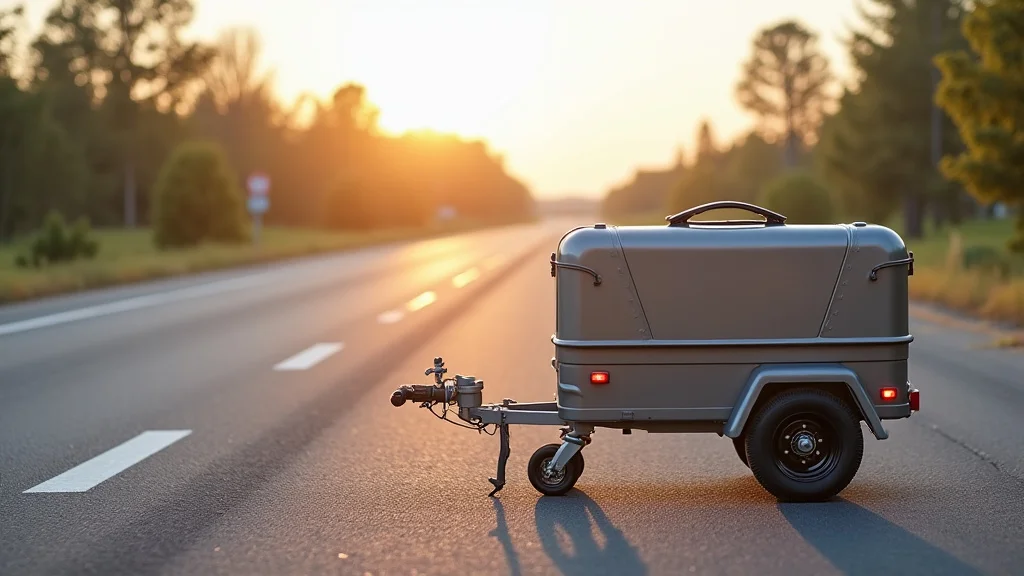
Picture this: you’re finally ready for that cross-country road trip you’ve been dreaming about. You’ve got your playlist ready, snacks packed, and your vehicle is tuned up. But wait, where will you put all your gear? Camping equipment, extra clothes, and everything else needed for a vacation quickly fills the car, leaving little room for passengers or comfort. That’s where a luggage trailer comes in. This guide will help you prepare for your travels, providing insights, tips, and everything you need to know about owning and using a luggage trailer effectively. You’ll learn about different types, towing, maintenance, and how to choose the right one for your needs, so your next adventure is smooth and worry-free. Get ready to explore the exciting possibilities that a luggage trailer can open up for you, ensuring your journeys are always comfortable and convenient.
Key Takeaways
- Explore various types of luggage trailers and their specific uses.
- Learn the necessary steps for safely towing a luggage trailer.
- Discover essential maintenance tips to keep your trailer in excellent shape.
- Understand how to choose the ideal luggage trailer for your travel requirements.
- Explore important safety considerations while using a luggage trailer.
- Uncover tips for packing a luggage trailer efficiently.
Choosing the Right Luggage Trailer for Your Needs
Selecting the correct luggage trailer is important for a successful and enjoyable trip. The market offers a wide variety of trailer types, each with its unique advantages. These trailers differ in size, design, and intended use, so it is necessary to pick one that complements your specific travel habits and vehicle capabilities. A poorly matched trailer can make the towing experience difficult and even unsafe, while the correct one guarantees extra storage space, making your travels simple. Before making a decision, consider your storage requirements, towing capacity, and the type of trips you usually undertake. This preparation ensures that you select a luggage trailer that perfectly fulfills your needs, providing convenience and peace of mind during your adventures.
Types of Luggage Trailers
Several types of luggage trailers are accessible, each constructed to accommodate different needs and preferences. Knowing these types assists you in choosing the best fit for your travel plans. Common variations include enclosed cargo trailers, open utility trailers, and specialized trailers. The decision will impact your packing method, storage capacity, and overall towing experience. Explore the following types to find the ideal match for your needs.
- Enclosed Cargo Trailers: These trailers offer fully enclosed storage, shielding your belongings from weather, theft, and damage. They come in various sizes and are great for transporting valuable items like camping gear, tools, or furniture. The enclosed design provides added security and protection, making them great for any environment.
- Open Utility Trailers: Open utility trailers have a flat bed with side rails. They are great for carrying bulky items or loads that don’t need complete protection. This type offers easy access for loading and unloading. Open trailers may be a good option for hauling yard waste, construction materials, or other equipment. The simplicity of open trailers makes them easy to maneuver and maintain.
- Specialized Trailers: Certain trailers are constructed for specific purposes, such as motorcycle trailers, boat trailers, or camping trailers. Motorcycle trailers are constructed to safely transport motorcycles, while boat trailers are made to carry boats. Camping trailers include living areas and amenities for comfortable camping experiences. The specialization gives these trailers unique features and capabilities.
Enclosed cargo trailers are a popular choice due to their versatility and protection. These trailers are fully sealed, protecting the contents from rain, dust, and other external factors. They commonly include features like rear doors and side doors for convenient loading and unloading. Various sizes allow you to select a trailer that meets your capacity requirements. These trailers are ideal for those who travel with sensitive or valuable items that require extra security and protection during transit.
Open utility trailers are great for moving large or awkwardly shaped objects. Their open design simplifies the loading and unloading process, allowing for quick access to your items. They are often less expensive and lighter than enclosed trailers, making them easier to tow. The lack of complete enclosure means your goods are exposed to the elements, so you’ll want to take steps to protect your items from weather damage.
Specialized trailers are designed to meet particular requirements. Motorcycle trailers often have built-in ramps and tie-down points for secure transportation of motorcycles. Boat trailers are engineered to support the weight and shape of boats, often including features like adjustable bunks and rollers. Camping trailers provide a comfortable mobile living space, complete with beds, kitchens, and bathrooms. Choosing a specialized trailer guarantees that your transport requirements are met with precision and safety.
Factors to Consider When Choosing a Trailer
Selecting the appropriate luggage trailer involves careful consideration of several factors. These elements affect the trailer’s compatibility with your vehicle, storage needs, and overall ease of use. A thorough evaluation of these factors will help you make a selection that perfectly suits your travel needs and makes your trips more fun and less stressful. Taking the time to evaluate these elements is a key step in picking a trailer that enhances your travel experiences.
- Size and Capacity: Evaluate the amount of cargo you usually carry to choose a trailer of the proper size and capacity. Measure your largest items to guarantee they fit comfortably.
- Towing Capacity: Make sure your vehicle’s towing capacity is suitable for the weight of the trailer and your loaded cargo. Exceeding your vehicle’s towing capacity can lead to performance concerns and safety hazards. Check your vehicle’s owner’s manual for its towing capabilities.
- Durability and Build Quality: Choose a trailer constructed with high-quality materials, such as a sturdy frame and weather-resistant components. Examine the trailer’s construction to make sure it can manage the conditions of your trips.
- Features and Accessories: Think about extra features, like ramp doors, tie-down points, and interior lighting. These features boost ease of use and safety. Accessories such as trailer brakes and spare tires are also great investments.
Consider the total weight of your goods to ensure the trailer’s capacity matches your needs. Also, think about the future, and decide if you may require extra space. The right size ensures you have adequate space without wasting money or towing excessive weight. Consider the weight limit of your vehicle too.
Knowing your vehicle’s towing capacity is important for safe towing. This capacity is determined by many factors, including engine size, transmission type, and braking system. Exceeding this limit can cause engine strain, decreased braking performance, and possible mechanical issues. Always remain within the specified limitations for a secure and dependable towing experience.
A trailer’s durability determines its longevity and capacity to handle the demands of frequent use and diverse environments. High-quality materials resist wear and tear, providing protection for your goods. Well-built trailers usually have better welding, rust protection, and dependable components like axles and tires. A strong trailer ensures peace of mind, knowing that your belongings are secured on the road.
Extra features can greatly enhance your towing experience. Ramp doors simplify loading and unloading heavy items like motorcycles or equipment. Tie-down points ensure your cargo is secured, avoiding movement during transit. Interior lighting helps you see inside the trailer in low-light conditions. Trailer brakes improve stopping power, and a spare tire prepares you for unexpected issues. Consider your demands and select features and accessories that will maximize convenience and safety.
Essential Towing Safety
Safe towing practices are important when using a luggage trailer. These safety measures ensure a secure and enjoyable towing experience. Prioritizing safety can help prevent accidents and safeguard both your equipment and your vehicle. Following these guidelines, you can improve your towing capabilities and travel with confidence.
Pre-Trip Inspection
Performing a thorough pre-trip inspection of your vehicle and trailer is a crucial step for safe towing. This inspection ensures everything is in working order before you depart. This simple activity can identify possible problems early, preventing mishaps on the road. The pre-trip check also helps you become familiar with your equipment, which makes towing simpler and more comfortable.
- Check Tires: Check the tires on both your vehicle and your trailer for proper inflation, tread depth, and general condition. Insufficient tire pressure can affect handling and fuel efficiency, while worn tires increase the risk of a blowout. Use a tire pressure gauge and inspect the tires for any cuts, bulges, or uneven wear.
- Verify Lights and Signals: Make sure that all lights and signals are functioning correctly, including brake lights, turn signals, and hazard lights. Have someone assist you in checking these lights to ensure they are visible and working properly.
- Inspect Hitch and Safety Chains: Inspect the hitch and safety chains to ensure they are properly connected and secure. The hitch should be correctly attached to your vehicle’s receiver, and the safety chains should be crossed under the hitch and securely fastened to your vehicle.
The condition of your tires is essential for the safety and stability of your towing setup. Proper inflation and tread depth provide optimal traction and control, while inspecting for damage can prevent a potential failure on the road. Remember to check the spare tire, also.
Functional lights and signals are critical for communication with other drivers. Brake lights warn drivers behind you that you’re slowing down, while turn signals indicate your intention to change lanes or turn. Ensure the wiring connections between your vehicle and trailer are secure and in good condition.
A secure connection between your vehicle and trailer is essential. The hitch must be rated for the weight of your trailer and cargo, and it should be properly installed. Safety chains act as a backup in the event of a hitch failure, preventing the trailer from separating completely from your vehicle. Always cross the safety chains under the hitch to catch the trailer’s tongue if it detaches.
Driving Techniques
Adopting appropriate driving techniques is essential for safe towing. These techniques are designed to handle the challenges of towing a trailer, ensuring a smooth and safe journey. Safe driving methods are important for preventing accidents and keeping your cargo and your vehicle safe on the road.
- Maintain a Safe Speed: Reduce your speed, particularly on highways and in unfavorable conditions. A luggage trailer impacts your vehicle’s handling, and traveling at reduced speeds gives you more time to respond to events.
- Increase Following Distance: Extend your following distance to provide enough room to react to unexpected actions by other vehicles. The increased stopping distance while towing requires a bigger space cushion.
- Be Aware of Turns and Maneuvers: Be careful when making turns and maneuvers, as a trailer increases the length of your vehicle and can change how it handles. Ensure that your vehicle and trailer clear the turn before continuing.
Maintaining a safe speed is vital for controlling your towing vehicle. Your braking distance will increase when you have a trailer attached, so decreasing your speed will give you more stopping time. Stick to speed limits, especially when you are towing in bad weather or on curves, and change your speed accordingly.
An increased following distance is vital when towing because it gives you more time to react to the actions of vehicles in front of you. This is very important when towing a luggage trailer because your stopping distance will be much greater than usual. Maintaining a safe distance from the vehicle in front of you can prevent accidents.
When towing a luggage trailer, you should be aware that turns and maneuvers are different from what you may be used to when driving without one. The trailer will follow a slightly different path than your vehicle, so you must account for this when making turns. Use your mirrors often to keep an eye on the trailer and ensure that it is following your vehicle’s movements.
Trailer Brakes and Weight Distribution
Correct brake and weight distribution are important for safe towing and preventing hazards. These factors affect your vehicle’s stopping performance and stability on the road. Proper setup ensures that your luggage trailer operates safely.
- Trailer Brakes: If your trailer weighs a certain amount, it may require trailer brakes. If your trailer has brakes, make sure they function correctly and are adjusted for your vehicle and load. Trailer brakes help in stopping the trailer more effectively and prevent it from pushing your vehicle.
- Weight Distribution: To ensure stability, properly distribute the weight within your trailer. Heavy things should be positioned near the axle, and weight should be distributed evenly from side to side.
Trailer brakes are important for maintaining control and security when towing heavy loads. They work in tandem with your vehicle’s brakes, distributing the stopping force and lowering the distance it takes to come to a stop. Maintaining your trailer’s brakes is extremely important for safe driving. Always inspect your brakes before you leave.
Proper weight distribution is essential for stable towing and maintaining control of your vehicle. Distribute heavier items closer to the trailer’s axle to decrease the risk of sway. Keeping the weight balanced from side to side prevents the trailer from tilting and improves stability. Distributing your cargo correctly also reduces wear and tear on your trailer and vehicle’s suspension.
Maintaining Your Luggage Trailer
Routine maintenance is essential for keeping your luggage trailer in excellent condition and guaranteeing a safe and dependable experience. Regular maintenance lengthens the trailer’s lifespan, avoids malfunctions, and protects your goods. By routinely inspecting and maintaining your luggage trailer, you can ensure that it is ready for any trip.
Regular Inspections
Routine inspections assist in identifying possible issues early on, preventing major problems and costly repairs down the road. Regular inspections provide confidence in your trailer’s dependability and safety. Performing regular inspections is a simple yet crucial step in luggage trailer ownership.
- Tire Condition: Check your tires for proper inflation, tread depth, and damage before each trip. Maintaining proper tire pressure and replacing worn tires will guarantee safety and improve fuel efficiency.
- Lights and Signals: Regularly check that the lights and signals on your trailer, including brake lights, turn signals, and hazard lights, are operating properly. Replacing broken bulbs and keeping wiring in good shape will help you communicate clearly with other drivers and avoid accidents.
- Hitch and Safety Chains: Inspect the hitch and safety chains before each journey, ensuring they are securely connected and free of wear and tear. A properly maintained hitch is essential for a safe connection between your vehicle and trailer. Check the safety chains for any damage and confirm they are properly attached to your vehicle.
Tires are essential to your trailer’s performance and safety. Regularly check the tire pressure to ensure it meets the manufacturer’s requirements. This can be found on a sticker on your trailer. Examine the tread depth with a gauge to guarantee enough grip on the road. Watch for cuts, bulges, and other damage, and change the tires if any are present. Keeping your trailer tires in good condition is vital for safe and smooth towing.
Properly working lights and signals are necessary for the safe operation of your luggage trailer. Perform a visual check of all lights before each trip, and have someone help you check the brake lights and turn signals. Examine the wiring for any damage or loose connections. Keeping your lights in working order is important to ensure your safety and other drivers on the road.
The hitch and safety chains are vital for keeping your luggage trailer connected to your vehicle. Carefully inspect the hitch for any indications of wear or corrosion, and ensure it is properly attached to your vehicle’s receiver. The safety chains must be crossed under the hitch and firmly attached to your vehicle’s frame. Regular inspection is key to maintaining a secure and safe towing experience.
Preventative Maintenance
Regular preventative maintenance is essential to avoid major problems and costly repairs. These actions prolong the lifespan of your trailer, assure its dependability, and safeguard your cargo. Preventative maintenance is an important investment in your trailer.
- Lubrication: Regularly grease the wheel bearings and hitch components. Lubrication helps to minimize wear and tear, and it guarantees smooth operation. Consult your owner’s manual for lubricant recommendations and maintenance intervals.
- Cleaning: Keep your trailer clean by washing it frequently to remove dirt, debris, and road salt. Cleaning stops the accumulation of corrosion and damage, which protects the trailer’s structural integrity. Pay special attention to the underside of the trailer, as this region is more vulnerable to corrosion.
- Storage: Store your trailer in a sheltered area, such as a garage or under a cover, when not in use. This protects it from the elements, minimizing exposure to moisture, UV rays, and extreme temperatures, which can damage the trailer’s components. Proper storage also reduces the chance of theft or vandalism.
Lubricating moving components is essential for the smooth operation and longevity of your luggage trailer. Wheel bearings should be greased on a regular schedule to prevent friction and overheating. Lubricate the hitch ball and other parts to minimize wear and make it easier to connect and disconnect the trailer. Lubrication will prolong the life of your trailer and improve its performance.
Regular cleaning is a basic yet effective maintenance practice. Cleaning your trailer removes accumulated dirt, grime, and road salt, which may cause corrosion over time. Clean the trailer’s outside, interior, and underside regularly. Use a pressure washer to remove debris and a safe cleaning solution to preserve the trailer’s finish. Cleaning your trailer also keeps it looking great.
Proper storage safeguards your luggage trailer when it’s not being used, preventing damage and prolonging its lifespan. Keep the trailer in a garage or under a cover to protect it from harsh weather. This minimizes moisture exposure, which can cause rust and other corrosion. Protecting the trailer from direct sunlight prevents fading and deterioration of the paint and other materials. Proper storage also protects the trailer from theft or vandalism.
Packing Your Luggage Trailer Efficiently
Packing your luggage trailer properly is essential for maximizing space, distributing weight properly, and ensuring a safe journey. Careful packing will simplify your loading and unloading procedures, keeping your cargo secure throughout your travels. Packing is not only about fitting everything; it is about organizing your belongings and preparing for a relaxing trip.
Organization and Planning
Effective organization and planning are important for a seamless packing experience. These steps assist in organizing your possessions and optimizing the space within your luggage trailer. Careful preparation ensures a stress-free travel experience.
- Make a Packing List: Make a comprehensive packing list before you start. Make a list of everything you need to bring and organize it by category. This list helps you avoid forgetting important items and makes packing much easier.
- Group Similar Items: Group similar things together. This includes clothing, camping equipment, and other items. This approach keeps your trailer arranged and makes locating particular goods easier when you arrive.
- Use Packing Cubes and Containers: Use packing cubes, containers, and boxes to keep things arranged and safe. This method maximizes space and helps to organize items. Clear containers help you quickly identify the contents.
A packing list will make the packing process smoother and more effective. Before you start packing, make a list of everything you need for your trip, from clothing and toiletries to equipment and gadgets. Organize items by category, such as clothing, camping gear, and kitchen supplies. Double-check your list as you load the trailer to make sure nothing is left behind.
Grouping similar items makes it easier to locate the goods you require when you are unpacking. Put all of your clothing together, camping equipment in a separate box, and kitchen items in another. Use packing cubes, containers, and boxes to keep your things organized and protected. This will also help distribute the weight evenly and prevent items from moving around during transit.
Utilizing packing cubes, containers, and boxes is a great way to maximize room and keep your things organized and protected. Packing cubes are great for storing clothes and smaller items, while durable containers are great for fragile or valuable objects. Clear containers let you rapidly see the contents, saving time when you are unloading. These items also assist in preventing goods from moving around during transportation, lowering the chance of damage.
Weight Distribution and Loading Techniques
Proper weight distribution is important for your luggage trailer‘s stability and safety. Knowing how to load your trailer properly will improve its performance. Loading your trailer correctly can make a big difference in how well it tows. By distributing your goods carefully, you can maximize safety and improve your travel experience.
- Place Heavy Items Near the Axle: Place heavy things close to the trailer’s axle to increase stability. This weight arrangement minimizes swaying and keeps your trailer steady during transit.
- Distribute Weight Evenly: Distribute the weight equally from side to side to keep the trailer stable. An unbalanced load may lead to handling problems and a risk of tipping. Balance the weight throughout the width of the trailer to ensure a smooth and even ride.
- Secure Items to Prevent Movement: Secure all things to keep them from shifting throughout transit. Use tie-down straps, bungee cords, or other securing devices to keep things from moving around and possibly causing damage or uneven weight distribution.
Placing heavy items close to the axle is a key part of weight distribution. The axle is the trailer’s center point of balance, and putting heavy things here reduces the impact of bumps and uneven road surfaces. This can also help to avoid trailer sway. This is especially helpful in enclosed trailers, where the heavier items can be placed near the center of the cargo area.
Distributing weight evenly is important for the trailer’s stability and safe towing. This involves distributing the load on both sides of the trailer to prevent it from leaning. This helps the trailer remain stable, especially on curves or when driving in windy conditions. Ensure that heavy goods are evenly distributed from side to side and from front to back.
Securing items is essential for preventing damage to your belongings and ensuring a safe journey. Use tie-down straps or bungee cords to secure large or loose objects. Make sure everything is packed carefully to prevent movement. Take a few minutes to check your cargo after you load it, and before you hit the road. This will help prevent issues and ensure a more comfortable and secure travel experience.
Common Myths Debunked
Several misconceptions surround luggage trailers and their operation. Dispersing these common myths will allow you to make informed decisions and experience your travels safely and effectively.
Myth 1: Any Car Can Tow Any Trailer
Reality: Not all vehicles are capable of towing any trailer. The towing capability of your vehicle is defined by its specifications, which must not be surpassed. Exceeding your vehicle’s towing capacity can lead to engine problems, braking issues, and safety hazards.
Myth 2: Trailer Sway Is Always Caused By High Winds
Reality: While high winds can contribute to trailer sway, it can also be caused by improper weight distribution, exceeding the trailer’s capacity, or driving at excessive speeds. Keeping the load properly distributed, keeping within the speed restrictions, and using a sway control device are all effective ways to prevent and control trailer sway.
Myth 3: You Do Not Need to Inspect a Trailer Before Every Trip
Reality: Regular inspections are crucial for ensuring the safety and dependability of your trailer. Tire pressure, lights, hitch connections, and safety chains must all be checked before each trip. This will help you detect any potential problems before they escalate.
Myth 4: A Bigger Trailer Is Always Better
Reality: While a bigger trailer offers more storage space, it may not be the ideal choice for everyone. A larger trailer adds extra weight, which can lower fuel efficiency and make handling more difficult. It’s best to select a trailer that meets your needs without being too large or cumbersome. Consider what you usually pack, and select a size that fulfills your requirements without excess space.
Myth 5: You Can Pack Anything in a Trailer
Reality: The contents of your luggage trailer should be carefully considered to maintain safety and prevent damage. Certain goods, like hazardous substances or live animals, should not be carried in a trailer. Be sure to understand local and federal regulations to prevent legal repercussions.
Frequently Asked Questions
Question: What is the maximum speed when towing a trailer?
Answer: The maximum speed varies depending on local rules, but is usually lower than the posted speed restriction for cars.
Question: How often should I service my luggage trailer?
Answer: The recommended service schedule is based on the manufacturer’s recommendations. Perform an inspection before each trip, and follow maintenance guidelines in your owner’s manual.
Question: Do I need a special license to tow a trailer?
Answer: Usually, no. However, state regulations differ. Check local laws for any unique licensing requirements.
Question: How should I react if my trailer starts to sway?
Answer: Gently remove your foot from the accelerator. Do not apply the brakes; instead, gradually decelerate until the sway is gone.
Question: How should I store my luggage trailer when not in use?
Answer: Keep your trailer in a covered area, such as a garage or under a cover, to safeguard it from the elements. Regularly inspect and clean the trailer while it is in storage.
Final Thoughts
Owning and using a luggage trailer can significantly enhance your travel experiences. From selecting the appropriate type to guaranteeing safe towing procedures, proper planning and maintenance are key to having a smooth and worry-free journey. Remember to carefully consider your storage requirements, your vehicle’s towing capabilities, and your preferred travel habits. By prioritizing safety, you’ll ensure that you’re well-prepared for any adventure. Routine maintenance and a careful packing approach will ensure that your trailer stays in excellent condition. Embrace the freedom and flexibility that a luggage trailer provides, and prepare for many amazing journeys to come. With the proper preparation, your next trip is sure to be comfortable, convenient, and packed with fun memories.


Leave a Reply