
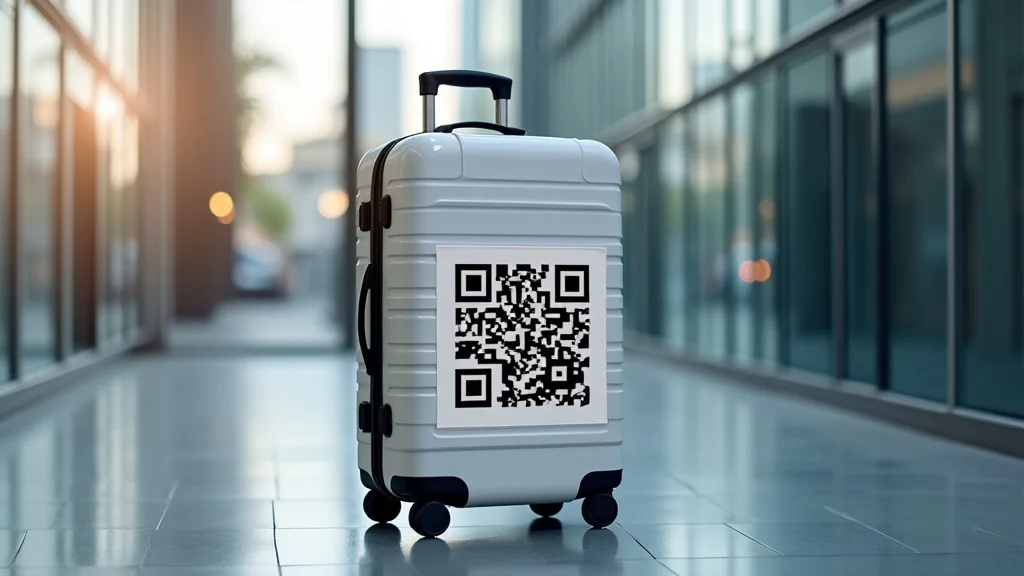
Picture this: you’re at the baggage claim, eager to start your vacation, but your suitcase is nowhere to be found. Frustrating, right? Lost luggage can turn a dream trip into a nightmare. However, the luggage QR code is changing things. This tiny square of information, often found on luggage tags, holds a treasure trove of data that could significantly increase your chances of getting your bag back if it goes astray. This guide explores everything you need to know, giving you peace of mind while you travel. By reading this, you’ll gain the knowledge to protect your belongings and a better grasp on how luggage QR code technology is improving travel safety and convenience.
Key Takeaways
- Discover how luggage QR codes function and the information they carry.
- Learn the advantages of using luggage QR codes for baggage tracking.
- Explore the different types of luggage tags and how to choose the right one.
- Understand the steps to create and attach a luggage QR code to your bags.
- Find out how airlines and airports use this technology to locate lost luggage.
- Gain insights into the future of luggage QR codes and travel security.
Unveiling the Power of Luggage QR Codes
At its core, a luggage QR code is a type of barcode. Unlike standard barcodes that only store a limited amount of data, a QR code can hold significantly more information. Think of it as a digital label. When scanned with a smartphone or a specialized reader, the code reveals crucial details about your luggage, facilitating faster and more efficient tracking in the event of loss. This information often includes your contact details, the bag’s unique identification number, and sometimes even a link to your baggage claim information. This helps streamline the recovery process, dramatically increasing the odds of reuniting you with your belongings.
How Luggage QR Codes Work
The mechanics of a luggage QR code are straightforward. The code itself is a two-dimensional barcode, a grid of black and white squares. These squares encode data. A device, like a smartphone camera or a dedicated scanner, reads this pattern and translates it into usable information. This information is then used to identify the bag and its owner. The scanning process is fast, efficient, and requires minimal technical expertise. This design is also what makes them so durable, as they can withstand wear and tear. They are designed to be easily read, even if the tag is slightly damaged.
-
Data Encoding: The QR code encodes a variety of data, including owner contact details, bag specifications, and tracking information. This is done through a specific arrangement of black and white squares within the code. The sequence of squares represents different data points, each corresponding to a specific piece of information.
This design allows a large volume of data to be stored within a small space. This makes them ideal for luggage tags, where the amount of available space is limited. The data can be easily updated or modified. If your contact information changes, for example, you can update the information associated with your QR code without replacing the entire tag.
-
Scanning and Decoding: When scanned by a smartphone or a dedicated scanner, the QR code’s pattern is interpreted, and the encoded data is displayed. The scanning process uses a camera to capture an image of the QR code. The software then analyzes the image, identifies the patterns, and decodes the data.
The decoding process happens quickly, allowing for efficient baggage tracking. You can scan the QR code using any smartphone with a camera and a QR code reader application, making the technology universally accessible. This means that airport staff, airlines, and even fellow travelers can scan your luggage QR code to get in contact with you.
-
Data Retrieval and Processing: The scanned data is used to identify the bag and initiate the process of contacting the owner and tracing the bag’s location. The information can be integrated with airline baggage systems for improved tracking, helping to quickly locate and reroute misplaced luggage.
The retrieved data is cross-referenced with airline databases to identify the bag’s intended destination and previous tracking information. This data helps airline staff to identify where your bag went wrong and where it needs to go next to be reunited with you. In the event of a lost bag, this information can trigger alerts for airline staff, enabling them to expedite the bag recovery process.
Data Stored on Luggage QR Codes
A well-designed luggage QR code contains essential information to assist in the recovery of lost bags. The core data points stored on the code significantly increase the chances of a successful reunion. This is a practical and convenient solution for any traveler. This data includes the owner’s name and contact information, the luggage’s unique identification number, airline and flight details, and sometimes even a link to baggage claim information. This helps expedite the process of retrieving luggage.
-
Owner Contact Information: Essential for immediate contact, this typically includes the owner’s name, phone number, and email address. This allows the airline or anyone who finds your bag to contact you directly. This enables rapid communication, which is crucial in reuniting lost luggage with its owner.
By providing multiple contact methods, such as a phone number and an email address, you increase the likelihood of being contacted promptly. It is also a good idea to ensure that the contact information is up-to-date. This ensures that you can be reached easily if your luggage is misplaced. This is an important detail that is often overlooked when preparing for a trip.
-
Bag Identification Number: A unique code assigned to each piece of luggage. This helps the airline’s baggage system track and manage each bag individually. This is useful for differentiating your bag from other similar bags.
This unique identifier is crucial for tracing the bag throughout its journey. The use of unique bag numbers makes the tracing process faster and more accurate. This helps minimize the risk of your bag being mixed up with other bags. The bag’s number can also be helpful when filing a lost luggage report.
-
Airline and Flight Details: This provides information about the flight the bag was supposed to be on, along with the destination. This data helps airline staff determine the bag’s intended route and final destination. The inclusion of this information facilitates faster identification of the bag’s location.
This information is particularly useful for identifying where the bag should be, and if it’s deviated from its planned route. In the event of a delay or a change in flight, this information is updated in the baggage system, helping the airline to update where the bag needs to go next.
Benefits of Luggage QR Codes for Travelers
Embracing luggage QR codes offers a variety of advantages for travelers. These benefits extend beyond just recovering lost luggage. They enhance the overall travel experience by providing peace of mind and reducing the stress associated with baggage handling. They are a valuable tool that streamlines the recovery process and increases the chances of a successful reunion.
-
Increased Recovery Rates: The primary advantage is the significant improvement in the chances of retrieving lost luggage. The information stored in the QR code helps speed up the process of identification and location. It is particularly helpful when a bag gets separated from its owner.
The streamlined process provided by the luggage QR code means that airlines are able to quickly start the process of reuniting you with your luggage. The QR code reduces the reliance on manual searches and lengthy descriptions of lost luggage. This streamlined process leads to increased efficiency, which improves the likelihood of a successful recovery.
-
Faster Identification: Quickly identifies the owner and provides essential bag details, saving valuable time during the recovery process. This saves valuable time that would otherwise be spent manually searching and processing information. This helps to reduce wait times and frustration for travelers, which is especially beneficial when delays and other issues arise.
The instantaneous data access from the scanned QR code allows for speedy identification and retrieval. It also reduces the need for the owner to go through the complex process of filing reports and explaining the lost bag’s characteristics, thereby making the process easier and quicker. This faster recovery time leads to an overall better travel experience.
-
Enhanced Security: QR codes provide a secure way to store contact information, minimizing the risk of unauthorized access. They are more secure than traditional paper tags that can be easily lost or tampered with. The digital storage ensures that information remains protected.
The code can be encrypted, which provides an added layer of security, safeguarding sensitive personal information. They can be encoded so that only those with proper scanning equipment can read the data, reducing the likelihood of data breaches. This protection gives travelers peace of mind, knowing that their private data is well-protected.
Choosing the Right Luggage Tag
The market provides various types of luggage tags, each offering specific benefits. Selecting the right tag involves considering factors like durability, ease of use, and the level of data security. You’ll want to select a tag that suits your individual needs and travel style. Some options include traditional tags with QR codes, smart tags with built-in tracking, and reusable tags. The correct choice provides added peace of mind.
Types of Luggage Tags
Selecting the right tag is essential for effective luggage QR code use. The luggage tag you choose should provide security. Consider the conditions your bags will experience during travel. Here are the most common types of luggage tags:
-
Traditional Tags with QR Codes: These are the most common and affordable options, featuring a QR code on a durable material. They are a simple and effective way to use QR code technology. They work well for travelers who want basic functionality and easy application.
These tags offer a balance of simplicity and functionality. They are usually made of plastic, vinyl, or other durable materials to withstand handling during travel. You can easily attach them to your luggage, and they provide an immediate benefit. They’re a good choice if you’re looking for an affordable solution that’s simple to use.
-
Smart Luggage Tags: These tags combine QR codes with other tracking technologies, such as GPS or Bluetooth. They can provide real-time location updates. They may require a paid subscription.
Smart tags provide advanced tracking capabilities. These tags utilize multiple technologies to monitor the luggage. They often have an app to alert you about your bag’s location. They offer an improved level of monitoring and are best for frequent travelers who want detailed tracking data. Be sure to select a tag that works well with your devices and your airline’s baggage handling process.
-
Reusable Luggage Tags: Designed for repeated use, these tags usually feature a transparent window or a slot to insert a card with your QR code and contact details. This can be more eco-friendly and cost-effective over time. These tags may also require a bit more effort to update your information.
Reusable tags can be a good choice for people who want to reduce waste and save money. They’re usually made of durable materials like leather or reinforced plastic. They can be useful if you travel frequently and want a tag you can keep reusing. The primary drawback of a reusable tag is the need to periodically update the information.
Factors to Consider When Choosing a Tag
When selecting a luggage QR code tag, consider factors such as durability, ease of use, and the amount of data it can store. The tag should be resilient to the rigors of travel. You should also consider the technology the tag uses. These considerations will guarantee your luggage is properly protected and that you have a hassle-free travel experience. Evaluate the security features and assess the long-term utility of the tag.
-
Durability: Choose a tag made from robust materials that can withstand rough handling. Look for water-resistant or waterproof options to protect your information in various conditions. This also ensures that the code remains readable even if the tag is subject to damage.
Consider tags made of materials like reinforced plastic, metal, or durable fabric. Check for features like reinforced attachment loops and UV resistance to prevent fading. A durable tag ensures that your information remains accessible throughout your travel.
-
Data Security: Consider how your personal data is protected, especially with smart tags. Research the data privacy policies of tag providers. Ensure your data is encrypted and cannot be accessed by unauthorized parties.
Always verify the data privacy policies of the tag’s manufacturer and app provider. The provider should provide a clear policy regarding the collection, use, and storage of your personal data. It is important to know whether your data is encrypted and whether there are options to limit the amount of personal information shared.
-
Ease of Use: The tag should be simple to attach to your luggage and easy to update or change information when necessary. Smart tags should have an easy-to-use app. Traditional tags should be easy to print and attach to your luggage.
The attachment mechanism should be secure. The information on the tag should be easily accessible to airport staff and anyone trying to help retrieve the luggage. Test the QR code to ensure it scans correctly. Make sure you can easily update the information, as travel plans and contact details frequently change.
Creating and Attaching Your Luggage QR Code
Creating and attaching a luggage QR code to your bags is a straightforward process. The most important elements are generating the code itself. Then you need to affix it securely to your luggage. Following these steps helps streamline the process of getting your luggage back, increasing the odds of a successful reunion with your bag if it goes missing.
Generating a Luggage QR Code
Generating a luggage QR code for your luggage is a simple process. Many websites and mobile applications provide this service, allowing you to create a QR code quickly and efficiently. These websites and apps allow you to input your contact information, bag details, and any other relevant information to be included in the code. Most services are free, though premium options are available with advanced features. Here’s a quick guide.
-
Selecting a QR Code Generator: There are many online platforms and apps. They let you generate a QR code for free. Ensure the generator supports the encoding of the required data (name, contact information, bag ID). Choose a reliable and secure platform to protect your data.
Some QR code generators are available for free, whereas others offer enhanced functionality through a paid subscription. Select a platform that matches your needs and provides a user-friendly interface. Reading reviews can help determine if the platform is reliable. Verify the platform’s data privacy policy to ensure that your contact details are protected.
-
Entering Your Information: Input the necessary details, including your name, phone number, email address, and a unique identifier for your bag. If your generator allows it, include links to your baggage claim details or additional information. Be sure to review the information for accuracy.
Be sure that your contact information is accurate and up-to-date. Ensure you provide multiple ways of contact. Adding a bag identifier helps differentiate your bag from others. The unique identifier is essential for associating the QR code with your luggage. Provide any other details that might help to recover the bag.
-
Downloading and Saving the Code: After entering your information, the generator will produce your QR code. Download the generated code in a high-resolution format (e.g., PNG or JPG). Save it to your computer or mobile device. This step allows you to prepare the QR code for printing or embedding it into your luggage tag.
Save the downloaded QR code to a secure place. This ensures that you can readily access the image later. Save the QR code in a file format that is suitable for printing. You may want to create a backup copy of the QR code in case the original is lost or damaged. This also provides flexibility if you decide to print multiple copies of your tag.
Attaching the QR Code to Your Luggage
Attaching the QR code to your luggage is a simple yet crucial step. Securing the tag and making it easy to scan can significantly impact your bag’s recovery. You should place it in a prominent location to enable easy scanning. The placement of the code increases the likelihood of a quick recovery. You want the QR code to survive the rigors of travel.
-
Printing the QR Code: Print the QR code onto a durable material, such as a self-adhesive label or a cardstock. You can use your home printer. This is also easily done at most printing services.
Use a high-quality printer. Print on a label that is water-resistant. This helps to protect your information. Choose a print size that is easily scannable and visible. Laminating the QR code or applying a protective coating can improve its durability. Select materials that are not easily torn.
-
Choosing the Right Attachment Method: Decide how you want to attach the QR code to your luggage. This could involve using a luggage tag holder, attaching the sticker directly, or using a self-adhesive tag protector. Consider the durability and the security of your chosen method.
A luggage tag holder provides a secure and reusable attachment option. Self-adhesive labels are simple to use. Ensure your chosen method is durable enough to withstand travel. Make sure the attachment method does not cover the QR code or obstruct the scanning process.
-
Securing the QR Code to Your Luggage: Carefully attach the QR code to your luggage, ensuring it is clearly visible and protected from damage. Make sure the QR code is in a visible location. If using a luggage tag, thread it through the handle securely.
Make sure you choose a spot that is unlikely to be damaged or torn off during travel. The best spot is a location where it will not be covered by other items. Test the attachment to ensure that the QR code is secure. Ensure that the luggage tag does not interfere with the movement or functionality of your luggage.
How Airlines and Airports Use Luggage QR Codes
Airlines and airports have embraced luggage QR codes as part of a strategy to improve baggage handling processes. They integrate the QR codes into their existing baggage tracking systems. They also use dedicated scanners to read the codes at various points in the baggage handling process. This aids in providing real-time tracking, reducing errors, and improving overall efficiency.
Integrating QR Codes into Baggage Tracking Systems
The integration of luggage QR codes within baggage tracking systems has revolutionized the handling of luggage. The use of QR codes streamlines baggage management, by helping to reduce instances of lost or misplaced luggage. When incorporated into airport systems, the scanning of these codes provides real-time information. This allows the airline to pinpoint the bag’s location. This makes it easier to track bags. This also makes the process more efficient.
-
Real-time Tracking and Monitoring: By scanning the QR code at each stage of the baggage journey, from check-in to loading, airlines can monitor the bag’s location. They know where a bag is at any given time. This can allow airlines to be proactive when there is an issue with a bag.
This tracking process enhances operational efficiency. It enables quick identification of bottlenecks. This allows for swift intervention to prevent delays. This constant monitoring provides a detailed history. This information helps in identifying and correcting issues in the process.
-
Data Synchronization with Existing Systems: QR code data is integrated with existing baggage handling systems. This allows for seamless data flow. The integration ensures that the bag’s information is quickly available to all relevant stakeholders.
The data from the QR code is matched with flight information and passenger details. This allows for the precise routing of each bag. This synchronization reduces manual data entry. It also helps to minimize errors and the potential for misplaced luggage. This streamlined process promotes more efficient and accurate operations.
-
Automated Sorting and Routing: QR codes automate the sorting process. Baggage can be sorted quickly and accurately, based on the information encoded. This reduces the time needed for manual sorting and minimizes human errors.
Automated systems use scanners to read the QR codes and direct the bags to their correct destinations. The automated system enhances efficiency and reduces manual labor. This automated process ensures quicker turnaround times. It also reduces the number of errors and minimizes the possibility of lost or misplaced luggage.
Airport Scanning and Processing Procedures
The implementation of scanners and processing procedures is at the core of the effectiveness of the luggage QR code system. Airport staff are trained to scan and process luggage. This training helps to standardize the way the codes are used. As baggage moves through the airport, these codes are scanned at key points in the journey. This helps to track and manage luggage more efficiently. The scanners gather data about the bag. This data is transmitted to the baggage tracking systems.
-
Scanning Points and Infrastructure: Strategic placement of scanners is key to ensuring that every piece of luggage is tracked. Scanners are placed at check-in counters, baggage handling areas, and loading docks. These strategic placements ensure that your luggage is tracked throughout the journey.
The scanners are positioned at all critical stages of baggage handling. These stations are essential for maintaining constant surveillance and efficient processing. This ensures that the baggage is tracked continuously from check-in through to its final destination. This continuous tracking helps to detect and manage problems swiftly.
-
Staff Training and Protocols: Airport staff receive training to effectively use scanning equipment and understand how to interpret QR code data. Airport staff are trained to quickly and accurately scan and process the data. This staff training is a key element in the proper operation of the system.
Training involves proper handling of the scanning equipment and the processes for resolving any issues. Proper protocols must be in place to ensure that all luggage is scanned and that the information collected is accurately recorded. Ongoing training helps staff remain current with technological updates and best practices. These training measures ensure the best results.
-
Data Handling and Security: All data collected by the scanners is managed securely. Airports have developed protocols to ensure passenger privacy and data security. The data is stored securely in compliance with the relevant data protection regulations.
The secure handling of sensitive data ensures that the information is used responsibly. Data encryption and secure storage methods are used to protect passengers’ information from unauthorized access. Regular audits and reviews maintain data integrity and safeguard against potential breaches. The security measures used are meant to build trust and guarantee the safety of passenger data.
Common Myths Debunked
Myth 1: Luggage QR Codes Are Easily Hacked
It’s a common misconception that luggage QR codes can be easily hacked, exposing your personal information. However, the reality is that the data stored within a QR code is not inherently vulnerable to hacking. The codes are passive, meaning they don’t actively transmit information or connect to the internet. The information is simply encoded and can be read by a scanning device. While some smart luggage tags utilize active technologies, such as GPS, to provide real-time tracking, these systems are usually secured with encryption and other security measures. You are better protected than you might think.
Myth 2: Luggage QR Codes Replace Traditional Tags
Some people think luggage QR codes are designed to replace traditional luggage tags entirely. However, they are an improvement rather than a complete replacement. Airlines continue to use traditional tags for basic identification. QR codes are a supplementary tool that enhances baggage tracking. They provide additional information and a more efficient method of tracking, improving the chances of recovering lost luggage. They are simply an additional tool to make the luggage recovery process more robust and easier for all involved.
Myth 3: All Luggage QR Codes Store the Same Information
The level of information stored varies based on the QR code creator. The core information stored usually includes the owner’s name and contact information. Additional information such as the bag’s unique identification number and airline flight details is commonly included. However, some advanced systems store more detailed information. This is based on the system in place. The amount of data stored depends on the service provider. Always verify what data you are sharing.
Myth 4: Luggage QR Codes Guarantee Lost Luggage Recovery
While luggage QR codes significantly improve the chances of retrieving lost luggage, they don’t guarantee that a bag will be returned. External factors, such as damage to the tag or system errors, can still impede recovery efforts. They are a tool to streamline the process. They provide extra information to assist in the recovery process. The recovery process can be impacted by factors beyond the code. However, the improved data collection and tracking abilities offered by QR codes greatly improve the odds.
Myth 5: All Smart Luggage Tags Are The Same
A frequent myth is that all smart luggage QR codes offer the same level of functionality. In reality, the technology used in smart tags varies greatly, from GPS tracking and Bluetooth connectivity to integrated weighing scales and other features. The capabilities vary based on the manufacturer and the price of the tag. You should research the different options and consider your individual needs. When buying, ensure that the features meet your travel requirements.
Frequently Asked Questions
Question: How do I create a luggage QR code?
Answer: You can create a luggage QR code using various online QR code generators or mobile apps. Simply input your contact information and bag details, and the generator will produce a code that you can print and attach to your luggage.
Question: Are luggage QR codes safe?
Answer: Luggage QR codes are generally safe. The codes themselves are passive and do not actively transmit data. Ensure you choose a reputable QR code generator. Always review the data privacy policies of the service provider.
Question: What happens if my luggage with a QR code is lost?
Answer: If your luggage is lost, airline staff or anyone who finds your bag can scan the QR code to access your contact information and bag details. This facilitates the recovery process, helping to reunite you with your luggage.
Question: Can I update the information on my luggage QR code?
Answer: Yes, most QR code generators allow you to update the information associated with your QR code. If your contact details change, you can update the information and regenerate your code or create a new tag.
Question: Do I need a special app to scan a luggage QR code?
Answer: No, most smartphones come with a built-in QR code scanner or can use a free QR code reader app. Simply point your smartphone camera at the code, and the information will be displayed.
Final Thoughts
The luggage QR code is a notable advancement in the world of travel. It provides a simple yet effective tool for improving baggage tracking and helping travelers recover lost luggage. When you explore this technology, you are taking a simple step. You are enhancing the security of your travels. By understanding how these codes work, selecting the right tags, and using them correctly, you can dramatically improve your chances of a successful luggage recovery. This is a practical and convenient solution. It gives you additional peace of mind on your next trip. Consider implementing this technology to make your journeys a little smoother.


Leave a Reply