
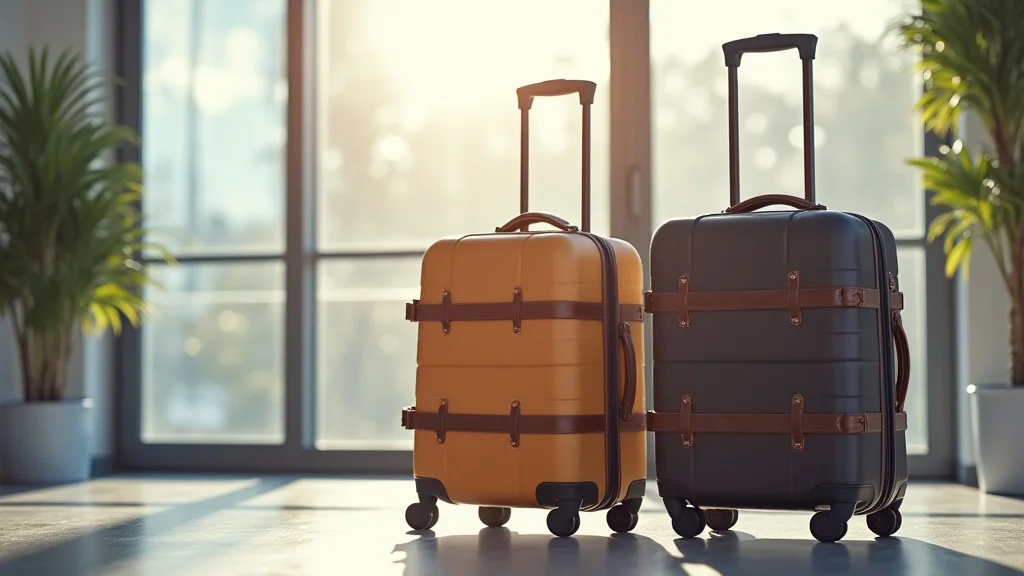
Remember that time you arrived at the airport, excited for your trip, only to discover your luggage had a broken handle? Or maybe the zipper gave out, spilling your carefully packed belongings onto the carousel? We’ve all been there! Choosing the right baggage can make or break your travel experience. This guide will help you select the ideal luggage, considering factors like trip duration, travel style, and budget. You’ll gain valuable insights into different types of luggage, materials, and features, ensuring a smoother, more enjoyable journey and significantly reducing potential travel hassles.
Key Takeaways
- Learn about the various types of luggage available, from carry-ons to checked bags.
- Discover how to choose the right size luggage for your specific travel needs.
- Understand the pros and cons of different luggage materials.
- Explore important features, such as wheels, handles, and locks.
- Get tips on packing your luggage efficiently.
- Find out how to care for your luggage to extend its lifespan.
Types of Luggage
The marketplace offers a wide array of luggage options, each designed for different types of trips and traveler preferences. Choosing the correct type is the first step toward a successful travel experience. Consider factors such as the length of your trip, the mode of transportation you’ll be using, and the amount of items you typically pack. Whether you prefer a lightweight carry-on or a spacious checked bag, exploring your options is essential. Selecting the right type of luggage can significantly improve the convenience and overall enjoyment of your travels.
Carry-On Luggage
Carry-on luggage is designed to fit in the overhead compartments of airplanes. This type offers several advantages, like avoiding checked bag fees and the potential for lost baggage. Carry-ons are usually smaller than checked bags, typically adhering to airline size restrictions (often around 22 x 14 x 9 inches). This makes them ideal for short trips or for travelers who prefer to pack light. However, their smaller size may limit the amount of items you can bring, making it less suitable for longer vacations or trips requiring bulkier items. They usually come with two or four wheels for easy maneuvering.
- Size and Dimensions: Carry-on luggage must meet airline size restrictions, usually around 22 x 14 x 9 inches, including handles and wheels. Always check your specific airline’s regulations before your trip.
- Weight Limits: Airlines also have weight restrictions for carry-on bags. These restrictions vary, but generally fall between 15-30 pounds. Check the weight with a portable luggage scale to avoid any surprises at the airport.
- Maneuverability: Consider whether you prefer a two-wheeled or a four-wheeled (spinner) carry-on. Four-wheeled bags are easier to maneuver through crowded areas and tight spaces.
Adhering to these dimensions helps ensure that your bag fits in the overhead bin. A bag that is too big may not be allowed on the flight, requiring you to check it at the gate and incur extra fees. Always measure your luggage before traveling to avoid any unexpected issues.
Overweight bags may be subject to extra charges, so it is important to pack strategically to stay within the limit. Choosing lightweight luggage materials can help, and so can the choice to carry some items in a smaller personal item, such as a backpack or purse.
They allow you to roll the bag in any direction, whereas two-wheeled bags need to be tilted. Think about your typical travel conditions and personal preferences when choosing the wheels. Consider ergonomic handles that are easy to grip and adjust. This reduces strain when moving your bag around.
Checked Luggage
Checked luggage is designed to be stored in the cargo hold of an airplane. Checked bags offer significantly more space than carry-ons, making them suitable for longer trips or those requiring many items. They come in various sizes and are often more durable to withstand the handling during transit. You can pack everything you want in checked luggage, but there are some things to think about before choosing this option. You will usually pay extra fees, and you might experience a delay in retrieving your luggage upon arrival at your destination. Make sure to pack any essentials in your carry-on in case of delays or loss.
- Size and Capacity: Checked bags come in a wide range of sizes, often measured in inches. Common sizes include medium (25-27 inches) and large (28-32 inches).
- Durability: Checked baggage must be robust enough to withstand rough handling during the loading and unloading process. Hard-shell luggage is often a good choice, offering better protection against impacts and damage.
- Security Features: Consider luggage with built-in locks or TSA-approved locks to secure your belongings. These can help to deter theft and provide an extra layer of security.
Choose a size based on your trip’s length and your packing needs. The capacity of checked luggage is often measured in liters. Choose a size that can accommodate your items and consider items like shoes or bulky jackets that take up a lot of space.
Look for luggage made from materials like polycarbonate or aluminum for added durability. Consider reinforced corners and sturdy zippers to protect your belongings during transport. Quality materials minimize the risk of damage during your travel.
TSA-approved locks allow security personnel to open your bag for inspection without damaging the lock. Choose a lock that is easy to use and provides peace of mind throughout your journey.
Specialty Luggage
In addition to carry-on and checked luggage, specialty luggage caters to specific travel needs. These include garment bags, designed to keep clothing wrinkle-free, and travel backpacks. These options serve niche purposes. Garment bags are ideal for business trips or events where formal wear is necessary. Travel backpacks offer a practical and versatile option for adventure travel or trips where you’re constantly on the go. Selecting specialty luggage can make your travel experience better. Consider the type of trip and the items you need to transport when choosing the right specialty luggage for your needs.
- Garment Bags: Garment bags are specifically designed to transport suits, dresses, and other formal attire. They keep clothes wrinkle-free and prevent damage.
- Travel Backpacks: Travel backpacks provide a hands-free option. They’re often designed with features like multiple compartments, padded straps, and water resistance.
- Duffel Bags: Duffel bags offer a flexible packing option. They typically have a large main compartment and may include exterior pockets.
They usually have compartments and hangers to secure your garments. This makes them ideal for business trips or events requiring formal wear. Choose a garment bag that’s easy to carry and fits your clothing.
These are suitable for backpacking trips, hiking, or any activity that requires you to move around a lot. Look for a backpack that is comfortable to carry and meets the size restrictions of your airline if you plan to use it as a carry-on. Select a size and style that suits your adventure.
They are suitable for casual travel, sports, or carrying bulky items. Look for a duffel bag made from durable materials. Consider one with a shoulder strap and carrying handles for ease of use. Consider the type of material and ease of use.
Choosing the Right Luggage Size
Choosing the correct luggage size is crucial for a comfortable and efficient travel experience. Selecting the right size ensures that you can accommodate all your essentials without exceeding weight limits or struggling with an oversized bag. The size you need depends on several factors, including the duration of your trip, the type of items you plan to pack, and your personal packing habits. Knowing these factors will allow you to make a suitable choice.
Trip Duration
The length of your trip is the primary factor in determining the appropriate luggage size. A short weekend getaway will require less space than a two-week vacation. Assessing the number of days you’ll be traveling will help you choose the right bag size.
- Short Trips (1-3 days): For short trips, a carry-on bag is often sufficient. This size provides enough space for a few outfits, toiletries, and other essentials.
- Medium Trips (4-7 days): A medium-sized checked bag is suitable for trips lasting about a week. This size allows you to pack more clothes, shoes, and toiletries.
- Long Trips (7+ days): For longer trips, a large checked bag is essential. This gives you ample space for a variety of clothes, accessories, and other necessities.
Choose a carry-on that meets airline size restrictions and is easy to maneuver. Packing light can make your travel stress-free.
Consider a bag with a capacity of around 60-80 liters. This size will accommodate your items and keep you within weight limits.
Look for a bag with a capacity of 80 liters or more. Remember to pack efficiently and consider the airline’s weight restrictions.
Packing Needs
Your packing needs significantly influence the size of luggage you choose. If you’re a minimalist traveler, you can probably get by with a smaller bag. But, if you tend to pack many items, you will need something larger. Carefully think about what items you will need, and that should dictate the size of your bag.
- Clothing: Estimate how many outfits you will need for your trip. Consider items that take up a lot of space, like coats and shoes.
- Shoes: Shoes can take up a lot of room. Plan to bring only the shoes you need.
- Toiletries and Accessories: Toiletries can take up significant space. Use travel-sized containers to minimize space.
Roll your clothes to save space and reduce wrinkles. Use packing cubes to organize and compress your items. The kind of trip will affect how many clothes you need.
Wear your bulkiest shoes on the plane to save space in your bag. Protect your other items from getting dirty by putting your shoes in shoe bags.
Consider the types of accessories you will need, such as jewelry, belts, and scarves. Organize them in separate pouches or compartments within your bag.
Travel Style
Your travel style impacts the size of luggage. Whether you prioritize convenience, outdoor adventures, or business trips is important. The type of travel determines what size bag you should take with you. Knowing your travel style can make packing and traveling easier.
- Business Travel: Business travelers need to pack professional attire and essential work items. A carry-on bag or a medium-sized checked bag is often sufficient.
- Adventure Travel: Adventure travelers should choose durable, versatile luggage that can withstand rough conditions. A travel backpack or a large checked bag is often required.
- Family Travel: Traveling with family usually means packing for multiple people. A large checked bag or multiple smaller bags are often necessary.
Choose a garment bag to keep clothes wrinkle-free. Pack all electronics and work documents in a secure, organized manner.
Opt for water-resistant and wear-resistant bags. Pack specialized gear like hiking boots and camping equipment.
Use packing cubes to organize each family member’s belongings. Prepare for unexpected situations by bringing extra clothes and essentials.
Materials and Features
The materials and features of your luggage influence its durability, usability, and overall travel experience. Choosing the right material ensures your bag can withstand wear and tear. Features such as wheels, handles, and locks can make your trip easier and safer. Looking into these factors can help you make a selection that meets your requirements.
Luggage Materials
The material of your luggage plays a critical role in its durability, weight, and overall performance. Different materials offer various benefits and drawbacks. Knowing the properties of each material helps you select luggage that is suited for your travel needs.
- Hard-Shell Luggage: Hard-shell luggage is made from materials like polycarbonate, ABS plastic, or aluminum. Hard shells are known for their strength and ability to protect your items from impacts.
- Soft-Sided Luggage: Soft-sided luggage is usually made from fabrics like nylon or polyester. These materials are generally lightweight and can offer more flexibility.
- Leather Luggage: Leather luggage is known for its classic style and durability. Genuine leather can be long-lasting.
Polycarbonate is lightweight and scratch-resistant. ABS plastic is more affordable. Aluminum offers superior durability but can be heavier. Hard-shell luggage is a good choice if you want to keep your belongings protected.
Nylon is water-resistant. Polyester is known for its durability and resistance to wear. Soft-sided luggage can expand slightly. It may be a better choice if you need to squeeze in extra items.
Leather is susceptible to scratches and can be heavy and require more maintenance than other materials. Leather can be expensive, but it offers a unique look.
Wheels, Handles, and Locks
The wheels, handles, and locks on your luggage enhance your mobility, convenience, and security while traveling. These features can significantly impact your experience. Choosing luggage with high-quality wheels, handles, and locks can make your travel easier and safer.
- Wheels: Luggage wheels are an important feature, particularly for navigating airports and other travel environments. Spinner wheels allow for 360-degree rotation. Two-wheeled bags are ideal for rolling on uneven surfaces.
- Handles: Telescoping handles should extend and retract smoothly. Ergonomic designs minimize strain on your arms and back.
- Locks: Locks help to protect the contents of your baggage from theft. Consider built-in or TSA-approved locks for security.
Look for wheels made from durable materials. The quality of the wheels can make it easier or harder to move your bag. Choose a design that fits your travel needs.
Choose a handle that fits your height. The handle should be securely attached. Test the handle before purchasing to ensure it’s easy to maneuver and adjust.
TSA-approved locks allow security personnel to open your bag without damaging the lock. Choose locks that are easy to use and durable. Keep your items secure with these features.
Additional Features
Many pieces of luggage come with additional features that can improve your travel experience. These added features can increase the usability and convenience of your bag. Considering these options can help you find luggage that suits your needs.
- Expandable Compartments: Expandable compartments can provide extra space. This gives you extra room for souvenirs or extra clothing.
- Interior Organization: Interior pockets, dividers, and compression straps make packing and unpacking easier. These features can help keep your belongings organized and secure.
- USB Charging Ports: Some luggage includes built-in USB charging ports. This is a convenient feature to keep your devices charged while on the move.
Consider bags that have expandable zippers. The extra space they offer will allow you to bring home any new items.
Packing cubes are also useful. Choose bags with interior organization to keep your items in order. This will help with the process of packing.
Make sure the luggage has a secure pocket for your power bank. Consider adding luggage with USB charging ports to keep your electronics charged.
Packing Your Luggage Efficiently
Packing efficiently can make your travels less stressful. Proper packing helps maximize space and minimizes the risk of damage or excess weight. Following these tips helps you make the most of your luggage space and keeps your belongings safe.
Packing Techniques
Employing effective packing techniques can help you save space and keep your items organized. These methods can maximize the space in your luggage and reduce wrinkles and damage. Knowing these techniques will make packing simpler.
- Rolling vs. Folding: Rolling your clothes can save space and minimize wrinkles. Folding clothes is a better choice if you want to keep them wrinkle-free.
- Using Packing Cubes: Packing cubes help organize your belongings. They separate your clothing, accessories, and other items.
- Layering Heavy Items: Place heavier items at the bottom of your suitcase, closest to the wheels. This will help maintain stability.
Consider the type of fabric and the nature of your trip. Experiment with both techniques. Decide which one is best for your clothes and trip.
They can also compress your clothes, saving space. Packing cubes can prevent items from shifting during transit. Using these will help to keep your items organized.
Layering heavier items will prevent your luggage from tipping. Position lighter items on top to avoid squashing them. This technique is useful for packing.
Maximizing Space
Making the most of the space inside your baggage is essential for comfortable travel. Employing the following methods can help you fit more items and reduce weight. Efficient packing allows you to bring everything you need while staying within weight limits.
- Utilizing Every Nook and Cranny: Use every available space. Fill shoes with socks and underwear.
- Choosing Travel-Sized Toiletries: Travel-sized toiletries save space and are essential for carry-on luggage. These meet airline regulations.
- Wearing Bulky Items: Wear bulky items, such as jackets and boots, on the plane to save space in your luggage. This prevents taking up space in your bag.
Use pockets and compartments to store small items. These areas can accommodate items that might otherwise take up space.
Consider purchasing refillable travel-sized bottles. This method will reduce the space taken by toiletries.
This trick is helpful if you have limited luggage space. Wearing larger items will lighten the load of your bag.
Weight Management
Managing the weight of your luggage is essential to avoid extra fees and potential problems. Staying within the airline’s limits can make your travels smoother. Here are some tactics to make sure your bags do not exceed the weight limits.
- Using a Luggage Scale: Weigh your luggage before you get to the airport to avoid surprise fees. This will help prevent issues with fees.
- Distributing Weight Evenly: Distribute the weight of your items evenly across your luggage. This will improve stability and balance.
- Checking Airline Weight Restrictions: Always check your airline’s weight restrictions. Know the restrictions to avoid extra charges.
Luggage scales come in handy for this purpose. Weigh your luggage at home to make sure your bag meets the requirements.
Balance the weight from side to side and top to bottom. Place heavier items towards the bottom near the wheels.
Pay attention to any specific guidelines on carry-on and checked luggage. Checking restrictions will let you know what to expect before you go.
Caring for Your Luggage
Taking care of your luggage ensures it lasts longer and stays in good condition. Proper maintenance will also protect your investment and make your travels easier. Cleaning, storage, and protecting your bags will let you get more out of them.
Cleaning Your Luggage
Regularly cleaning your luggage will keep it looking its best and prevent the buildup of dirt and grime. Follow these steps to clean different types of baggage materials. Taking care of your bags will extend their lifespan.
- Hard-Shell Luggage: Wipe down hard-shell luggage with a damp cloth and mild soap. This cleans your bags and prevents the buildup of grime.
- Soft-Sided Luggage: Spot-clean soft-sided luggage with a cloth and a mild detergent. Vacuum to remove loose dirt and debris.
- Leather Luggage: Use a leather cleaner and conditioner. This will keep leather luggage soft and supple.
Rinse with clean water and dry thoroughly. A proper cleaning can keep your luggage looking its best.
Test the detergent in an inconspicuous area before applying. Clean your bags often to keep them clean.
Test the cleaner in a hidden area first. Conditioning the leather will help to keep it from drying out.
Storage and Protection
Storing your luggage correctly protects it when not in use. Proper storage prevents damage and wear. Taking steps will ensure your bags remain in good condition. These will help your luggage last for many years to come.
- Storing in a Dry Place: Store your luggage in a dry, well-ventilated area. This will prevent mold and mildew growth.
- Using Luggage Covers: Consider using luggage covers to protect your bags from scratches and dirt during transit. Luggage covers will help shield your bag.
- Repairing Damage Promptly: Repair any damage to your luggage promptly. This will prevent small issues from becoming big ones.
Avoid areas with excessive moisture or extreme temperatures. A proper storage area will keep your bags in great shape.
Covers provide an extra layer of protection and can be easily removed and washed. This protection can save your bags from damage.
Replace broken wheels, zippers, or handles as soon as possible. Prompt repairs help extend the life of your luggage.
Handling and Maintenance
Proper handling and regular maintenance will preserve the quality of your luggage and extend its lifespan. These measures will ensure your baggage remains in good condition for many journeys. Taking care of your bags is a worthy task.
- Avoiding Overpacking: Avoid overpacking your luggage. Overpacking puts stress on the zippers, seams, and handles.
- Zipping and Unzipping with Care: Close zippers smoothly and carefully. Make sure the fabric is not caught in the zipper.
- Inspecting and Maintaining Hardware: Check and maintain the wheels, handles, and locks. Clean and lubricate moving parts as needed.
Packing light will minimize the wear and tear on your bag. Avoid packing too much in your luggage.
Rough handling can damage zippers. Always use your bag with care.
Proper maintenance helps keep all parts functioning. Regular maintenance will increase your bag’s lifespan.
Common Myths Debunked
Myth 1: Expensive Luggage Is Always Better
While high-end luggage often includes premium materials and features, a higher price tag doesn’t automatically mean better quality for your specific needs. The best baggage for you is one that suits your travel style, provides adequate protection, and fits your budget. Consider the materials, features, and construction, not just the brand or price, when making your decision. Evaluate based on your travel style and needs. It is important to compare and choose accordingly.
Myth 2: Hard-Shell Luggage Is Always More Durable
Hard-shell luggage is certainly resistant to impacts, but soft-sided baggage made from high-quality materials can be just as durable. The material and design of soft-sided luggage often provide some give, absorbing impacts instead of cracking. Look for reinforced corners and sturdy construction in soft-sided bags. The overall construction and materials are more important than the shell type in terms of overall durability. You can choose either one based on your personal needs.
Myth 3: You Need a TSA-Approved Lock for All Travel
While a TSA-approved lock is useful for domestic travel within the United States, it’s not essential for all trips. TSA-approved locks allow security personnel to open and inspect your baggage without breaking the lock. However, if you are traveling internationally, a standard lock might be acceptable, as TSA protocols don’t apply. Many countries have their own security procedures. Always review the regulations of your destination. You might not need TSA-approved locks.
Myth 4: Larger Luggage Is Always Better for Longer Trips
Larger luggage does offer more space, but it also increases the risk of overpacking and exceeding weight restrictions. It can also be more cumbersome to maneuver through crowded airports or train stations. Choose the right size for your trip based on your packing needs and travel style. Be realistic about what you need to bring and consider the airline’s weight limits. A smaller, well-organized bag can often be better than a large, overloaded one. This will help you travel with less stress.
Myth 5: All Luggage Materials Are Equally Water-Resistant
Not all luggage materials offer the same level of water resistance. Some materials like nylon and polyester are naturally water-resistant, while others, such as leather, may require special treatments. If you’re traveling to a location with frequent rain or snow, choose water-resistant luggage to protect your belongings from moisture. Look for bags with water-resistant coatings or fabrics. This extra protection can prevent damage to the contents of your baggage.
Frequently Asked Questions
Question: What’s the best type of luggage for air travel?
Answer: For air travel, a carry-on bag is convenient, avoiding checked bag fees and potential loss. If you need more space, a medium-sized, checked bag is often a good compromise.
Question: How do I choose the right luggage size?
Answer: Consider the length of your trip, the amount of items you’ll be packing, and your travel style (business, adventure, etc.) to determine the size.
Question: What are the main differences between hard-shell and soft-sided luggage?
Answer: Hard-shell luggage is known for its durability and impact resistance, while soft-sided luggage is usually lighter and more flexible, with the potential for expansion.
Question: Are TSA-approved locks necessary?
Answer: TSA-approved locks are useful for domestic travel within the United States, allowing security personnel to inspect your bag without damage. They’re not always necessary for international travel.
Question: How should I clean my luggage?
Answer: Hard-shell luggage can be wiped down with a damp cloth and mild soap. Soft-sided luggage should be spot-cleaned, and leather luggage requires a leather cleaner and conditioner.
Final Thoughts
Choosing the right luggage is an important part of your travel planning. Knowing about luggage types, sizes, materials, and features makes a difference. Remember the importance of taking care of your bags, too. Now that you’ve got the knowledge, go out and choose the perfect luggage for your upcoming trips. With these tips, you’ll be well-prepared to make smart choices. Pack your bags, explore with confidence, and make your travels unforgettable. Have a smooth and exciting travel experience with your ideal luggage!


Leave a Reply