
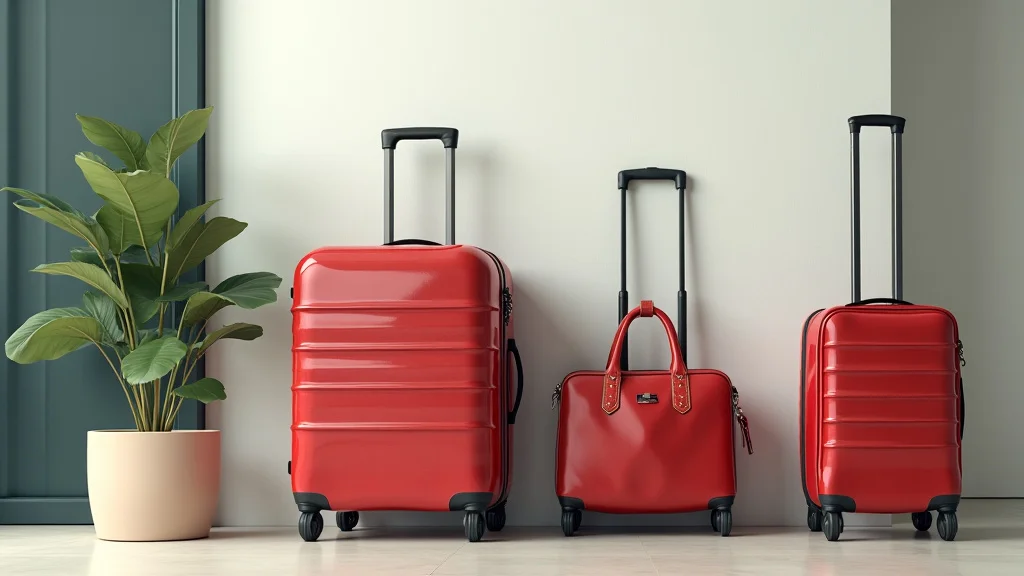
Picture this: you’re planning your dream trip to Italy. You’ve booked your flights, secured your accommodation, and made a list of all the amazing sights you want to see. But have you thought about your luggage? Knowing how to talk about luggage in Italian is important for a smooth travel experience. This guide will help you learn the essential vocabulary, so you can confidently shop for bags, describe your lost suitcase, or ask for help with your baggage at the airport. You’ll gain a deeper appreciation for Italian travel culture, leading to better experiences and more efficient communication while traveling.
Key Takeaways
- Learn essential Italian vocabulary for different types of luggage.
- Discover phrases for asking questions about your bags.
- Understand how to describe luggage characteristics.
- Get tips on handling luggage-related situations.
- Practice using Italian phrases for airport interactions.
- Become more confident when traveling in Italy.
Essential Vocabulary for Luggage in Italian
When you’re shopping for luggage in Italian, knowing the correct terms is essential. This section covers the fundamental vocabulary you will need. From suitcases to backpacks, you will explore the words needed to express your baggage preferences.
Suitcases and Bags
The core of any travel packing is, of course, the bags themselves. You’ll encounter different names for different styles, each with its unique characteristics and uses. Learning these terms can drastically improve your ability to communicate when browsing travel shops or discussing your plans.
- Valigia (Suitcase): This is the general term for a suitcase. It can be a hard-shell or soft-sided bag and is one of the most common types of baggage used for traveling.
- Trolley (Trolley Case): Often used for suitcases with wheels and a retractable handle, making them easier to pull through airports and stations.
- Zaino (Backpack): Commonly used for travelers who prefer to have their hands free. Backpacks are a popular choice for all sorts of travel.
- Borsa da viaggio (Travel Bag): A more general term for any type of bag used for travel. This can include anything from a small overnight bag to a larger duffel bag.
- Bagaglio a mano (Carry-on): This refers to luggage that can be brought onto a plane. Knowing this term can be useful at airports.
The term ‘valigia’ (suitcase) is a fundamental part of the luggage in Italian lexicon. It is a versatile word, suitable in most circumstances when referring to a suitcase. Understanding its use is vital when discussing size, material, or style.
The ‘trolley’ offers convenience with its built-in wheels and handle. The use of ‘trolley’ is quite widespread, showing how integrated it has become into everyday travel conversations. It’s especially useful for longer journeys.
The ‘zaino’ (backpack) is essential for those who want to be more mobile and have their hands free. This is especially true for exploring cities or walking through natural environments. When discussing backpacks, you may also discuss the material or the capacity.
This is a broader term covering various travel bag styles, offering flexibility in how you describe your luggage. The term is quite helpful when you do not want to specify a particular kind of bag. This also is used in situations where you might not know the exact type of bag.
This term relates to the specific size limitations applied by airlines. It is a key term in any dialogue about air travel. ‘Bagaglio a mano’ has important implications relating to the size and weight limits imposed by airlines.
Describing Luggage Features and Materials
In addition to knowing the bag types, you will need terms to describe specific characteristics. If you’re buying luggage in Italian, knowing words like “large” or “durable” will help.
- Grande/Piccolo (Large/Small): Essential adjectives for describing the size of your luggage.
- Duro/Morbido (Hard/Soft): Used to describe the material of a suitcase or bag.
- Leggero (Light): Useful for describing lightweight bags.
- Resistente (Durable): Describes the luggage’s ability to withstand wear and tear.
- In pelle/Tessuto (Leather/Fabric): Materials that the luggage is made from.
Size descriptions are crucial when selecting luggage. Knowing these terms can guide you, helping you choose the right bags.
Knowing if the material is soft or hard can influence your decision. Hard-shelled luggage offers great protection, while soft bags can be more flexible.
Light luggage is preferred by many travelers. This reduces the overall weight, making it easier to carry and possibly avoiding extra fees.
This is important for frequent travelers. Durable baggage is made to resist rough handling during transport.
The material determines the luggage’s appearance, feel, and durability. Leather often gives a classic look. Fabric offers variety in style and texture.
Practical Phrases for Luggage-Related Situations
Knowing some basic phrases will help you navigate a variety of situations. If you need to inquire about lost baggage, these phrases will be useful. Similarly, if you’re trying to describe what you’re looking for when shopping, you’ll need these too.
At the Airport
At the airport, you’ll be interacting with staff, potentially needing to report lost luggage, or asking for assistance. These phrases are helpful to know.
- “Dove posso ritirare il mio bagaglio?” (Where can I collect my luggage?)
- “Ho smarrito il mio bagaglio.” (I have lost my luggage.)
- “Il mio bagaglio è danneggiato.” (My luggage is damaged.)
- “Quanto costa il sovrappeso?” (How much does the overweight cost?)
- “Posso avere un carrello per i bagagli?” (Can I have a luggage cart?)
This phrase is essential upon arrival. It helps you navigate the airport and locate the baggage claim area.
In case of lost luggage, this is how you can inform the airport staff. Be ready to provide any descriptions of the baggage.
If your luggage arrives damaged, this phrase will help you report it to the airline staff. They can then assist you in filing a claim.
This is important if your luggage weighs more than the allowed limit. They can help you understand the charges for extra weight.
For ease of carrying bags, this is the right phrase for assistance.
Shopping for Luggage
When buying luggage in Italian, clear communication is essential. The following are a few phrases that can help you when in the shops.
- “Avete valigie più grandi/piccole?” (Do you have larger/smaller suitcases?)
- “Quanto costa questa valigia?” (How much does this suitcase cost?)
- “È resistente?” (Is it durable?)
- “Posso provare la valigia?” (Can I try the suitcase?)
- “Avete altri colori disponibili?” (Do you have other colors available?)
This lets the staff know your size requirements. It helps narrow down the options. The shop assistants can assist you in finding your ideal size.
Knowing the price is essential before making any purchase. It allows you to fit the item into your budget and know your options.
This helps you assess the quality and longevity of the product. The answer helps inform your buying decision. It ensures that the luggage will withstand the rigors of travel.
This allows you to test the luggage’s features. Trying out the functionality will give you a better idea of how it will perform.
This allows you to explore other options and find the color you like. If you have a specific color preference, it can help find something that matches your preferences.
Scenarios Involving Luggage in Italian
To put this vocabulary into practice, consider some scenarios you might encounter while traveling. These scenarios can help you test your understanding.
- You arrive at the airport in Rome and go to pick up your luggage, but it’s not on the carousel. You approach an airline representative and say, “Ho smarrito il mio bagaglio. Ho una valigia blu, grande, con una maniglia estensibile.” (I have lost my luggage. I have a large blue suitcase with an extendable handle.)
- You are in a shop in Florence, looking for a new travel bag. You ask the shop assistant, “Avete trolley più resistenti?” (Do you have more durable trolleys?) and describe your needs, “Cerco una borsa da viaggio in pelle, di medie dimensioni.” (I am looking for a medium-sized leather travel bag.)
- You’re at the check-in counter in Venice. The attendant tells you, “Il suo bagaglio a mano è troppo grande.” (Your carry-on luggage is too large). You respond by asking, “Quanto costa il sovrappeso?” (How much does the overweight cost?).
This scenario shows how to report lost baggage. It includes detailed descriptions of your bag. This can greatly improve the chances of recovery.
In this example, you are expressing your needs and preferences. You can get assistance from the shop staff, selecting the bag that’s right for you.
This scenario relates to an actual situation. Dealing with size limits and knowing the cost of overweight baggage are essential for safe travel.
The Evolution of Luggage Design and Usage
The methods and materials used to make luggage in Italian reflect the evolution of travel. Throughout history, the purpose of luggage has remained constant. Travelers need a safe way to move their personal items. But the way we move our items has changed over time. From trunks of the past to modern travel bags, changes have always been made to adapt to the needs of travelers.
From Trunks to Suitcases
The earliest forms of travel bags were trunks. The trunks of the past were heavy, designed for use in ships and trains. They were often made from wood. Then came the leather ones, used when traveling by automobile.
- 1800s: The earliest luggage consisted of large trunks. The design was to protect valuables during extended voyages. They were sturdy but not very portable.
- Early 1900s: The introduction of smaller, lighter suitcases. This was in part due to the rise of automobile travel. Leather bags became more common, and their design was much more portable.
- Mid-1900s: The advent of synthetic materials, such as nylon and plastic. This helped make luggage more durable and lightweight.
The early trunks show the design constraints of an era. The main consideration was to protect contents during lengthy journeys.
Suitcases were an evolution that prioritized portability. This change was influenced by new ways of traveling.
The development of new materials influenced the luggage’s design. These advances were driven by innovation. Durability and ease of use were prioritized.
The Impact of Air Travel
Air travel has had a huge influence on luggage. Restrictions on baggage size and weight meant that changes would have to be made. Designers responded to these restrictions by creating lighter and more compact luggage. Modern luggage in Italian also had to adapt to these new realities.
- Development of Carry-on Luggage: The rise of carry-on bags was in response to airline restrictions and fees. These bags needed to fit into overhead compartments.
- Introduction of Rolling Luggage: The rolling suitcase was a design innovation. The wheels made it easy to move the heavy luggage around.
The roll-aboard suitcase became an essential travel accessory. This has eased how people travel. It’s especially useful for navigating busy airports.
- Expansion of Luggage Categories: Airline regulations increased the variety of baggage available. This ensured that there were bags for any size or weight restrictions.
This trend shifted how people packed for their trips. This reduced the time spent at baggage claim.
The creation of different baggage types allowed travelers more choices. Travelers are able to select the bag size based on their journey requirements.
Modern Luggage Materials and Technology
Modern luggage in Italian makes use of innovative materials. Technology is being used in bags, improving the travel experience. The advances are designed to enhance durability and ease of use.
Advanced Materials
The materials are always evolving. From durable plastics to advanced fabrics, the latest advancements prioritize performance and sustainability. These materials make baggage last a long time.
- Polycarbonate: A lightweight and strong plastic that offers great impact resistance. This is common in hard-shell suitcases.
- Ballistic Nylon: A tough fabric that resists tears and abrasions. Frequently used in backpacks and soft-sided bags, it also protects contents well.
- Recycled Materials: The use of recycled plastics and fabrics is growing. This is a response to the need for sustainability.
Polycarbonate offers both strength and lightness. This is ideal for bags that need to withstand rough handling during transport. This also helps with the airline weight limit.
Ballistic nylon is valued for its durability. This is especially useful for bags that need to handle different environments. This helps to protect the bag’s contents.
Sustainability is essential. It is also important for people wanting to make more environmentally friendly decisions. These materials lower the impact of production.
Technological Integration
New technologies are also being used in luggage. This increases functionality, security, and convenience.
- Built-in USB Chargers: These allow you to charge electronic devices. This is great for keeping devices running while on the go.
- GPS Trackers: GPS technology is integrated into luggage. This makes it easier to track the bag’s location and to recover it if it gets lost.
- Smart Locks: These locks use keyless entry methods, like fingerprint scanners. They provide enhanced security compared to traditional locks.
This provides an easy way to charge devices. This is important for travelers, especially during long journeys. It helps to ensure that you can stay connected.
This technology provides greater peace of mind. GPS provides security in case of bag loss. The travelers can monitor their baggage.
Smart locks offer better protection from theft. This helps travelers feel confident about the security of their luggage.
Common Myths Debunked
Myth 1: Expensive luggage is always the most durable.
Reality: While the cost can indicate quality, it’s not always the case. The features, materials, and build can have a larger impact on durability. Some bags may have brand-name recognition but lack durability. Researching and reading reviews will give you more information.
Myth 2: Soft-sided luggage is less secure than hard-sided luggage.
Reality: Both can be secure with the correct features. The material type does not directly affect the security. Good locks and solid construction are what prevent the contents from being stolen. Some soft-sided luggage can provide additional protection, with integrated security features.
Myth 3: All carry-on bags have the same size restrictions.
Reality: The size and weight limits can differ depending on the airline. It’s very important to check the specifics of the airline’s policy before your trip. The dimensions can vary. This ensures that your carry-on luggage complies with the airline’s regulations.
Myth 4: You need to buy a whole luggage set at once.
Reality: This is not always necessary. Many travelers prefer to select bags based on their needs. Mixing and matching individual bags from different brands is quite common. Evaluate the types of trips you take most and choose the bags that suit your needs.
Myth 5: It’s impossible to repair damaged luggage.
Reality: Many luggage items can be repaired, extending their lifespan. Look for services that can fix broken zippers, wheels, and handles. Many manufacturers provide repair services or have partnerships with repair shops.
Frequently Asked Questions
Question: What’s the difference between a “trolley” and a “valigia”?
Answer: A “trolley” is a suitcase with wheels and a handle, while “valigia” is the general term for any suitcase.
Question: What do I say if my luggage is lost at the airport?
Answer: You can say, “Ho smarrito il mio bagaglio” (I have lost my luggage).
Question: What’s the word for “carry-on” luggage?
Answer: The word for carry-on luggage is “bagaglio a mano.”
Question: How do I ask how much something costs in Italian?
Answer: You can ask “Quanto costa.?” (How much does.cost?).
Question: Is it better to buy hard-sided or soft-sided luggage?
Answer: It depends on your needs. Hard-sided luggage offers better protection, while soft-sided luggage often has more flexibility and pockets.
Final Thoughts
Understanding how to discuss luggage in Italian can dramatically enrich your travel experiences. The vocabulary, as well as the phrases, can assist you at airports. They can also help you when shopping for the right bags. By learning the right terms, you will be able to shop with confidence. You can also describe your needs, handle unforeseen challenges, and communicate better with locals. So, the next time you prepare for an Italian vacation, embrace the language. Doing so can turn your trip into a more fluid and enjoyable experience. Make sure you pack those bags with the language skills you’ll need, and the Italian adventure will be even more memorable.


Leave a Reply