
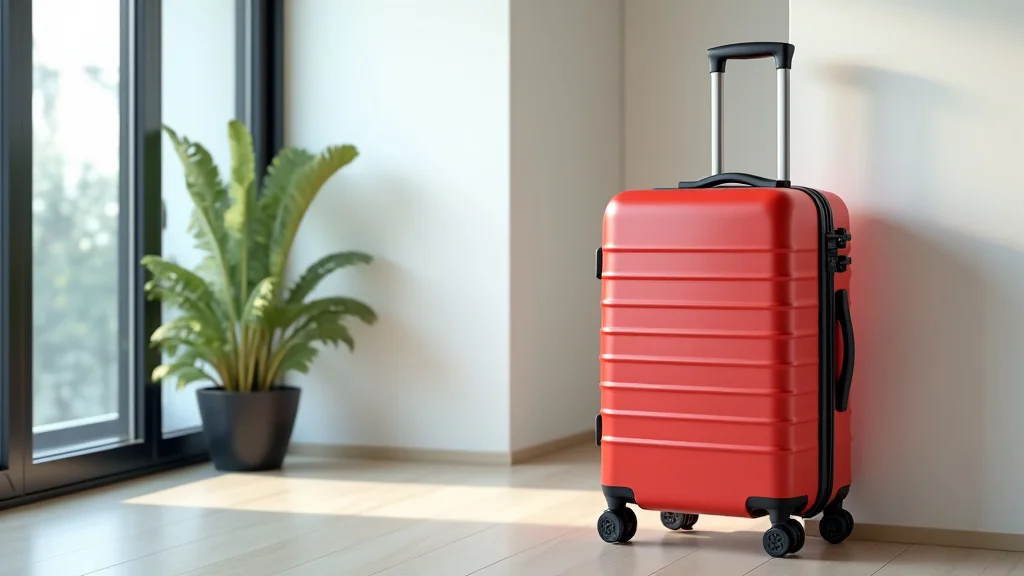
Picture this: you’re at the airport, ready for your much-needed vacation. Excitement bubbles, but then you spot it—your suitcase, bulging and looking like it might burst open at any moment. Does it hold everything you need, or is it a last-minute scramble to repack? Choosing the right luggage for women can make or break your travel experience. This post is all about helping you find the perfect travel companions, and figuring out what to look for when you’re shopping. You’ll gain valuable insights into different types of luggage, materials, features, and sizes, so you can travel with confidence and style. Get ready to explore how to choose the right luggage for women, ensuring smoother travels and more enjoyable trips.
Key Takeaways
- Understand the various types of luggage available to fit different travel needs.
- Learn how to choose the ideal size and capacity of your suitcase.
- Explore materials like hard-sided and soft-sided luggage and their pros and cons.
- Discover important features like wheels, handles, and internal organization.
- Gain tips on how to pick luggage that suits your individual travel style.
- Find out how to ensure that your luggage lasts through many journeys.
Different Types of Luggage for Women
Picking the right kind of luggage is essential when you’re traveling. The market offers a diverse range of options, each crafted to meet distinct needs. Knowing the variations allows you to choose what works best for your travel plans. Different luggage types can offer various features to make traveling easier and more convenient.
Carry-On Suitcases
Carry-on suitcases are designed to fit within the dimensions allowed for overhead storage on airplanes. They’re perfect for short trips or those who prefer to travel light. Carry-ons are usually small and easy to maneuver, making them great for navigating busy airports. They often have spinner wheels for easy movement and may include internal compartments for organization. Investing in a quality carry-on can help you avoid checked baggage fees and save time at the airport.
- Dimensions: Typically, carry-on luggage dimensions are around 22 x 14 x 9 inches (56 x 36 x 23 cm), including wheels and handles. It is important to check the specific airline’s size guidelines before traveling, as rules can differ.
- Wheel Systems: Most carry-ons have spinner wheels, offering 360-degree rotation. This allows for easy movement in any direction. Some carry-ons also come with two-wheel systems. Two-wheel systems usually provide greater stability over rough surfaces.
- Materials: Carry-ons can be made from hard-sided materials, such as polycarbonate or ABS plastic, offering more protection. They also can be made from soft-sided materials like nylon or polyester, which are lighter and more flexible.
The size is important because airlines enforce these rules to ensure the carry-on fits in the overhead compartments. If the luggage is too big, it might have to be checked, which could also require a fee.
Spinner wheels are best suited for smooth surfaces, while two-wheel systems might be a good choice for those who often navigate uneven terrains like cobblestone streets.
Choose the material based on the kind of protection you want and how important weight is to you. Hard-sided luggage is more durable against impacts, while soft-sided luggage can offer more give if you need to squeeze in extra items.
Checked Suitcases
Checked suitcases are bigger bags designed to be stowed in the aircraft’s cargo hold. They’re perfect for longer trips or when you need to pack more items. They usually come in different sizes, offering more space for clothing, shoes, and other travel essentials. Checked luggage needs to be sturdy because it is handled by airport staff, so materials like polycarbonate and aluminum are often used.
- Sizes: Checked luggage usually comes in three main sizes: small (up to 24 inches), medium (25-27 inches), and large (28-32 inches). The size you need depends on how long your trip is and the amount of items you’re planning to bring.
- Durability: Because checked suitcases go through tougher handling, durability is important. Hard-sided suitcases are usually a good choice because they resist impact and protect the contents inside. Look for reinforced corners and sturdy handles to help the bag survive the wear and tear of travel.
- Features: Checked suitcases often have multiple compartments, compression straps, and other features to help organize your belongings. Spinner wheels are common because they make the suitcase easier to move around. Telescopic handles, along with side handles, also offer convenient carrying.
A small checked suitcase is suitable for a week-long trip, while medium or large sizes work best for longer trips or vacations that require extra belongings. Consider the weight limits set by airlines before you pack to prevent fees.
Consider features like reinforced corners and strong zippers to ensure the luggage lasts for many trips. Materials such as polycarbonate and aluminum are favored for their durability.
Look for features that make packing and moving your luggage easier. Compression straps can help you save space, while multiple compartments can keep your items organized.
Duffel Bags
Duffel bags are soft-sided bags, usually cylindrical, with a large main compartment. They are a good choice for short trips, gym visits, or as a second bag for carrying extra items. Duffel bags are flexible and can often be squeezed into tight spaces. They’re a practical option for travelers who prefer a more relaxed approach to packing.
- Material: Duffel bags are often made from strong materials like canvas, nylon, or polyester, offering durability and flexibility. The material’s weight and water resistance should be considered, based on your needs.
- Capacity: Duffel bags vary in size. Choose one based on your packing needs. Consider the bag’s dimensions and how easily it can be carried, whether by a shoulder strap or handle.
- Features: Many duffel bags include features such as a shoulder strap, carrying handles, and extra pockets for organizing small items. Some may have a separate compartment for shoes or dirty clothes.
Nylon and polyester offer good water resistance, protecting your belongings from rain. Canvas duffel bags can be more stylish but might require extra care.
The size you need depends on your trip’s length and the amount of items you’re packing. If you’re traveling for a weekend, a smaller duffel bag should work perfectly, but for longer trips, you might need a bigger one.
A detachable shoulder strap offers different carrying options, and extra pockets are helpful for keeping your belongings organized. Separate shoe compartments can keep things clean.
Backpacks
Backpacks offer a hands-free method of carrying your belongings, making them great for adventure travel, hiking, or simply moving through crowded spaces. They distribute weight across your shoulders and back, which makes them comfortable to carry, especially when walking long distances. Backpacks come in many sizes and styles, including travel backpacks, which have extra features to make your trip easier.
- Types: Travel backpacks are designed with features that are suitable for air travel, such as a laptop compartment, multiple compartments for organization, and straps that can be tucked away to prevent snags. Hiking backpacks are made for outdoor activities and usually include a frame and more features for carrying gear.
- Capacity: Backpack capacity is measured in liters. Backpacks come in sizes from small daypacks to large travel backpacks. Choose the correct capacity based on how long you’re traveling and what you need to carry.
- Features: Travel backpacks usually have features like padded shoulder straps, a waist belt for distributing weight, and multiple compartments for organization. Some have a rain cover or a hidden pocket for valuables.
Choose the backpack based on the type of travel you’re doing. If you’re planning on flying, a travel backpack is the better choice. For hiking, a hiking backpack offers more support and features.
For shorter trips, you might be able to get away with a smaller backpack. For longer trips, you’ll need a larger capacity to carry clothes, toiletries, and other essentials.
Padded shoulder straps and a waist belt help make the backpack more comfortable to carry. Multiple compartments make organizing easier.
Choosing the Right Size and Capacity of Luggage for Women
Choosing the correct size and capacity of your luggage for women is important. It ensures you have enough room for your belongings without being burdened with an oversized bag. The right size will make your travels easier, more convenient, and more stress-free. Whether you’re heading for a weekend getaway or a long international trip, the size and capacity of your luggage can have a big impact on your overall experience.
Consider Trip Length
The duration of your trip is one of the biggest factors when choosing the correct luggage size. Shorter trips need less space, while longer trips require larger capacity suitcases. This means that you should consider how many days you’ll be gone when choosing what kind of luggage to buy.
- Weekend Getaways: For a weekend trip of two to three days, a carry-on suitcase or a small duffel bag is usually sufficient. You can fit clothes, toiletries, and any other essentials you need for a short getaway. These bags are easy to manage and perfect for quick trips.
- Week-Long Trips: A week-long vacation usually needs a medium-sized checked suitcase. This size is usually between 25 and 27 inches and provides enough space for a week’s worth of clothes, shoes, and toiletries.
- Longer Vacations: For trips lasting two weeks or more, you should go with a large checked suitcase (28 inches or more). This size is going to give you lots of room for all your clothes, shoes, and any other items you need to take.
A carry-on bag means you don’t have to check your luggage, saving time and avoiding baggage fees.
You may also need to consider taking a smaller carry-on bag for essential items and valuables that you’ll need with you on the plane.
For longer vacations, you might also want to take a carry-on for personal items and essential travel items.
Assess Your Packing Needs
Your packing needs depend on what kind of trip you are planning and the items you plan to bring. Thinking through what you’ll be taking is important because this will help you choose the size and capacity of your luggage for women. Do you intend to pack a lot of heavy items or bulky clothes? Consider the weight and volume of your belongings before deciding on your luggage.
- Clothing: How many outfits will you need? Will you need to bring clothes for different weather conditions, like cold-weather items or many changes of clothing? Consider what clothes you will be bringing with you, because this can influence how much space you’ll need.
- Shoes: Shoes can take up a lot of space, so you should make sure you consider the shoes you plan to take. Do you need a lot of shoes, such as dress shoes, hiking boots, or casual shoes? These will take up space.
- Toiletries: Toiletries are another thing to consider. Do you need a lot of toiletries like full-size bottles of shampoo and conditioner, or will travel-sized products work? Liquid restrictions for carry-on luggage may also affect the size of the bag you choose.
If you’re going to be in a place where you will need multiple outfits for different activities, you’ll need more space. This will usually mean you will need a larger suitcase.
If you need many pairs of shoes, you will likely need a larger suitcase. Consider wearing your bulkiest shoes to reduce the amount of space needed in your luggage.
If you plan to bring a lot of toiletries, you will need more space. If you’re flying, be sure to check the carry-on luggage rules for liquid amounts.
Check Airline Restrictions
Before you buy luggage, you should know the airline’s size and weight restrictions. Airlines have strict guidelines on what they will let you bring, and going over these rules can result in fees. Checking the airline’s policies will help you decide what luggage to buy, so you don’t have issues at the airport.
- Carry-on Limitations: Make sure your carry-on luggage fits the size limits set by the airline. If your carry-on is too big, you may have to check it, which means you’ll have to pay extra fees.
- Checked Baggage Limits: Airlines have weight limits for checked luggage, usually between 50 and 70 pounds. They also limit the size of checked bags, so be sure you know what the rules are.
- Avoid Overpacking: Pack carefully to avoid exceeding weight restrictions. Consider using packing cubes to compress clothes and stay organized, which will help you fit more in your suitcase.
Look at the airline’s size guidelines to know the maximum dimensions for carry-on luggage. Make sure to include the wheels and handles when you measure.
If your luggage exceeds these limits, you’ll have to pay extra fees. Weigh your luggage before you get to the airport to avoid any surprise charges.
Consider using a luggage scale to measure your luggage before you get to the airport. This can help you avoid any overweight charges.
Materials and Features to Consider for Luggage for Women
When selecting luggage for women, it’s key to look at the materials and features. They affect durability, functionality, and how easy the luggage is to use. Choosing the correct luggage materials and features will ensure that you have luggage that meets your specific travel needs, and that will stay with you on many trips.
Material Options
The material of your luggage is a huge factor in its durability, weight, and overall performance. Both hard-sided and soft-sided luggage have different advantages and disadvantages. It’s important to choose the material that best suits your travel style and needs.
- Hard-Sided Luggage: Hard-sided luggage, such as polycarbonate or ABS plastic, is durable and offers great protection for your belongings. It resists impact and is often water-resistant, protecting the contents inside. It has a smooth surface that’s easy to clean.
- Soft-Sided Luggage: Soft-sided luggage, typically made of nylon or polyester, is more flexible and can offer some give when packing. It’s often lighter than hard-sided options, making it easier to carry. It sometimes has outside pockets for easy access to your items.
- Hybrid Luggage: Hybrid luggage combines features of both hard-sided and soft-sided luggage, providing a balance of durability and flexibility. This is a good option if you want to get the best of both worlds.
This is a great choice if you need the highest level of protection from rough handling. However, it can sometimes be heavier than soft-sided luggage.
Soft-sided luggage might be easier to fit into small spaces, such as overhead compartments, because of its flexibility. It could be less protective of delicate items compared to hard-sided luggage.
These bags are made to offer both protection and storage space. Some hybrid options have hard fronts with soft sides.
Wheel and Handle Systems
The wheels and handle are key features that affect how easy your luggage is to maneuver. Choosing the right wheel and handle system can make a big difference, especially when you are navigating airports and other busy spaces.
- Wheel Types: Luggage usually has two types of wheels: inline skate wheels and spinner wheels. Spinner wheels rotate 360 degrees and offer great maneuverability, which is excellent for moving in any direction. Inline skate wheels usually only move forward and backward.
- Handle Design: Handles should be easy to grip and adjustable to match your height. Telescoping handles should extend and retract easily and lock securely. Good handles provide comfort and support, which makes your luggage easier to handle.
- Durability: Look for wheels and handles that are made from strong materials like aluminum or durable plastic. The materials should last through constant use. Test the wheels and handles by moving them around and checking the structure.
Spinner wheels are usually better for navigating crowded areas, while inline skate wheels might be better for rugged surfaces.
Before purchasing, test the handle to be sure it is comfortable. It should be tall enough that you don’t have to bend over when you pull your luggage.
Check the build quality of both the wheels and handle. The handle should have a secure locking mechanism. The wheels should move smoothly.
Internal and External Features
Additional features, both inside and outside the luggage, will make your travels easier. These features help you stay organized, keep your belongings safe, and make sure your travel experience is more enjoyable.
- Internal Organization: Look for luggage with internal compartments, such as zippered pockets and compression straps. These features help keep your items organized and in place, which reduces the chance of items shifting during travel.
- External Pockets: External pockets give you easy access to items like documents, tickets, or a water bottle. Choose luggage with pockets to meet your needs.
- Security Features: Look for features to protect your belongings from theft. Features like TSA-approved locks and secure zippers can increase the safety of your belongings. Some luggage includes anti-theft measures like slash-resistant materials.
Packing cubes can also provide extra organization. They can help you compress and organize your belongings.
Make sure any external pockets are secure and well-designed to prevent items from falling out.
If you’re traveling to a place where there is a risk of theft, choose luggage with strong security features to help protect your valuables.
Picking Luggage for Your Travel Style
Your travel style greatly influences what luggage is best for you. Whether you’re a frequent flyer or an occasional traveler, the correct luggage will make your travels more pleasant. The luggage that works for a business trip might be very different from the luggage needed for a vacation, so thinking about the kind of trip you take can help you decide what luggage to buy.
Frequent Business Travelers
Business travelers usually need luggage that is both professional-looking and functional. It should be designed for quick trips and allow them to take essential items while maintaining an organized look.
- Carry-On Suitcase: A carry-on suitcase is usually the perfect choice for business trips. This helps save time and prevents the risk of lost luggage. Pick one with a professional design and enough space for your business attire and other essentials.
- Features to Prioritize: Prioritize easy maneuverability and organization. Look for spinner wheels and a telescopic handle for quick navigation through airports and hotels. A separate laptop compartment and multiple interior compartments will help you remain organized.
A luggage scale can help you prevent exceeding weight limits.
- Professional Look: Choose luggage in neutral colors like black, navy, or gray. A sleek design and high-quality materials will ensure your luggage looks professional.
Make sure the carry-on has internal organization, such as a laptop compartment and pockets for business documents.
Look for luggage made from durable materials like polycarbonate or ballistic nylon, which are also easy to clean.
Adventure Travelers
Adventure travelers need luggage that is rugged and able to handle rough conditions. The luggage should be durable, weatherproof, and designed to move through various terrains.
- Backpack Choice: A travel backpack is a great choice for adventure. They are usually designed for comfort and the ability to distribute weight well. These bags offer storage and convenience.
- Durability and Features: Choose luggage made from durable, waterproof materials like ripstop nylon or other tough fabrics. Look for features like reinforced stitching, multiple compartments, and compression straps.
- Considerations for Comfort and Accessibility: Choose a backpack with padded shoulder straps, a waist belt, and a chest strap for comfort. Look for easy access to main compartments and external pockets for quick access to essentials.
Choose a backpack that is water-resistant and has lots of straps for attaching gear.
A rain cover will protect your luggage from weather and dirt. Consider a backpack with an external frame for extra support.
The correct backpack should be comfortable to carry for long periods. It should also be easy to get to the items you need.
Family Travelers
For family travelers, you will need luggage that can hold a lot of items and also stay organized. This luggage needs to be practical and meet the needs of all family members, which is why it should offer plenty of space, durability, and organization.
- Checked Suitcases: Checked suitcases are great for family travel, offering lots of space for multiple clothing sets, toys, and other essentials. Choose a set of suitcases in different sizes to meet various needs.
- Organization and Durability: Look for luggage with multiple compartments, packing cubes, and compression straps to help you organize your belongings. Durability is important, so pick luggage made from sturdy materials like polycarbonate or ballistic nylon.
- Additional Considerations: Choose luggage with features designed for children, like fun designs or built-in seats for kids. Make sure the luggage has handles on the top and sides for easy carrying and loading.
Look for suitcases that are easy to identify, with bright colors or unique patterns, making them stand out at baggage claim.
Choose suitcases with spinner wheels for easy movement, and handles that are comfortable and strong.
Think about how the luggage will be used by family members. Choose luggage that will make travel easier for you and your kids.
Ensuring Your Luggage Lasts
Proper care and maintenance are important to keeping your luggage in good condition for years. Following these practices will help extend the life of your luggage, so you don’t have to buy new bags all the time. Proper care of your luggage ensures it stays functional and looking good, whether you travel often or only occasionally.
Cleaning and Maintenance
Cleaning and maintenance will prevent your luggage from wearing down. Regular cleaning and attention to the materials help keep the luggage in great shape, so it will last through all your trips.
- Cleaning Methods: For hard-sided luggage, clean the exterior with mild soap and water. Remove scuffs and marks using a gentle cleaner. For soft-sided luggage, use a brush to get rid of dust and dirt.
- Storage: Store your luggage in a dry, cool place away from direct sunlight when you’re not using it. Stuff the luggage with packing paper to help it keep its shape and to prevent wrinkles.
- Repairs and Inspections: Do a regular inspection of your luggage, looking for any damage to zippers, wheels, and handles. If you find a problem, fix it right away to prevent further damage.
Avoid using harsh chemicals or abrasive cleaners, because they can harm the materials.
If you don’t have much room, you can nest smaller suitcases within larger ones to save space.
Think about getting a luggage repair kit to fix minor damage at home. If the damage is serious, take your luggage to a professional for repair.
Protection During Travel
Taking measures to protect your luggage during travel can help stop damage. Even with the sturdiest luggage, wear and tear will happen if you don’t take the correct steps. The following practices help you protect your luggage during transport.
- Luggage Covers: Use a luggage cover to protect your luggage from scratches, dirt, and wet conditions. This can be especially useful for checked luggage.
- Protective Packing: Pack fragile items with padding. Use bubble wrap or clothing to protect them. This will reduce the risk of damage during travel.
- Awareness in Public: Be aware of your surroundings, particularly when you’re moving luggage in crowded areas or airports. Watch out for hazards like sharp objects or uneven surfaces that could damage your luggage.
Choose a cover that fits your luggage snugly, is water-resistant, and is made from durable materials. This will provide an extra layer of protection.
Put your most delicate belongings in the center of the suitcase. Surround them with clothes, towels, or other soft items to give extra cushioning.
When you’re waiting in line or using public transport, keep your luggage close to prevent theft or accidental damage.
Long-Term Care and Tips
Extending the life of your luggage means more than just cleaning and protection. The following practices help your luggage stay in great condition for years to come.
- Material Care: Know the materials your luggage is made from and follow the manufacturer’s directions for care. This will help you keep the materials safe and prevent damage.
- Proper Usage: Don’t overload your luggage. Overpacking causes stress to the zippers, seams, and handles, which can cause them to break.
- Professional Care: Take your luggage to a professional repair service if you have major damage. Professionals have the tools and expertise to repair issues and extend the lifespan of your luggage.
Some materials need special care. For example, leather luggage needs to be treated with a leather conditioner.
If you have to close your suitcase forcefully, it’s probably too full.
Knowing when to call in experts will save you time and money.
Common Myths Debunked
Myth 1: Expensive luggage is always better.
The idea that the most expensive luggage is always the best is wrong. While premium luggage often uses high-quality materials and has innovative features, it may not suit everyone’s needs. The best luggage is the luggage that meets your specific requirements. You can discover great quality at many price points.
Myth 2: Hard-sided luggage is more durable than soft-sided.
While hard-sided luggage is known for its impact resistance, soft-sided luggage can also be durable. Soft-sided bags, usually made of materials like nylon or polyester, often resist scratches and can absorb impacts better. Each type of luggage has its own benefits. Soft-sided luggage might be easier to move around.
Myth 3: You have to buy a matching luggage set.
Many travelers believe you have to buy a matching luggage set. Matching sets are convenient, but they aren’t always necessary. You can mix and match different bags to meet your individual needs. This can be useful if you need to have a lot of storage options.
Myth 4: Spinner wheels are always the best.
Spinner wheels are very popular for their maneuverability. However, they aren’t always best. While spinner wheels are great for navigating smooth surfaces, two-wheel luggage may be more stable on rough terrains. Choose the type of wheel that will meet the conditions of your trips.
Myth 5: Bigger luggage is always better.
It’s easy to assume that the largest suitcase is the best option, but this isn’t true. Bigger luggage might be tempting, but it can lead to overpacking and exceeding weight limits. Think about your trip’s length and needs before choosing the correct size. The best luggage size is the size that best meets your needs.
Frequently Asked Questions
Question: What is the best material for luggage?
Answer: The best material for luggage depends on your needs. Hard-sided luggage (polycarbonate, ABS) offers great protection. Soft-sided luggage (nylon, polyester) is usually lighter and more flexible.
Question: What size luggage should I bring for a week-long trip?
Answer: A medium-sized checked suitcase (25-27 inches) usually is best for a week-long trip, which gives you plenty of space for your belongings.
Question: Are spinner wheels or two-wheel luggage better?
Answer: Spinner wheels give excellent maneuverability, especially in busy spaces. Two-wheel luggage is more stable on rough surfaces. The better option depends on your travel needs.
Question: How do I measure my luggage?
Answer: Measure your luggage by adding the length, width, and depth to figure out the total dimensions. Be sure to include the wheels and handles.
Question: How can I protect my luggage from damage?
Answer: Use luggage covers, pack fragile items with padding, and be careful of your surroundings to prevent damage.
Final Thoughts
When it comes to luggage for women, the right choice means more than just having a bag to carry your belongings. It means having a reliable travel companion designed to meet your specific needs and match your personal style. By carefully considering the different types of luggage, the best materials, and all the features, you can easily discover the perfect suitcase. Remember to think about the length of your trip, the amount of items you’re planning to pack, and your travel style when making your decision. Proper care and maintenance of your luggage will ensure it is with you on many future journeys. With the right luggage, you can be sure that your travels are easier, more organized, and more enjoyable, allowing you to focus on the best part of traveling.


Leave a Reply