
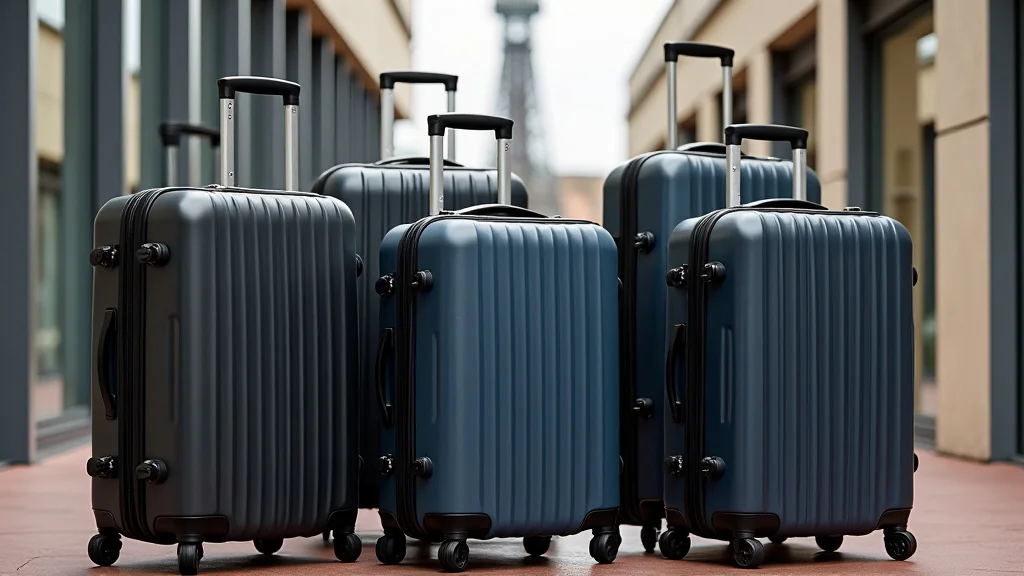
Remember that time you landed in Rome, excited to explore, only to realize your suitcase had exploded, leaving your socks strewn across the baggage carousel? Or that meeting where your briefcase buckle gave way, revealing your…well, everything? Finding the right luggage for men is more than just about carrying your belongings; it’s about making a statement and ensuring a smooth travel experience. This guide will help you select the ideal travel companion, from carry-ons to checked bags, ensuring you’re prepared for any adventure. You’ll learn how to choose the best materials, sizes, and styles that fit your lifestyle and needs, saving you time and stress, and boosting your confidence during trips.
Key Takeaways
- Learn about different types of luggage for men, including suitcases, backpacks, and duffel bags.
- Understand the importance of selecting the right size and capacity based on your travel needs.
- Discover various materials used in luggage construction and their advantages.
- Explore key features like wheels, handles, and compartments that enhance functionality.
- Find advice on choosing the perfect luggage style to match your personal aesthetic.
- Get tips on maintaining and caring for your luggage to extend its lifespan.
Exploring Different Types of Luggage for Men
The first step in selecting the right luggage for men is understanding the various types available. Each option has its own set of advantages, catering to different travel styles and situations. Whether you’re a frequent flyer or an occasional weekend adventurer, knowing your choices is the key to a good choice.
Suitcases for the Modern Traveler
Suitcases are the workhorses of the travel industry, coming in hard-shell and soft-shell varieties. Hard-shell suitcases, typically made from materials like polycarbonate or ABS plastic, offer excellent protection for your belongings, making them ideal for air travel. Soft-shell suitcases, usually made from nylon or polyester, are more flexible and often have external pockets, providing easier access to essentials. Both options come in various sizes, from compact carry-ons to large checked bags.
- Hard-Shell Suitcases: They’re exceptionally resilient, protecting your items from impacts during transit. However, they may be less forgiving when it comes to squeezing into tight spaces.
- Soft-Shell Suitcases: Soft-shell suitcases are often lighter and offer expandable compartments. They usually have external pockets for storing items you need to access quickly, such as your passport or toiletries.
- Carry-On Suitcases: These are designed to meet airline size restrictions, allowing you to bring your luggage on board. They usually have a capacity of around 30-50 liters.
- Checked Suitcases: These are larger bags designed to be checked at the airline counter. They usually have a capacity of 60-100 liters or more.
For example, a hard-shell suitcase can withstand rough handling on a flight, keeping fragile items like electronics and souvenirs safe. The rigid exterior prevents crushing or bending, which can be critical for valuables.
A soft-shell suitcase can be easier to fit into overhead bins or smaller car trunks. Their flexibility can also be an advantage when you need to squeeze into a crowded space.
Carry-ons are ideal for short trips or for those who prefer to avoid the hassle of checked baggage. They provide easy access to your belongings throughout your journey, and you can avoid baggage fees.
Checked suitcases are necessary for longer trips or when you need to pack more items. They provide ample space for clothing, accessories, and other travel essentials. However, there may be baggage fees, and you’ll need to allow extra time at the airport for check-in and pick-up.
Backpacks for the Adventurous Man
Backpacks offer a hands-free travel experience, especially for those who enjoy outdoor activities or prefer a more mobile way of traveling. They’re typically favored for their comfort and versatility. They come in two main types: travel backpacks and daypacks.
- Travel Backpacks: Travel backpacks are designed for extended trips, offering features such as multiple compartments, padded straps, and sometimes even a detachable daypack.
- Daypacks: Daypacks are smaller backpacks intended for daily use, like city exploration or short hikes. They usually have a capacity of 10-30 liters.
- Features of a Good Backpack: Look for features such as padded shoulder straps, a sternum strap for weight distribution, and a hip belt for added support. Water-resistant materials are also helpful, and many travel backpacks now include anti-theft features.
- Capacity and Fit: Choose a backpack with a capacity that suits your travel needs. Also, make sure it fits your body comfortably, with adjustable straps that allow you to distribute the weight correctly.
A travel backpack is a great choice if you’re planning a trip where you’ll be moving from place to place frequently. The multiple compartments help with organization, and the padded straps provide comfort when carrying heavy loads.
Daypacks are ideal for carrying essentials while exploring a new city. They’re lightweight and compact, which can be easier to manage than larger bags.
A well-designed backpack spreads the weight across your body, making it easier to carry for long periods. Water-resistant materials and anti-theft features can provide peace of mind in various environments.
A backpack that’s too large or too small can be cumbersome and uncomfortable. Try on different backpacks with weight added to get a sense of how they feel.
Duffel Bags: Versatility and Style
Duffel bags are a versatile option, ideal for shorter trips or as a supplemental piece of luggage. They are generally made from soft materials, providing flexibility, but may offer less protection than suitcases.
- Sizes and Styles: Duffel bags come in various sizes, from small gym bags to larger travel-sized options. Styles range from classic cylindrical shapes to more structured designs with pockets and compartments.
- Materials: Duffel bags are made from a range of materials, including canvas, nylon, and leather. The material chosen will impact its durability, water resistance, and overall look.
- Features to Consider: Look for duffel bags with adjustable shoulder straps, padded handles, and additional pockets for organization. Water resistance is a key feature if you travel in unpredictable weather.
- Best Uses: Duffel bags are perfect for gym trips, weekend getaways, or as an extra bag for carrying souvenirs or gear. They often meet carry-on size requirements, offering convenience for air travel.
You can find duffel bags to fit almost any need, from a quick weekend getaway to carrying sports equipment. Some have stylish designs that make them a fashionable accessory.
Canvas is a classic choice for its durability and rugged appearance, while nylon is often favored for its lightweight and water-resistant qualities. Leather gives a premium look, which is more durable.
Adjustable straps make it easier to carry the bag comfortably, while extra pockets help keep your belongings organized. Water resistance can protect your clothes and other essentials in wet conditions.
A well-chosen duffel can be an excellent alternative to a suitcase when you don’t need to carry as much, and the soft-sided nature makes it easy to stow away.
Choosing the Right Size and Capacity
Selecting the appropriate size and capacity of your luggage for men is key to comfortable and efficient travel. Factors like the length of your trip, the type of travel, and your packing style should all influence your decision. Too small, and you’ll struggle to fit everything. Too large, and you’ll likely overpack, and you’ll struggle with weight restrictions and handling.
Consider Your Trip Duration
The length of your trip is the most crucial factor when determining the size of luggage. For short trips, you will need a carry-on, while longer vacations require larger checked bags. Here’s a general guideline:
- Weekend Getaways (1-3 days): A carry-on suitcase or a medium-sized duffel bag, typically with a capacity of 30-50 liters. This size offers ample space for a few outfits, toiletries, and essentials.
- Short Trips (3-5 days): A carry-on suitcase or a medium checked bag. The bag should be approximately 50-70 liters. This accommodates more clothing and personal items.
- Longer Vacations (7+ days): A large checked suitcase, with a capacity of 70-100+ liters, is usually necessary. You can pack a range of outfits, shoes, and gear.
- Extended Travel (Multiple weeks/months): You’ll likely need to use a larger checked suitcase. This may require packing and unpacking to keep your belongings organized. Consider packing cubes.
For a weekend trip, you need to bring only the necessities. Packing light allows you to avoid checked baggage fees and the potential for lost luggage.
You can pack a few more outfits and accessories when traveling for longer. A carry-on is often still appropriate if you pack smartly, but a checked bag offers more flexibility.
When you travel for more than a week, you’ll need the capacity to bring a complete wardrobe. A larger checked bag can handle all your travel needs.
For extended travel, the need for a larger capacity is inevitable. Packing cubes can help keep your things organized.
Assess Your Packing Style
Your packing habits also influence the size of luggage needed. Some people are minimalists and can travel light, while others prefer to have a wide selection of clothing and accessories.
- Light Packers: If you prefer to pack light, a carry-on suitcase or a medium-sized duffel bag will likely suffice for most trips. You may pack only essential clothing and limit accessories.
- Moderate Packers: You may need a checked suitcase for longer trips or when you require more clothes and gear. You can fit multiple outfits, shoes, and personal items.
- Heavy Packers: When traveling for an extended period, or when bringing a lot of items, a large checked suitcase is a must. You can also use packing cubes to maximize space.
Light packing offers the advantage of avoiding baggage fees and the potential for lost luggage. With a few basic clothing options and travel-sized toiletries, you can travel comfortably.
Moderate packers enjoy having more options when traveling, whether for business or leisure. You might still attempt to use a carry-on, but checking the suitcase is often necessary.
Heavy packers require more space to accommodate all their belongings. Packing cubes and other organizational tools can help keep your luggage manageable and organized.
Understand Airline Restrictions
Knowing airline baggage restrictions is crucial to avoid extra fees and travel disruptions. Check the specific airline’s size and weight limits for both carry-on and checked luggage before you pack.
- Carry-On Size Limits: Generally, carry-on bags must fit in the overhead bins. The typical size limit is around 22 x 14 x 9 inches (56 x 36 x 23 cm), including wheels and handles.
- Checked Baggage Size and Weight Limits: Most airlines allow checked bags that are up to 62 inches (158 cm) in total dimensions (length + width + height). Weight limits usually vary between 50-70 pounds (23-32 kg) per bag.
- Additional Fees: Airlines often charge extra fees for checked bags, especially for the first and second bags. Fees will be more for overweight bags.
Failing to meet these standards can result in the bag being checked and incurring additional fees, so measure your carry-on luggage before you leave.
Exceeding these limits can lead to extra charges, so ensure you check the airline’s rules before packing. Be aware of additional fees for oversized or overweight bags.
You can sometimes save money by purchasing your baggage allowance ahead of time. Check to see if your airline has a loyalty program that offers free baggage benefits.
Materials Matter: Building Blocks of Good Luggage
The materials used in the construction of luggage for men directly influence its durability, weight, and overall performance. When exploring the different options, evaluate their characteristics to make sure that the luggage will suit your travel needs.
Hard-Shell Materials
Hard-shell luggage provides protection to your belongings, with the most common materials being polycarbonate, ABS plastic, and aluminum. Each has its own benefits and drawbacks.
- Polycarbonate: A lightweight and impact-resistant material, offering a good balance of durability and flexibility. It is frequently preferred for its resilience and ability to absorb impacts without cracking.
- ABS Plastic: A more budget-friendly option, ABS is durable but can be less impact-resistant than polycarbonate. It’s often used in entry-level luggage.
- Aluminum: Known for its exceptional strength and premium appearance, aluminum luggage is generally more resistant to scratches and dents, and often lasts for years.
Polycarbonate is resistant to dents and scratches and often offers a more premium feel. It’s often found in high-end luggage.
ABS is a good choice if you’re looking for affordable luggage. However, be aware that it might show scratches and dents.
Aluminum luggage is often found in high-end luggage and can be a statement of style. However, aluminum luggage can be heavier and more expensive.
Soft-Shell Materials
Soft-shell luggage typically uses materials that are flexible and allow for more give, but may not be as protective as hard-shell options. The most common materials include nylon and polyester.
- Nylon: A durable and water-resistant material, offering great resistance to wear and tear. It’s also often lightweight and a good choice for travel bags.
- Polyester: A water-resistant and budget-friendly choice, polyester offers decent durability. It’s a common material for luggage bags.
- Other Materials: Some luggage bags use canvas or leather, which offer a more classic or premium look. Canvas bags are usually durable, while leather bags are long-lasting.
Nylon is a fantastic option if you need luggage that will last. The water-resistant qualities provide peace of mind in different weather conditions.
Polyester luggage is a great option if you need a durable and cost-effective travel companion. Although not as long-lasting as nylon, it’s still good quality.
Canvas is strong, while leather offers a premium aesthetic. It’s important to keep in mind the pros and cons of each material when selecting the right bag.
Material Comparison Table
To help you decide, here is a simple comparison:
| Material | Pros | Cons | Best For |
|---|---|---|---|
| Polycarbonate | Lightweight, Impact-resistant, Durable | Can scratch more easily | Frequent travelers, those prioritizing protection |
| ABS Plastic | Affordable, Durable | Less impact resistant, Can scratch more easily | Budget-conscious travelers, occasional use |
| Aluminum | Extremely strong, Premium look, Highly durable | Heavy, More expensive, Can dent | Frequent business travelers, those valuing style |
| Nylon | Durable, Water-resistant, Lightweight | Not as stiff as hard-shell options | Adventurous travelers, those needing flexibility |
| Polyester | Water-resistant, Affordable, Durable | Can show wear and tear, Less premium feel | Budget-conscious travelers, general use |
Feature Focus: The Elements of Functional Luggage
The features of luggage for men can significantly affect its usability and the ease of travel. Features like wheels, handles, and compartments can make your experience more enjoyable and practical.
Wheels and Mobility
The wheeling system of a suitcase is crucial for smooth movement and maneuverability, especially in busy airports or on uneven surfaces. There are two main wheel designs:
- Two-Wheeled Systems: These typically have recessed wheels and are usually more durable and better for rough terrain. They may have a slight advantage in terms of space, as the wheels take up less room inside the bag.
- Four-Wheeled (Spinner) Systems: These wheels allow the suitcase to be pushed or pulled in any direction. They offer greater maneuverability in crowded areas, allowing you to move around smoothly.
- Wheel Features: Make sure the wheels are durable and rotate smoothly. Look for recessed wheels that are less susceptible to damage and are good for off-road use.
- Handle Systems: A telescoping handle is a must-have for any wheeled bag, allowing you to adjust the height for comfort. Look for handles that lock securely in place.
Two-wheeled bags are ideal for rolling on sidewalks and uneven terrain. They are often more durable and provide more space inside.
Spinner wheels are best suited for flat surfaces and give you flexibility when navigating crowded areas. They make it easier to change directions.
Good wheels can make a big difference in the ease of travel, reducing strain and improving overall control of your luggage.
A sturdy telescoping handle is essential for pulling your bag. A comfortable grip will make a significant difference. Ensure the handle locks securely to prevent it from collapsing.
Handles and Grip
In addition to telescoping handles, the side and top handles on your luggage provide an alternate means of carrying the bag.
- Top Handles: These are essential for lifting your bag into overhead bins or out of car trunks. Make sure they are padded for comfort.
- Side Handles: Useful for lifting the bag from the side, particularly when loading or unloading it from a vehicle. Make sure the handle is well-integrated and secure.
- Grip Materials: Look for handles made of materials like rubber or silicone to improve grip. Check for ergonomic designs that fit comfortably in your hand.
- Durability: Handles must be attached securely to the bag and constructed from durable materials to withstand the weight of a fully loaded suitcase.
Padded top handles can make a big difference when lifting a heavy bag. Make sure the handle is securely attached to the bag.
Side handles are helpful when navigating in tight spaces or carrying your bag up stairs.
Ergonomic handles can make your bag more comfortable to carry. A good grip will reduce the risk of dropping your luggage.
Make sure the handles will last with repeated use. Check the quality of the stitching and the materials used for the best results.
Compartments and Organization
The interior organization features of your luggage play a key role in keeping your belongings in order. Well-organized luggage saves you time and reduces stress when packing and unpacking.
- Main Compartments: Many suitcases have two main compartments. One can often be zipped up, while the other is open for larger items.
- Internal Pockets: Smaller pockets inside the bag are used for storing accessories, toiletries, and other smaller items. Pockets can include mesh pockets, zippered pockets, and elastic straps.
- External Pockets: Many bags have pockets on the outside for items that you need to access quickly, such as your passport or headphones.
- Packing Cubes: Packing cubes are a great way to organize your belongings inside your luggage. They come in various sizes and help separate clothing and other items.
Use the divided compartments to keep your belongings separated. This will make it easier to find what you need.
Use the smaller pockets to keep your items organized. This will avoid the frustration of rummaging through your bag.
External pockets make it easy to reach important items. Choose pockets that are secure and accessible.
Packing cubes are useful to compress your clothes and keep them separate. They also make it easier to unpack at your destination.
Choosing Your Travel Style: Finding the Right Look
The style of your luggage for men is about more than aesthetics; it reflects your personality and personal taste. Selecting the right luggage can also improve your travel experience.
Classic and Timeless Styles
Classic styles of luggage never go out of style and are always appropriate for both business and leisure travel. They focus on simplicity and lasting construction.
- Color Choices: Black, navy, and gray are standard options. They provide a versatile and refined look that blends well with different travel scenarios.
- Material: Leather and durable canvas are ideal for creating a classic aesthetic. Leather ages well and gets better over time, while canvas offers a vintage look.
- Design: Simple designs and understated hardware are key. Avoid luggage with loud logos or excessive embellishments. The aim is to create an elegant and simple look.
- Examples: Consider a sleek, black leather briefcase or a vintage canvas duffel bag. These pieces represent timeless style and elegance.
Classic colors match anything you wear and always look professional. They are less likely to show dirt.
These materials have a rich appearance that ages gracefully and creates an air of sophistication. They are durable and often long-lasting.
A classic design ensures that your luggage will remain stylish for years. The focus is on quality materials and craftsmanship.
These luggage options offer classic style and functional elegance. They’re great for both business trips and leisure travel.
Modern and Minimalist Looks
Modern luggage styles are focused on sleek lines, innovative materials, and a sophisticated approach to design. They often use streamlined shapes and high-tech features.
- Color Palette: Colors range from solid neutrals to bold pops of color. Look for options like matte black, metallic silver, or vibrant blues.
- Material Choices: Materials include polycarbonate, aluminum, and other high-tech fabrics. These provide both durability and a sleek appearance.
- Design Elements: Look for streamlined shapes, hidden compartments, and minimal hardware. The focus is on creating a clean and uncluttered design.
- Examples: Choose hard-shell suitcases with spinner wheels and built-in USB charging ports. Look for minimalist backpacks.
Modern colors add a contemporary feel and stand out from more traditional choices. These colors fit with your personal style.
These materials combine practicality and style, creating a high-quality feel. They’re good for durability and a modern aesthetic.
Modern designs emphasize functional simplicity. This makes the luggage stylish and easy to use.
These luggage choices combine form and function. They make a statement, showing your appreciation for innovation and design.
Adventure and Sporty Styles
Adventure and sporty luggage are geared toward functionality, durability, and features that accommodate an active lifestyle. These choices are ideal for trips that include outdoor activities.
- Color Choices: Bright and bold colors are common, along with tactical-inspired earth tones like olive green and navy. High visibility is often a focus.
- Material: Look for rugged and water-resistant materials, such as heavy-duty nylon, ripstop fabrics, and reinforced seams. This makes it strong and practical for rough conditions.
- Design Features: Look for multiple compartments, compression straps, and attachment points for gear. These provide extra storage and a customizable experience.
- Examples: Backpacks with hydration packs, duffel bags with multiple pockets, and rolling suitcases with rugged wheels are all excellent choices.
These colors are not only stylish but also provide visibility and enhance the luggage’s sporty appeal.
These fabrics are made to withstand wear and tear. They protect against weather and are appropriate for varied outdoor activities.
These features enable you to carry all your gear easily. They provide a customized setup for the specific requirements of each adventure.
This luggage selection combines style and utility. It ensures that you are prepared for whatever travel experience is ahead.
Maintenance and Care: Prolonging the Life of Your Luggage
Taking care of your luggage for men is key to its longevity. Regular maintenance will not only keep your bags looking good but also preserve their functionality and performance over time.
Cleaning and Protecting Your Luggage
The cleaning of your luggage depends on the materials. Both hard-shell and soft-shell luggage require different techniques to keep their appearance.
- Hard-Shell Luggage: Wipe down hard-shell luggage with a damp cloth and mild soap. Avoid abrasive cleaners, which can scratch the surface.
- Soft-Shell Luggage: For soft-shell bags, use a soft brush or cloth with a mild detergent and warm water. Let it air dry before packing.
- Stain Removal: For tough stains, use a stain remover suited to the luggage’s material. Always test on a small, unseen area first.
- Storage: When not in use, store your luggage in a cool, dry place. Consider using luggage covers for additional protection from dust and scratches.
Regularly cleaning your hard-shell luggage will remove dirt and debris. This keeps your luggage looking great.
Clean your soft-shell bags to remove dirt and stains. Avoid using harsh chemicals that can damage the material.
Before applying any stain remover, do a patch test. This helps avoid potential damage or discoloration.
Proper storage prevents mold and keeps your luggage clean when you’re not using it. Luggage covers are a good idea for any time of year.
Repairing and Maintaining Your Luggage
Taking care of minor repairs and regular maintenance will help prevent damage to your luggage. Check the common areas that may require maintenance or repair.
- Wheels: Regularly check your wheels for any damage or obstructions. Clean them to ensure smooth rolling.
- Handles: Make sure telescoping handles extend and retract correctly. Check all screws and tighten if needed.
- Zippers: Lubricate zippers with a zipper lubricant or a bar of soap. This helps maintain them and makes them easier to open and close.
- Professional Repair: If your luggage sustains serious damage, consider professional repair services. These services often specialize in luggage repairs.
Inspect the wheels before each trip. Remove any debris. This will prevent damage and make it easier to transport your luggage.
Examine the handles to make sure they are secure. Loose screws can damage the handles. Make sure the telescoping handle locks securely.
Lubricating zippers ensures they function smoothly and prevents damage. This is a simple step that helps extend the lifespan of your luggage.
Professional repair services can fix complex issues. Repairs may be cheaper than replacing your bag.
Preventing Damage During Travel
Preventative steps will help minimize damage during travel, especially when your luggage is handled by airline staff.
- Packing: Pack smartly, distributing weight evenly. Pack fragile items in the middle of your bag, protected by clothing.
- Identification: Always label your luggage with your contact information. This is essential if it is lost.
- Luggage Covers: Use luggage covers to protect your luggage from scratches, dirt, and wear and tear. They are useful during travel.
- Inspection: Examine your luggage for any damage after each trip, and then report any damage immediately to the airline or carrier.
Proper packing will reduce the chance of damage to your luggage. This packing process helps distribute weight evenly and protect fragile items.
Label your luggage with your name and contact details. This will make it easier to recover if it’s lost.
Luggage covers are a great addition, especially during checked baggage. They will keep your luggage protected.
Inspect your luggage after each trip. Take action right away if you notice any damage. This will help with any repair or replacement requests.
Common Myths Debunked
Myth 1: Expensive luggage is always the best quality.
While expensive luggage can be of high quality, price alone doesn’t determine quality. Many affordable options offer excellent value for their materials, features, and durability. Research different brands and models to discover the best fit for your budget.
Myth 2: Hard-shell suitcases are more secure than soft-shell ones.
Security depends more on the features like zippers and locks rather than the shell type. Both hard-shell and soft-shell suitcases can be equally secure. A good quality lock is the key to secure luggage.
Myth 3: All carry-on luggage meets all airline requirements.
Airline size restrictions vary. Always check the specific size requirements of the airline before purchasing a carry-on. What’s considered standard might be too big for some airlines, resulting in extra fees.
Myth 4: Backpacks are only for backpackers and outdoor adventures.
Backpacks have become an essential travel tool. They suit urban travel, business trips, and even everyday use. Choosing the right backpack can provide comfort and convenience in any setting. Choose a model that works for your personal style.
Myth 5: You must spend a lot of money to get long-lasting luggage.
While you can buy expensive, high-quality luggage, you don’t always need to. With good research, you can discover more affordable luggage. The right material and features are important for durability. Also, the level of care and maintenance matters as well.
Frequently Asked Questions
Question: What’s the best material for luggage?
Answer: It depends on your needs. Polycarbonate offers a good balance of durability and lightness for hard-shell luggage, while nylon is a durable and water-resistant choice for soft-shell bags.
Question: How do I measure my luggage to ensure it meets airline requirements?
Answer: Measure the length, width, and height of your luggage, including wheels and handles. Make sure that the total dimensions comply with the airline’s rules.
Question: Can I repair a broken suitcase wheel?
Answer: Yes, you can often repair or replace suitcase wheels, either yourself or by taking it to a professional repair service. Some companies specialize in luggage repair.
Question: Is it better to check or carry-on luggage?
Answer: It depends on the length of your trip and what you’re taking. Carry-on luggage is convenient, but checked bags can be useful for longer journeys or if you need to carry larger items.
Question: How can I protect my luggage from damage?
Answer: Use luggage covers, pack items securely, and always check your luggage for damage immediately after a trip. Properly pack your luggage to protect items. Report damage to the airline immediately.
Final Thoughts
Choosing the best luggage for men is about more than just picking something to carry your things. It is about matching your travel style, understanding different materials, and making smart choices that will make your trips easier. Consider your travel habits, from packing habits to how you’ll move around. Look at the types of bags, from suitcases to backpacks to duffels, and then decide what will best meet your needs. Research the features and materials to choose luggage that is both durable and stylish. A well-chosen bag is a long-term investment, so take your time, explore different options, and read reviews before making your decision. With the right luggage, you’ll be ready for any adventure. Go out and explore!


Leave a Reply