
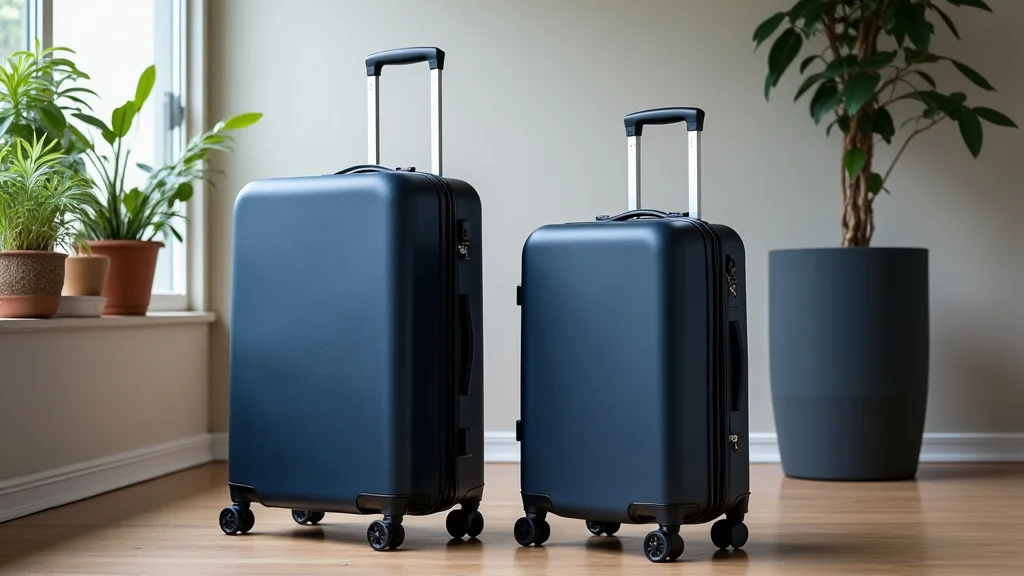
Picture this: You’re at the baggage claim, weary from travel, and your suitcase emerges looking… well, not quite like it did when you checked it. Scratches, scuffs, and even tears can be common travel souvenirs. That’s where luggage covers step in to save the day. This post will show you everything you need to know about luggage covers, from the different types available to the benefits of using one. You’ll gain practical insights to help you choose the best luggage protection for your travels, making sure your belongings arrive safe and sound, improving your experience, and increasing your knowledge.
Key Takeaways
- Luggage covers shield your bags from damage during transit, preventing scratches, scuffs, and tears.
- They offer an added layer of security, deterring potential theft and making your luggage easier to identify.
- Different materials, like durable polyester and stretchy spandex, cater to various travel needs.
- Choosing the right cover size is essential for a snug fit and optimal protection for your suitcase.
- They’re easy to use, adding convenience to your travel routine while extending the life of your luggage.
- Cleaning and maintaining your luggage cover ensures its longevity, keeping it ready for future trips.
Why Use Luggage Covers? A Traveler’s Companion
Traveling can be tough on luggage. From baggage handlers tossing bags around to the rough ride in the cargo hold, your suitcase faces a lot of potential hazards. Think about the last time you checked a bag. Did it arrive looking pristine, or did it have a few new battle scars? Luggage covers are specifically built to address these concerns, acting as a shield for your precious belongings. They provide a protective layer against external elements, reducing the wear and tear caused by the travel process.
Essentially, they are like putting a protective case on your phone. They prevent scrapes, scuffs, and tears that can happen during transit. They also add a layer of security, acting as a visual deterrent to theft. Choosing the right luggage cover can be the difference between a suitcase that looks brand new after a trip and one that shows the wear and tear of adventure.
The Advantages of Using Luggage Covers
- Damage Protection: Luggage covers are designed to guard against scratches, scuffs, and other damage.
- Security Enhancement: They make it harder for someone to open your luggage unnoticed, and the unique design can help you to easily identify your bags at the baggage claim.
- Easy Identification: Unique cover designs help you quickly spot your luggage among a sea of similar suitcases.
- Extended Lifespan of Luggage: They help preserve the look of your luggage, potentially extending its lifespan and saving money on replacements.
Imagine your luggage is going on a series of adventures. You want your luggage to last for many adventures, not just one. Protecting them with a cover means that your bags can survive trips to many places and withstand more pressure. When you choose a luggage cover, you are making an investment in your luggage’s lifespan and your peace of mind.
Real-Life Example: Damage Prevention
A frequent traveler, Sarah, was tired of her brand-new suitcase getting scratched and dented on every trip. She decided to try a luggage cover. On her next flight, she noticed her suitcase was handled roughly by baggage claim. When she got her bag, the cover had a few scuffs, but the suitcase underneath was completely unscathed. She saved her bag and money. Sarah’s situation highlights the direct benefit of using luggage covers to protect against damage.
Types of Luggage Covers: Finding the Right Fit
The marketplace has numerous types of luggage covers to meet different traveler’s needs and preferences. These covers are crafted from diverse materials, each offering its own benefits in terms of protection, durability, and aesthetics. The material of the cover plays a huge role in determining how well it will protect your luggage, how long it will last, and how easy it is to use.
Selecting the right material is vital. It’s about balancing protection, convenience, and your personal travel style. Are you looking for maximum durability and protection, or are you prioritizing ease of use and a sleek look? Knowing the types of luggage covers helps you make a perfect choice for your travel habits.
Material Choices
- Polyester: These covers are durable, water-resistant, and cost-effective. They’re a great choice for general travel, giving good protection and resisting wear and tear.
- Spandex: These are stretchy and form-fitting, offering a snug fit that’s easy to put on and take off. They are known for their sleek look and are popular for their convenience.
- PVC (Polyvinyl Chloride): PVC covers are tough and fully waterproof, offering superior protection against rain and spills. They are ideal for trips where your luggage might be exposed to the elements.
- Oxford Cloth: Made from durable fabric, Oxford cloth covers provide enhanced protection against abrasions and are water-resistant.
Each material has its benefits and drawbacks. Polyester and Oxford cloth offer a balance of protection and durability, making them suitable for many travel situations. Spandex provides flexibility and a tight fit, ensuring your luggage is protected while staying stylish. PVC covers offer supreme protection against the elements, making sure your luggage stays dry. The choice depends on the kind of protection you need.
Comparison Table: Key Features of Luggage Cover Materials
| Material | Key Features | Pros | Cons | Best For |
|---|---|---|---|---|
| Polyester | Durable, water-resistant | Cost-effective, good protection | Less stretchy than spandex | General travel, budget-friendly |
| Spandex | Stretchy, form-fitting | Snug fit, easy to use | Less protective against impact | Style, ease of use |
| PVC | Waterproof, durable | Maximum water protection | Can be stiff, less breathable | Rainy climates, heavy-duty protection |
| Oxford Cloth | Durable, water-resistant, abrasion-resistant | Great protection against scuffs, water resistance | May be slightly heavier than other options | Frequent travel, harsh conditions |
Choosing the right material is about matching the cover’s features with your travel plans. If you’re going somewhere that will have rain, PVC would be the way to go. If you prioritize easy use and a sleek look, spandex might be your ideal option. Knowing the materials gives you the upper hand when protecting your bags.
Sizing and Compatibility: Ensuring the Perfect Fit
Getting the right size is one of the most important parts of selecting a luggage cover. If the cover is too small, it won’t fit properly and won’t provide enough protection. A cover that is too large might slip off or get caught in machinery. Getting the sizing correct guarantees that the cover fits snugly, covers the entire surface of your luggage, and stays in place during travel.
Before buying a luggage cover, take some time to measure your suitcase. The correct fit ensures that the cover does its job to protect your luggage, providing the best protection and the most convenience. Here’s a quick look at the how to correctly measure your luggage for the perfect cover.
How to Measure Your Luggage
- Height: Measure from the top of the suitcase to the bottom, including the wheels.
- Width: Measure across the widest point of the suitcase.
- Depth: Measure the thickness of the suitcase.
These measurements will help you find a luggage cover that will fit perfectly. Look at the product details to find the size range that fits your luggage dimensions. If your suitcase measurements are between two sizes, it’s typically best to go with the larger size to ensure a better fit.
Size Chart Example
| Luggage Size | Height (in) | Width (in) | Depth (in) |
|---|---|---|---|
| Small | 18-21 | 12-14 | 8-10 |
| Medium | 22-25 | 15-18 | 9-11 |
| Large | 26-29 | 19-21 | 10-12 |
| Extra Large | 30-32 | 22-24 | 11-13 |
Choosing the right size is all about providing the best protection and a seamless experience. The cover should completely cover your luggage, protecting it from all sides. A correctly-sized cover will stay in place, even when your luggage is being handled roughly. When the cover fits well, your luggage remains secure and protected. This makes sure that your luggage is ready for any trip.
Security Features: Beyond Simple Protection
While the primary function of a luggage cover is to protect your luggage from physical damage, many also incorporate security features to enhance protection. These features can help deter theft, provide peace of mind, and offer added convenience for travelers. From reinforced materials to integrated locking mechanisms, these additions show a bigger emphasis on security.
Security is more than just protecting against scratches. It is about safeguarding your belongings against theft and damage. These features provide travelers with an extra layer of protection, making their travel experiences less stressful. Here are some of the security features.
Security Features to Look For
- Reinforced Stitching and Materials: This makes the cover more resistant to tears and punctures, making it harder for someone to tamper with your luggage.
- Built-in Locks: Some covers incorporate a built-in lock. This added layer of security provides extra protection.
- Bright or Unique Designs: These can serve as a visual deterrent to potential thieves and make your luggage easier to find at baggage claim.
- Hidden Compartments: Some covers have pockets or secret compartments for stowing away important items.
These safety measures can significantly improve your travel experience by decreasing worry and boosting confidence. If you’re frequently traveling to areas known for luggage theft, a cover with strong security features is an investment that’s worth it.
Case Study: Enhanced Security
A business traveler, David, had a laptop and other valuable items in his luggage. He chose a luggage cover with a built-in lock and reinforced stitching. One time when his bag was being handled, a thief tried to get into it. The reinforced material and lock deterred the thief. David’s experience showed that even basic security features can be enough to prevent theft.
Maintaining Your Luggage Cover: Cleaning and Care
To keep your luggage cover ready for action and in good condition, proper care and maintenance are required. Proper care involves both routine cleaning and handling to ensure it remains effective at protecting your luggage. The care of your cover is important for extending its lifespan, making sure it protects your bags trip after trip.
Keeping your cover clean and in good shape will help it do its job. Follow these cleaning tips to make sure your cover is ready for all kinds of travel.
Cleaning and Care Tips
- Regular Cleaning: Wipe down your cover after each trip to remove dirt and debris.
- Washing Instructions: Always follow the manufacturer’s washing instructions. Some covers can be machine-washed, while others may require hand washing.
- Drying: Air dry your cover if possible, as high heat from a dryer can damage the material.
- Storage: When not in use, store the cover in a cool, dry place away from direct sunlight.
Regular maintenance will not only keep your luggage cover looking its best but will also make sure it continues to give the best protection. The amount of care required will depend on the material. Proper care will help extend the life of your cover and keep your luggage safe.
Scenario: Maximizing Lifespan
Let’s say you’re a frequent traveler, and your luggage cover is a key part of your luggage system. You’re heading to a region where rain is common, so your PVC cover is your shield. After each trip, you clean it and store it properly. This practice extends the lifespan of the cover. By following this method, you ensure your cover is ready for the next adventure.
Common Myths Debunked
Myth 1: Luggage Covers are Only for Expensive Luggage
Many think that luggage covers are only for protecting expensive luggage. The truth is that a luggage cover provides the same value, no matter the price. They are an affordable way to safeguard your luggage against damage. They can extend the life of any suitcase, helping to protect your investment. A less expensive bag can also benefit from protection.
Myth 2: Luggage Covers are a Waste of Money
Some travelers believe that luggage covers are an unnecessary expense. However, damage to luggage can result in extra costs. Luggage covers are a cost-effective way to protect your luggage from scratches and wear and tear. This helps to reduce the likelihood of costly repairs or replacements. They are a good investment for keeping your luggage in good condition.
Myth 3: Luggage Covers are Difficult to Use
It’s easy to assume that luggage covers are tricky to apply or remove. Many models, especially those made from stretchy materials like spandex, are very easy to put on and take off. They slide over your luggage like a glove. This makes them a hassle-free addition to your travel gear, so you can easily protect your luggage.
Myth 4: Luggage Covers Offer No Real Security
Some people believe luggage covers don’t offer any security benefits. While a cover isn’t a
Myth 5: All Luggage Covers Are the Same
Many believe all luggage covers are identical. In fact, many types of luggage covers exist. They are made from various materials, provide various levels of protection, and have different characteristics. Whether you want to protect from damage, boost security, or improve visibility, there is a cover for your needs. Researching your options is key.
Frequently Asked Questions
Question: Are luggage covers waterproof?
Answer: Some luggage covers are waterproof, especially those made from PVC. Others are water-resistant but not fully waterproof.
Question: Can I use a luggage cover on any type of luggage?
Answer: Yes, luggage covers come in various sizes and are designed to fit most luggage types, including suitcases, carry-ons, and checked bags.
Question: How do I clean my luggage cover?
Answer: Cleaning instructions depend on the material. Most luggage covers can be hand-washed or machine-washed on a gentle cycle. Always check the care label.
Question: Will a luggage cover make my luggage heavier?
Answer: Luggage covers add minimal weight to your luggage. The extra weight is usually negligible and won’t affect baggage weight limits.
Question: How do I choose the right size luggage cover?
Answer: Measure your luggage’s height, width, and depth. Then, compare these measurements to the size charts provided by the luggage cover manufacturer to find the best fit.
Final Thoughts
Luggage covers are an important tool for any traveler. They offer a simple yet effective way to protect your luggage against the rigors of travel. From preventing scratches and scuffs to deterring theft and helping with easy identification, the advantages are clear. The choices in materials and designs ensure that you can select a cover that perfectly matches your travel style and preferences. By understanding the types, sizing, and security features available, you can choose the best cover to protect your luggage for many trips to come.
So, next time you are preparing for a trip, consider the benefits of a luggage cover. It is an easy step, and a small investment, that will safeguard your belongings. A well-chosen cover can help your luggage stay looking new trip after trip. Take a step toward making your luggage more durable. Start exploring the options, measure your bags, and get ready to travel with confidence, knowing your luggage is secure and protected. Your future self will thank you for taking this extra step. Safe travels!


Leave a Reply