
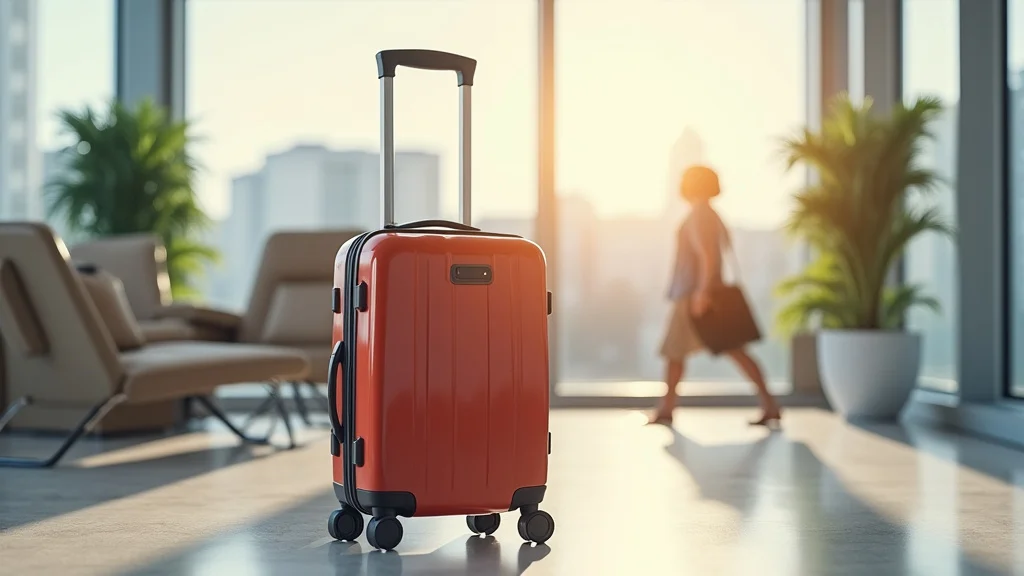
Picture this: you’re standing at baggage claim, ready to grab your bag after a week-long getaway. But, wait.is that your bag? Finding the right size suitcase for a week-long holiday can be tricky. Selecting the right luggage ensures you have everything you need without the hassle of overpacking or paying extra fees at the airport. You also want a bag that fits easily into overhead bins or that is easy to manage on public transportation. In this guide, we’ll explore everything you need to know to pick the best size luggage for 7 day trip, ensuring a smooth and stress-free travel experience. You’ll learn how to pick the ideal luggage, and discover essential packing tips. This will save you time and make your trips more pleasurable.
Key Takeaways
- Understand the importance of choosing the right luggage size for your travel needs.
- Learn how to determine the ideal luggage capacity based on your packing style.
- Discover how to measure and compare luggage dimensions.
- Explore different types of luggage and their suitability for a 7-day trip.
- Get tips on packing efficiently to maximize space and minimize weight.
- Find out about airline baggage policies and how they affect luggage size.
Choosing the Right Luggage Size for a 7-Day Getaway
Selecting the proper luggage size is more than just grabbing the biggest suitcase you can find. It’s about balancing capacity, ease of transport, and adherence to airline regulations. A suitcase that’s too small might force you to leave essential items behind, while one that’s too big could lead to overpacking and hefty baggage fees. The ideal size will depend on various factors, including your packing style, the types of activities you plan to do, and the season. Choosing the right size ensures a comfortable, convenient, and cost-effective travel experience.
Capacity and Dimensions
When searching for the best size luggage for 7 day trip, the terms “capacity” and “dimensions” become your new best friends. Capacity is usually measured in liters, indicating the volume of the bag’s interior, and dimensions are the overall measurements of the suitcase. Capacity determines how much you can fit inside your suitcase, while dimensions impact whether the luggage can be carried onto a plane. It’s essential to consider both factors to find the perfect fit.
- Understanding Liters (L): Luggage capacity is often measured in liters (L). A 40-liter bag is smaller, good for carry-on, while a 70-liter bag is more expansive. For a 7-day trip, a bag in the 60-80L range typically hits the sweet spot. This provides enough room for clothes, shoes, and toiletries without encouraging overpacking.
- Measuring Dimensions: Most airlines have limits for carry-on and checked baggage. Common carry-on dimensions are 22 x 14 x 9 inches (56 x 36 x 23 cm), including wheels and handles. Checked luggage can be larger, but airlines often enforce limits based on total linear inches (length + width + height). Double-check the guidelines of your airline before you fly.
- Example: A 70L suitcase with dimensions of 27 x 17 x 11 inches is a reasonable choice for a 7-day trip, especially if you plan to check your luggage. Make sure to consider the length of your trip when choosing.
Packing Style: Minimalist vs. Overpacker
Your packing style is as important as the size of your suitcase. Are you a minimalist, who can travel with the bare essentials? Or do you like to have options and pack a wide range of clothes and accessories? Your packing style significantly impacts the size of luggage you’ll need. Assess your personal habits to avoid carrying a bag that’s either too small or too large for your needs. This assessment guides you towards the right luggage size.
- Minimalist Packer: If you prefer to travel light, packing only the essentials, a smaller suitcase will suffice. You might consider a carry-on size (around 40-50L) for a 7-day trip. This reduces the time you spend waiting at baggage claim. You can also minimize the likelihood of your luggage getting lost.
- Overpacker: If you enjoy having a variety of options, packing a larger bag is a better option. Consider a checked bag (60-80L) to accommodate more clothing, shoes, and accessories. This approach is more suited to longer trips as well.
- Hybrid Approach: Many people use a combination of minimalist and overpacker strategies. They may bring a larger checked bag while using packing cubes to stay organized.
Activities and Seasonality
The activities you plan to do on your trip and the season you are traveling also affect the size of luggage you’ll need. A ski trip in winter requires bulkier clothing than a beach vacation in summer. Knowing these details will help you narrow down your options.
- Activities: If you plan outdoor activities like hiking or camping, you will need extra space for gear such as hiking boots, and weather-specific clothing. A larger checked bag (70-80L) is probably the right choice. If your trip involves formal events, you’ll need space for dressier clothes.
- Seasonality: Winter travel involves packing thicker, bulkier items such as coats, sweaters, and boots. This requires a larger bag compared to summer travel, where lighter clothing is the norm. Keep this in mind when you are selecting your luggage.
- Example: A summer trip to a warm climate might be fine with a 60L bag. A winter trip to a cold location might require a 70-80L bag.
Types of Luggage for a Week-Long Holiday
Different types of luggage suit different travel styles and needs. From the flexibility of softside luggage to the durability of hardside options, and the convenience of wheeled bags, each type comes with its own set of advantages. You need to explore each type and weigh the pros and cons to see which one fits your needs best when looking for the best size luggage for 7 day trip.
Softside Luggage
Softside luggage is often made from materials like nylon or polyester. These bags are known for their flexibility and can often squeeze into tight spaces. They’re typically lighter than hardside options, which is a plus if you prefer to avoid checked baggage fees. This is a common choice for travelers wanting to prioritize weight. But they can also be prone to wear and tear. A good choice for frequent travelers.
- Pros:
- Flexibility: The soft materials allow for a bit of give, enabling you to stuff slightly more into the bag.
- Lightweight: Generally lighter than hardside luggage, which is beneficial if you’re trying to avoid checked baggage fees.
- External Pockets: Usually features external pockets for easy access to essentials like documents, snacks, and toiletries.
- Cons:
- Less Protection: Provides less protection for fragile items compared to hardside luggage.
- Susceptible to Damage: The soft materials are more vulnerable to tears, snags, and damage.
- Water Resistance: While some softside bags are water-resistant, they aren’t completely waterproof.
- Best For: Travelers who prioritize flexibility and weight, are not carrying a lot of fragile items, and need extra pockets for quick access to various things.
Hardside Luggage
Hardside luggage is made from materials like polycarbonate, ABS plastic, or aluminum. These bags offer excellent protection for your belongings, making them a good choice if you’re carrying valuables or breakables. They are resistant to weather and impacts. They often come with built-in locks for added security. However, they can be heavier than softside bags, which can affect weight limits.
- Pros:
- Durability: Provides excellent protection against impacts, crushing, and the elements.
- Security: Often comes with built-in locks, enhancing the security of your belongings.
- Water Resistance: Typically fully waterproof, protecting your items from rain and spills.
- Cons:
- Weight: Can be heavier than softside luggage, potentially leading to extra fees if your bag is overweight.
- Less Flexibility: Does not offer the same “give” as softside bags, which can limit the amount you can pack.
- External Pockets: Usually doesn’t have external pockets, which can make it more difficult to quickly access items.
- Best For: Travelers who want to protect their belongings, including valuables or fragile items. Also for those who are traveling in inclement weather conditions.
Wheeled Luggage
Wheeled luggage, whether softside or hardside, comes in various forms, including two-wheeled and four-wheeled (spinner) models. The choice between these two types comes down to ease of maneuverability and personal preference. The design of your wheels plays a big role in your travel experience.
- Two-Wheeled Luggage: These bags have two recessed wheels and are designed to be tilted and pulled behind you. They typically have a smaller footprint and are easier to navigate on uneven surfaces. This can be the right choice for navigating crowded areas.
- Four-Wheeled Luggage (Spinner): Spinner luggage has four wheels that rotate 360 degrees, allowing you to push the bag upright beside you. This makes it easier to maneuver through crowded areas and airports, and you don’t need to tilt the bag.
- Considerations: When selecting wheeled luggage, consider wheel quality, the handle, and its overall construction. Wheels should be sturdy and handle rough terrain well. The handle should be adjustable to your height for maximum comfort.
Packing Efficiently for a 7-Day Journey
After deciding on the best size luggage for 7 day trip, the next step is packing efficiently. This involves utilizing all available space, keeping your belongings organized, and minimizing weight. Packing efficiently also reduces the risk of having to pay extra for overweight baggage fees. When you pack efficiently, you also make the unpacking process easier.
Packing Techniques
Several packing techniques can maximize space and keep your belongings organized. These techniques can also help to prevent wrinkles. They also make it easier to find what you need quickly. Experiment with these methods to find which work best for you.
- Rolling Clothes: Rolling your clothes instead of folding them saves space and helps minimize wrinkles. Tightly rolled items can fit snugly into corners and gaps.
- Packing Cubes: Packing cubes are small, zippered bags that help organize your clothes and accessories. They compress the contents, maximizing space and preventing items from shifting during transit.
- Utilizing Internal Pockets: Use the internal pockets in your suitcase for small items like socks, underwear, and toiletries. This frees up space in the main compartment.
- Shoe Storage: Place shoes in a shoe bag or plastic bag to prevent them from dirtying your clothes. Place the shoes at the bottom of the suitcase, near the wheels.
Creating a Packing List
Before packing, create a detailed packing list. This helps you avoid overpacking and ensures you don’t forget essential items. A packing list also reduces the stress of preparing for your trip. Use it as a guide to ensure you have everything you need while staying within your luggage size limitations.
- Essentials: Include all your necessities, such as clothing, shoes, toiletries, medications, and any required documents.
- Clothing: List the number of outfits, including undergarments, sleepwear, and outerwear. Consider layering items to accommodate changing weather conditions.
- Toiletries: Pack travel-sized toiletries to save space and comply with airline restrictions.
- Accessories: Don’t forget accessories, such as belts, scarves, and jewelry.
- Electronics: List all your electronic devices, chargers, and any adapters you might need.
Weight Management
Weight management is critical to avoid baggage fees and the inconvenience of a heavy bag. Every airline has its weight limits. You should weigh your luggage before leaving for the airport. Weighing it at home can help you determine if you need to repack or remove items.
- Use a Luggage Scale: Invest in a luggage scale to weigh your bag at home. This allows you to adjust your packing to meet airline weight limits.
- Wear Heavy Items: Wear your heaviest items, such as shoes and jackets, during travel to reduce the weight in your luggage.
- Choose Lightweight Materials: Select lightweight clothing and accessories to minimize the overall weight of your luggage.
- Reduce Liquids: Pack solid toiletries when possible. If you must carry liquids, use travel-sized containers to comply with airline restrictions.
Airline Baggage Policies and How They Affect Luggage Size
Airline baggage policies vary widely and can significantly impact the size of luggage you can bring. It’s essential to research your airline’s specific policies before you travel to avoid surprises at the airport. Understanding baggage allowances for carry-on luggage and checked baggage will help you choose the best size luggage for 7 day trip and navigate the airport smoothly.
Carry-On Baggage Allowances
Carry-on luggage, or cabin baggage, is luggage you can take on the plane with you. This is an excellent way to keep your belongings close and avoid checked baggage fees. This is also an advantage in case the airline misplaces your luggage. However, there are limitations on size and weight. Make sure you check the dimensions and weight limits of your chosen airline, as they may vary.
- Size Restrictions: Most airlines limit carry-on bags to dimensions of about 22 x 14 x 9 inches (including handles and wheels). This size will usually fit in overhead bins. Be sure to measure your bag and compare it to the airline’s requirements before your travel.
- Weight Limits: Many airlines have weight restrictions for carry-on luggage, often around 15-22 pounds. Be sure to weigh your bag to avoid paying extra at the gate.
- Liquid Restrictions: All liquids, aerosols, gels, creams, and pastes in your carry-on must be in containers of 3.4 ounces (100 milliliters) or less. These containers must fit in a single, clear, resealable quart-sized bag.
Checked Baggage Allowances
Checked baggage is luggage that you hand over to the airline to be transported in the cargo hold of the plane. This allows for more space for larger items. Checked baggage usually has greater size and weight allowances than carry-on luggage, but comes with baggage fees. However, be aware of restrictions. These restrictions vary greatly among airlines.
- Size Restrictions: The total linear dimensions (length + width + height) of checked baggage are often limited to 62 inches. Exceeding this limit might result in additional charges. Check with your airline to confirm their policies.
- Weight Limits: Most airlines set weight limits for checked bags, typically around 50 pounds. Some airlines offer higher weight limits for premium fares or frequent flyer members.
- Baggage Fees: Most airlines charge fees for checked baggage. These fees vary based on the airline, the route, and the class of ticket. You can often save money by paying these fees online before your flight.
Oversized and Overweight Baggage
If your luggage exceeds size or weight limits, you will face extra fees. These fees can be high, so it is important to be aware of the allowances. Be prepared for any baggage restrictions. Make sure your luggage meets your airline’s requirements. This reduces the risk of fees or delays at the airport.
- Oversized Baggage: Baggage that exceeds the airline’s size limits (usually a combination of length, width, and height) may be subject to additional fees. Contact your airline to see their specific rules.
- Overweight Baggage: If your bag exceeds the airline’s weight restrictions, you will face hefty fees. Consider distributing your items between multiple bags, or wearing heavier items to reduce weight.
- Special Items: Sports equipment, musical instruments, and other specialty items may have different baggage policies. Research your airline’s policies regarding special items before your trip.
Common Myths Debunked
Myth 1: Bigger is Always Better
Many people believe that the larger the suitcase, the better. However, a larger suitcase can encourage overpacking. Overpacking can lead to more weight, and potentially higher baggage fees. A smaller suitcase might encourage you to pack lighter and only bring essentials. The best size luggage for 7 day trip is the one that meets your needs.
Myth 2: Hard-Shell Luggage is Indestructible
Although hardside luggage provides better protection against impacts than softside luggage, it is not indestructible. They can be cracked, dented, or scratched. Hardside luggage is also not immune to the wear and tear of travel. Therefore, consider the materials used in the bag’s construction. Make sure it provides good protection for your belongings, without giving a false sense of indestructibility.
Myth 3: You Need a Different Bag for Every Trip
You don’t need a different suitcase for every trip you take. Consider a versatile bag that suits various travel scenarios. Look for bags that have adjustable features. Consider features like expansion capabilities or adaptable compartments. A versatile bag can adapt to the diverse needs of different trips. Thus, you are saved the expense of purchasing multiple bags.
Myth 4: Carry-On Luggage is Always Free
While carry-on luggage often doesn’t have a fee, this is not always the case. Some budget airlines charge for carry-on bags. Furthermore, carry-on bags must comply with size and weight restrictions. If your bag is too big or too heavy, you might be charged a fee. Always review the airline’s specific policies before your trip to know the baggage rules.
Myth 5: All Luggage With Wheels is Easy to Maneuver
Not all luggage with wheels is easy to move. The type and quality of the wheels have a big impact on maneuverability. Spinner wheels offer better maneuverability, particularly in crowded areas. Look for spinner wheels that turn easily. Also look for bags with handles that are adjustable, to improve maneuverability. Check reviews, so that you find a bag with high-quality, durable wheels.
Frequently Asked Questions
Question: What size luggage is best for a 7-day trip?
Answer: For a 7-day trip, a suitcase in the 60-80 liter range is generally recommended. This allows enough space for clothes, shoes, and toiletries without encouraging overpacking.
Question: Can I use a carry-on for a week-long trip?
Answer: Yes, if you pack light and strategically, you can use a carry-on for a week-long trip. Rolling your clothes, using packing cubes, and wearing your bulkiest items can help save space. The best luggage is the one that suits your needs.
Question: What is the best type of luggage for a 7-day trip?
Answer: The best type of luggage depends on your priorities. Hardside luggage offers great protection for fragile items, while softside luggage provides flexibility. Wheeled luggage offers improved maneuverability, while carry-on luggage might prevent extra fees.
Question: What are the typical size limits for carry-on luggage?
Answer: Most airlines limit carry-on bags to around 22 x 14 x 9 inches (including handles and wheels). Airlines also typically have weight restrictions, which are around 15-22 pounds. Always check your airline’s website for the most accurate information.
Question: How do I measure my luggage?
Answer: To measure your luggage, use a tape measure to determine the length, width, and height of your bag, including wheels and handles. Make sure that the dimensions meet the requirements of your airline’s baggage policy. This will reduce your stress.
Final Thoughts
Choosing the best size luggage for 7 day trip requires considering your packing habits, your destination’s climate, and the activities you plan to do. Balancing the space you need with the airline’s baggage policies is key to a smooth journey. Remember to choose luggage with the right capacity, whether it is a versatile carry-on bag or a larger checked suitcase. You should use packing techniques such as rolling clothes and utilizing packing cubes to maximize space. By taking these steps, you can create a travel experience that is less stressful, more organized, and ready for adventure. So, before you pack for your next week-long adventure, take a moment to carefully consider your options. Prepare for your trip with confidence, armed with the knowledge to make smart choices and pack smart.


Leave a Reply