
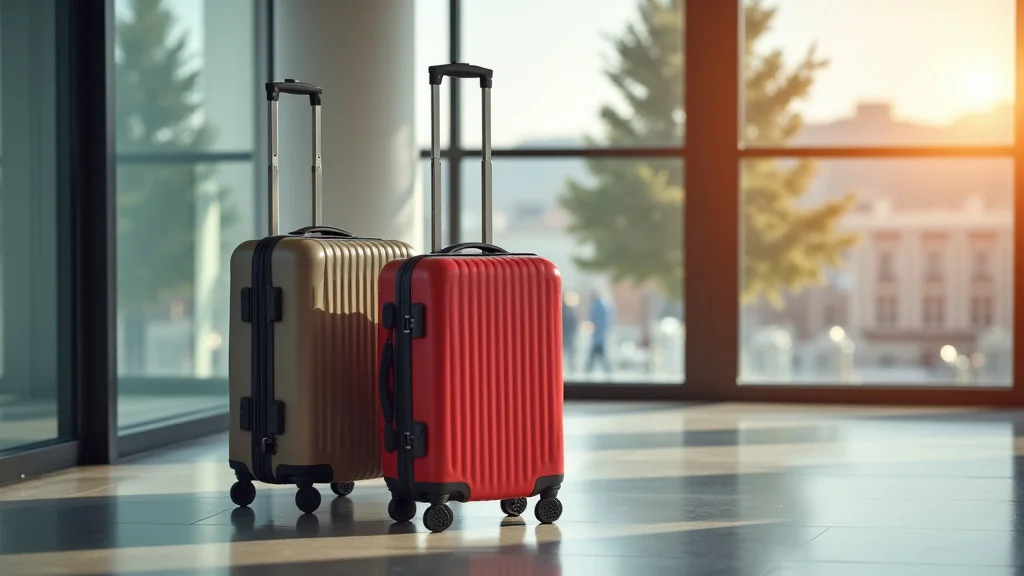
Picture this: you’re at the airport, ready for your adventure, but your carry-on is just a bit too big. The airline agent gives you a look, and suddenly your trip is starting off with added fees. To avoid this travel headache, choosing the right 55 x 35 x 25 cm luggage is vital. This guide will walk you through everything you need to know, from size regulations to material choices, ensuring you find the best bag for your needs. You’ll gain valuable insights to confidently select the ideal carry-on, saving you time, money, and stress on your next trip. This post will help you streamline your packing process and choose luggage that fits the bill.
Key Takeaways
- Learn the exact size requirements for carry-on luggage with specific examples.
- Discover essential features to look for when shopping for 55 x 35 x 25 cm luggage.
- Explore the best materials and constructions to withstand travel demands.
- Understand the importance of weight limits and how to pack efficiently.
- Compare popular luggage brands and models.
- Find answers to the most common questions about carry-on luggage.
Sizing Up Your Carry-On: Why 55 x 35 x 25 cm Matters
The dimensions of 55 x 35 x 25 cm luggage are often the standard size for carry-on bags allowed by most airlines. This sizing is designed to fit in the overhead compartments of most aircraft. However, it’s vital to check with your specific airline before traveling, as rules can differ based on the carrier and even the aircraft type. Knowing the exact size requirements can save you from unexpected baggage fees or the hassle of checking your bag at the gate. This knowledge can also help you pack more efficiently, maximizing the space you have available while still adhering to the guidelines.
Airline Regulations and Variations
Airline policies vary, so always confirm your carrier’s specific rules before your trip. While 55 x 35 x 25 cm is a common benchmark, some airlines have slightly different limits, particularly for budget airlines or those operating smaller planes. For example, some airlines might have a weight limit as well, affecting what you can pack, regardless of the size. Also, different airlines may measure including or excluding the wheels and handles.
- Budget Airlines: Often have stricter limits. Checking these rules upfront helps avoid surprise charges at the gate.
- International Flights: Usually follow the standard dimensions, but always double-check.
- Regional Flights: Smaller planes may necessitate smaller carry-on sizes.
Reading the Fine Print
Before purchasing luggage, check the manufacturer’s listed dimensions and the airline’s website. Pay close attention to whether the measurement includes the wheels and handles. Manufacturers often list the overall dimensions, which can include protruding features. Being prepared with the precise dimensions helps you make an informed choice and avoid issues later on.
Essential Features to Consider for 55 x 35 x 25 cm Luggage
Selecting the right 55 x 35 x 25 cm luggage involves more than just size. Considering features like maneuverability, interior organization, and security can significantly improve your travel experience. These elements can make a difference between a convenient and a frustrating trip. The right features can also extend the life of your luggage, making it a good investment for your travels.
Wheels and Maneuverability
The wheel system is a critical component. Look for bags with four spinner wheels, as they offer the greatest flexibility and ease of movement, allowing you to move in any direction with minimal effort. Two-wheeled bags are also an option, but they typically require you to tilt the bag and pull it behind you, which can be difficult in crowded spaces or on uneven surfaces. Consider the quality of the wheels; smooth-rolling, durable wheels are a must for easy navigation.
- Spinner Wheels: Offer 360-degree rotation, providing greater ease of movement.
- In-Line Skate Wheels: Are often found on two-wheeled bags, designed for rolling in a straight line.
- Wheel Material: Choose durable materials like polyurethane or rubber for long-lasting performance.
- Handle Height: Ensure the handle extends to a comfortable height for your use.
Interior Organization
A well-organized interior is crucial for efficient packing. Features like multiple compartments, compression straps, and mesh pockets can help you separate items, prevent shifting during transit, and maximize the space within your 55 x 35 x 25 cm luggage. Look for bags that provide a balance between open space for larger items and dedicated pockets for smaller belongings. Internal dividers can also help to avoid wrinkles in clothes and keep your travel essentials easy to find.
- Compression Straps: Secure clothing and reduce bulk.
- Mesh Pockets: Organize smaller items like toiletries and electronics.
- Separate Compartments: Help to keep shoes, dirty clothes, and clean items separate.
- Laptop Sleeves: Protect your laptop and make it easy to access at security checkpoints.
Security Features
Keeping your belongings secure is critical. Look for features that protect your luggage from theft and damage. Integrated TSA-approved locks can be opened by security personnel without damaging your bag. Durable zippers, made from high-quality materials, can withstand the wear and tear of travel. Consider luggage with a hard shell, which provides better protection against impacts and potential damage.
- TSA-Approved Locks: Allow security to open your bag without damaging it.
- Durable Zippers: Ensure they withstand regular use and prevent easy access.
- Hard Shell Exterior: Offers increased protection against impacts.
- Hidden Compartments: Some bags include hidden pockets for valuables.
Materials and Construction: Building Durable 55 x 35 x 25 cm Luggage
The materials and construction of your 55 x 35 x 25 cm luggage significantly influence its durability, weight, and overall performance. Picking the right materials ensures your bag can handle the wear and tear of travel while protecting your belongings. The construction of the bag also influences its lifespan, so it is important to pick luggage that is well built and long-lasting.
Hard-Shell vs. Soft-Shell Luggage
Hard-shell luggage, usually made from materials such as polycarbonate, ABS plastic, or aluminum, offers excellent protection against impacts and weather. They are typically more water-resistant and can withstand rough handling. Soft-shell luggage, often made from nylon or polyester, is usually lighter and has external pockets for easy access to items. They can also absorb impacts more effectively and often have some flexibility to fit more inside. The best choice depends on your travel needs.
| Feature | Hard-Shell | Soft-Shell |
|---|---|---|
| Material | Polycarbonate, ABS, Aluminum | Nylon, Polyester |
| Durability | High impact resistance, water-resistant | Good impact absorption, more flexible |
| Weight | Generally heavier | Generally lighter |
| Organization | Often has fewer external pockets | Often has more external pockets |
- Polycarbonate: Provides a balance of durability and lightness.
- ABS Plastic: Is a more affordable option but can be less durable.
- Nylon: Offers good water resistance and abrasion resistance.
- Polyester: Is known for its durability and resistance to wear and tear.
Construction Quality
The quality of construction is essential for luggage longevity. Look for bags with reinforced corners, which are prone to damage during travel. The stitching should be sturdy and even. High-quality zippers, typically made from metal, are a sign of a well-built bag. Pay attention to the handle mechanism; it should be strong and operate smoothly. Choosing bags with these qualities ensures they are more durable.
- Reinforced Corners: Protects against damage from impacts.
- Sturdy Stitching: Prevents seams from tearing apart.
- High-Quality Zippers: Provides smooth operation and long-lasting use.
- Durable Handles: Extends and retracts smoothly and securely.
Packing Efficiently: Maximizing Space in Your 55 x 35 x 25 cm Luggage
Packing efficiently is essential for making the most of your 55 x 35 x 25 cm luggage and avoiding extra baggage fees. Careful planning and the right techniques can help you fit more into your bag while keeping it within the weight limits. Packing smart ensures that you can bring all the essentials without sacrificing comfort or convenience.
Packing Techniques
Using effective packing techniques can dramatically increase the available space. Rolling your clothes instead of folding them can save space and reduce wrinkles. Utilize packing cubes to organize your belongings and compress them. Put heavier items near the wheels for better balance. Maximizing every available inch ensures your bag is as organized as possible.
- Rolling Clothes: Saves space and minimizes wrinkles.
- Packing Cubes: Organize items and compress them.
- Shoe Bags: Keeps shoes separate from clothing.
- Utilizing Internal Pockets: Use every available space.
Weight Limits and Considerations
Weight limits are often as important as size restrictions. Many airlines have weight limits for carry-on luggage. Exceeding these limits can result in additional fees. Before packing, weigh your bag to make sure it complies with the airline’s requirements. Consider the weight of your luggage itself, as some bags are heavier than others. This will give you more available space for your belongings. Distribute weight evenly to maintain balance and ease of carrying.
- Weigh Your Bag: Ensure it complies with airline weight limits.
- Choose Lightweight Luggage: Consider the weight of the bag itself.
- Pack Heavy Items Strategically: Place them near the wheels for balance.
- Wear Heavy Items: Wear bulky clothes on the plane to save space.
Popular Luggage Brands and Models
Several brands provide quality 55 x 35 x 25 cm luggage. These brands provide bags with different features to suit various travel needs and preferences. Researching and comparing models ensures you find a carry-on that suits your needs. Checking reviews and considering features, durability, and cost can help narrow down your options.
Top Brands to Explore
Many reliable brands make excellent carry-on luggage. Each brand offers a range of options, from budget-friendly choices to high-end designs. Each one brings its own blend of features and designs to help create the best travel experience.
- Samsonite: Known for durability and a wide range of styles.
- Away: Popular for its sleek design and built-in features.
- Travelpro: A favorite among airline professionals, often praised for its durability and functionality.
- Monos: A newer brand, Monos focuses on stylish design and sustainability.
- Amazon Basics: Offers budget-friendly options that are still functional.
Model Comparisons
Comparing specific models helps you see the differences between products, which helps you choose the right one. Looking at features like wheel systems, interior organization, and materials can help you decide. Considering the pros and cons of each model will ensure you make the right choice.
- Samsonite Freeform Carry-On: Offers durability and spinner wheels for easy maneuverability.
- Away Carry-On: A popular choice, known for its sleek design and integrated features, such as a built-in battery for charging devices.
- Travelpro Maxlite 5 Carry-On: Lightweight and designed with durability in mind, with multiple pockets and compartments for efficient organization.
Common Myths Debunked
Frequently Asked Questions
Question: Can I use 55 x 35 x 25 cm luggage on any airline?
Answer: No, you should always check the specific airline’s carry-on size regulations before traveling. While 55 x 35 x 25 cm is a common size, it can vary by airline and flight.
Question: Are hard-shell or soft-shell bags better for carry-on luggage?
Answer: Both types have advantages. Hard-shell bags offer more protection and are water-resistant, while soft-shell bags are typically lighter and have more flexible storage options.
Question: How can I maximize space in my carry-on bag?
Answer: Use packing cubes, roll your clothes instead of folding them, and utilize every pocket and compartment. Weigh your luggage before leaving to ensure it is within the airline’s limits.
Question: What’s the best material for durable carry-on luggage?
Answer: Polycarbonate is a good choice for hard-shell bags as it offers a balance of durability and lightness. For soft-shell bags, look for durable nylon or polyester materials.
Question: What do I do if my carry-on bag is too big at the gate?
Answer: You may need to pay an extra fee to check the bag, or try to remove items and wear them to reduce the size. Ensure you always measure your bag before flying to avoid this.
Final Thoughts
Finding the perfect 55 x 35 x 25 cm luggage is an essential step for smooth and stress-free travel. You now understand the importance of choosing the correct dimensions, considering key features like wheel systems and interior organization, and selecting the right materials. Understanding airline regulations and practicing efficient packing techniques will save you money, time, and headaches at the airport. You’re well-equipped to select the ideal carry-on that meets your travel needs. So, prepare for your next adventure with confidence, knowing you have the right bag. Choose wisely, pack smartly, and get ready to enjoy your journey.


Leave a Reply