
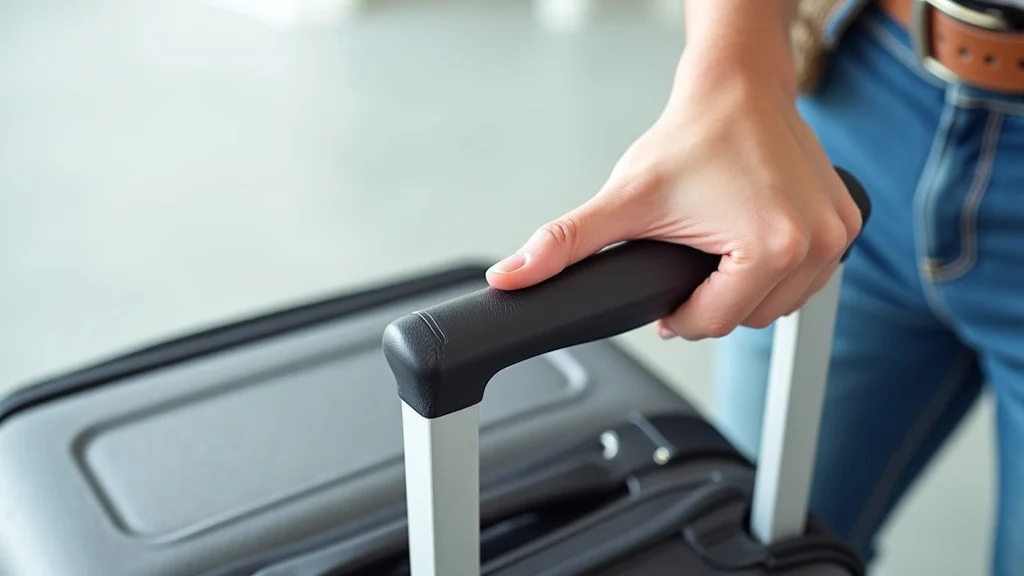
Picture this: you’re at the airport, ready to jet off on a well-deserved vacation. You grab your trusty suitcase, only to feel the luggage handle give way – a travel nightmare! Suddenly, your trip is complicated by a broken bag. This isn’t just a minor inconvenience; it can be a significant disruption. This guide is all about luggage handles replacement, offering solutions to this common travel issue. You’ll learn how to identify problems, find the right replacement parts, and fix your bag. This post helps you get back on the move quickly, saving you money and hassle.
Key Takeaways
- Learn how to identify different types of luggage handles and their common failure points.
- Discover the tools and materials needed for a successful luggage handles replacement.
- Find out how to choose the right replacement handle for your specific suitcase model.
- Get step-by-step instructions and troubleshooting tips for your repair project.
- Explore where to find replacement parts and how to avoid common pitfalls.
- Understand preventative measures to extend the lifespan of your luggage.
Identifying Luggage Handle Problems
Before you jump into a luggage handles replacement, a proper diagnosis is important. It’s crucial to examine the damage thoroughly. Different handle types have unique vulnerabilities. The most common problems involve broken or cracked plastic handles, loose screws, or worn-out telescoping mechanisms. These issues often arise from the wear and tear of travel – being tossed around by baggage handlers, impact from falls, and general use. Carefully inspect the handle’s attachment points to the luggage body. Look for cracks, breaks, or loose screws. The telescoping mechanism can fail in a variety of ways; the handle might not extend or retract smoothly, or it might collapse under pressure.
Knowing the specific type of handle is important. A basic top handle is different from a telescoping handle. Telescoping handles have more components, making them prone to mechanical failure. Side handles are less common, but they can experience problems like broken attachments or ripped fabric. Identifying these problems early will determine whether a simple repair or a full replacement is needed. Taking a few moments to examine your bag can save time and prevent problems.
Types of Luggage Handles
Luggage handles come in several varieties, each with unique designs and functionalities. Knowing the different types of handles will help you identify the right replacement part. The most common types include top handles, side handles, and telescoping handles. Top handles are generally fixed and used for carrying the bag by hand. Side handles serve a similar purpose, often found on larger suitcases for easy lifting. Telescoping handles, also known as retractable handles, are the most complex. They extend and retract, enabling the bag to be wheeled along. Each type of handle has its unique construction and attachment method.
- Top Handles: Usually made from plastic or leather, they attach directly to the bag’s body. They might be riveted, screwed in, or integrated into the bag’s construction.
- Side Handles: Similar to top handles, but positioned on the side of the bag. These are often used on larger suitcases to help you lift them from the side.
- Telescoping Handles: These are retractable handles that extend and retract. They typically have a button or switch to lock them in place. These handles are often made from metal or a durable plastic.
Top handles are generally more straightforward to
Common Problems with Luggage Handles
Several issues can arise with luggage handles, which can compromise the bag’s functionality. The most common problems include cracks or breaks in the plastic or metal handle itself. These usually occur from impacts or excessive force. Loose screws or rivets that secure the handle to the bag are also frequent problems. These can lead to instability and eventually detachment. Telescoping handles are susceptible to issues with their extend-and-retract mechanism. These issues include a failure to lock into place or a handle that will not retract. Wear and tear is a major factor. Frequent use and rough handling accelerate these problems.
- Broken Handle: The handle itself breaks due to stress or impact.
- Loose Screws/Rivets: The handle detaches or becomes unstable.
- Telescoping Mechanism Failure: The handle won’t extend, retract, or lock.
- Worn Components: Plastic parts get brittle with age and crack easily.
Many problems can be caused by the materials used in the handle’s construction. Cheaper handles are often made from low-quality plastic that is not very durable. Exposure to extreme temperatures can worsen issues. The telescoping mechanisms contain small parts that can break. Inspecting your handle regularly can help catch problems early, reducing the chance of a complete handle failure.
Gathering Your Luggage Handles Replacement Supplies
Before you begin the luggage handles
The type of
Essential Tools and Materials
The right tools and materials are essential for a successful luggage handles replacement. You may need different tools depending on the type of handle. A basic tool kit should include screwdrivers. You will want both Phillips head and flathead screwdrivers. Pliers are useful for gripping and manipulating small parts, like screws or retaining clips. A drill can be useful for removing rivets or making new holes if necessary. A measuring tape is key for making accurate measurements of the handle and attachment points. Consider having a utility knife for cutting fabric or removing old adhesive. Keep a set of replacement screws and rivets on hand.
- Screwdrivers (Phillips and Flathead): For removing and attaching screws.
- Pliers: For gripping, bending, and removing small parts.
- Drill (optional): For removing rivets or making new holes.
- Measuring Tape: To measure handle dimensions and attachment points.
- Replacement Handle: The correct part for your luggage model.
- Fasteners (screws, rivets): To secure the new handle in place.
For more complex repairs, you might also need a rivet gun. A rivet gun is for installing rivets. Fabric glue can come in handy for reinforcing handle attachments. Having a well-equipped toolkit ensures you’re ready to tackle any problem that might arise during the repair. The right supplies mean the repair process will be easier and more effective, ensuring your suitcase is ready for the next adventure.
Where to Buy Replacement Parts
Finding the right replacement parts is an important step. Online retailers are often a great option, offering a wide selection of luggage handles replacement parts. Websites like Amazon, eBay, and specialized luggage supply stores often have the parts you need. When shopping online, carefully check the product descriptions and reviews to make sure you are getting the correct handle for your bag. Local luggage repair shops are another option. These shops usually have a selection of replacement parts and can offer expert advice. Visiting these shops also gives you the chance to compare different handle options and see the quality.
Before you shop, note the brand and model number of your luggage, so you can easily find a match. The measurements of the handle, including length and width, are also essential. Take photos of the damaged handle, so you can compare it with the
Step-by-Step Luggage Handle Replacement Guide
Replacing a luggage handle can seem daunting, but breaking the process into steps can make the job easier. Whether it’s a top, side, or telescoping handle, each
Begin by carefully removing the old handle. With a top handle, this often involves unscrewing the fasteners. Telescoping handles may require more involved disassembly. Inspect the attachment points on your luggage. Make sure they are clean and free of debris. Position the new handle in place. You will need to align the screw holes and ensure that everything fits correctly. Fasten the new handle securely. Be careful not to overtighten the screws. This can strip the threads or damage the material of your bag. If rivets are used, a rivet gun can be useful.
Replacing a Top Handle
Replacing a top handle is generally one of the most straightforward repairs. The process involves removing the old handle and attaching the new one. Start by examining the old handle to identify how it’s attached. Most top handles are secured with screws. Use a screwdriver to remove these screws. Gently lift the old handle away from the bag once the screws are removed. Some handles might be attached with rivets instead of screws. If so, you will need a drill or rivet removal tool to remove them. Always use eye protection when drilling or hammering rivets.
- Remove the Old Handle: Unscrew or drill out the old handle’s fasteners.
- Clean the Attachment Points: Remove any debris or old adhesive.
- Position the New Handle: Align the new handle with the screw holes.
- Secure the New Handle: Fasten the screws or rivets to hold it in place.
After removing the old handle, clean the attachment points to remove any old adhesive or debris. Position the new handle and align it with the screw holes. Secure the new handle. The screws must be tightened securely. Avoid over tightening, as this can damage the bag. You also might need to
Replacing a Telescoping Handle
Replacing a telescoping handle can be more complex than other handle
- Access the Handle Mechanism: Unzip the luggage lining to expose the handle attachments.
- Remove the Old Handle: Detach the handle from the frame by removing screws or rivets.
- Install the New Handle: Align and secure the new handle to the frame.
- Reassemble the Interior: Reattach the lining and test the handle.
Once the old handle is detached, position the new handle. Align it with the frame and secure it using the appropriate fasteners. Make sure all screws and bolts are tightened. Replace any broken or worn parts. Reattach the interior lining carefully. Test the handle to make sure it extends, retracts, and locks properly. Double-check all the steps and components. This will help ensure the handle’s smooth operation. Replacing your telescoping handle can restore the functionality of your luggage.
Troubleshooting and Preventing Problems
While performing a luggage handles replacement, you may encounter a few unexpected challenges. The most common problems involve stuck screws or difficulty aligning replacement parts. Knowing how to handle these issues can save you time and prevent frustration. Also, understanding how to extend the life of your luggage handles can minimize the need for future repairs. These prevention steps are simple to implement. They can help your suitcase last longer, allowing you to travel more. Taking these steps will ensure a smoother travel experience.
If screws are stuck, try using a penetrating oil, like WD-40, to loosen them. Wait for a few minutes before attempting to unscrew them. If alignment is difficult, you can slightly enlarge the screw holes. Do this using a drill bit or a round file. When installing the new handle, ensure all parts are correctly positioned. Take your time. Test the handle before fully reassembling the luggage. Regular maintenance, such as cleaning and tightening screws, can help prevent future problems. Avoiding overpacking your luggage can also reduce the stress on the handles. When you take the time to maintain your luggage, you will have fewer repair tasks.
Dealing With Common Repair Issues
Even with careful planning, unexpected issues can come up. Screws that are stuck or stripped are common problems. Use penetrating oil. Let it sit for a few minutes. Then try again with the screwdriver. If the screw head is stripped, try using a rubber band between the screwdriver and the screw head. This can sometimes provide enough grip to turn the screw. If the screw is completely stripped, you may need to use a screw extractor. This tool is designed to remove damaged screws.
- Stuck Screws: Apply penetrating oil and let it sit before trying again.
- Stripped Screws: Use a rubber band or a screw extractor.
- Misaligned Parts: Gently enlarge screw holes with a drill or file.
- Incorrect Parts: Double-check the model number and measurements before installation.
Alignment problems can occur when you
Preventative Measures for Handle Durability
Implementing some easy steps can help increase the lifespan of your luggage handles and prevent the need for early luggage handles replacement. Avoid overloading your luggage. Overpacking puts extra stress on all parts of your bag. Always check the weight limit. Regularly inspect the handles for any signs of wear and tear. Look for loose screws or cracks. Keep your luggage clean. Dirt and grime can sometimes weaken the materials and mechanisms over time. If you notice any issues, address them right away. This will help prevent small problems from turning into bigger ones.
- Avoid Overpacking: Stick to the weight limit of your luggage.
- Regular Inspection: Check the handles for wear and loose screws.
- Proper Storage: Store luggage in a cool, dry place when not in use.
- Gentle Handling: Teach children to handle luggage properly.
Store your luggage properly, especially during times when it is not in use. Keep it in a cool and dry place. Extreme temperatures can damage the materials. Handle your luggage with care. Teach children to handle the bags properly. When traveling, use luggage straps to protect your bag. They can reduce the stress on the handles. Using these steps will keep your luggage in good condition for many trips.
Common Myths Debunked
Myth 1: Luggage handles are always difficult to replace.
While some repairs can be complex, many luggage handles
Myth 2: You need to be a professional to fix a luggage handle.
This is generally untrue. Many repairs, especially for top and side handles, can be done with basic tools and some patience. With online resources and guides, you can usually follow the steps to complete the work. Replacing a telescoping handle may require more disassembly. However, even these repairs are achievable with the right guidance. Often, the main challenges are identifying the correct
Myth 3: All replacement handles are the same quality.
Not all luggage handles are equal in quality. The durability of a replacement handle depends on the materials used, the design, and the manufacturer. Low-quality handles might look similar but can quickly fail due to inferior materials. Research the product reviews and choose a replacement handle made from durable materials. High-quality handles are generally made from robust plastics or sturdy metals. If you travel frequently, you should invest in a more durable replacement. Choosing better-quality parts can make the repair last longer and give you peace of mind.
Myth 4: Replacement handles are always expensive.
The cost of luggage handles
Myth 5: You should always take your luggage to a repair shop.
While repair shops offer expertise, they are not always the only solution. The best approach depends on your level of comfort and the complexity of the repair. Simple repairs like top handle
Frequently Asked Questions
Question: How do I measure a replacement luggage handle?
Answer: Measure the length, width, and depth of the existing handle. If it’s a telescoping handle, measure the overall length and the distance between the mounting points.
Question: Where can I find replacement luggage handle parts?
Answer: Check online retailers like Amazon, eBay, and specialized luggage supply stores. Local luggage repair shops are also a good resource.
Question: What tools do I need to replace a luggage handle?
Answer: You will usually need screwdrivers (Phillips and flathead), pliers, and possibly a drill. A measuring tape is helpful, too.
Question: Can I fix a broken telescoping handle myself?
Answer: Yes, with patience, the right tools, and clear instructions, you can replace a telescoping handle. It may involve disassembling the luggage lining.
Question: How can I prevent luggage handle damage?
Answer: Avoid overpacking, handle your luggage gently, inspect it regularly, and store it in a cool, dry place when not in use.
Final Thoughts
Luggage handles


Leave a Reply