
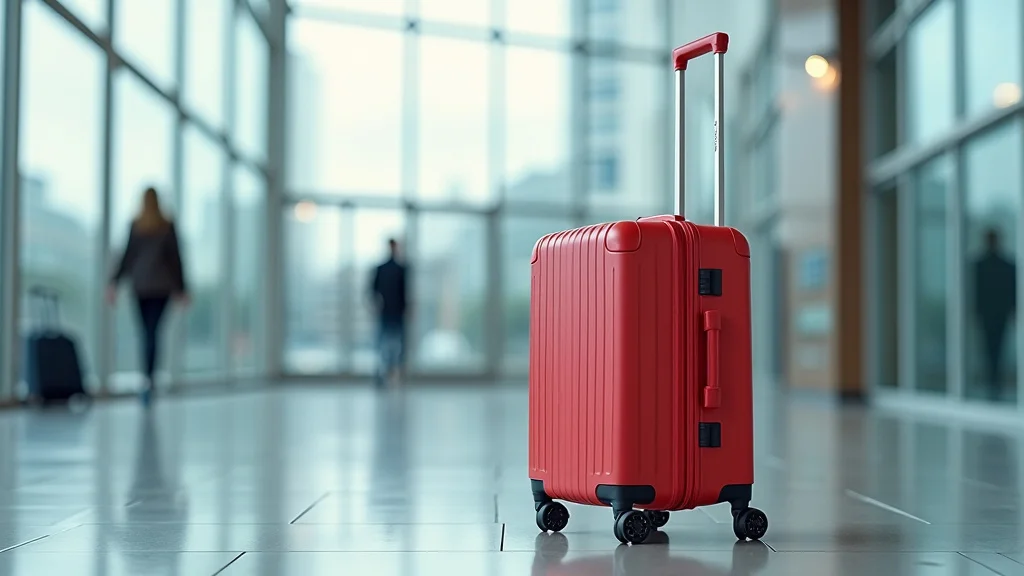
Picture this: you’re standing at the baggage carousel, anxiously waiting for your checked bag to appear. You’ve packed everything you need for your trip, but will it all fit? Choosing the right size luggage is essential for a smooth travel experience. Finding a luggage 30 inch clearance bag provides ample space, but it’s important to know the factors involved. This post will help you explore what to consider when purchasing this size of luggage, including its advantages and common concerns. You’ll gain a thorough exploration of the key aspects of luggage 30 inch clearance, from its dimensions to its potential airline restrictions, ensuring you make an informed choice for your next adventure.
Key Takeaways
- Understand the standard dimensions and capacity of a 30-inch suitcase.
- Discover the benefits of this size luggage, such as increased packing space.
- Learn about potential airline restrictions and how to avoid extra fees.
- Explore different types of 30-inch luggage, including hardside and softside options.
- Find out the most reliable materials used in 30-inch luggage construction.
- Make informed decisions based on your individual travel needs and preferences.
Sizing Up: Dimensions of a 30-Inch Suitcase
When someone mentions “30-inch luggage,” it usually refers to the height of the suitcase, but its total dimensions can vary between brands. The actual capacity, measured in liters, and total linear inches (length + width + height) are key elements to focus on, especially if you plan to check the bag with an airline. The dimensions directly impact the bag’s packing capacity and can also affect whether it can be checked as standard or may incur additional fees. Knowing the exact measurements ensures you know how much you can pack and helps you avoid unexpected costs or inconveniences during your travels. Understanding these metrics is also essential for choosing the appropriate type and style of bag for your specific needs.
Decoding Linear Inches and Capacity
Linear inches are found by adding the length, width, and height of the luggage. This sum is important because airlines use it to determine if a bag falls within their size restrictions. For example, some airlines have a maximum linear inch allowance for checked baggage (typically 62 inches). If your luggage exceeds this, you may incur extra charges. In addition to size, luggage capacity, usually expressed in liters, measures the volume inside. A bag with a 100-liter capacity can generally hold more than one with a 70-liter capacity. This measurement helps you to determine how much you can realistically pack into your bag.
- Linear Inches: Calculate by adding length, width, and height.
- Airline Restrictions: Many airlines have a 62-inch maximum for checked luggage.
- Capacity (Liters): Measures the internal volume, indicating packing space.
- Consider your needs: Match capacity with the duration and type of trip.
- Check airline policies: Review baggage policies of the airlines you will use.
What Fits Inside a 30-Inch Suitcase?
A 30-inch suitcase is designed to accommodate various items. It can typically hold clothes for a 7-10 day trip, including several outfits, shoes, and toiletries. It provides substantial space for heavier items, such as winter coats or multiple pairs of shoes. Depending on the design, you might fit a suit or dress, making it suitable for business trips. The exact amount varies based on how efficiently you pack and the type of items you are bringing. Compression packing cubes and vacuum-sealed bags can maximize the available space and keep items organized, preventing wrinkles and allowing for more efficient packing. This also applies if you are packing for family members, such as a family of four for a weeklong trip.
- Clothing: Enough clothing for a long trip.
- Shoes: Several pairs, including boots or bulky footwear.
- Toiletries: Large bottles and a variety of personal care products.
- Accessories: Hats, scarves, belts, and other items.
- Electronics: Laptops, tablets, chargers, and related items.
Benefits of Choosing Luggage with 30-Inch Clearance
A luggage 30 inch clearance bag has several benefits. Its large capacity lets you pack many items, reducing the need for multiple bags. This can be particularly useful for extended trips or when you need to bring bulkier items. The added space also provides flexibility, allowing you to accommodate unexpected purchases or souvenirs. Many 30-inch suitcases feature enhanced organizational features like multiple compartments, pockets, and compression straps. This helps to keep your belongings neat and easy to find, reducing stress. Furthermore, the spacious design often means increased structural integrity, making them more durable and resistant to damage during travel.
Ample Space for Extended Trips
The ample space within a 30-inch suitcase is a huge benefit for extended trips or family vacations. You will be able to pack enough clothing, shoes, toiletries, and other essentials without worrying about space. This means fewer restrictions and the option of bringing any items you might need. If you’re going on a long trip to a place with unpredictable weather, a bag of this size will be helpful. The larger capacity will also let you pack gifts or souvenirs that you plan to bring back home. You can keep all your travel essentials in one bag, from formal wear to athletic apparel.
- Long Vacations: Perfect for trips lasting more than a week.
- Family Travel: Accommodates clothes and essentials for multiple people.
- Seasonal Needs: Allows space for winter coats and extra layers.
- Shopping Trips: Extra room for souvenirs and shopping finds.
- Gear-Heavy Travel: Ideal for outdoor activities or photography equipment.
Enhanced Packing Flexibility
The extra room in a 30-inch suitcase gives you a lot of flexibility when packing. You can adjust to changes in your travel plans or unexpected needs. This kind of flexibility can come in handy. You can easily add more items or repack without having to remove essential items. The extra space also reduces the stress of packing, letting you organize and pack your items without forcing them into a bag. It also reduces the need to compress your belongings, which can prevent wrinkles and potential damage. This extra space also lets you pack more fragile items without having to worry.
Durability and Protection of Items
A 30-inch suitcase typically has a stronger build, offering greater protection for your belongings. This means its design can withstand impacts and rough handling during travel. Hardside luggage is particularly known for its durability, protecting fragile items from crushing. Many 30-inch bags are made with reinforced corners and high-quality materials, such as polycarbonate or ABS plastic, to improve their strength. These features minimize the risk of damage to the contents. This luggage also prevents damage from rain and other weather factors. The sturdy construction also helps maintain the bag’s shape, preventing it from bulging or distorting under pressure.
Airline Compatibility and Considerations
While a 30-inch suitcase offers significant space, it’s essential to understand airline regulations to prevent extra fees or delays. Many airlines have size restrictions, so checking your bag’s dimensions and the airline’s rules before traveling is critical. Excessively large luggage can be subject to oversize baggage fees. Some airlines might have weight limits that can impact what you pack. Be sure to check your airline’s specific policies before you fly. Planning and considering these aspects will help ensure a smooth travel experience.
Understanding Airline Size Restrictions
Airlines specify luggage dimensions to optimize space and manage handling efficiency. Most airlines have a total linear inch limit for checked bags, typically around 62 inches. Exceeding this limit often results in extra fees. Airlines also have weight limits, which vary depending on the class of service and the destination. Heavier bags can lead to excess weight charges. Some airlines have separate rules for international flights, which may have stricter size and weight restrictions. Always examine the specific rules of the airlines you’ll be using for each flight segment to avoid surprises. The size and weight specifications are typically found on the airline’s website or in its terms and conditions.
| Airline | Typical Linear Inch Limit | Typical Weight Limit | Extra Fee Information |
|---|---|---|---|
| American Airlines | 62 inches | 50 lbs (22.7 kg) | Fees apply for bags exceeding size or weight. |
| Delta Air Lines | 62 inches | 50 lbs (22.7 kg) | Fees apply for oversized and overweight bags. |
| United Airlines | 62 inches | 50 lbs (22.7 kg) | Fees apply for bags exceeding size or weight. |
| Southwest Airlines | 62 inches | 50 lbs (22.7 kg) | First two checked bags are free; fees apply for oversized or overweight bags. |
Tips for Avoiding Extra Fees
Avoiding extra fees is essential for a budget-friendly trip. Measure your bag’s dimensions before your travel. This ensures they meet the airline’s requirements. Weigh your luggage using a luggage scale to confirm it meets the weight limit. Distribute the weight evenly throughout the suitcase to prevent exceeding weight limits. If the bag is too heavy, wear the bulkiest items or use a smaller carry-on for essentials. Some airlines offer pre-paid baggage fees, which can be cheaper than paying at the airport. Consider using compression bags to reduce the luggage size. Be familiar with the airline’s policies regarding oversized or overweight bags.
- Measure before you go: Confirm your bag’s dimensions.
- Weigh your bags: Use a luggage scale.
- Distribute weight evenly: To prevent exceeding limits.
- Use compression bags: To reduce size.
- Know airline policies: Be informed about fee structures.
Materials and Construction: Choosing the Right Suitcase
The materials and construction of your suitcase significantly influence its durability and lifespan. A well-built suitcase will withstand the demands of travel and safeguard your belongings. Luggage manufacturers use a variety of materials, each with pros and cons. Examining the materials, build quality, and features is essential for choosing a suitcase that meets your needs. Different materials provide different levels of protection, weight, and aesthetics. From hardside luggage to softside options, the right choice will depend on the type of travel you intend to undertake and your personal preferences.
Hardside vs. Softside Luggage
The choice between hardside and softside luggage is key when choosing a 30-inch suitcase. Hardside luggage is typically made from materials such as polycarbonate, ABS plastic, or aluminum. It offers excellent protection against impacts and crushing. The hard shell is water-resistant, protecting the contents from rain. However, hardside luggage may be less flexible and may offer limited external pockets. Softside luggage, made from materials such as nylon or polyester, offers flexibility and often includes external pockets for extra storage. It may be able to absorb minor impacts better than hardside luggage. However, it may be less resistant to water and impacts. Weighing the advantages of each type will ensure that you choose the right luggage for your next trip.
- Hardside: Durable, impact-resistant, and offers great protection.
- Softside: Flexible, often includes external pockets, and may be lightweight.
- Material: Consider the benefits of polycarbonate, ABS, and nylon.
- Travel style: Consider your individual needs and packing habits.
- Durability: Focus on the sturdiness of the materials and the build quality.
Key Features to Consider
Various features can improve the functionality and convenience of your 30-inch suitcase. Look for sturdy wheels, preferably four spinner wheels that offer 360-degree mobility, making it easy to maneuver in different directions. Telescoping handles should be smooth and adjustable to accommodate your height and provide comfort. Interior organization features, such as multiple compartments, pockets, and compression straps, help you keep your belongings in order and reduce the risk of items shifting during transit. Integrated locks, such as TSA-approved locks, provide additional security. Consider the handle quality, wheel style, organizational features, and locking mechanisms.
- Wheels: Look for spinner wheels for easy mobility.
- Handle: Ensure the handle is telescoping and adjustable.
- Interior: Consider features like compartments and compression straps.
- Locks: Choose TSA-approved locks for security.
- Warranty: Assess the manufacturer’s warranty.
Common Myths Debunked
Myth 1: 30-Inch Suitcases Are Always Over the Airline Size Limit.
The dimensions of a luggage 30 inch clearance bag do not automatically mean it exceeds airline size limits. While a 30-inch height is a common measurement, it’s the total linear inches (length + width + height) that determine whether a bag is within airline restrictions. Many airlines allow bags with total linear dimensions up to 62 inches. By ensuring the overall dimensions are within the allowed parameters, you can use a 30-inch suitcase without having issues at the airport.
Myth 2: Hard-Sided Luggage Is Always Heavier Than Soft-Sided Luggage.
While this used to be mostly true, modern technology has resulted in lighter hardside luggage. Newer hardside suitcases are often made from lightweight materials such as polycarbonate, which can be lighter than some softside alternatives. The weight depends on the specific materials used and the build quality. Some hardside luggage may include heavier components such as reinforced corners or integrated locks. Before buying, check the product specifications and compare the weight of different models.
Myth 3: You Can’t Fit Much in a 30-Inch Suitcase.
A 30-inch suitcase offers substantial packing capacity. With proper organization, it can usually accommodate clothing, shoes, toiletries, and other essentials for trips lasting a week or more. Utilizing packing cubes, compression bags, and careful folding techniques can help you maximize space and fit more items. The bag’s design, including internal compartments and external pockets, improves storage capabilities. The volume available within a 30-inch suitcase is significantly more than smaller bags.
Myth 4: All 30-Inch Suitcases Are the Same Quality.
The quality of a 30-inch suitcase can vary significantly depending on the manufacturer, materials, and construction. Not all luggage is built to the same standards. Higher-quality luggage uses durable materials, such as polycarbonate or ballistic nylon. These bags often feature reinforced stitching, strong zippers, and high-quality wheels and handles. Inexpensive options may use less robust materials. Investing in a well-made bag improves its durability and ensures it can withstand rough handling. Review the construction of the bag before your purchase.
Myth 5: 30-Inch Suitcases Are Difficult to Maneuver.
The maneuverability of a 30-inch suitcase depends on its design, especially the wheel system. A suitcase with four spinner wheels offers excellent 360-degree mobility, making it easy to navigate through airports and other areas. A suitcase with two wheels might be more challenging to maneuver, especially when fully loaded. Choose a model with high-quality wheels and a smooth-rolling system to enhance maneuverability. The handle design also plays a part, as a telescoping handle that can be adjusted to your height will provide added comfort and control.
Frequently Asked Questions
Question: Is a 30-inch suitcase considered large?
Answer: Yes, a 30-inch suitcase is considered large, offering a substantial capacity ideal for extended trips or for those who need to bring a lot of items.
Question: What’s the typical weight limit for checked luggage with airlines?
Answer: The typical weight limit is around 50 pounds (22.7 kg), but it varies depending on the airline and class of service.
Question: Are 30-inch suitcases allowed on all airlines?
Answer: Most airlines allow 30-inch suitcases, but it’s essential to check the airline’s specific size restrictions to avoid extra fees.
Question: What’s the best material for a 30-inch suitcase?
Answer: Both hardside (polycarbonate or ABS) and softside (nylon or polyester) materials have advantages, so the “best” depends on individual needs and travel style.
Question: How do I measure my suitcase’s dimensions?
Answer: Measure the length, width, and height of your suitcase using a tape measure and calculate the total linear inches.
Final Thoughts
Choosing the right luggage is essential, and a luggage 30 inch clearance bag can be a valuable addition to any traveler’s collection. They are a smart choice for travelers who seek extra space and flexibility. Before you make your decision, consider your travel habits. Assess the benefits of this large size luggage, weigh the pros and cons, and consider the features that can enhance your travel experience. Research the dimensions of the bag and the airline’s restrictions before you travel. By exploring materials and construction, you can decide whether a hardside or softside bag meets your needs. Look for features like spinner wheels and organized interiors to enhance the experience. By choosing the right size, you’ll ensure that you have the room you need to bring everything you need and enjoy a smoother, more stress-free trip. Prioritize quality and features to find a reliable companion for all your future travels.


Leave a Reply