
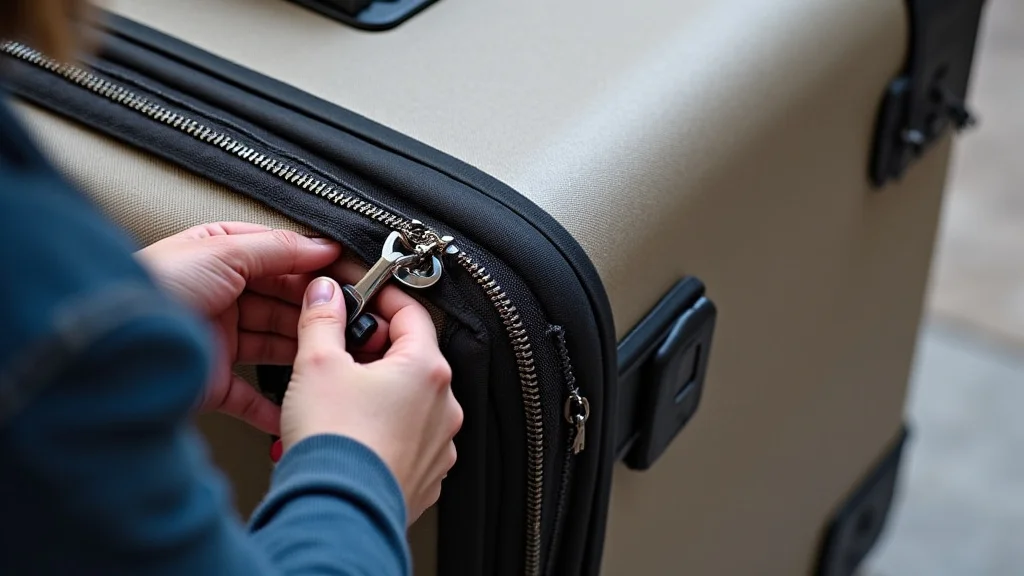
Picture this: you’re at the airport, ready for that well-deserved vacation, and your trusty suitcase’s luggage zipper decides to give up. Disaster! Or, perhaps, you’ve got a favorite bag that’s seen better days, with a luggage zipper repair needed. This guide will walk you through finding local repair services, understanding common zipper problems, and ensuring your luggage lasts longer. You’ll learn how to find reliable repair shops near you, explore the different types of repairs available, and get tips for maintaining your luggage’s zippers. This knowledge will save you time, money, and stress, getting your bags back in action.
Key Takeaways
- Discover how to locate reliable luggage zipper repair services in your area.
- Understand the common causes of luggage zipper failure and how to prevent them.
- Learn about different repair techniques and when to choose each one.
- Find out how to estimate the cost of luggage zipper repairs.
- Gain valuable tips for maintaining your luggage to extend its lifespan.
- Explore alternative options to consider, from DIY to replacing the bag.
Finding Local Luggage Zipper Repair Services
When a luggage zipper fails, the first step is finding someone who can fix it. Searching online is the easiest approach. Use search terms like “luggage zipper repair near me” or “bag repair shop .” Don’t limit your search to specific stores; explore local tailors, shoe repair shops, and leather repair businesses. These places often offer luggage repair services. Check online directories like Yelp, Google Maps, and Facebook Marketplace for user reviews and ratings. Reviews will provide insights into the quality of their work, the speed of service, and the professionalism of the shop.
Evaluating Repair Shops
Once you have a list of potential repair shops, examine their websites or online profiles. Look for photos of their work and a list of services. Check the hours of operation and their contact information. Call the shops to ask specific questions about the type of zipper damage you have and ask about their experience. A good repair shop should have experience with different types of luggage materials and zipper mechanisms. Inquire about the time it takes to complete a repair and the cost. A clear estimate is essential before leaving your bag for repair.
- Experience: Assess the repair shop’s experience. Ask how long they’ve been repairing luggage and what types of repairs they typically handle. A shop with several years of experience and a broad range of repair services will likely be a better choice.
- Specialization: Some repair shops specialize in leather goods or specific types of luggage. Consider this when choosing a shop. Specialization can indicate more expertise in your luggage’s material and construction.
- Tools and Materials: Find out what tools and materials the shop uses. Do they have the right equipment for your luggage? Good shops use high-quality zippers and threads that match your luggage’s original components.
- Warranty: Inquire about any warranty offered on their repairs. A warranty shows confidence in their work and provides peace of mind. Check the warranty terms and what’s covered.
The Importance of Customer Reviews
Customer reviews are a helpful resource in evaluating a luggage zipper repair shop. They offer insights into the experiences of previous customers. Look for reviews that mention the quality of repairs, the shop’s customer service, and the turnaround time. Pay attention to both positive and negative reviews. Repeated negative comments about a shop’s work quality or customer service should be a red flag. A shop’s response to negative reviews shows how they handle issues and strive for customer satisfaction.
Here’s an example: A review might say, “My suitcase zipper was completely broken, but they fixed it perfectly, and it was ready in a few days.” This shows that the shop did a great job and was efficient. Conversely, a review saying, “The repair fell apart after a week,” raises concerns about the quality of the work.
Common Luggage Zipper Problems and Solutions
Luggage zipper failures can happen in various ways. These issues range from minor problems, like a stuck slider, to major issues, such as a broken zipper track. Knowing the common problems can help you understand the repair needed and perhaps even prevent future damage. Preventative steps and choosing the right repair method are key to maintaining your luggage’s functionality and extending its life.
Zipper Slider Issues
The zipper slider, the part that moves up and down the track, is a frequent point of failure. It may become stuck, loose, or damaged, preventing the zipper from closing or opening smoothly. A stuck slider is often caused by debris, such as fabric fibers or dirt, caught in the zipper teeth. A loose slider may not grip the teeth correctly, leading to the zipper opening unexpectedly. A damaged slider may be bent or broken, requiring repair or replacement.
- Stuck Slider: Try gently wiggling the slider back and forth while applying a bit of lubricant, like a bar of soap, wax, or silicone spray. If that doesn’t work, consider taking the bag to a repair shop. They can remove obstructions more safely.
- Loose Slider: A loose slider might close the zipper but does not keep it shut properly. A repair shop can often tighten or replace the slider. A replacement might be necessary if the slider is worn or damaged.
- Damaged Slider: A damaged slider can’t effectively engage the zipper teeth. Repair shops can typically
Zipper Track Problems
The zipper track, the part that interlocks to close the bag, can suffer damage. The teeth can become bent, broken, or misaligned, preventing the zipper from closing. Sometimes, the track may detach from the fabric of the luggage. This can happen from excessive force, wear, or damage to the fabric around the zipper. Issues with the track typically require professional repair. This can involve replacing a section of the track or, in more severe cases, replacing the entire zipper.
- Bent Teeth: Bent zipper teeth prevent smooth closure. Attempting to force the zipper can cause more damage. A repair shop may straighten the teeth, although it may not always be possible.
- Broken Teeth: Missing teeth will stop the zipper from closing. The damaged section may need to be replaced. A skilled repair technician can insert new teeth or replace the whole zipper.
- Misaligned Teeth: If the zipper teeth are off track, it won’t close smoothly. Professionals will re-align them or replace the zipper. Careful handling of your luggage will help prevent this.
Fabric Damage Around the Zipper
The fabric around the luggage zipper is important to the zipper’s integrity. Wear and tear, tears, or damage to the fabric can affect the zipper’s function. If the fabric tears near the zipper, it can pull on the zipper and cause issues. This kind of damage can be caused by overloading the bag, snagging the fabric, or general wear. Addressing fabric damage promptly helps keep the zipper in good working condition. It also prevents the damage from getting worse.
- Minor Tears: Minor tears around the zipper can be repaired by a tailor. They can reinforce the area. This can prevent the tear from spreading. They might add extra fabric or stitching to strengthen the area.
- Extensive Damage: Major tears may need more extensive repairs. The repair might involve patching the fabric and reinforcing the area around the zipper. Repair shops specializing in luggage can provide expert solutions.
- Preventative Measures: Overloading your bag will strain the fabric. Using the correct luggage size for your items helps prevent damage. Gentle handling and proper storage also reduce the risk of fabric damage.
Repair Techniques and Costs
Understanding the different repair techniques and the associated costs can help you make an informed decision when you need to fix a luggage zipper. The methods used will depend on the damage. Knowing these options allows you to discuss the best solution with the repair shop. It helps you anticipate the expenses involved.
Zipper Slider Replacement
Replacing the zipper slider is one of the most common repairs. It’s often used to fix a stuck, loose, or damaged slider. The repair involves removing the old slider and fitting a new one. This is usually a fast and cost-effective solution. The cost depends on the type of luggage and the slider’s design. The repair shop will make sure the new slider is compatible with your luggage’s zipper track.
Here’s a practical example: Imagine a suitcase where the slider is stuck due to sand getting inside the zipper. The repair shop may be able to simply
Zipper Tooth Replacement
When teeth on the luggage zipper are broken or bent, replacing them may be necessary. This repair is more complex than slider
Consider a bag where a few zipper teeth are missing, preventing the closure of the bag. The repair shop can add new teeth to bridge the gap. That way, the zipper can function again. This keeps your bag working.
Zipper Track Replacement
In cases of severe damage to the zipper track, a track replacement becomes necessary. This is more involved than replacing individual teeth. It usually involves removing the damaged zipper and sewing in a new one. This can be more expensive and time-consuming. The cost varies based on the size of the zipper, the type of luggage, and the materials used. This repair can bring your bag back to like-new condition. It can make it function well again.
For instance, if your suitcase’s zipper track is completely separated from the fabric, track
| Repair Type | Description | Estimated Cost |
|---|---|---|
| Slider Replacement | Replacing a stuck, loose, or damaged slider. | $10-$30 |
| Tooth Replacement | Replacing individual broken or bent teeth. | $20-$50 |
| Track Replacement | Replacing the entire zipper, including the track. | $30-$100+ |
Maintaining Your Luggage Zippers
Proper maintenance of your luggage zippers will help them work well and extend their life. Regular cleaning, lubrication, and gentle use can help prevent common issues and keep your bags in top condition. These simple practices can reduce the need for repairs and ensure your bags are ready for travel. Taking good care of your luggage’s zippers will make them more durable.
Regular Cleaning and Lubrication
Cleaning and lubricating your luggage zippers regularly will prevent them from getting stuck and extend their life. Debris such as dirt, sand, and fabric fibers can get into the zipper teeth, causing friction and making it hard to close. Lubricating the zipper makes the slider move smoothly. Cleaning should be done before lubricating. This prevents dirt from mixing with the lubricant and causing more problems.
- Cleaning: Use a soft brush, like an old toothbrush, to gently remove dirt and debris.
- Lubrication: Apply a lubricant designed for zippers. Alternatives include candle wax or silicone spray. Test the lubricant on a small area of the zipper first to ensure it won’t stain the fabric.
- Frequency: Clean and lubricate your zippers every few months, or more often if you use your luggage frequently.
Gentle Use and Avoiding Overloading
Treating your luggage zippers gently and avoiding overloading your bags will protect them from stress and premature wear. Forceful closure, pulling, and tugging can damage the zipper slider and teeth. Overloading the bag puts excessive pressure on the zipper, making it more prone to failure. Use luggage that’s the right size for your needs and pack it in a balanced way.
- Avoid Force: Close and open zippers gently and deliberately. Don’t force a stuck zipper; try cleaning and lubricating it first.
- Balanced Packing: Distribute the weight evenly inside your bag. This reduces strain on the zippers and the bag itself.
- Consider Size: Using the correct size of luggage prevents overloading and helps preserve your zipper’s lifespan. If you tend to overpack, consider using a larger bag.
Storage Practices
Storing your luggage correctly, especially when it’s not in use, can prevent zipper problems. Protect your bags from extreme temperatures and humidity, which can affect the zipper materials. Store your luggage in a clean and dry place. Cover your bags to protect them from dust and dirt. Proper storage helps maintain your zippers and keeps your bags ready for use.
- Cool and Dry: Store luggage in a cool, dry place away from direct sunlight. Extreme heat or cold can damage the zippers. Humidity can promote corrosion.
- Clean Environment: Store your luggage in a clean environment to prevent dust and debris from settling on the zippers.
- Protective Covers: Use luggage covers or bags to protect them from dust, dirt, and potential damage during storage.
Alternative Options and Considerations
When your luggage zipper fails, sometimes repair isn’t the only solution. Evaluating these other options will help you make the best choice. Some situations might benefit from a DIY repair, while others may call for a professional fix or even replacing the bag. Considering these options can help you save money and make sure your luggage needs are met.
DIY Luggage Zipper Repair
A DIY approach might work for some zipper problems. Simple issues, such as a stuck slider or minor misalignment, can sometimes be fixed at home. Several online resources, like YouTube videos and repair guides, provide step-by-step instructions for DIY repairs. It is important to know your skills before taking this approach. You can damage the zipper even more if you are not careful.
- Assessment: Examine the damage to see if you can repair it yourself. Start with minor problems. If the problem seems complex, consider professional help.
- Tools and Materials: You’ll need tools such as a screwdriver, pliers, and possibly some lubricant. Have materials like thread, needles, and replacement sliders ready.
- Step-by-Step Approach: Follow online guides. Take it slowly and cautiously. You’ll reduce the chance of making the problem worse.
Professional Repair vs. Replacement
Deciding between luggage zipper repair and replacing your bag depends on the extent of the damage, the cost, and the luggage’s overall value. If the repair is simple and costs less than the bag’s value, repair may be the better option. If the damage is severe, repair costs are high, or the bag is old and worn out, it may be more cost-effective to replace the luggage. Also, think about the sentimental value of your luggage and its original cost. A bag that holds significant sentimental value or was expensive originally may be worth repairing even if the repair costs a little more.
Example: If the zipper is just stuck, and the bag is in good shape otherwise, repair will be best. However, if the zipper is extensively damaged, the bag is torn in multiple places, and has been used for years, it may be time to replace it. A good repair shop will offer an honest assessment.
Considering the Value of the Luggage
The value of your luggage is a key factor when making a decision about repair or replacement. A high-end or specialty suitcase is often worth repairing even if the repair costs are high. In these cases, it makes sense to restore your favorite piece. However, if you have a budget suitcase that is old and has seen a lot of use, replacing it may make more sense. You should think about how much use the bag has left. Also, is the luggage still worth what you invested in it originally?
Consider two examples: A leather suitcase is worth preserving because of its value and quality. On the other hand, if a less expensive suitcase is heavily damaged, it may be better to
Common Myths Debunked
Myth 1: You can always fix a broken luggage zipper with WD-40.
Answer: While WD-40 can sometimes free a stuck zipper, it is not a good solution. WD-40 can attract dirt and debris, which will cause more problems. It is better to use a zipper-specific lubricant or bar soap. These are better for long-term use and won’t harm the zipper.
Myth 2: Replacing a zipper is always more expensive than fixing it.
Answer: Not always. If the damage to your luggage is extensive, or if the whole zipper needs replacing, a new zipper might cost less. Sometimes, the overall cost of multiple repairs exceeds the price of a new zipper. Always get a quote from a repair service before deciding.
Myth 3: All luggage repair shops are the same.
Answer: No. The quality of work and types of repairs offered differ. Some shops may specialize in certain types of luggage materials. Others might have the right equipment and experience. Reading reviews, checking online ratings, and asking questions are key to find the best shop.
Myth 4: A simple fix can always prevent a complete zipper failure.
Answer: Simple fixes, like lubricating a zipper, are preventative. They can stop failure but may not always be enough. Sometimes, the damage is severe. The repair needed will depend on the extent of the damage.
Myth 5: It’s better to replace the entire bag than repair the zipper.
Answer: Not necessarily. If the bag is still in good shape, replacing the zipper is a good option. If the bag has significant wear and tear, and the cost to repair the zipper is high, replacing the bag may be smarter. Repairing the zipper can extend the life of a great bag.
Frequently Asked Questions
Question: How can I prevent my luggage zippers from breaking?
Answer: Regularly clean and lubricate your zippers. Avoid overloading the bag and handle it gently. Storing luggage properly will prevent damage.
Question: What do I do if my luggage zipper gets stuck?
Answer: First, try to clear out any debris. Use a soft brush to remove dirt. After that, you can use a zipper lubricant. If this doesn’t work, take it to a repair shop.
Question: How much does it cost to repair a luggage zipper?
Answer: The price depends on the damage. A slider replacement might cost $10-$30. Tooth replacement is $20-$50. A full zipper replacement could be $30-$100 or more. The cost varies based on materials and labor.
Question: Can I repair a luggage zipper myself?
Answer: Basic issues can sometimes be fixed with DIY. Minor repairs are possible with the right tools. More complex damage may require a professional repair.
Question: Where can I find a luggage zipper repair near me?
Answer: Do a search online using terms like “luggage zipper repair near me” or “bag repair shop “. Check online directories like Yelp or Google Maps.
Final Thoughts
When a luggage zipper repair near me becomes necessary, you have options. Understanding your needs will help you take the right steps. From finding local repair shops with a solid reputation to performing DIY fixes, there are several methods available. Consider the type of damage and the value of your luggage. You can find affordable solutions. Taking care of your luggage, with regular maintenance, cleaning, and gentle use, will help your bags last longer. Don’t let a broken zipper ruin your travel plans. Take action, keep your bags in top shape, and you’ll be ready for your next adventure.


Leave a Reply