
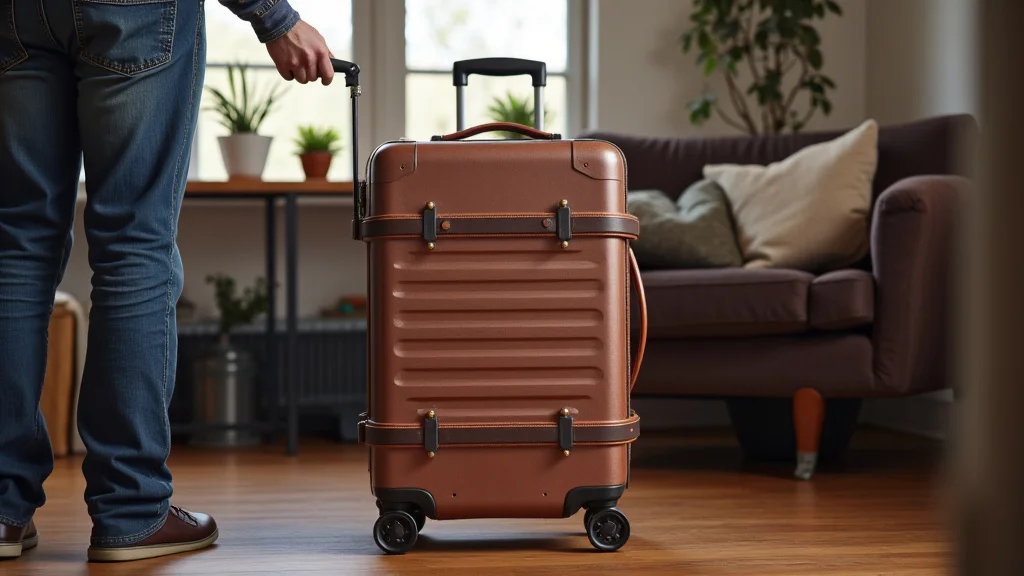
Picture this: you’re at the airport, ready for a well-deserved vacation, when suddenly, your suitcase’s wheel snaps off. Panic sets in, right? Before you envision purchasing a whole new bag, consider the possibility of using luggage repair parts. This guide will walk you through the essential components and how to get your favorite travel companion back in action. You’ll gain knowledge on identifying the broken parts, finding replacements, and performing repairs, saving you money and extending the life of your luggage. We’ll explore the basics of luggage repair parts, empowering you to handle minor issues and potentially avoid costly replacements, which will allow you to quickly and easily fix your luggage.
Key Takeaways
- Learn to identify common luggage problems and the corresponding parts.
- Discover where to find replacement luggage repair parts, both online and in stores.
- Understand the tools and techniques needed for effective luggage repairs.
- Explore different types of luggage materials and the specific repair needs of each.
- Gain insights into preventive measures to extend the lifespan of your luggage.
- Get a better understanding of how to assess whether a repair is worth undertaking.
Identifying Common Luggage Problems
Luggage endures a lot of wear and tear, from being tossed around during transit to being crammed into overhead compartments. Knowing the common issues that arise is the first step in addressing them. These problems often involve specific luggage repair parts. Identifying these issues will help you to know what parts to look for and the best way to get them fixed. It’s important to recognize that it’s often more affordable and practical to fix existing luggage rather than immediately buying a new set. This section will delve into the most prevalent issues and how to spot them.
Wheel Troubles
Wheels are the most frequently damaged parts of any suitcase. Whether it’s a cracked wheel, a worn-out bearing, or a completely detached wheel assembly, these problems can render your luggage useless. The type of wheel determines the
- Cracked Wheels: A crack in the wheel itself is a common problem. It is usually caused by impact or overloading the luggage. Replacement is generally straightforward, often involving unscrewing and reattaching the new wheel.
- Worn Bearings: Bearings that don’t spin smoothly can cause dragging and difficulty in maneuvering. Replacing the bearings within the wheel can restore smooth rolling.
- Detached Wheel Assemblies: Severe impacts can dislodge the entire wheel assembly. Reattaching the assembly might involve screws, rivets, or adhesives, depending on the luggage construction.
- Spinner Wheel Issues: Spinner wheels can also develop issues such as sticky or broken swivels. These can often be addressed by replacing the entire wheel unit.
Handle Problems
Handles are another vulnerable area. Telescoping handles, top handles, and side handles are all subject to damage from pulling, carrying, and general handling. The damage can range from a stuck handle to a broken or missing grip. Regular inspection and timely
- Telescoping Handle Dysfunction: Telescoping handles often get stuck or refuse to extend or retract. This can be due to a broken internal mechanism or jammed components.
- Broken or Missing Grips: The grip on the telescoping handle or other handles can wear out or tear. Replacing these grips can improve comfort and usability.
- Handle Detachment: Handles can become detached from the luggage body, requiring reattachment or replacement of the handle itself.
- Stuck Handle Mechanism: The internal mechanism that allows the handle to extend or retract might get damaged. Lubrication or replacing the mechanism parts can fix the problem.
Zipper Issues
Zippers are vital for securing the contents of your luggage. They can malfunction due to wear and tear, snagging, or damage from overpacking. A faulty zipper can make your luggage unusable or risk losing your belongings. Zipper problems are common, but often manageable with the right luggage repair parts. Careful maintenance and swift action when issues arise can greatly increase your luggage’s lifespan.
- Broken Zipper Sliders: The slider is the component that moves along the zipper teeth, and if it breaks, the zipper won’t close. Replacement sliders are readily available.
- Separated Zipper Teeth: Zipper teeth that pull apart can be fixed by carefully realigning them or by replacing the zipper.
- Zipper Snagging: When the zipper gets stuck on fabric or other obstructions, it can be corrected by removing the obstacle and applying lubricant.
- Damaged Zipper Tape: The material to which the zipper teeth are attached can become damaged, necessitating zipper replacement.
Sourcing the Right Luggage Repair Parts
Finding the correct replacement parts is crucial for successful repairs. There are various avenues for sourcing parts, from local stores to online marketplaces. Knowing the specific parts you need and the best place to find them will save you time and effort. Exploring the different options will give you the tools you need to get the right luggage repair parts.
Online Retailers
Online marketplaces offer a wide selection of luggage repair parts, allowing you to browse different brands, styles, and sizes from your home. The accessibility and sheer volume of available parts are major advantages. Sites like Amazon and eBay are great choices because they offer a wide range of products from many vendors. Always read the reviews and compare prices before making a purchase. This will help you get the best possible parts for your repairs.
- Amazon: A vast marketplace with many luggage part vendors, offering a broad selection of parts and accessories.
- eBay: Often a source for discounted and specialty parts, including used or vintage items.
- Specialty Luggage Repair Websites: Some sites specialize in luggage repair parts, offering detailed product descriptions and repair guidance.
- Direct Manufacturer Websites: Some manufacturers sell parts directly, ensuring compatibility and quality.
Local Stores
Local stores offer the advantage of immediate access to parts and the opportunity to get expert advice. Although the selection might be more limited compared to online stores, you can often examine the parts before purchasing and get help with selecting the proper replacements. Local shops can be helpful if you need immediate assistance or want to avoid waiting for shipping. You will also get a more personal customer service experience. Locating the right place to get your luggage repair parts will make the repair process much easier.
- Luggage Repair Shops: These shops stock a variety of parts and usually provide repair services.
- Hardware Stores: Some hardware stores carry basic luggage repair parts like screws, rivets, and adhesives.
- Craft Stores: Craft stores might have materials suitable for handle repairs or cosmetic fixes.
- Thrift Stores and Garage Sales: While not a primary source, you can sometimes find used luggage for parts.
Identifying Parts and Measurements
To accurately source the right parts, you’ll need to identify the exact parts and take measurements. Taking a moment to do this will help you to get the correct luggage repair parts the first time. The best approach is to note the size, shape, and material, and if possible, take photos. This detail will ensure that the replacement parts will fit and function properly. Using the original parts as a reference is a great starting point.
- Take Measurements: Measure the length, width, and depth of the parts you need to replace.
- Note Material: Identify the material of the parts (e.g., plastic, metal).
- Examine the Attachment Method: Note how the parts are attached (screws, rivets, adhesives).
- Research Brand and Model: If possible, research the brand and model of your luggage for specific part identification.
Repairing Your Luggage: Tools and Techniques
Performing luggage repair parts is often within the capabilities of the average person, provided they have the right tools and basic mechanical skills. Knowing the right tools and techniques can make the repair process more effective and enjoyable. Although you may need some basic tools, most repairs are simple. This section covers the essential tools and techniques for handling common luggage problems.
Essential Tools for Luggage Repair
The tools required for luggage repair are relatively basic and affordable. Having the right tools can make a big difference in the quality of the repair. Gathering the right luggage repair parts, along with the right tools, will allow you to confidently take on a range of repairs. The right tools and parts will make the job much easier.
- Screwdrivers: A set of screwdrivers (Phillips head and flathead) in various sizes is essential.
- Pliers: Pliers are useful for gripping, bending, and cutting wires.
- Utility Knife or Box Cutter: Useful for cutting fabrics or opening up luggage compartments.
- Measuring Tape: Needed for taking accurate measurements of the broken parts.
- Adhesives: Super glue or epoxy for certain repairs.
Repair Techniques
Understanding the proper techniques can make repairing luggage repair parts easier. The specific techniques will vary depending on the type of repair and the parts involved. Reading guides, watching videos, and gathering some knowledge about how things go together can make a repair much easier. The more you know, the more confident you will be in handling a range of luggage problems.
- Wheel Replacement: Usually involves removing screws, attaching the new wheel, and tightening the screws.
- Handle Repair: Replacing a handle might involve removing old rivets, replacing the handle, and installing new rivets.
- Zipper Repair: Fixing zippers can involve replacing the slider or reattaching the zipper teeth.
- Fabric Patching: Tears in the luggage fabric can be patched with glue and fabric patches.
Specific Luggage Materials and Repair Considerations
The material of your luggage will influence the approach you take for repairs. Each material has unique properties and requires different techniques and luggage repair parts. Taking the time to examine the material and determine the proper repair method will ensure a strong and long-lasting repair. Understanding these specific considerations will allow you to tailor your repair approach to the specific needs of your luggage.
Hard-Sided Luggage
Hard-sided luggage is generally made from materials like polycarbonate, ABS plastic, or aluminum. These materials are sturdy but can crack or dent under pressure. The main repairs will typically involve replacing wheels, handles, and, in some cases, the shell itself. The rigidity of hard-sided luggage often calls for more specialized tools and techniques. Because of the materials used, these repairs will require more specialized techniques and luggage repair parts.
- Wheel Replacement: Often straightforward, involving the removal of screws and the reattachment of new wheels.
- Handle Replacement: Can require disassembly of parts.
- Shell Cracks: Cracks in the shell might be repairable with adhesives.
- Dent Repair: Dents can be harder to fix, but using heat and pressure can sometimes reshape the shell.
Soft-Sided Luggage
Soft-sided luggage is commonly made from fabrics like nylon, polyester, or canvas. These materials are more flexible than hard-sided luggage but can be susceptible to tears, rips, and fraying. Repairs often involve patching fabric, repairing zippers, or replacing handles and wheels. Soft-sided luggage can often be repaired with basic sewing skills and readily available luggage repair parts. These types of materials allow you to use a wide variety of parts and repair techniques.
- Fabric Tears: Tears can be repaired with fabric patches and adhesives.
- Zipper Repair: Replace the zipper, and replace the slider.
- Handle Replacement: This process is similar to hard-sided luggage but might involve sewing.
- Wheel Replacement: Same as hard-sided luggage.
Leather Luggage
Leather luggage requires special care and specialized luggage repair parts. Leather is a durable material but can be susceptible to scratches, tears, and wear. The use of specialized tools and materials is frequently needed to properly repair leather. Restoring leather luggage can be a time-consuming project, but can result in a timeless piece of luggage. Repairing leather luggage takes time and patience.
- Leather Scratches: Often fixed with leather conditioners.
- Tears: Patches or stitching can repair Tears.
- Handle and Strap Issues: These can be
- Zipper Repair: Replace the zipper, and replace the slider.
Common Myths Debunked
Frequently Asked Questions
Question: Is it always cheaper to repair luggage than to replace it?
Answer: It depends on the extent of the damage and the cost of the replacement parts. Minor repairs are often cheaper, but extensive damage might make replacement more economical.
Question: Where can I find the right replacement parts for my specific luggage brand?
Answer: Check online retailers such as Amazon and eBay, specialty luggage repair websites, or the manufacturer’s website.
Question: Can I fix a broken zipper myself, or should I take it to a professional?
Answer: Basic zipper repairs, like replacing a slider, can often be done yourself. More complex issues might require a professional.
Question: Are there any tools I should invest in to do my own luggage repairs?
Answer: Essential tools include a set of screwdrivers, pliers, a utility knife, and possibly a rivet gun. The need for specialized tools will depend on the type of luggage and the repairs you need to perform.
Question: What’s the best way to prevent damage to my luggage in the first place?
Answer: Avoid overpacking, protect your luggage from harsh handling, and consider using luggage covers during travel.
Final Thoughts
By learning how to identify problems and acquire the right luggage repair parts, you can keep your luggage in good condition for many years. From wheels and handles to zippers, knowing the most common points of failure and how to address them will help you keep your bags in working condition. This will help you save money and reduce waste, which makes traveling easier. By taking the time to understand the various luggage repair parts and techniques, you will be well-equipped to manage many luggage issues.


Leave a Reply